
Best Cameras for Summer: Budget, Midrange, and Premium Picks for 2026
Disclosure: We may earn a commission when you buy through links on this page, at no extra cost to you. As an Amazon Associate I earn from qualifying purchases. Learn more

Compare the best cameras for summer at every price point. Learn what you get at budget, midrange, and premium levels and where spending more pays off.
Summer camera prices range from under $200 for simple point and shoot compacts to over $2,000 for full frame bodies, and every listing promises sharp photos. The best cameras for summer share practical strengths: they handle bright sun, sand, splashes, heat, and long days away from a charger. Use the comparison table below to see how models differ before you spend.
Start with where you will shoot most. Beach days, camp, road trips, and evening concerts stress a camera in different ways, so the sections below sort choices by budget and by summer plan.
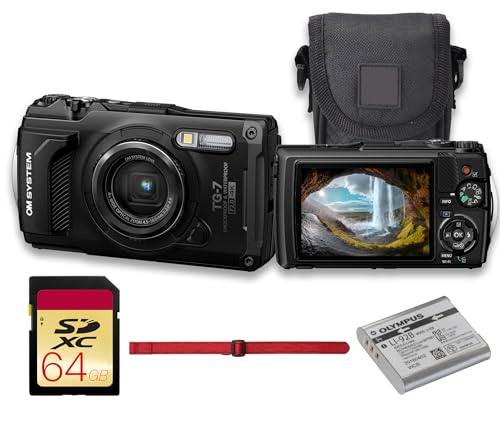
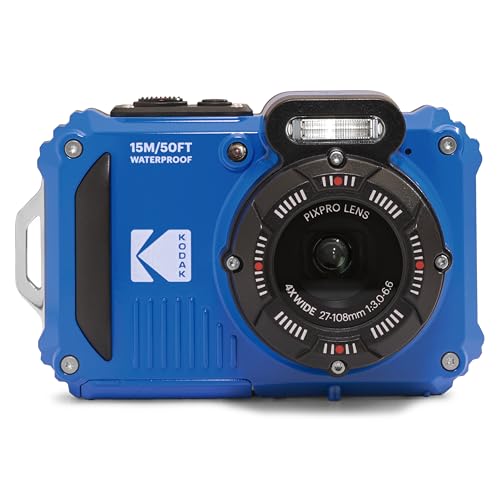


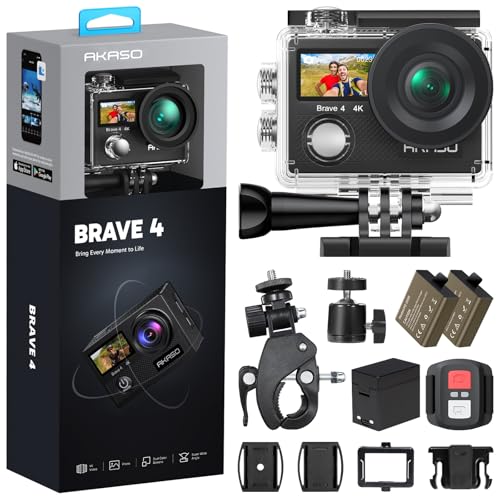





Who Should Buy a Camera for Summer Days Out?
Your main setting should drive the choice more than any single spec. Find your group below, then match its priorities to a price tier.
Beach and Pool Families Who Need Tough, Simple Shooting
You need a camera that survives splashes, sandy hands, and drops, and that a partner or older child can use without a lesson. Prioritize a rated waterproof body or strong weather sealing, simple auto controls, and a screen you can read in glare. For a broader starting point, see our guide to the best digital cameras for family use.
Travelers and Hikers Who Carry Gear All Day
Weight and battery life shape your day more than peak image quality does. Choose a compact body with a versatile zoom, USB charging from a power bank, and quick autofocus for scenes that will not wait. A light kit gets carried on every hike, while a heavy one stays at the hotel, so count the lens and case in the total weight.
Creators Who Shoot Summer Evenings and Video
Sunset portraits, fairground lights, and campfire clips demand a larger sensor, a bright lens, and steady handheld video. Look for eye autofocus, image stabilization, and 4K video that does not overheat quickly in warm air. For more on creative controls, see our guide to the best cameras for photography and compare handling notes there.
What Each Summer Budget Buys You
Higher tiers buy sensor size, focus speed, sealing, and lens choice more than megapixels. Match the tier to your group above.
Budget Tier: Simple Shooting for Bright Days
At about $150 to $350 you get point and shoot compacts with small sensors that do well in strong daylight, which summer gives you in plenty. Expect modest optical zoom, slower focus on moving subjects, and weaker low light results after sunset. If this is your first dedicated camera, see our guide to the best starter cameras for simple handling tips.
Midrange Tier: Larger Sensors, Faster Focus
At about $400 to $900 you step up to 1 inch sensor compacts and APS C bodies with interchangeable lenses. Photos stay cleaner at dusk, autofocus tracks kids and pets with fewer misses, and burst shooting suits sports days and water play. For most summer shooters this tier gives the clearest gain per dollar, because the improvement shows in ordinary family and travel photos.
Premium Tier: Full Frame Quality, Strong Sealing
At about $1,000 to $2,500 and above you get full frame sensors, confident subject tracking, and bodies sealed well against dust and rain. Video specs are stronger and files hold up to heavy cropping and large prints. The trade off is size, weight, and lens cost. Readers weighing that step can see our guide to the best quality cameras for build comparisons.
Key Features to Compare
Compare these factors in order for your main setting. A feature earns its price only if it fixes a problem your shooting actually has.
Sensor Size and Picture Quality in Bright Sun
Sensor size is the area that gathers light, and a larger area usually means cleaner images when light falls and richer detail in bright beach highlights. Small sensors suit daylight snapshots shared online. A 1 inch sensor is a strong travel compromise, while APS C and full frame sensors give creators more room to crop and print. Megapixels matter less, because a modest count on a larger sensor often beats a high count on a tiny sensor in evening shade.
Autofocus That Keeps Up With Summer Action
Autofocus decides how many fast moments are sharp. Look for subject detection that finds faces and eyes, plus tracking that holds a runner, cyclist, or dog across the frame. Touch focus helps when you hold the camera above a crowd. Budget systems suit posed groups but can hunt in shade, while midrange and premium systems lock on faster during a burst, which is why active kids and sports days push many buyers up a tier.
Image Stabilization for Handheld Video and Low Light
Image stabilization steadies small hand movements so you can use slower shutter speeds at dusk and record smoother walking clips without extra gear. It may live in the body, in the lens, or in both working together, and the combined form usually gives the steadiest result. It does not freeze a moving subject, so a jumping child still needs a fast shutter speed. For video heavy summers, check that it stays active in the 4K mode you plan to use.
Weather Resistance, Heat, and Bright Sun Handling
Summer adds risks that studio specs ignore. Sealing against dust and splashes protects a camera at the beach and on dusty trails, but sealing is not a waterproof rating for swimming, so check stated depth and time limits before immersion. Screens need brightness for midday framing, and an electronic viewfinder stays readable when a screen washes out. Also check the operating temperature range, because a body left in a hot car can shut down.
Lens Range and Optical Zoom for Travel Scenes
The lens decides what you can frame without moving. A wide angle end suits landscapes and group shots in tight spaces, while optical zoom brings distant landmarks, performers, and wildlife closer with full detail. Digital zoom crops and softens the image, so compare the optical figure and ignore inflated digital claims. One travel zoom from wide to medium telephoto keeps an interchangeable lens kit light, though it gathers less light at dusk than a prime lens.
Picking the Right Camera for Different Summer Uses
The same budget buys different strengths in different settings. The camp example below shows how one setting moves money toward the specs you will feel daily.
Summer Camp
Camp calls for durability, simplicity, and power that lasts through a week of activities. Choose a waterproof or rugged compact with a wrist strap, simple controls, and USB charging or common spare batteries. Zoom matters for lake and field events, while manual controls matter little. Pack a dry pouch and a spare memory card, because lost chargers and full cards end more camp photo plans than image quality does.
Ownership Costs Beyond the Camera Price
The body price is only the start. Fast memory cards, a spare battery, a padded case, and lens cleaning supplies commonly add about $75 to $250 in the first year. Check warranty terms for water and sand damage, because many standard warranties exclude both, and a protection plan can be worth its cost for a beach camera.
Common Mistakes to Avoid
- Buying on megapixels alone leaves you with noisy evening photos, because sensor size shapes low light results far more.
- Treating a splash resistant body as safe for swimming can flood the camera, because only a stated waterproof rating covers immersion.
- Leaving a camera in a hot parked car can damage the battery, because cabin heat quickly passes stated operating limits.
- Packing one memory card and no spare battery ends shooting early, because video and burst modes drain both fast.
- Wiping a sandy lens with a dry cloth scratches the coating, because grit dragged across glass acts like sandpaper.
Care and Maintenance for Cameras in Summer
After each beach or pool day, wipe the body with a soft cloth lightly dampened with fresh water to lift salt and sunscreen, then dry it fully before opening any cover. Blow loose sand off the lens before wiping it. In humid heat, keep the camera in a sealed bag after air conditioning so condensation forms on the bag, not inside the lens.
Frequently Asked Questions About Summer Cameras
What features matter most in a camera for summer?
A camera for summer needs a screen or viewfinder you can read in glare, sealing that matches your water exposure, and autofocus fast enough for moving subjects. One detail buyers miss is control feel with wet or sunscreen covered hands, because small smooth buttons are hard to use at the pool, while a textured grip keeps settings changes quick.
How much should a first time buyer spend on a summer camera?
A first time buyer should spend about $250 to $600 for a camera that clearly beats a phone on zoom and evening quality without a steep learning curve. Spending less mostly buys daylight convenience. Keep part of the budget for a case, a spare battery, and a fast memory card, because a camera that runs flat by noon delivers none of its promised value.
Which camera type is better for low light summer evenings?
An interchangeable lens camera with an APS C or full frame sensor is better for low light summer evenings, especially with a bright prime lens that keeps shutter speeds high for people who move. One extra tip is to allow a higher ISO limit and accept some grain, because a slightly grainy sharp photo looks far better than a clean but blurred one.
Is a smartphone enough instead of a camera for summer trips?
A smartphone is enough for casual summer trips when you shoot mostly in daylight, stay near your subjects, and share photos online. A dedicated camera pulls ahead on distant subjects, fast action, and long days, and it keeps your phone battery free for maps and messages. It is also easier to risk a low cost waterproof compact at the pool than the phone holding your tickets.
The Bottom Line
Match the tier to your setting first: sealing and simplicity for water and camp, sensor size and stabilization for evenings, and light weight for travel. Within a tier, let autofocus and battery life settle close calls. Revisit the product table above and choose the best cameras for summer setup that fits the days you actually have planned.