
Best Cameras for Study Abroad 2026: Matching the Right Camera to Your Routine
Disclosure: We may earn a commission when you buy through links on this page, at no extra cost to you. As an Amazon Associate I earn from qualifying purchases. Learn more

Not all cameras fit every routine. See which best cameras for study abroad match how you actually use them, what features to prioritize, and what to skip.
Studying in another country packs your days with new streets, new classmates and trips you may never repeat. The best cameras for study abroad are not the biggest or the priciest models. They are the ones that fit your classes, your budget and the bag you carry every day. This guide matches camera types to real student routines, so you can use the comparison table below.
Think about your semester first. A student in a photography course needs manual control and room to grow. A student who mostly records daily life needs speed, small size and easy sharing with family back home. Your host city, your housing and your travel plans all shape that choice.

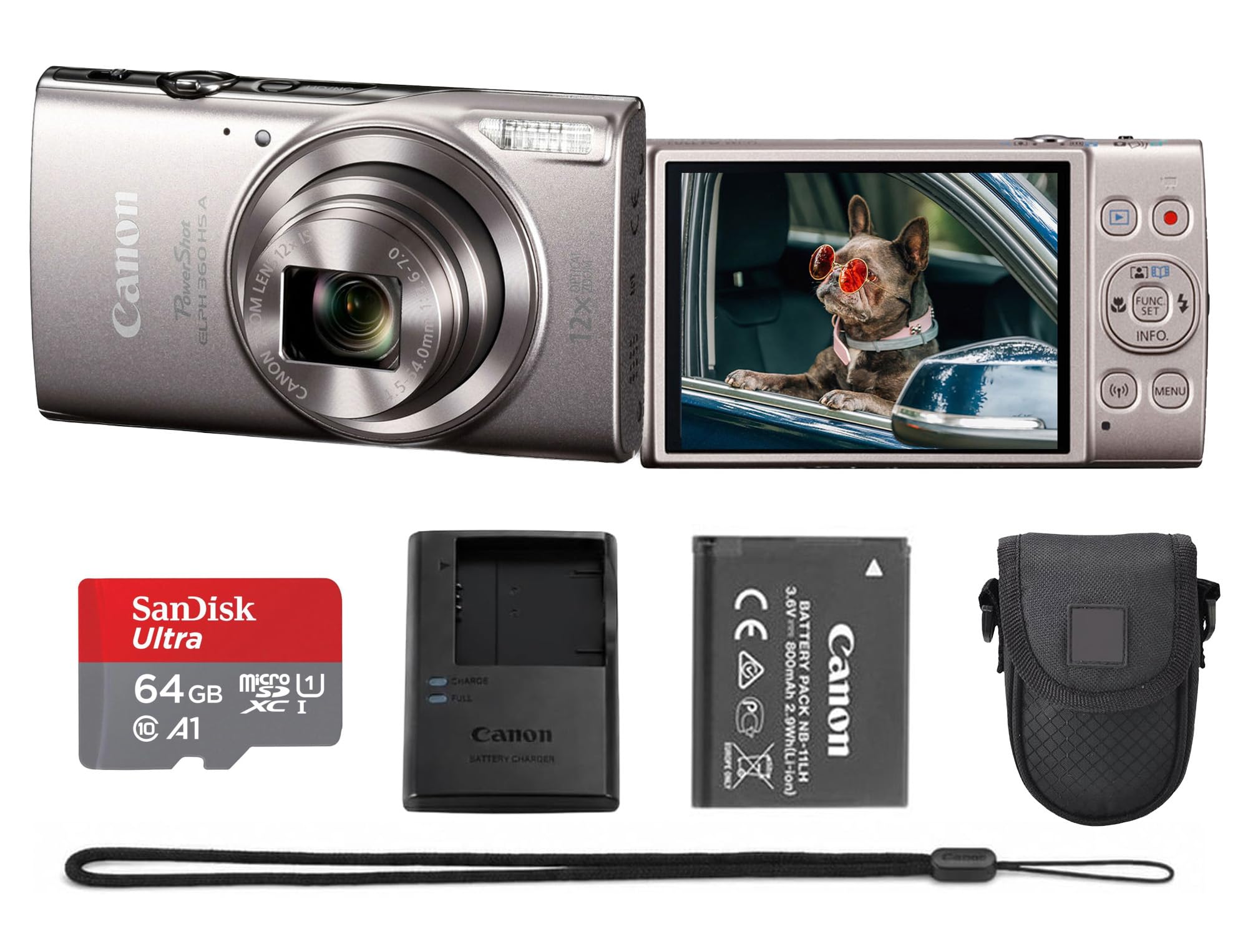



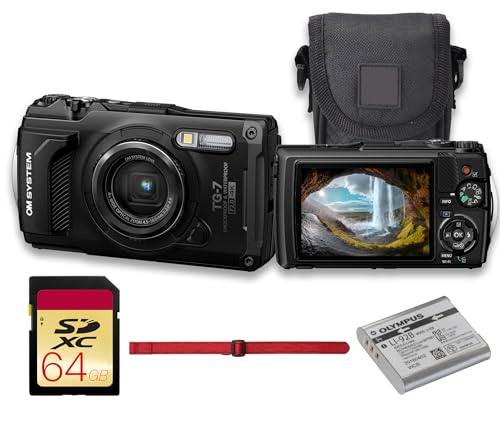

Who Should Buy Which Cameras for Study Abroad?
Start with the routine you will repeat most weeks, not the rare trip you hope to take once. The group closest to your life points you to the right type and budget.
Students Who Record Daily Life and Weekend Trips
You want a camera that lives in your day bag and comes out fast at markets, festivals and dorm dinners. Choose a compact camera with a 1 inch sensor, a versatile zoom lens and reliable autofocus, because small size means you will actually carry it. If this is your first dedicated camera, see our guide to the best starter cameras for simple models that stay easy to use.
Photography Students and Serious Hobbyists Abroad
Your course may require manual exposure, raw files and lenses you can change as assignments grow. Choose a mirrorless camera with an APS C or full frame sensor, a bright kit lens and a viewfinder for bright days outdoors. This setup costs more and takes more bag space, so it suits students who plan shoots on purpose. For models built around still images, see our guide to the best cameras for photography.
Students Who Vlog, Present and Create Video Abroad
You record campus tours, language practice and class presentations. Choose a camera with a screen that flips toward you, steady autofocus that follows your face and a microphone input for clear speech in busy streets. A compact body matters here too, because filming in public feels easier when your gear draws little attention.
Key Features to Compare
Compare the factors below in this order, and let your routine rank them. Together they decide whether the best cameras for study abroad feel like a daily tool or a burden left in your room.
Size and Weight for Daily Carry Abroad
A camera only helps if it leaves the dorm with you. Compact cameras often weigh about 8 to 14 ounces, while a mirrorless body and kit lens often weigh about 1 to 2 pounds. Add a padded case and the total still has to fit beside books, water and a jacket. Choose the smaller option if you walk or ride transit all day, and the larger one only when its lenses earn that space every week.
Sensor Size and Clean Photos After Dark
Sensor size shapes detail, color and how clean your photos look after dark. A 1 inch sensor is a clear step up from a phone and keeps the camera small. APS C sensors gather more light and pair with changeable lenses, while full frame sensors give the most control at the highest cost and weight. Megapixels matter less, because a modest count on a larger sensor usually produces cleaner files.
Low Light Performance for Evening Life Abroad
Much of student life happens after dark, at dinners, concerts and old town walks under warm street light. A lens with a wide maximum aperture, such as f1.8 to f2.8, lets in more light than a slow kit zoom. A useful ISO range and stabilization also help at slower shutter speeds. If your social life is mostly at night, rank this factor above extra zoom reach.
Lens Choice, Optical Zoom and Autofocus
A fixed zoom lens on a compact camera covers wide group shots and distant details without extra gear, and optical zoom keeps quality that digital zoom crops away. On a mirrorless camera, one kit zoom handles most days, and a bright prime lens can join it later for portraits. Autofocus should lock onto faces quickly and track moving friends at events, because moments abroad rarely pause for a second try.
Video Capabilities for Vlogs and Coursework
4K video gives you room to crop a clip and still share a sharp result, and many students find 4K at 30 frames per second plenty for travel diaries. Look for a screen you can tilt while filming yourself, a microphone input if you record speech often and autofocus that stays calm instead of hunting. Short clips also protect battery and card space, so record with a purpose rather than rolling nonstop.
Battery Life, Charging and Sharing From Abroad
Outlets, voltages and spare time all change when you live in another country. A camera that charges over USB C works with the same power bank and adapter you carry for your phone, which simplifies travel days. Pack one spare battery anyway. WiFi or Bluetooth transfer lets you back up favorites to your phone each night, and a card reader speeds up uploads for class deadlines when dorm WiFi runs slow.
Choosing a Camera Type for a Semester Abroad
Compact cameras suit most students because they balance quality, size and price with nothing extra to pack. Mirrorless cameras suit students who want to learn photography deeply and accept a larger bag and a higher total cost once lenses are counted. Action cameras suit cyclists, skiers and swimmers who need a small, tough and weatherproof body, though their fixed wide view limits portraits and distant subjects.
Your travel pattern can confirm the choice. Students who take trains and budget flights most weekends feel every extra pound, so compare total kit weight before you buy. See our guide to the best digital cameras for the wider market and our guide to the best cameras for traveling abroad for trip focused picks. A semester abroad adds coursework and daily life to travel, so daily comfort comes first.
Common Mistakes to Avoid
Each mistake below costs money, image quality or photos you cannot take again.
- Buying the largest camera you can afford leaves it in your dorm on busy class days, so the best moments get missed.
- Spending your whole budget on the body leaves nothing for a memory card, a spare battery and a padded bag.
- Ignoring the weight of lenses and chargers makes a kit feel heavy after a month of walking.
- Waiting until you arrive to buy means learning menus in a second language and facing warranty terms you did not plan for.
- Carrying a camera loose in a tote invites screen scratches, lens marks and theft in crowded transit.
Setup and Care Tips for Cameras Abroad
Set the camera date and time to your host city on day one, so photos sort correctly beside phone pictures from home. Format your memory card in the camera before a big trip, copy files to a laptop or cloud folder each evening and keep one backup in a different bag. Register the serial number in a note stored online, which helps if you need to report a loss.
Wipe the lens with a lens cloth, not your shirt, because grit on fabric can scratch the coating. Carry a spare battery in your camera bag and store the camera in a dry, padded bag. After a rainy day, leave the bag open overnight so moisture escapes.
Frequently Asked Questions
What features matter most in a camera for a study abroad semester?
Portability, dependable autofocus and easy file transfer matter most for a study abroad semester. Those three decide whether you carry the camera, catch the moment and share it quickly. One point students often miss is service. Check whether the brand has an authorized service center in your host country, because shipping a camera home for repair can take weeks.
How much should a student spend on a first camera for study abroad?
Most students land between about $300 and $700 for a complete first kit. Compacts near the lower end cover daily life well, while mirrorless kits near the upper end add lens choices for course work. Keep about 15 percent of your budget outside the camera price for cards, a bag and a spare battery. A used kit from a reputable store can stretch that budget further.
Is a smartphone enough instead of a camera for study abroad?
A smartphone is enough if you only share daily moments online and your courses never require manual control. A dedicated camera earns its place when you want stronger zoom, cleaner evening photos or files you can print large. Battery is a deciding factor too, because shooting all day drains the same phone you need for maps, tickets and translations.
Which camera type handles low light best during study abroad trips?
A mirrorless camera with a large sensor and a bright lens handles low light best on study abroad trips. Technique still matters. Rest the camera on a table for still scenes, and step closer to a window or street lamp for portraits. Note that many museums and places of worship ban flash, so a camera that works well without flash protects you from missed shots.
Should I buy a camera for study abroad at home or after I arrive?
Buy at home a few weeks before departure in most cases. You gain time to learn the menus, test the battery and confirm that every charger works with your adapters. Prices abroad can also be higher once taxes and exchange rates are counted, and the included warranty may only apply in the country of purchase. Arriving with a camera you already trust removes one task from a busy first week.
Final Thoughts
Match the camera to your classes, your bag and your evenings, and the right type usually becomes clear. Use the product table above to compare size, sensor and price side by side. When you choose best cameras for study abroad with those three checks in mind, you buy gear that travels as easily as you do and comes home full of a semester worth keeping. Start simple, carry it daily and add a lens or accessory only when a real gap shows up in your photos.