
Best Cameras for Still Photography for 2026: A Price Tier Guide
Disclosure: We may earn a commission when you buy through links on this page, at no extra cost to you. As an Amazon Associate I earn from qualifying purchases. Learn more

Compare camera types, sensors, and spending levels for still photography, so you can put your money where it improves your pictures most before you buy.
Still photography rewards patience, good light, and a camera that gets out of your way. If you are shopping for best cameras for still photography, the market can feel wide, because prices run from modest to very generous and every maker promises better pictures. The comparison table below lays out the main types side by side, so you can match a camera to the way you actually shoot.
This guide looks at what each spending level buys, which features matter most for still images, and which extras you can safely skip. You will find a clear way to judge any camera you consider, from its sensor and lens options to its battery life and long term costs.



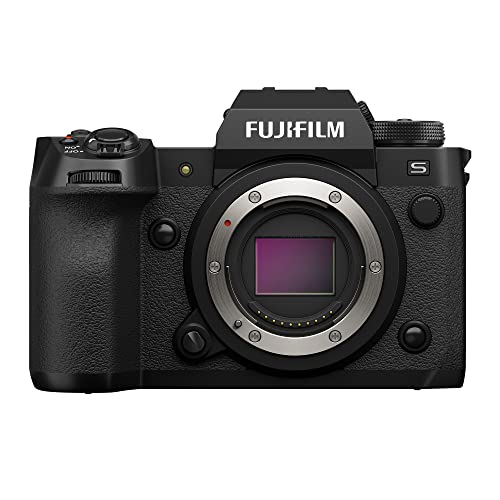

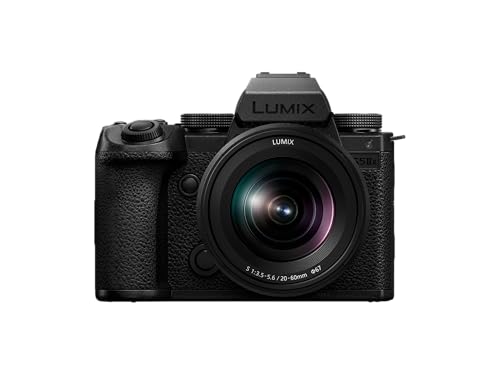

Spending Levels at a Glance
Thinking in spending levels helps you avoid two common traps: paying for video tools you will never use, and buying a body so limited that you outgrow it in a season. The three levels below describe what to expect, not a ranking of good and bad cameras. A lower budget camera can be the right choice for a careful beginner, while a higher budget camera suits someone who already knows which lenses they want.
A Sensible Starting Budget
At a starting budget of about $300 to $600, look for a camera with a decent sized sensor, a kit lens that covers everyday scenes, and simple controls that let you learn exposure step by step. Image quality at this level is strong in daylight and for prints at common sizes. You may give up some low light performance and faster burst shooting, but for portraits, landscapes, and family pictures, the results can be very satisfying. See our guide to best still cameras if you want a broader look at cameras built mainly for still images.
A Strong Middle Budget
A middle budget of about $600 to $1,200 usually buys a larger sensor, better low light results, and a wider choice of lenses. Controls tend to be more direct, with dials for aperture and shutter speed, which makes learning manual exposure easier. This level also brings better autofocus for moving subjects, such as children or pets, and stronger build quality for regular use. Many serious hobbyists stay happily at this level for years, spending later money on lenses rather than a new body.
A Generous Budget
A generous budget of about $1,200 to $2,500 opens up larger sensors, faster autofocus, and weather sealed bodies that handle rain and dust with more confidence. You also get deeper lens lineups and finer control over color and detail. This level makes sense if you print large, shoot often in dim rooms, or already own lenses you want to keep using. It is not required for good pictures, though, and a generous body paired with a weak lens will disappoint more than a middle budget body paired with a good lens.
What Your Money Gets You at Each Price Tier
Price tiers in cameras are less about one magic feature and more about a bundle of small gains. Sensor size, autofocus speed, viewfinder quality, and build all tend to improve together as you spend more. The trick is to match those gains to your subjects. A landscape shooter gains most from resolution and dynamic range, while a parent photographing children gains most from fast focus and a responsive shutter.
Lower Spending Level: What to Expect
Expect solid daylight image quality, a kit lens, and automatic modes that do most of the work. You may see slower autofocus in dim light and fewer physical controls, so changing settings takes more menu taps. Battery life is usually adequate for a day of casual shooting, and the body may be mostly plastic. That is fine for learning, and it keeps the total cost low while you discover which subjects you enjoy most.
Middle Spending Level: What Most Buyers Choose
Expect a noticeable step up in low light performance, focus speed, and handling. Dials and buttons put exposure controls at your fingertips, and the lens lineup grows to include portraits, wide landscapes, and close up options. Viewfinders are brighter and clearer, which helps you judge focus and composition. For most buyers, this tier offers the best balance of quality, control, and cost, and it leaves room in the budget for a second lens or a sturdy tripod.
Higher Spending Level: When Extra Spending Makes Sense
Expect the best low light results, the fastest focus tracking, and bodies built to survive heavy use. You also get more resolution for large prints and heavy cropping, plus advanced color controls that help in tricky light. Extra spending makes sense when you already shoot often and can name the limits of your current camera. If you cannot name those limits yet, a middle tier body plus a good lens usually gives you more visible improvement for the same money.
Features Worth Paying For (and Ones to Skip)
For still photography, some features change your pictures every day, while others sound exciting and rarely matter. The sections below sort the two groups so you can spend with confidence. Remember that the product table above summarizes the main types, and the details here help you read that table with a sharper eye.
Battery Life and Charging
Battery life matters more than many buyers expect, because a dead battery ends a shoot instantly. Look for a rating of at least a few hundred shots per charge, and check whether the camera charges over USB C, which makes topping up from a portable charger easy. A spare battery is a cheap and wise addition, especially for travel or cold weather, where batteries drain faster. Skip cameras that rely on unusual battery sizes that are hard to find when you travel.
Sensor Size and Image Quality
Sensor size shapes low light performance, depth of field, and how much you can crop. Larger sensors, such as APS C and full frame, generally handle dim rooms and evening light with less noise than smaller sensors. Megapixels are not everything, though: a moderate resolution sensor with good lenses often beats a very high resolution sensor paired with a weak kit lens. For most still photography, a sensor in the middle of the range plus a sharp lens is the sweet spot. See our guide to best cameras for photography for a wider comparison of sensor choices across camera types.
Features That Matter for Still Photography
Still photography needs strong still specific tools: accurate autofocus that locks onto eyes and faces, a mechanical shutter that freezes motion cleanly, and enough dynamic range to hold detail in bright skies and dark shadows. In body stabilization helps when you shoot handheld in low light or with longer lenses. A good viewfinder, optical or electronic, helps you compose in bright sun when a rear screen washes out. Film style shooting has its own charm, and if that appeals to you, our guide to best film photography cameras explains the tradeoffs of film against digital for still work.
Video Capabilities
Video features are worth paying for only if you plan to record video regularly. For still photography, 4K video, log profiles, and microphone inputs add cost and complexity without improving your still images. A flip screen can still be useful for still work, since it helps with low angle shots and self portraits, but you do not need advanced video codecs to take great photos. If video is a side interest rather than a main goal, treat it as a bonus and judge the camera on its still performance first.
Ease of Use for Your Skill Level
A camera you enjoy using will take more pictures than a camera you dread carrying. Beginners benefit from clear automatic modes, a guided menu, and easy transfer to a phone for sharing. More experienced shooters benefit from direct dials, customizable buttons, and a menu system that stays out of the way. Try to handle a camera before you buy, if you can, and notice the grip, weight, and button layout. If you are just starting out, our guide to best beginning photography cameras covers beginner friendly controls in more detail.
Picking the Right Cameras for Different Uses
Different still subjects reward different camera designs. A camera built for travel values small size and light weight, while a camera built for portraits values a large sensor and fast portrait lenses. The two groups below cover common still photography paths and the criteria that matter most for each.
Mirrorless Cameras for Still Photography
Mirrorless designs use an electronic viewfinder and a shorter lens mount, which keeps bodies compact while offering a wide lens lineup. For still photography, judge a mirrorless camera on sensor size, autofocus accuracy for eyes and faces, and the lenses available at prices you can accept. Electronic viewfinders also preview exposure before you shoot, which helps beginners learn how aperture and shutter speed change a picture. Money spent here goes mainly toward sensor performance, focus speed, and lens quality.
Compact Cameras for Still Photography
Fixed lens compacts suit travel and everyday carrying, because they slip into a coat pocket and start quickly. For still photography, judge a compact on sensor size, lens aperture and zoom range, battery life, and how easily you can change exposure settings. Larger sensors and brighter lenses cost more but handle dim rooms better, while very long zoom ranges often trade away low light quality. Money spent here goes mainly toward portability and simplicity, which matter most if you shoot on the move and want a camera that is always with you.
Long Term Costs to Factor In
The camera body is only the first cost. Lenses, memory cards, spare batteries, a bag, and a tripod add up, and lenses often outlast several camera bodies. Budget for at least one extra lens that matches your favorite subject, plus a fast memory card and a spare battery. Check warranty terms and repair options before you buy, since a camera is a long term tool. If you are new to buying cameras, our guide to best cameras for starter photography can help you plan a first kit without overspending on accessories you may never use.
Cameras: Your Questions Answered
What features matter most in cameras for still photography?
Sensor size, autofocus accuracy, and lens quality matter most for still photography. A larger sensor handles low light with less noise, accurate focus keeps eyes sharp, and a good lens delivers detail across the frame. Battery life and handling matter next, because a camera that is comfortable and ready to shoot gets used more often. Video specs, by contrast, rarely change still image quality, so judge a still camera on its still tools first. Buyers searching for best cameras for still work should weigh lens choices as heavily as the body.
Is a smartphone enough instead?
A smartphone is enough for casual snapshots, social sharing, and small prints, and it is always in your pocket. A dedicated camera pulls ahead when you want large prints, strong low light results, or lenses for portraits, wildlife, or landscapes. It also gives you direct control over aperture, shutter speed, and focus in a way phones only partly match. If you enjoy the craft of photography and want room to grow, a dedicated camera is worth the extra size and cost.
Which is better for low light?
A larger sensor with a fast lens is better for low light, because it gathers more light and produces less noise at higher sensitivities. A lens with a wide maximum aperture, such as around f1.8 or f2.8, helps even more than a small sensor upgrade. Stabilization also helps for still subjects, since it lets you use slower shutter speeds handheld. For moving subjects in dim rooms, though, a fast lens and accurate autofocus matter more than stabilization alone.
What specs matter most for beginners?
Beginners should focus on sensor size, ease of use, and the kit lens, since those shape everyday results most. A clear automatic mode, a comfortable grip, and simple transfer to a phone help you shoot more and learn faster. Resolution beyond a moderate level matters less than good light and a sharp lens. As a rule, a beginner camera that feels good in your hands and is easy to carry will teach you more than a complex camera that stays at home.
How much should I spend on my first one?
Most first time buyers do well at about $300 to $800 for a body with a kit lens, leaving room for a spare battery and a memory card. That range buys solid image quality and room to learn without a painful loss if your interests change. Spending more makes sense if you already know you want large prints or frequent low light shooting. Whatever you spend, put the largest share toward the lens and sensor, not toward video extras you may never use.
Our Verdict
The best value in still photography comes from matching sensor, lens, and handling to your subjects, then spending the rest on lenses and practice. Start with a clear budget, favor low light performance and focus accuracy over video extras, and keep some money aside for a spare battery and a second lens. When you are ready to compare specific types side by side, revisit the product table above and shortlist cameras that fit your budget and your favorite subjects. With that shortlist in hand, best cameras for still photography becomes a practical choice, not a guessing game.


