Best Cameras for Star Photography of 2026: Complete Buying Guide
Disclosure: We may earn a commission when you buy through links on this page, at no extra cost to you. As an Amazon Associate I earn from qualifying purchases. Learn more

Compare the best cameras for star photography by sensor size, lens speed, high ISO range and budget, with clear guidance for dark sky shooting success.
Stars are faint, and a camera that feels fine at noon can fall apart at midnight. Grain swallows detail, focus drifts, and a battery dies just as the Milky Way core rises. Choosing the best cameras for star photography means judging low light behavior first, not headline megapixels.
This guide compares sensor sizes, lens speeds, and body types by the kind of night shooting you plan to do. Use the comparison table below to shortlist a budget range, then read the feature sections to match a body and lens pairing to your skies, your tripod, and your patience level.
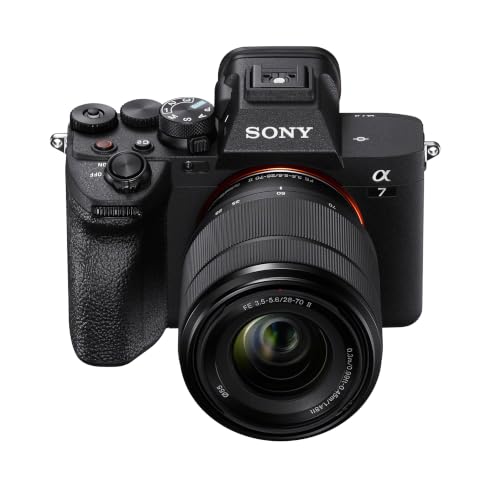
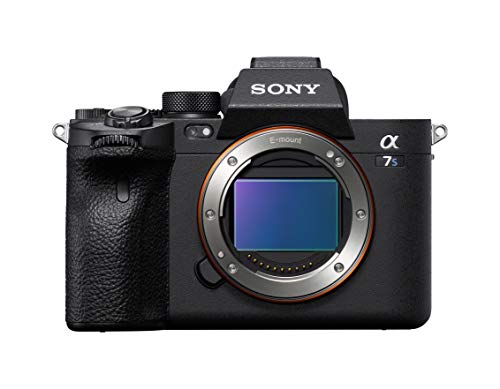


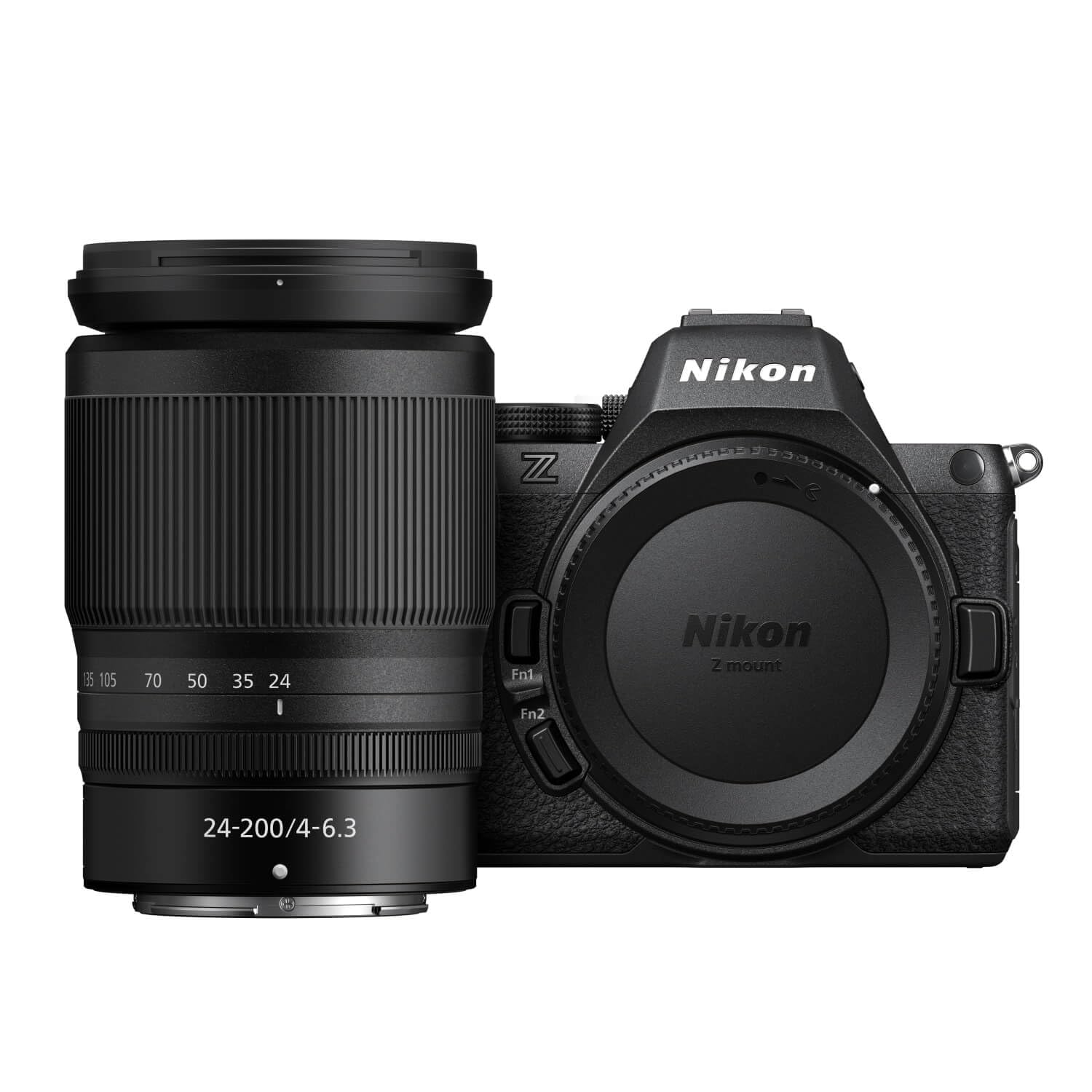

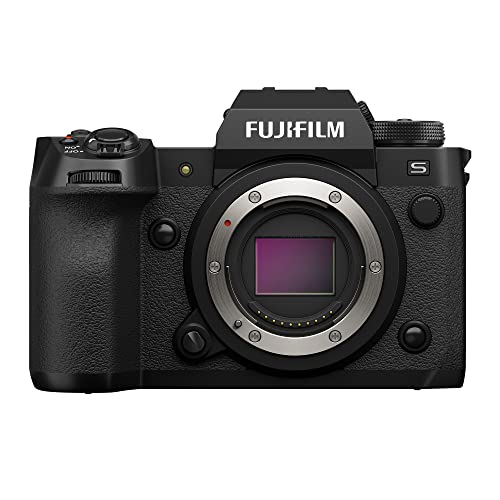
Who Should Buy Which Camera for Night Skies?
Milky Way Landscape Shooters
You hike to a dark overlook, compose once, and shoot long sequences of the sky over a ridge, a lake, or a barn. Your priority is clean files at high ISO settings and a fast wide lens, because one strong frame matters more than fast bursts. A full frame or APS C body with good manual focus aids suits you best. Budget about $900 to $2,500 for body and lens together. If your targets are constellations rather than landscapes, see our guide to the best cameras for stars.
Deep Sky Beginners Using a Tracker
You mount the camera on a small star tracker and aim at nebulae and galaxies for minutes at a time. For you, sensor noise during long exposures and easy interval control matter more than autofocus speed. A mirrorless body with a bright screen and simple cable release support keeps sessions calm. Plan on about $700 to $1,800 before the tracker itself. Readers still learning exposure basics can also see our guide to the best beginning photography cameras.
Travelers Who Shoot Stars on Trips
You want night sky photos from desert parks and mountain towns without packing a dedicated astro kit. Weight and simplicity rule, so a compact body or a smaller mirrorless setup with one fast prime lens earns its space in your bag. Most travelers land around $500 to $1,200.
How to Choose: Key Features to Compare
The strongest best cameras for star photography setups share one trait: they hold detail when light nearly vanishes. Compare the six factors below in order, because a weakness in the first two can cancel out strengths everywhere else.
Sensor Size and Noise at High ISO
Larger sensors gather more light per pixel, so full frame bodies usually show less grain at ISO 3200 and ISO 6400 than smaller sensors at the same settings. APS C bodies sit in the middle, giving clean results one stop earlier, while 1 inch compacts struggle sooner. Megapixels matter less than pixel size here.
Lens Speed and Focal Length
The lens decides how much starlight reaches the sensor in a short exposure. An aperture of f/2.8 or faster keeps shutter times short enough that stars stay points instead of trails. Focal lengths from about 14 mm to 24 mm on full frame bodies fit sweeping Milky Way scenes, while 35 mm suits tighter sky and ground pairings. Renting or borrowing one fast prime often improves results more than upgrading the body.
Manual Controls and Focus Aids
Autofocus gives up in the dark, so you will focus by hand on a bright star. Magnified live view, focus peaking, and a smooth lens focus ring turn that task from guessing into a short routine. Full manual exposure control is non negotiable, and a bulb mode or built in interval timer helps with tracked and stacked sequences. Check that screen brightness can dim low enough to protect your night vision.
Battery Life and Interval Shooting
Cold nights drain batteries faster, and long sessions of back to back exposures add up quickly. Look for bodies rated for several hundred shots per charge and carry at least one spare kept warm in a pocket. An intervalometer, built in or external, lets the camera run a full sequence while you step back.
Weather Sealing and Dew Resistance
Night gear sits outside for hours while dew forms on every surface. Sealed bodies and lenses resist the moisture that fogs dials and creeps into buttons, and they shrug off light frost better than unsealed kits. A simple dew heater strip for the lens matters as much as body sealing on humid nights.
Size, Weight, and Tripod Load
Every night kit rides on a tripod, and the tripod must hold the total load still in a breeze. A heavy body on a light tripod vibrates, and soft star images follow no matter how good the sensor is. Add the lens, tracker, and counterweights to your load estimate, not just the camera.
Types of Cameras for Star Work
Mirrorless Cameras
Mirrorless bodies lead this category because magnified live view makes manual focus at night genuinely easy. Sensor options run from compact travel sizes to full frame, and short flange designs adapt many older manual lenses. Heat during long video work matters less for stills, but check long exposure noise in sample files. Most beginners and serious hobbyists should start their search here, then compare broader options in our guide to the best cameras for photography.
DSLR Cameras
DSLRs remain capable night tools, with long battery life and a huge supply of affordable used lenses with hard infinity stops. Their optical viewfinders are useless for focusing on stars, so you will compose and focus on the rear screen instead. If you already own DSLR lenses, a matching body can be the cheapest route to dark skies.
Compact Cameras
Premium compacts with 1 inch sensors and fast zoom or prime lenses can capture bright Milky Way scenes from dark sites. They limit you to the built in lens, and smaller sensors show more noise, but the whole kit fits in a jacket pocket. Manual exposure and raw file support are the two features that separate usable models from toys.
Dedicated Astronomy Cameras
Cooled astronomy cameras attach to telescopes or trackers and record very faint deep sky targets with extremely low noise. They need a computer to run, offer no screen or standalone controls, and produce files that demand processing skill. For wide night landscapes, they are the wrong tool, so treat them as a second step rather than a first camera.
Common Mistakes to Avoid
- Judging a camera by megapixels alone, because pixel size and sensor size decide night noise far more than the headline count.
- Pairing a strong body with a slow kit zoom, because an f/4 to f/5.6 lens forces exposures long enough to trail the stars.
- Trusting autofocus at night, because it hunts in the dark and quietly leaves a whole sequence slightly soft.
- Skipping raw files, because night images need white balance and noise work that compressed files resist.
- Buying the body first and the tripod last, because a weak tripod ruins more star photos than any sensor flaw.
Care and Maintenance Tips
- Clean the front element with a blower and a lens cloth, because gritty dew residue scratches coatings when it is wiped dry.
- Let cold gear warm up inside a sealed bag before entering a warm room, because that keeps condensation off inner elements.
- Store bodies and lenses in a dry padded case with silica gel packs, and swap the packs when they saturate.
- Carry spare batteries in an inside pocket on cold nights, because warmth preserves the charge you paid for.
- Update camera firmware when makers release it, because updates sometimes improve long exposure handling and interval features.
- Never look at the sun through an optical viewfinder, and never leave a lens pointed at the sun uncovered, because focused sunlight can damage both eyes and sensors.
Star Photography Questions Answered
What aperture lens do star photography cameras need?
A lens at f/2.8 or faster is the practical target for most night sky work. At f/2.8, a full frame body can shoot around 15 to 20 seconds at ISO 3200 and hold round stars with a wide lens. Faster glass at f/1.8 or f/2 buys shorter exposures or lower ISO settings, which means cleaner files. Slower lenses still work on trackers, where longer exposures replace lens speed.
How much should a first star photography camera cost?
A sensible first setup costs about $600 to $1,200 in total, including the lens. That range buys a capable used or entry level mirrorless body plus one fast wide prime, which matters more than a new body with a slow kit zoom. Reserve part of the budget for a sturdy tripod, because stability is part of the camera system at night. Spending beyond that range mostly buys cleaner high ISO files.
Can a smartphone replace a camera for star photography?
A smartphone can record bright constellations and a hint of the Milky Way, but it cannot match a dedicated camera. Small sensors and fixed lenses limit long exposure control, and processing often smears faint stars into the background. Phones shine for planning, scouting compositions, and quick shares from dark sites. If you want printable night landscapes, a camera with manual controls and raw files remains the right purchase.
What tripod do star photography cameras require?
Star photography cameras require a tripod that stays rigid with the legs partly retracted and no center column raised. Look for a rated load well above your body and lens weight, plus a ball head that locks without sagging during long exposures. Hanging a bag from the center hook adds steadiness in light wind. Carbon fiber legs damp vibration faster, while aluminum legs cost less and handle cold without complaint.
Why do star photos from a new camera look grainy?
Grain usually comes from underexposure rather than a faulty camera. When a night file is brightened later, noise in the shadows rises with it, so expose as brightly as the highlights allow during the shot. Warm nights, long exposures, and high ISO settings each add their own noise as well. Shooting several frames and stacking them in software averages random noise down, which is why many night shooters capture sequences instead of single frames.
Final Thoughts
Sensor behavior at high ISO, a fast wide lens, and a tripod that refuses to wobble decide nearly every night result. Match the body type to your style, whether that is tracked deep sky work, landscape scenes, or travel shooting, and spend on the lens before the badge. The product table above collects current options worth comparing. Choose the best cameras for star photography for the skies you actually visit, and your first dark night out will teach you the rest.