Best Cameras for Sports Photos: Matching the Right Camera to Your Routine in 2026
Disclosure: We may earn a commission when you buy through links on this page, at no extra cost to you. As an Amazon Associate I earn from qualifying purchases. Learn more

Match the best cameras for sports photos to your routine, from bright field days to dim gym nights, with reach, focus tracking, and burst depth explained.
There is no single camera that suits every Saturday. A parent filming a morning soccer match in bright sun needs a different kit from the volunteer covering evening basketball in a dim school gym. The honest place to start with best cameras for sports photos is not a spec sheet but your routine: where you stand, how far the action runs from you, and how much light the venue gives you. Get those three answers first and the right camera class usually picks itself.
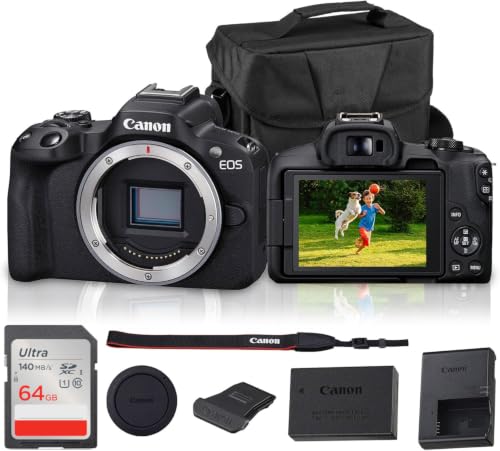
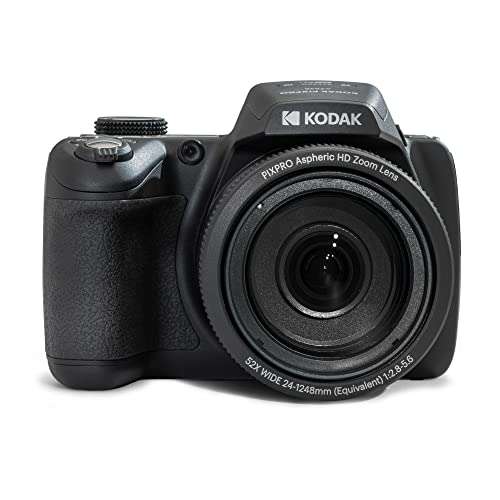
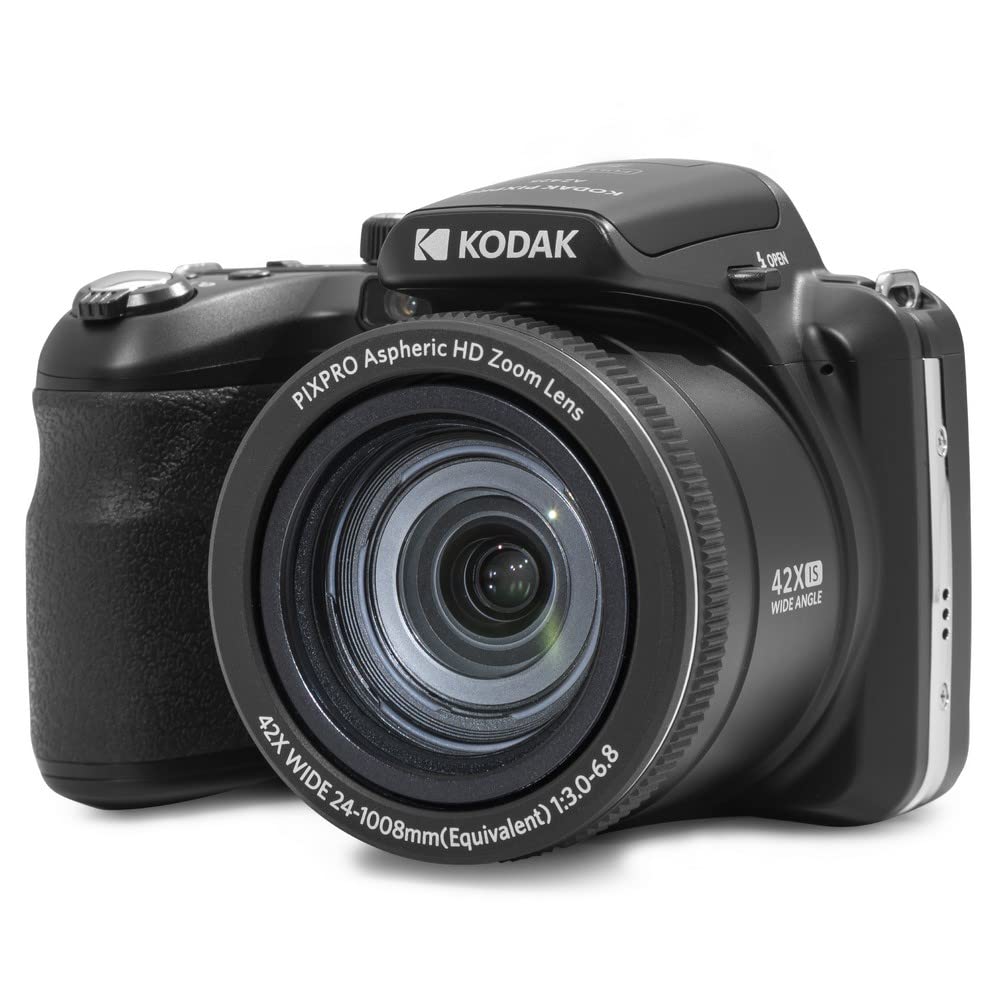
This guide sorts the choice by routine, then shows how to split the budget, which features actually decide sharp action shots, and which printed numbers deserve a shrug. The comparison table below gathers the main classes side by side, so you can match each one against the games you really shoot before spending anything.



Start With Your Routine, Not the Spec Sheet
Almost every model in the wider best digital cameras market can record a still scene well. Sports add motion, distance, and weak light all at once, and each routine below stresses a different one of those three. Read the routine that sounds like your season, because its priority order is the one your budget should follow.
School Field Days in Bright Daylight
Soccer, football, and baseball put you behind a fence or on a touchline, often 20 to 40 yards from the play. Distance is the whole problem here, and daylight forgives almost everything else. A long zoom class, whether a bridge camera with a built in telephoto or an interchangeable lens body with a telephoto zoom, covers that ground without costing club level money. Instant prints are fun at the team party, but the best instant photo cameras use short fixed lenses with no burst mode, so they sit outside the classes in this guide.
Gym Evenings Under Weak Lights
Basketball and volleyball bring you close to the action, sometimes only a few yards away, but the light is poor and often flickers. Reach stops mattering and light gathering takes over. Bigger sensors and wider aperture lenses earn their price here, because they hold shutter speeds fast enough to freeze a jump shot at sensitivity settings a small sensor cannot match cleanly. If your season lives indoors, weight your budget toward the sensor and the lens aperture, not toward zoom range you will rarely use.
Track Meets and Field Events
Track days mix everything: sprinters crossing a finish line 30 yards away, a long jumper landing in a pit you can stand beside, hours of waiting between short bursts of action. Predictable paths are your friend, since you can prefocus on a lane or a landing zone and let the athlete come to your focus point. Burst depth matters more than headline burst speed here, because the money moment is one stride in a long sequence, and a camera that slows down mid sequence can miss it.
Split the Budget in This Order: Lens, Body, Then the Small Stuff
Sideline distance decides the lens budget more than the body does. A modest body behind a lens that actually reaches the far touchline will outshoot an expensive body stuck with a short kit lens every single weekend. So fund the reach first: a telephoto class that covers your longest regular distance, then the body whose tracking and buffer serve that lens, then the accessories. Readers who want the wider body by body view can also see our guide to best sports cameras, which sorts body classes across every price tier.
The small stuff is not optional, and it belongs in the true price from the start. A second battery is a full match of shooting, not a luxury, and fast memory cards decide whether your burst runs at full depth or chokes after a second. As a rough frame, plan on about $300 to $900 for the telephoto lens class, about $400 to $1,200 for the body class, and about $60 to $120 for the spare battery and two fast cards. A setup priced only by its body sticker is a setup priced wrong.
Features That Decide Sharp Action Shots
The short list below is what separates a sports body from a general camera, and it matches the priorities used in our guide to best cameras for sports photography. A general stills model from the best photo cameras shelf can shoot a posed team portrait beautifully, but posed portraits never test tracking, buffer depth, or high sensitivity noise the way a live game does.
Focus Tracking That Holds a Moving Player
Continuous autofocus with subject detection is the feature that earns its keep first. Modern systems can lock onto a runner and hold focus while the distance closes or opens, which frees you to frame instead of hunting. Zone focus areas suit team sports, where the subject moves inside a region, while a single point suits predictable paths like a sprint lane. Judge tracking by how it behaves in your light, not by the detection list on the box, because dim gyms slow every system down.
Burst Depth, Not Just Burst Speed
Frames per second is the headline, but the buffer behind it is the truth. A camera rated at a fast burst that stalls after one second of shooting is weaker at a finish line than a slower camera that keeps going for four. Maker burst and tracking figures are best case class figures, measured in ideal light with the fastest card and a full battery, and they are not comparable across brands. Treat them as a rough class label, then check the buffer size and the card speed the rating assumes.
Sensor Size and the Gym Light Problem
Sensor classes run from 1 inch compacts through APS C to full frame, and each step up gathers more light and holds detail at higher sensitivity settings. Megapixels are not the story for sports; a moderate pixel count on a larger sensor beats a huge count on a small one once the light drops. Outdoors in daylight, the smaller classes are genuinely capable and much lighter to carry. Indoors, the larger classes stop being a luxury and start being the difference between frozen motion and blur.
Size, Weight, and Grip Over a Long Afternoon
A telephoto setup gets heavy by the second half, and tired arms shake, which costs sharpness no setting can repay. A deeper grip, a body that balances a long lens instead of tipping forward, and a strap or monopod point all matter more over three hours than they do in a two minute store hold. If your routine is a full tournament day, try the body and lens class together in your hands and imagine the last game, not the first.
Common Mistakes to Avoid
- Buying reach through megapixels and cropping later, which throws away the detail the crop was meant to save.
- Spending the whole budget on the body and leaving nothing for a lens that reaches your field.
- Trusting the headline burst rate without checking how deep the buffer runs behind it.
- Taking a slow kit lens to a night game and blaming the camera for the blur.
- Arriving with one battery and one slow card, then missing the final quarter entirely.
Care and Maintenance for a Sideline Camera
Fields are dusty and gyms are humid, so build small habits. Wipe the front element with a lens cloth, never your shirt, because grit in fabric scratches coatings. Carry the kit in a dry, padded bag and let a cold camera warm up inside the bag before opening it indoors, which keeps condensation off the glass. In winter, keep the spare battery in an inside pocket, since cold cells drain faster, and check the sensor for dust spots after a windy day on an open field.
Frequently Asked Questions
How far from the action can a sports camera realistically cover?
Distance coverage depends on the lens class far more than the body. A common telephoto zoom class covers youth and school fields well from the touchline, roughly the length of half a soccer field with cropping room to spare. Beyond that, plays shrink in the frame and fine detail fades no matter the sensor. The practical fix is positioning: stand near the end the team attacks in the second half, and let the action come to your lens.
Does weather sealing matter for outdoor sports photos?
Weather sealing matters if your season includes rain, dust, or cold sideline spray. Sealed bodies and lenses shrug off drizzle and field dust that would send an unsealed kit into the bag, but sealing is resistance, not waterproofing, and it only works when the lens is sealed too. A cheap rain cover closes most of the gap for occasional wet games. Check that your memory card door and battery door close fully, since those openings are where water actually enters.
How many memory cards should I carry to a full day tournament?
Carry at least two fast cards for a full tournament day, and three if you shoot long bursts at several games. Card speed matters as much as capacity, because a slow card shrinks your burst depth even when space remains. Swap cards between games rather than filling one giant card, so a single failure cannot take the whole day with it. Keep the spares in a hard case in an inside pocket, not loose in the camera bag.
Can a bridge camera with a long zoom work for youth sports?
Yes, a bridge camera with a long optical zoom is a sound youth sports choice in daylight. Its small sensor delivers enormous reach at a modest price, and the fixed lens means no lens budget and no dust on the sensor. The limits show up indoors, where the small sensor struggles in gym light, and in tracking speed, which trails interchangeable lens bodies. For outdoor school sports on a budget, those trade offs are usually worth accepting.
What shutter speed freezes a player mid stride?
A shutter speed around 1/1000 of a second freezes most running and jumping motion for school and club sports. Slower speeds near 1/500 can hold a jogger but blur hands, feet, and the ball, while very fast action close to the camera may want 1/1600 or faster. If your shots blur at 1/1000, the problem is usually focus or camera shake rather than speed. Raise the speed first, then open the aperture, and accept higher sensitivity as the last step.
The Bottom Line
Match the camera to the routine and the rest gets simple. Field sports buy reach first, gym sports buy light gathering first, and track days buy burst depth and patience. Whatever your routine, the best cameras for sports photos are the ones whose lens reaches your distance, whose tracking holds your subject, and whose true price included the spare battery and fast cards from the start. Check the product table above against your own season, and let your longest regular distance, not a headline number, make the final call.