
Best Cameras for Solo Travelers in 2026: A Clear Buying Guide for First Time Buyers
Disclosure: We may earn a commission when you buy through links on this page, at no extra cost to you. As an Amazon Associate I earn from qualifying purchases. Learn more

Shopping for the best cameras for solo travelers for the first time? Learn the terms, compare options, and avoid rookie mistakes with this easy guide.
Traveling alone changes what a camera needs to do. No partner holds the bag, frames your portrait, or waits while you adjust settings. The best cameras for solo travelers are light to carry all day, quick to set up alone, and simple enough that you can focus on the place itself. This guide starts with the basic terms, then covers the features that matter most, so you can use the comparison table below with confidence.
Think about your usual solo day first. You might walk city streets with one small bag, hike to a viewpoint, or record short clips at a market. Each pattern favors a different size, lens range, and screen style.

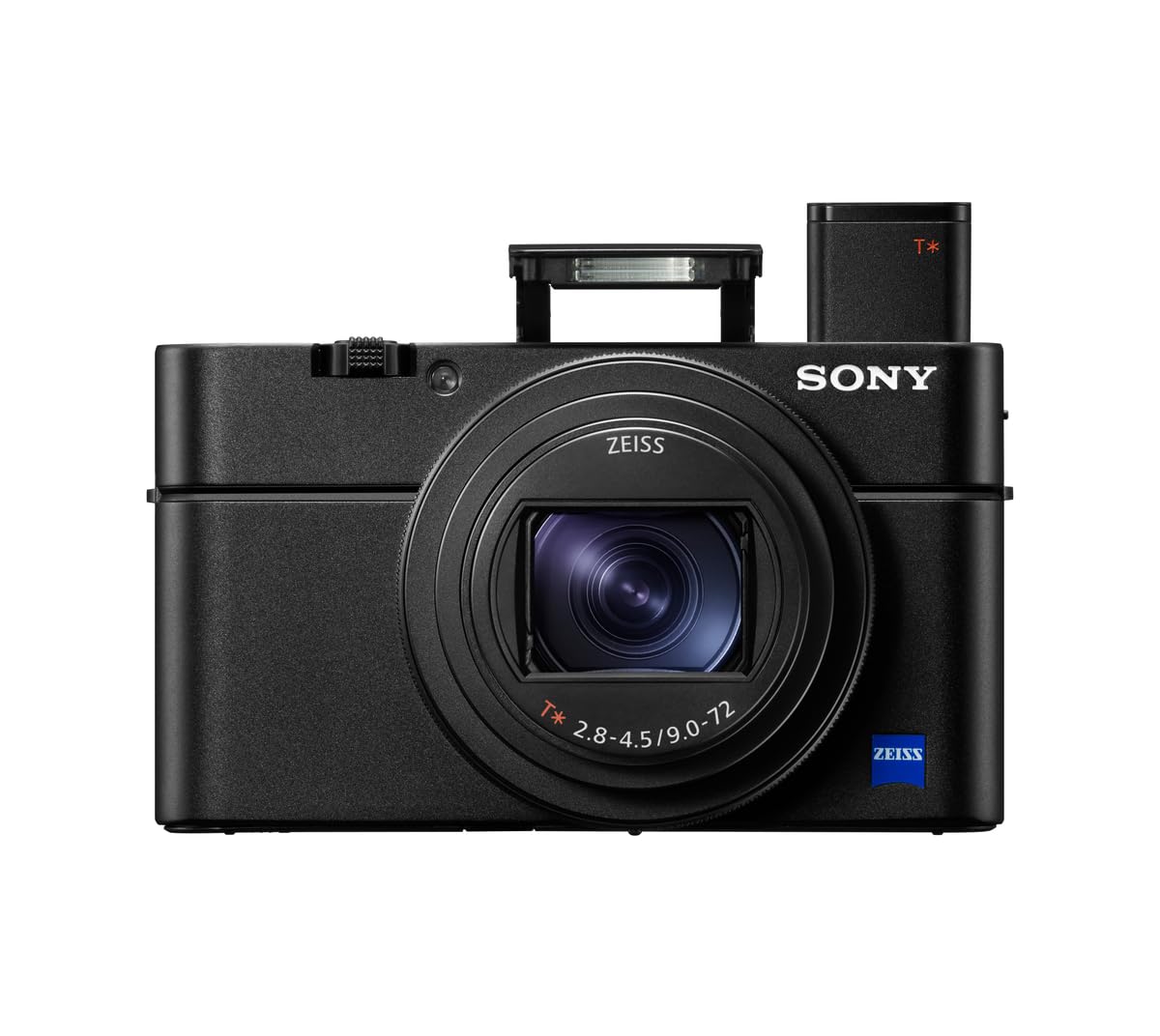

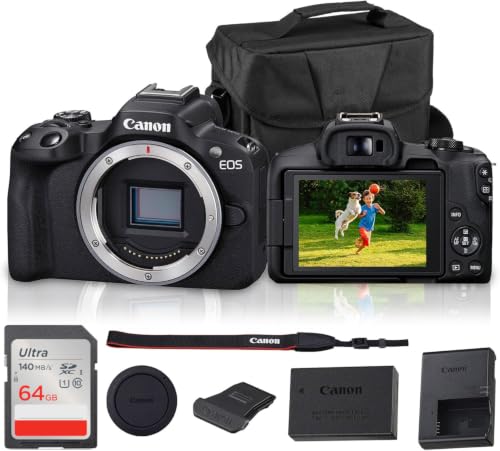


Who Should Buy Which Camera for Solo Travel?
Start with the trip you repeat most often. A camera that suits a city break can feel wrong on a mountain trail.
City Walkers Who Travel Light
You move on foot and carry everything in one bag all day. Choose a compact camera or a small mirrorless body with a short lens, plus a strap worn across your body. A quiet shutter and quick startup matter here, because you want to take a photo and move on.
Solo Hikers and Landscape Travelers
You may wait alone at a viewpoint in wind, drizzle, or cold light, with no one to share the load. Choose weather sealing, a grip you can hold with gloves, and a lens that covers wide scenes. A tripod thread, a reliable self timer, and good battery life in cold air matter more than a large screen.
Travelers Who Record Themselves on the Road
You record while you walk, talk to the camera in a rented room, and review clips alone at night. Choose a screen that turns to face you, a microphone input, and steady video when you move. You also need controls you can reach while the camera points at you.
Cameras 101: The Basics for a First Solo Camera
A camera turns light into a photo through a lens and a sensor. The lens decides how much of a scene fits in the frame, and the sensor records the image. Bigger sensors handle dim light with less grain, while smaller sensors allow lighter cameras. If you are comparing broad categories, see our guide to the best digital cameras.
Three types cover most solo trips. A fixed lens compact is the simplest and lightest choice. Mirrorless cameras take interchangeable lenses, so they grow with your skills but add weight. Action cameras are tiny and tough, though their very wide view limits portraits.
Key Features to Compare
Compare the factors below in this order. Size comes first, because the finest camera helps nothing if you leave it in your room.
Size, Weight, and Carrying a Camera Alone
No one shares the load on a solo trip, so total kit weight matters more than body weight alone. A compact camera may weigh about 8 to 12 ounces, while a mirrorless body with one lens often totals about 1.5 to 2.5 pounds before the bag. Weather sealing helps in rain and dust, and a strap worn across the body keeps the camera secure while both hands stay free for tickets and railings.
Sensor Size for Dawn Walks and Dim Streets
Sensor size shapes how clean your photos look in dim light. A 1 inch sensor is a strong step up from a phone and still allows a small camera. An APS C sensor gathers more light and suits dawn walks, while a full frame sensor gives the cleanest files at the cost of size and price. Megapixels matter less than many buyers expect, because about 20 to 24 megapixels is plenty for large prints. For more background, see our guide to the best cameras for photography.
Autofocus, Stabilization, and Framing Yourself
When you travel alone, the camera must focus on you without help. Look for face and eye detection autofocus that holds focus while you move, and test it at arm length and several steps away. In body image stabilization, lens stabilization, or both will steady handheld shots in dim light and smooth walking clips. A screen that flips forward, a self timer, and remote control through a phone app let you check your position in the scene before you shoot.
Lens Reach for Streets, Buildings and Portraits
The lens decides what you can frame from where you stand. Optical zoom uses real glass to move closer, so detail stays sharp, while digital zoom only enlarges the middle of the image. A range near 24 to 70 mm in full frame terms covers wide streets, buildings, and portraits for most solo trips. Aperture is written as an f number, and a smaller number such as f/2.8 lets in more light. One versatile zoom beats several lenses you must swap alone in wind or dust.
Video, Sound, and Staying Powered
If you record your trip, 4K video gives crisp clips and room to crop later, though it fills cards and drains batteries faster. A microphone input improves your voice outdoors, because a built in microphone picks up wind noise. WiFi transfer helps you back up files each night. Favor cameras that charge through a USB C port from your power bank, and pack one spare battery.
These points explain why the best cameras for solo travelers are rarely the largest models on the shelf. The right balance is a camera you can carry, power, and operate alone daily.
Set Up at Home Before Your First Trip
Set the camera up at home, not on your first morning away. Charge the battery fully, fit the strap, insert the memory card, and format the card in the camera. Set the date and turn on face detection. If this is your first dedicated camera, see our guide to the best starter cameras.
Then practice the solo tasks. Prop the camera on a table, use the self timer and the phone app, and check where to stand to stay in frame. Take a few photos in dim room light and review them at full size. Pack a lens cloth, and wipe the lens with the cloth, not your shirt, because shirt fabric can hold grit.
Common Mistakes to Avoid
New buyers traveling alone repeat the same few errors.
- Buying the largest sensor you can afford leaves you with a kit so heavy that it stays in your room.
- Skipping a flip screen or remote control makes solo portraits rushed guesswork with the timer running down.
- Carrying no spare battery ends your shooting at the best light of the day.
- Trusting digital zoom figures instead of optical zoom leaves distant subjects soft and grainy at home.
- Setting up a camera on an uneven ledge to photograph yourself risks a fall that ends the camera.
Care and Maintenance for Travel Cameras
Keep the lens clean and the camera dry. Use a small blower to move grit before you wipe the front glass with a lens cloth, because dragging dry grit across glass can mark it. Keep the lens cap on in your bag.
After a wet day, leave the camera out of its bag overnight in a dry room so moisture can escape. When you move from cold air into a warm room, keep the camera inside your closed bag so condensation forms on the bag, not inside the lens. Check the strap for wear before each trip. For guidance for new owners, see our guide to the best cameras for novices.
Cameras for Solo Travelers: Your Questions Answered
What features matter most in cameras for solo travelers?
Light weight, reliable autofocus, and an easy way to frame yourself matter most in cameras for solo travelers. Add a self timer or phone remote and charging from a power bank. One test many buyers skip is the grip test. Hold the camera in one hand and change a setting, because your other hand often holds a phone, a ticket, or a railing.
How can a solo traveler take sharp photos of themselves without help?
A solo traveler can take sharp self portraits by using face detection focus, a phone app preview, and a short burst of shots. Place the camera on a table, a wall, or a small tripod at about chest height, then step into your spot and let the burst cover small shifts in your stance. Face the main light, because faces turned away from it often fool the focus system.
How much should a first time solo traveler spend on a camera?
A first time solo traveler should expect to spend about $300 to $700 for a capable compact or an entry mirrorless kit. Keep roughly a fifth of your budget aside for a spare battery, fast memory cards, a strap, and a padded bag. Spending more mainly buys cleaner dim light photos, which helps only if you will carry the added weight gladly.
Is a smartphone enough instead of a dedicated camera for solo travel?
A smartphone is enough for solo travel if your photos live on social feeds and you travel with almost no spare room. A dedicated camera earns its space when you want real optical zoom, cleaner photos after dark, or controls that work with gloves. One point in the phone favor is sharing. A phone lets you send your location and latest photo to family in seconds.
Which camera type is better for low light on solo travel?
A mirrorless camera with an APS C or full frame sensor is better for low light on solo travel than a small compact or action camera. The larger sensor records cleaner detail at high sensitivity settings, and a lens with a small f number adds to that gain. When light drops further, rest the camera on a wall and let the timer take the shot, because a still camera often beats a handheld one.
Final Thoughts
Match the camera to your solo pattern first. City walkers should favor small size and speed, hikers should favor weather sealing and battery life, and creators should favor a screen that faces them and clean sound. Use the product table above to check weight, zoom range, and price against your shortlist.
Chosen that way, the best cameras for solo travelers stop being a spec contest and become a companion you actually carry. Start simple and practice the solo tasks at home.
