Best Cameras for Social Media Videos: A Checklist for 2026
Disclosure: We may earn a commission when you buy through links on this page, at no extra cost to you. As an Amazon Associate I earn from qualifying purchases. Learn more

Run this checklist before buying the best cameras for social media videos: format, transfer speed, audio, autofocus, stabilization, and price bands explained.
Feeds move fast, and the camera that slows you down loses to the phone already in your pocket. Choosing among the best cameras for social media videos is mostly a workflow decision: how the format fits the frame, how a clip reaches your phone, and how the sound holds up in a noisy room. This checklist walks through the points that matter before you spend anything.
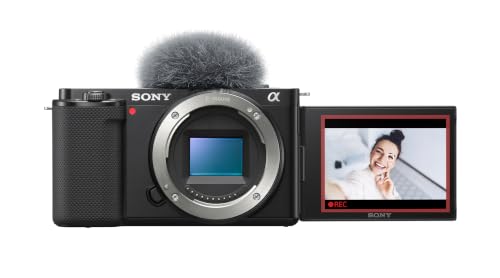
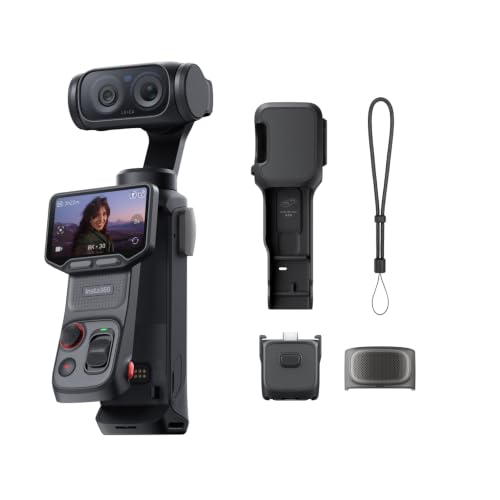
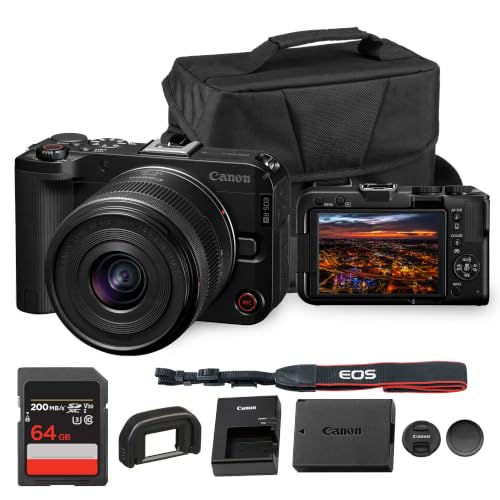
Work through each section in order and mark what your posting habits truly need. The comparison table below lines the main camera classes up side by side so the trade offs are easy to see before you commit.


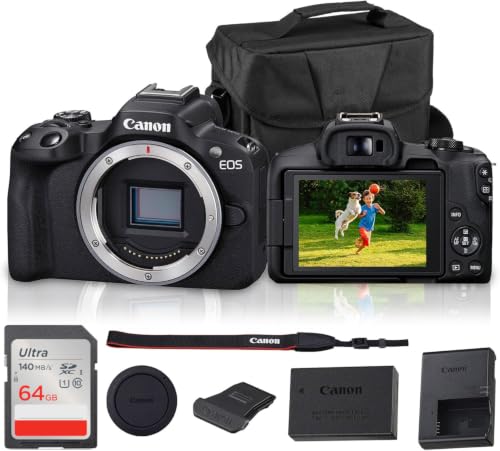


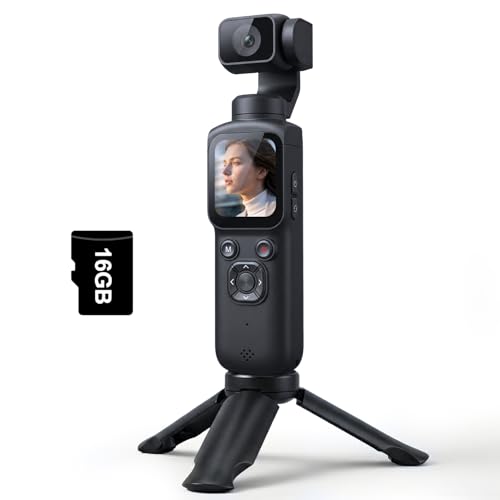

Key Features to Compare
Format First: Vertical, Square, and Wide
Social video classes split by format before anything else. Vertical clips fill phone screens, square clips suit mixed feeds, and wide clips serve long form platforms and television screens. Decide your main format before the sensor class, because framing for vertical after the fact throws away much of the frame and softens what remains.
Cameras that show vertical guide lines, record with extra frame room, or mark safe areas make the format choice painless. If you post the same clip in three shapes, leave headroom on every side when you shoot.
Transfer Speed: From Camera to Phone
The transfer class is the daily class. A camera that fights your phone loses to it, because clips that take twenty minutes to move are clips you never post. Look for fast wireless transfer with a simple app, background sending while you keep shooting, and a cable option for large files.
Judge the app by a full card of clips, not one photo. Our guide to the best digital cameras for social media compares how the main classes handle this daily hand off.
Audio: Half of the Video
Viewers forgive soft footage sooner than bad sound, so treat audio as half of the video class. A microphone input lets you add a small external microphone for voices in kitchens, streets, and echoing halls. Headphone monitoring, wind covers, and clear level meters matter as much as the sensor does.
Built in microphones vary widely, so plan the audio path before the body. The broader guide to the best cameras for video explains microphone and monitoring classes in more depth.
Autofocus That Tracks Faces and Eyes
Social clips are usually one person, close to the camera, moving while they talk. Focus systems that find and hold faces and eyes keep those clips usable without a camera operator. Check how focus behaves when the subject turns sideways, wears glasses, or steps partly out of frame to grab a prop.
Touch focus on the screen should feel instant, and the camera should return to the face once the view clears. Weak tracking means reshoots, and reshoots quietly kill a posting habit.
Sensor Size and Honest Low Light
Larger sensors gather more light, so indoor clips stay cleaner after dark and in dim rooms. A one inch sensor suits most creators, APS C adds cleaner shadows and softer backgrounds, and full frame adds cost and size for a gain that many feeds compress away. Judge low light by the sensitivity range you will actually use, not the highest number printed on the box. If stills matter as much as clips, the guide to the best social media cameras covers the hybrid classes that split the difference.
Stabilization and the Screen You Work With
Handheld clips shake, and shake reads as careless on a small screen. In body stabilization smooths walking shots, while lens stabilization helps at longer focal lengths. A screen that flips to face you is close to mandatory for solo work, since you cannot frame what you cannot see.
Check that the screen stays readable in bright daylight and that recording continues while it faces forward. Battery swaps should take seconds, because a dead camera in the middle of an idea is a lost post.
What Each Price Band Gets You
Prices below are rough street ranges for fixed lens classes and for body with starter lens kits. Across all three bands, the best cameras for social media videos separate themselves on transfer speed and audio, not on resolution. The product table above shows the current options in each band.
Starter Band for Tight Budgets
Fixed lens compacts and entry classes live at about $200 to $300. Expect clean daylight clips, simple auto modes, and a limited low light range. This band suits a first posting habit: learn framing, sound, and editing before spending more. Spend the savings on a small microphone and a spare battery, which improve your clips more than a pricier body would at this stage.
The Working Middle Band
At about $400 to $800 you get the class most creators keep for years: one inch or APS C sensors, flip screens, microphone inputs, and reliable face tracking. Stabilization becomes genuinely useful and transfer apps grow up. For talking clips, product clips, and travel posts, this band covers nearly every format without drama. Teams shooting ads and campaign stories can compare the best cameras for social media marketing for classes built around that work.
Top Band: When the Extras Pay Off
Spending about $900 to $1,800 brings full frame sensors, the strongest tracking, and the cleanest low light clips. You also pay in weight, lens prices, and file sizes that slow the trip to your phone. Choose this band when video is income, when you shoot in dark venues often, or when one body must cover client work and your own channels. Otherwise the middle band leaves budget for lights and lenses that show on screen.
Quick Buyer Checklist
- Does the camera frame your main format without heavy cropping?
- Can you move a finished clip to your phone in under a minute?
- Is there a microphone input and a way to monitor sound?
- Does autofocus hold a face while the subject moves and turns?
- Does the screen flip so you can frame yourself while recording?
- Will the battery last a full shooting session, with a spare ready?
- Does the whole kit fit the bag you already carry every day?
Red Flags to Watch For
- Big resolution numbers paired with no stabilization and no microphone input.
- A fixed screen on a camera marketed to solo creators.
- Transfer that requires a computer before the phone can see the clips.
- No stated battery rating in minutes of recording anywhere in the specs.
- Kits padded with filters and bags instead of a useful second battery.
Tips to Get the Most From Your Camera
Use a lens cloth, not your shirt, since grit caught in fabric scratches coatings. Carry a spare battery and a spare card, and format cards in the camera only after each transfer is confirmed. Store the kit in a dry, padded bag away from steamy bathrooms. Update the camera software when the maker releases focus or transfer fixes, since those updates often improve the daily workflow more than any accessory.
Social Media Video Cameras: Questions Answered
What features matter most in cameras for social media videos?
Format fit, transfer speed, and audio matter most, ahead of sensor size. One point buyers miss: leave empty space in the frame for captions, stickers, and buttons that the platform adds later. A clip framed too tightly leaves nowhere for text to sit. Compose with that margin in mind and your footage survives every crop the feed applies.
Do social media cameras need 4K recording?
No, 4K is optional for most feeds, which compress everything you upload. Its real value is crop room: a 4K frame lets you reframe a wide shot into a vertical clip without going soft. The trade off is storage and transfer time, since 4K files are roughly four times the size. If you post daily and edit on your phone, clean 1080p with fast transfer often serves you better.
Which camera class handles low light best for social media videos?
Full frame classes handle low light best, followed by APS C, then one inch sensors. Before upgrading the body, though, add a small light panel and place it close to your face. A modest light often improves a dim room more than a larger sensor does, and it costs far less. Sensor size decides what is possible after dark, but lighting decides what viewers actually see.
How much should a first social media video camera cost?
Most first buyers do well between about $300 and $600 for the camera itself. Hold back roughly a third of your total budget for the microphone, a small light, and a simple tripod, since those pieces lift clip quality more than a step up in body price. Buying the camera alone and skipping audio gear is the most common budget mistake new creators make.
Is a smartphone enough for social media videos?
Yes, a current smartphone is enough for many creators, and it wins on speed every time. A dedicated camera earns its place when you need real zoom reach, cleaner low light, better audio inputs, or long recording sessions without draining your phone. Creators planning series and themed posts can also compare the best cameras for social media content before deciding which route fits their plans.
Final Thoughts
Start with format, transfer, and sound, and the rest of the choice gets simple. The best cameras for social media videos are the ones you will carry, charge, and post from every day, not the ones with the longest spec sheet. Match the band to your posting rhythm, keep the product table above open while you compare, and spend what remains on light and audio.