
Best Cameras for Social Media: Budget, Spending Levels, and Smart Choices for 2026
Disclosure: We may earn a commission when you buy through links on this page, at no extra cost to you. As an Amazon Associate I earn from qualifying purchases. Learn more

Learn how to choose the best cameras for social media by budget, sensor size, autofocus, stabilization and audio, so your posts look sharp on any platform.
Shopping for best cameras for social media can feel confusing because prices run from pocket money levels to several thousand dollars, and every listing claims to be made for creators. The truth is simpler. A good social camera is one that fits the way you shoot, the places you shoot, and the platforms where your work will be seen. The comparison table below can help you sort the broad options before you read the detail.
Social posts are usually watched on small screens, often with sound off at first, and often in bright or mixed light. That means reliable focus, steady video, clean color, and easy transfer matter more than a long spec sheet. This guide compares spending levels, explains which features are worth paying for, and flags the ones you can skip. Use it to match your budget to your real shooting habits, not to a stranger's setup.

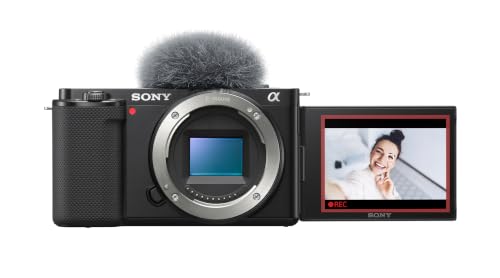
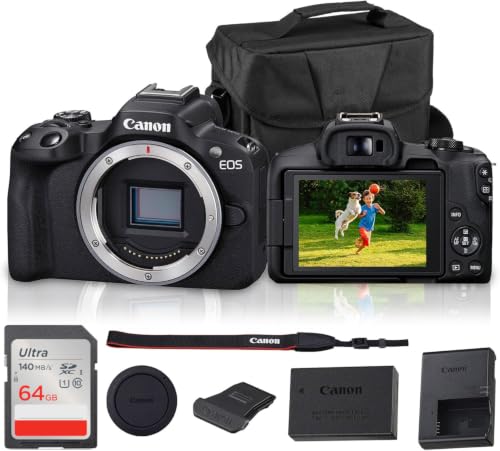


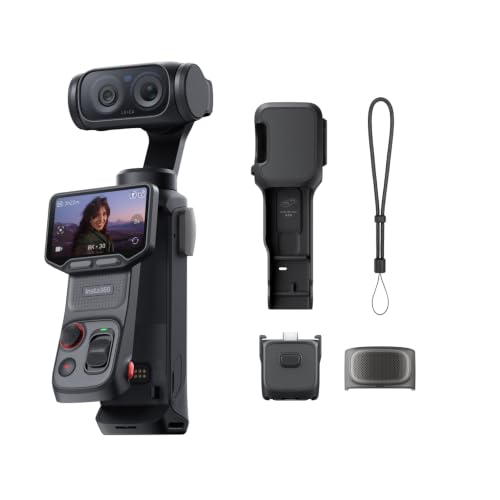


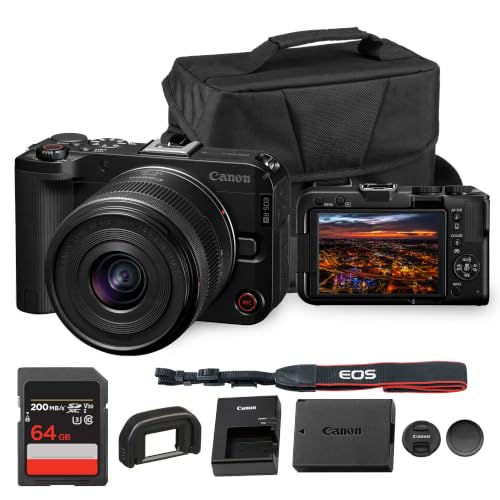
Spending Levels for Social Media Cameras
Price alone does not tell you how good a camera will be for social posts. A lower cost camera with fast focus and simple controls can beat a costly camera that is slow to set up or hard to carry. Think in terms of what each level usually adds, then decide which additions you will actually use every week. The levels below describe typical patterns, not fixed rules, and prices vary by type, features, and included accessories.
Lower Cost Options
Lower cost cameras usually offer solid daylight photos, simple automatic modes, and video that looks fine on a phone screen. Expect smaller sensors, more basic stabilization, and fewer controls for manual exposure or external audio. They suit new creators, casual posters, and anyone who wants a dedicated camera without a large commitment. Check battery life, memory card support, and how quickly files move to your phone, since those daily details matter more than a headline resolution number.
Middle Cost Options
Middle cost cameras often add larger sensors, better low light results, faster and more reliable focus on faces and eyes, and stronger video features such as smoother stabilization and higher frame rates. Many also add a flip screen, a microphone input, and better weather sealing. This level suits regular posters who shoot in varied light, record talking clips, and want room to grow without learning a complex professional system. Compare the lens range, the weight with a lens attached, and the cost of spare batteries and cards before you decide.
Higher Cost Options
Higher cost cameras tend to offer the largest sensors, the most flexible video settings, the best focus tracking, and the most durable bodies. They can help in dim rooms, fast action, and mixed lighting, and they often pair with a wider range of lenses. They are best for creators who post daily, earn income from content, or need consistent results in demanding conditions. They are not required for good social posts, and they can slow you down if the size, menus, or file sizes do not fit your workflow.
Features Worth Paying For and Ones to Skip
Social media rewards speed, consistency, and clarity. A feature is worth paying for when it removes a problem you meet often, such as blurry faces, shaky clips, or muddy sound. A feature is easy to skip when it only helps in rare situations or when your platform compresses the result so much that viewers will never see the difference. Use the factors below to judge each option against your own shooting routine.
Sensor Size and Image Quality
Sensor size affects how much light a camera gathers and how clean the image stays as light falls. Larger sensors, such as APS C and full frame types, usually handle dim rooms and evening streets better than very small sensors, and they give more control over background blur. A 1 inch sensor can be a useful middle ground in a compact body. Megapixel count alone is a weak guide, since a high count on a small sensor does not guarantee clean color, good dynamic range, or sharp detail after compression.
Features That Matter for Social Media
For social posting, look for dependable face and eye focus, quick startup, a screen you can see in sunlight, and simple transfer to a phone or computer. Vertical video support, clean audio input, and a sensible file size help you publish without long editing sessions. Touch controls and clear menus save time when you shoot alone.
If you often film yourself, a flip screen and a reliable self timer or remote option are practical advantages, not luxuries. See our guide to best digital cameras for social media when you want to compare general purpose options side by side with social focused designs.
Low Light Performance
Low light performance depends on sensor size, lens aperture, stabilization, and how the camera handles high ISO settings. A lens with a wide maximum aperture lets in more light and can keep shutter speeds fast enough to avoid blur. Stabilization helps with still subjects, but it cannot freeze a moving person, so focus speed still matters.
Test how the camera behaves in a dim room rather than trusting a single ISO number. Grain, color shift, and lost detail tell you more than a marketing claim about night shooting.
Durability and Weather Sealing
Durability matters if you shoot outdoors, near water, or on the move. Weather sealing can protect against light rain and dust, but it does not make a camera waterproof, and seals need clean mounts and closed doors to work. A sturdy grip, a protected screen, and a secure strap mount reduce drops and bumps.
For beach, pool, or boat shooting, check the maker guidance on water exposure and use a proper housing when the maker requires one. A tough body is worth paying for when your shooting is rough, and less important for careful indoor use.
Lens and Zoom Range
Lens choice shapes framing more than body choice in many cases. A wide to short telephoto zoom covers rooms, streets, food, and portraits without lens changes. A longer zoom helps for events, wildlife, and distant subjects, but it adds weight and needs steadier handling.
Optical zoom keeps detail, while heavy digital zoom crops the image and can soften results. Check the minimum focus distance for close subjects. For camera lenses, focal length, aperture, and focus speed are the useful numbers.
Best Cameras for Specific Needs
Social media is a broad label, so narrow your choice by your main format. A camera that excels at still photos may be awkward for talking videos, and a video focused camera may be more than you need for still posts. The two uses below show how small differences in controls, audio, and screen design change the best fit.
Best Cameras for Social Media and Vlogging: Where Your Money Goes
Vlogging rewards a flip screen, reliable continuous focus on your face, clear audio, and stabilization that smooths walking shots. A microphone input lets you add a small external microphone for cleaner voice in wind or street noise. Weight matters too, since you may hold the camera for long takes. A compact body with a wide lens and simple exposure controls often beats a larger setup that tires your arm and complicates framing.
Best Cameras for Social Media and Posting
Posting still photos and short clips rewards fast shooting, pleasing color straight from the camera, and quick transfer. Look for responsive controls, a good automatic mode, and picture styles you like without heavy editing. Battery life and card capacity matter when you shoot through a day out. A camera that is easy to carry will be used more often than a powerful camera left at home, so size and weight deserve real weight in your decision.
Mistakes That Waste Money on Social Media Cameras
Many buyers overspend on resolution while ignoring focus, audio, and handling. Others buy a large lens collection before learning which focal length they use most. Another common mistake is choosing a camera for rare trips instead of daily posting, which leads to a heavy kit that stays in a bag.
Skipping a spare battery, a fast card, and a simple cleaning kit can also spoil a shoot. Finally, ignoring maker electrical safety guidance, such as using only approved chargers and batteries and keeping vents and ports clear, can shorten the life of any camera. Follow the maker manual for charging, storage, and cleaning.
Long Term Costs to Factor In
The body price is only part of ownership cost. Add spare batteries, memory cards, a bag, a strap, lens cleaning supplies, and possibly a microphone, tripod, or extra lens. Larger sensors and more demanding video formats can mean larger cards and more storage on your computer or in cloud space.
Check warranty terms, repair options, and the cost of lens caps, filters, and replacement batteries before you commit. A middle cost camera with affordable accessories can cost less over two years than a cheaper body with costly extras, so compare the full kit, not just the headline price. See our guide to best digital cameras if you want a broader view of general camera costs and accessory needs.
Cameras: Your Questions Answered
What features matter most in cameras for social media?
Reliable face and eye focus, steady video, clean audio, and fast transfer matter most for social posting. These features decide whether a clip is usable without rescue work in editing. Sensor size and lens quality come next, since they shape low light results and background blur.
Resolution matters less than most buyers expect, because platforms compress uploads. A final point is handling: a camera you enjoy carrying and operating will produce more posts than a complex camera you avoid.
How much should I spend on my first social media camera?
Spend at the level where focus, stabilization, and audio meet your main format, and no higher until you know your habits. New posters often do well around $200 to $500 for a compact or entry level setup, while regular creators may find better value around $500 to $1,200. Daily creators and professionals may need more, but only when low light, tracking, or lens choice clearly limits current work. Leave room in your budget for a spare battery, a fast card, and basic audio support.
Is a smartphone enough instead of a social media camera?
A modern smartphone is enough for many social posts, especially in good light and for quick clips. It offers instant editing, instant upload, and computational help with exposure and stabilization. A dedicated camera earns its place when you need optical zoom, better low light results, cleaner audio inputs, longer shooting sessions, or more control over depth of field. If your phone already covers your formats, spend on lighting, audio, and a tripod before buying a separate camera.
Which camera setup is better for low light posts?
Larger sensors with wide aperture lenses usually give the cleanest low light results, since they gather more light and need less aggressive noise reduction. Stabilization helps with still subjects, while faster focus helps with people in motion. A small sensor camera with a bright lens can still do well for casual evening posts.
Avoid judging low light ability from a single sample image. Look for consistent results across dim rooms, street light, and mixed indoor lighting, and check how skin tones and colors hold up as light falls.
What specs matter most for beginner creators?
Beginners should focus on sensor size, focus reliability, stabilization, battery life, and ease of transfer. These specs shape daily results more than advanced video formats or extreme resolution. A clear automatic mode, a flip screen, and simple menus reduce missed shots while you learn.
Lens range matters too: a flexible zoom covers more situations than a single narrow prime lens. A final beginner friendly point is weight, since a light camera encourages practice, travel, and spontaneous shooting.
Final Thoughts
Choose by format first, then by focus, stabilization, audio, and handling, and let budget follow those needs. A lower cost camera can serve casual posting well, a middle cost camera suits regular creators, and a higher cost camera earns its price only when demanding light, motion, or lens needs call for it. Review the product table above once more, compare the full kit cost, and pick the camera you will actually carry and use. That practical fit is what makes best cameras for social media a useful purchase rather than an expensive shelf item.
