
Best Cameras for Social Photography for 2026: The Buyer Checklist We Use
Disclosure: We may earn a commission when you buy through links on this page, at no extra cost to you. As an Amazon Associate I earn from qualifying purchases. Learn more

Compare cameras for social photography with a clear checklist on sensors, autofocus, fast phone sharing, video, battery life and low light results.
Social posts reward speed as much as image quality, because a great photo that sits on a memory card rarely gets shared. The best cameras for social photography pair clean images with fast transfer to your phone, simple controls, and reliable focus in ordinary indoor light. This guide gives you a buyer checklist so you can match each feature to the way you actually post.
Start with how often you publish and how much gear you will carry daily. Then work through the comparison table below and note which features solve your bottlenecks, such as slow uploads, missed focus, or grainy evening shots.
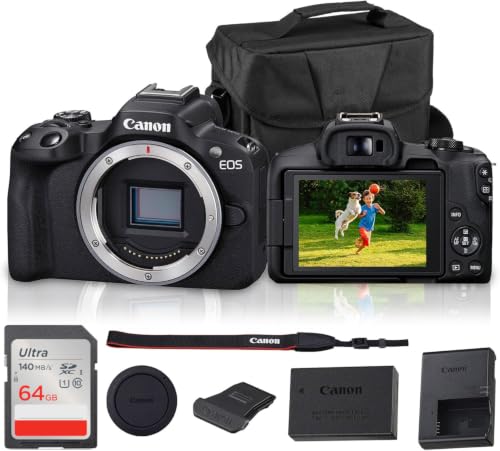

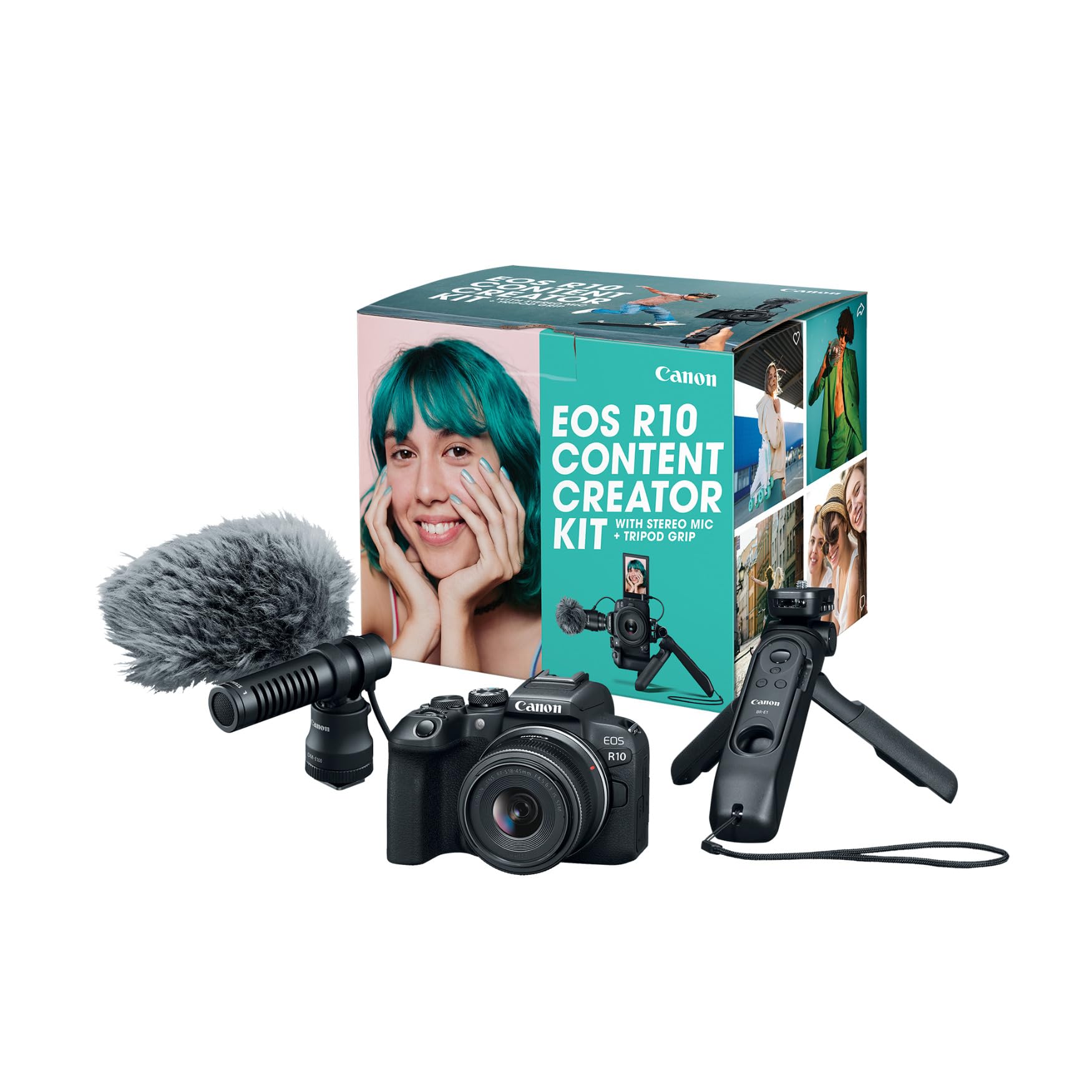


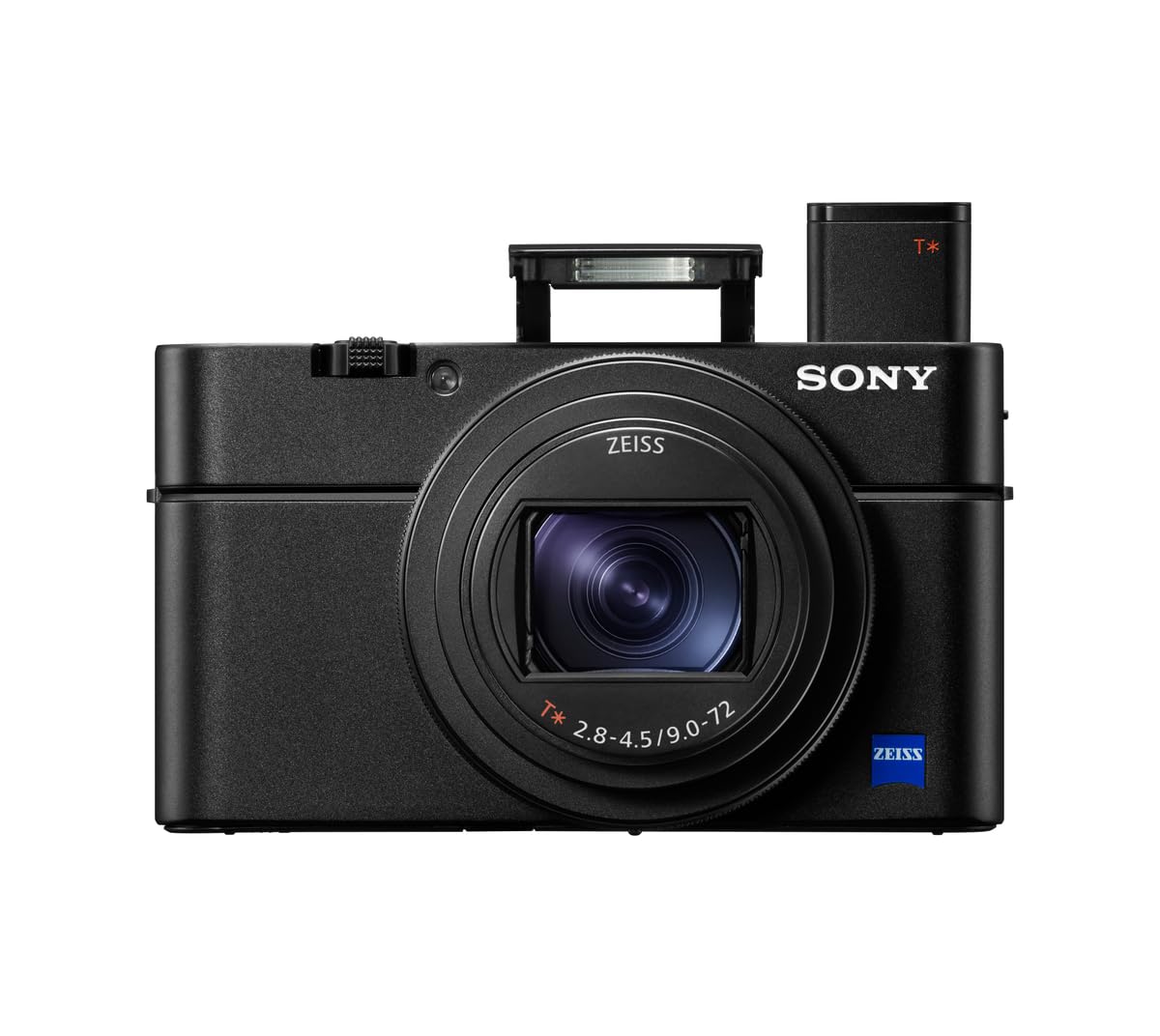


Who Should Buy a Camera for Social Photography
Everyday Creators Who Post Daily Life and Travel
You shoot friends, meals, street scenes, and short trips, and you want posts that look better than phone shots without a heavy bag. Prioritize a compact body, dependable auto modes, and quick WiFi transfer. If you also record clips, see our guide to the best digital cameras for a wider view of formats.
Small Business Owners Who Shoot Their Own Products and Spaces
Cafes, salons, shops, and rental hosts post product shots, interiors, and staff portraits on a weekly rhythm. You need accurate color, a lens that handles close details and wider room views, and fast transfer for same day posting. A quiet shutter helps you work during opening hours without disturbing customers.
Event and Community Photographers Who Share Galleries Fast
You cover meetups, school events, sports days, and local celebrations, then share albums the same day. Fast burst shooting, strong subject tracking, and generous storage matter more for you than small size. Battery stamina across a full event will decide whether your gallery goes out that night.
Key Features to Compare
Sensor Size and Image Quality for Social Crops
Sensor size shapes how much detail you keep when you crop a shot into square or vertical formats for feeds. A 1 inch sensor in a compact body already improves depth and low light results over most phones, while APS C and full frame sensors give you more freedom to crop. Megapixels alone tell you little, since around 20 to 26 megapixels is plenty for social use and keeps files quick to transfer and edit.
Focus for People Who Laugh, Turn and Walk
Social photos are full of people who laugh, turn, and walk toward you, so autofocus speed and accuracy matter more than studio specs. Look for eye detection that locks onto faces while subjects move, plus face priority in group shots. Image stabilization in the body or lens steadies your hands at slower shutter speeds, which keeps indoor portraits sharp and handheld video smoother. In the store, test focus by tracking a walking person across the frame.
Connectivity and Fast Sharing to Your Phone
A camera earns its place in a social workflow only when photos reach your phone quickly. Built in WiFi and Bluetooth with a reliable companion app let you send selected shots and post while you are still out. Check whether the app transfers full size files or only small copies. If you are new to dedicated cameras, our guide to the best cameras for starter photography explains basic formats in plain terms.
Video Capabilities and Flip Screens for Short Clips
Most social feeds mix stills with short vertical and horizontal clips, so video features belong on your checklist. 4K video gives you room to crop a horizontal clip into a vertical post, and a screen that flips forward lets you frame yourself for vlogging style updates. A microphone input improves voice clarity for interviews and product demos. Slow motion modes are bonuses, not reasons to buy on their own.
Low Light Performance for Indoor and Evening Posts
Restaurants, homes, and evening streets push cameras hard, and social shooters rarely carry extra lights. A bright lens with a wide maximum aperture, such as f/1.8 to f/2.8 on a prime lens, gathers more light and softens backgrounds. Usable high ISO settings keep shutter speeds fast enough to freeze gestures without harsh flash. Larger sensors usually hold color and detail better as ISO rises, so weigh sensor and lens together rather than chasing ISO numbers alone.
Power and Handling Through a Full Event
A camera that dies mid event or confuses you will miss the posts you bought it for. Look for a rating of at least a few hundred shots per charge, USB C charging from a power bank, and a spare battery in your budget. Clear menus, tap focus on a touch screen, and scene modes for food, portraits, and night scenes help new users. See our guide to the best cameras for photography for broader background.
Which Camera Type Fits Your Social Posting Style
When you compare the best cameras for social photography by type rather than by model, the right choice becomes obvious from your carrying habits and subjects.
Compact Cameras for Pockets and Everyday Carry
Compact cameras with a fixed zoom lens suit creators who post daily and carry no separate bag. You get a larger sensor than a phone, real optical zoom, and simple controls in a body that fits a coat pocket. The tradeoff is a fixed lens, so check that the zoom range covers wide group shots and closer portraits.
Mirrorless Cameras for Growing Skills and Lens Choice
Mirrorless cameras with interchangeable lenses fit business owners, event shooters, and anyone planning to grow. You can start with a versatile kit zoom, then add a bright prime lens for portraits and low light posts. Bodies range from small travel friendly sizes to larger grips for long events, so judge the weight in person with a lens attached.
Action Cameras and Vlogging Style Bodies for Movement
Small rugged bodies and vlogging cameras suit travel days, sports, and selfie style updates where a normal camera feels fragile. Wide fields of view, strong stabilization, and weatherproof sealing handle rain, pools, and bike rides. Stills are good for feeds, though small sensors limit background blur and cropping, so treat these as a second camera if portraits are your main content.
Final Checks Before You Commit
Answer each question honestly. A no on the first three usually means a different type will serve you better.
- Can you transfer a photo to your phone and post it within minutes?
- Does the autofocus track eyes and faces on moving people in ordinary room light?
- Will you carry this body and lens on a normal day?
- Does the lens range cover your usual subjects, from group shots to closer portraits?
- Can you charge the battery by USB C and afford one spare battery?
- Does the screen tilt or flip enough for the selfies and clips you plan?
Common Mistakes to Avoid
- Choosing by megapixel count alone, so you pay for huge files that slow phone edits while low light quality stays average.
- Ignoring the companion app, so every post waits until you reach a computer and your sharing habit fades.
- Buying a large body for daily posting, so the camera stays home and your phone does the work anyway.
- Skipping a microphone input for talking clips, so voices sound thin and viewers scroll past your videos.
- Forgetting card speed and storage costs, so burst shooting at events stalls and backups become a chore.
Care and Maintenance for Cameras Used Daily
Wipe the lens with a clean microfiber lens cloth rather than your shirt, since shirt fabric can drag grit across the coating. Carry a spare charged battery and rotate it with the main one. Store the camera in a dry padded bag away from steamy bathrooms and hot cars, and use a strap during events so one slip does not end the shoot. Clean the sensor only with proper tools or a service visit, and update firmware when the maker releases focus or app fixes.
Frequently Asked Questions
What features matter most in a camera used for social photography?
Fast phone transfer, reliable eye autofocus, and good indoor image quality matter most for social photography. A useful extra is a screen that helps you compose vertical shots, since many feeds favor that format. Prioritize those three core features first, then judge size and video options against your routine.
What specs matter most for beginners buying a camera for social sharing?
Beginners should value simple auto modes, tap to focus touch screens, and guided scene settings over manual dials and huge spec sheets. A modest zoom lens that covers wide to portrait distances teaches you framing without lens swaps. Also check that menus and app setup feel clear in the store, because early confidence decides whether the camera becomes a habit.
Is a smartphone enough instead of a camera for social photography?
A smartphone is enough if you post in good light, rarely crop, and value instant sharing above all else. A dedicated camera pulls ahead for indoor events, portraits with softer backgrounds, optical zoom, and consistent color across a full gallery. Many creators use both, shooting key sets on the camera and quick updates on the phone.
Which camera type is better for low light social photos indoors?
A mirrorless camera with a bright prime lens is usually better for low light social photos indoors than a compact with a slow zoom. The wide aperture lets you keep faces sharp at faster shutter speeds without flash. If you prefer a compact, choose one with a bright lens at the wide end, and stand closer instead of zooming, since zooming often reduces the light gathered.
How much zoom do cameras for social photography need for events and travel?
Most social shooters need a moderate zoom that covers wide group shots and head and shoulders portraits, rather than extreme telephoto reach. Long zoom ranges help at stages and sports fields, but they add size and perform worse indoors. For travel, a moderate range plus a few steps closer usually gives cleaner files than a huge zoom used at its longest setting in dim light.
Our Verdict
Choose by workflow first, sensor second, and lens third. If photos reach your phone fast, focus locks onto faces, and the body feels easy to carry, you will post more and better. Use the product table above to compare your shortlist, and pick the best cameras for social photography option that fits your subjects and your daily routine.
