Best Cameras for Social Media Content: The Buyer Checklist We Use in 2026
Disclosure: We may earn a commission when you buy through links on this page, at no extra cost to you. As an Amazon Associate I earn from qualifying purchases. Learn more

Use a checklist to compare sensor size, autofocus, stabilization, low light ability, and battery life before you choose a camera for social media content.
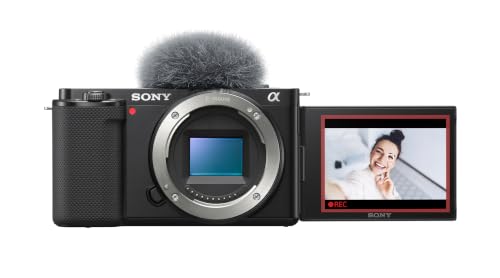
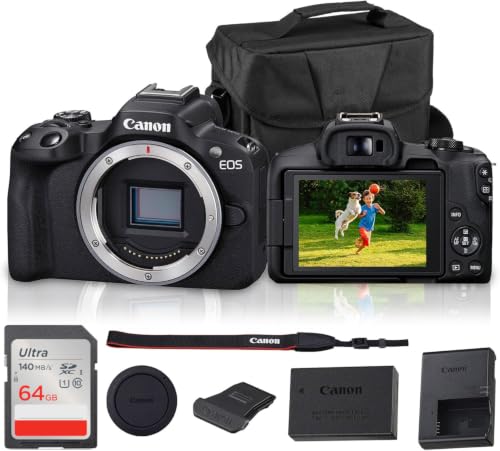
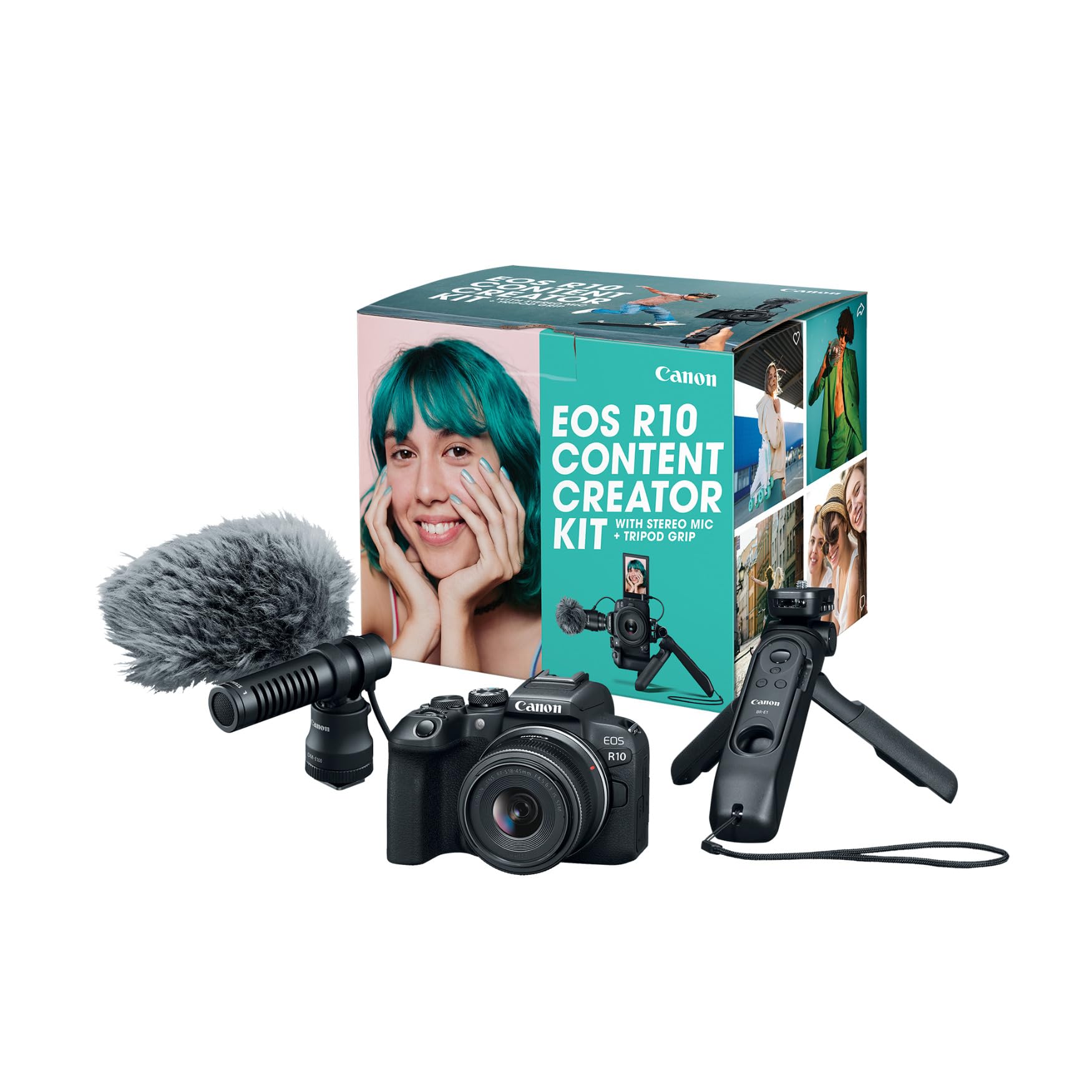
Social clips, photos, and short videos reward cameras that are quick to set up, reliable in mixed light, and easy to share, and best cameras for social media content differ most in those everyday qualities rather than in one headline specification. A camera that focuses fast, stays steady while you walk and talk, and transfers files without fuss will usually serve you better than a more powerful camera that stays at home. The comparison table below gives a quick overview, and the checklist in this guide helps you judge each option against your own posting habits.
This guide lets you compare types, features, use cases, and budgets on equal terms. It covers sensor size, lens range, autofocus, stabilization, durability, low light ability, and battery life, then adds a quick buyer checklist and red flags to watch for. Follow local recording and consent rules whenever you film other people, and keep private spaces out of frame unless everyone involved has agreed.


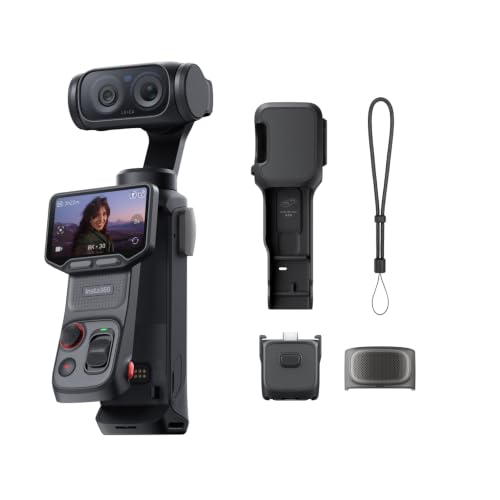


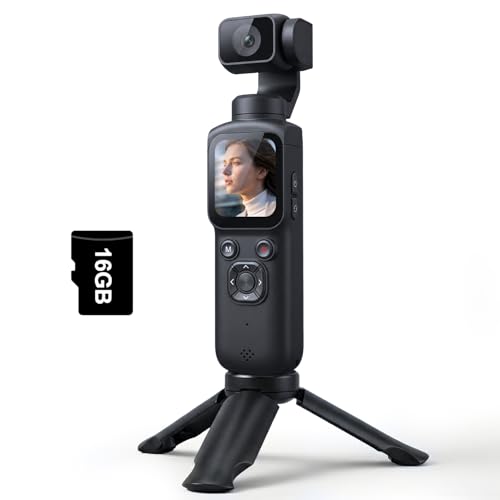
How to Evaluate Cameras
Think of this section as a checklist you can apply to any camera. Each heading below names a criterion, explains why it matters for social content, and gives a practical threshold to look for. Work through the list in order, and give extra weight to the criteria that match the content you post most often. For a broader overview, see our guide to the best social media cameras.
Features That Matter for Social Media Content
Social content needs fast startup, reliable focus on faces, clean audio, and files that upload without long conversion steps. A camera that wakes quickly, tracks a moving speaker, and records clear voice audio will save editing time on almost every post. Vertical video support, a flip screen for self filming, and simple wireless transfer also matter, since they affect how often you actually finish and publish a clip. If video is your main format, see our guide to the best cameras for social media videos.
Sensor Size and Image Quality
Sensor size affects low light ability, background blur, and how much detail survives cropping for different platform formats. A 1 inch sensor usually gives cleaner results than a small compact sensor, while an APS C or full frame sensor gives cleaner results again, along with more lens choices. Megapixels alone do not decide quality, since a high pixel count can still produce noisy video if the sensor and processing struggle in dim rooms. For still focused options, see our guide to the best digital cameras for social media.
Lens and Zoom Range
Lens range decides how close you can get without moving, how wide a room you can show, and how natural faces look on camera. Optical zoom keeps detail when you zoom in, while digital zoom crops the picture and softens it, so check optical range first. A wide angle end helps for rooms, cars, and desk setups, while a longer end helps for events and outdoor scenes where you cannot step closer.
Autofocus and Stabilization
Autofocus matters because social clips often feature a moving speaker, and soft focus is hard to fix later. Eye and face tracking helps for talking head videos, while reliable subject tracking helps for pets, sports, and demonstrations. Stabilization matters just as much, since walking, handheld clips show every shake. Built in stabilization helps a great deal, and a small gimbal helps even more for walking tours, though it adds weight and setup time.
Durability and Weather Sealing
Social creators often film outdoors, in kitchens, at events, and on the move, so durability deserves a place on the checklist. Weather sealing helps in light rain and dusty settings, while a sturdy body and a good grip reduce the risk of drops during handheld work. Check what kind of sealing a camera actually offers, since marketing terms vary, and remember that no sealing removes the need for care around water, sand, and heat.
Low Light Performance
Low light performance matters because many social clips are filmed indoors, at restaurants, at events, or in the evening, where light is uneven and often dim. A larger sensor, a brighter lens, and clean high sensitivity performance all help, and a camera that handles indoor light well will save you from grainy footage and harsh flash. When you can add light, a simple video light often improves results more than a pricier body, especially for talking head videos.
Battery Life and Charging
Battery life matters because social shoots often involve many short clips across a day, plus time spent previewing and transferring files. Check video recording time rather than still photo counts, and note whether the camera charges over USB C while you work. A spare battery is one of the most useful accessories for this category, especially for travel, events, and full days away from a power outlet.
Spending Levels That Pass the Checklist
This section describes three spending levels that can each pass the checklist for different kinds of creators. The right level depends on how often you post, where you film, and how much control you want over the final look. Regular posters can also see our guide to the best cameras for content creators. A higher level does not guarantee better content, but it removes more limits when your work grows more demanding.
A Sensible Starting Point
A starting level setup, around $200 to $500, usually covers reliable autofocus, decent stabilization, and good results in bright light, which is enough for casual posts, short clips, and learning what you like to film. The limits tend to show up indoors, in fast action, and in heavy cropping, where smaller sensors and simpler lenses struggle. This level suits new creators who want to build a habit before spending more.
A Strong All Round Choice
A midrange setup, around $500 to $1,000, often adds a larger sensor, stronger stabilization, better low light results, and a flip screen that makes self filming easier. It also tends to offer faster transfer, longer battery life, and more lens or accessory choices. This level suits regular creators who post several times a week, film in varied locations, and want consistent quality without a professional sized kit.
A Heavy Use Setup
A heavy use setup, above $1,000, usually brings a larger sensor, wider lens choices, stronger weather sealing, and better audio and storage options for long sessions. It suits creators who film daily, work with clients, or need reliable results in demanding settings such as weddings, events, and outdoor work. The extra cost only pays off when you use those strengths often, so weigh it against how much you actually shoot.
Quick Buyer Checklist
Run through these questions before you buy, and answer each one honestly for your own posting habits. If you answer no to several items, keep looking or adjust your budget, since a camera that fails your own checklist will frustrate you no matter how popular it is.
- Does it focus quickly and reliably on faces in video?
- Does stabilization keep walking clips smooth enough to post without heavy editing?
- Does it record clean audio, or accept an external microphone easily?
- Does it handle indoor and evening light without excessive grain?
- Can you transfer files to your phone or computer quickly?
- Does the battery last through a typical shooting day, or can you carry a spare?
- Does the screen flip for self filming, and is it visible outdoors?
- Does the size and weight suit the way you actually carry and use a camera?
Red Flags to Watch For
A few warning signs show up again and again in disappointing purchases, and they are worth checking before you commit. Vague specifications, such as a zoom range with no optical figure or a low light claim with no sensor detail, should prompt closer questions. Very short warranties, unclear return terms, and odd review patterns also deserve caution, as do cameras that promise professional results at a price far below similar models. If a key specification is missing from the listing, treat that gap as a reason to look elsewhere rather than assuming the best.
How to Make Your Camera Last Longer
Simple care habits extend the life of almost any camera, and they cost little compared with repairs. Use a lens cloth, not your shirt, to clean the lens, since fabric and grit can scratch coatings over time. Carry a spare battery so you never run a battery flat mid shoot, and store the camera in a dry, padded bag away from heat, sand, and moisture. Keep firmware and apps updated, back up files regularly, and check seals and mounts now and then, especially after outdoor or beach shoots.
Frequently Asked Questions
What features matter most in cameras for social media content?
Fast and reliable face autofocus, effective stabilization, clear audio, and easy file transfer matter most, because they affect every clip you publish. A camera that handles those four basics well will usually serve you better than one with a higher pixel count but weak focus or shaky handheld footage. Also check flip screen visibility, battery life, and low light ability, since those practical points shape how often you film and how much editing each clip needs.
Is a smartphone enough instead of a dedicated camera?
A modern phone is often enough for casual social posts, especially when you film in bright light and keep clips short. A dedicated camera usually pulls ahead for low light, zoom range, battery life, audio control, and background blur, and it frees your phone for calls and messages during a shoot. If you post occasionally and value convenience above all, a phone may serve you well, but regular creators often benefit from a dedicated camera.
Which camera setup is better for low light content?
Larger sensors, brighter lenses, and clean high sensitivity performance usually give the best low light results, since they capture more light and produce less grain. A camera with a 1 inch sensor or larger, paired with a bright lens, will generally outperform a small sensor camera indoors or in the evening. Adding a simple video light, when the setting allows it, often helps more than any single specification, especially for talking head videos.
How much should I spend on my first social media camera?
Most first time buyers do well with a starting or lower midrange setup, around $200 to $700, because that range covers reliable focus, stabilization, and good daylight results without a large upfront cost. Spend more only when you have a clear reason, such as regular low light work, daily posting, or a need for interchangeable lenses. Starting modestly also leaves room for a spare battery, a memory card, and a microphone, which often improve results more than a pricier body alone.
What specs matter most for beginner creators?
Beginners should focus on reliable autofocus, effective stabilization, simple menus, and easy transfer to a phone or computer. A flip screen, good battery life, and a comfortable grip also matter, since they reduce friction between shooting and publishing. Advanced controls can wait until you know which subjects you film most, at which point you can judge whether a larger sensor, a brighter lens, or better audio is worth the extra cost.
Final Thoughts
The best choice is the camera that passes your own checklist for focus, stabilization, audio, low light, battery life, and sharing, at a price that leaves room for the accessories you will actually use. Start with the content you post most, then pick the spending level that removes the limits you hit in real shoots, rather than the level with the longest specification list. With that approach, best cameras for social media content become much easier to compare, and the product table above can help you narrow the field before you check current prices and availability.