
Best Cameras for Filming Sports: Every Type Explained Side by Side for 2026
Disclosure: We may earn a commission when you buy through links on this page, at no extra cost to you. As an Amazon Associate I earn from qualifying purchases. Learn more

Compare the best cameras for filming sports type by type, with frame rates, autofocus, zoom reach, and prices explained for parents, coaches, and creators.
Filming a game is nothing like filming a birthday. The action crosses the field faster than you can swing the camera, the light at evening matches is poor, and you are usually stuck far from the play. Sorting out the best cameras for filming sports starts with one decision: which camera type fits the sports you record and the distance you record them from.
This guide compares each type head to head, explains the specs that decide smooth and sharp footage, and matches types to real sideline situations. The comparison table below lays the main types out side by side.



Types of Cameras Compared
No single type wins everywhere. Read the table for the short version, then the notes under it for how each type behaves across a full game.
| Type | Best For | Pros | Cons | Typical Price |
|---|---|---|---|---|
| Mirrorless Cameras | Serious game film and highlight reels | Fast tracking focus, interchangeable lenses, strong low light video | Highest cost, lenses add bulk | about $900 to $3,000 |
| Camcorders | Recording whole games from the stands | Long optical zoom, long record times, easy handling | Smaller sensors struggle in dim gyms | about $300 to $1,200 |
| Action Cameras | On player and on bike viewpoints | Tiny, tough, waterproof, wide view | No real zoom, distant play looks small | about $200 to $500 |
| Vlogging Cameras | Training clips and commentary channels | Light, simple, good face tracking | Limited reach and battery for full games | about $500 to $1,000 |
| Point and Shoot Compacts | Casual sideline clips | Pocket size, quick to start | Slow tracking, small sensors | about $300 to $800 |
Mirrorless Cameras
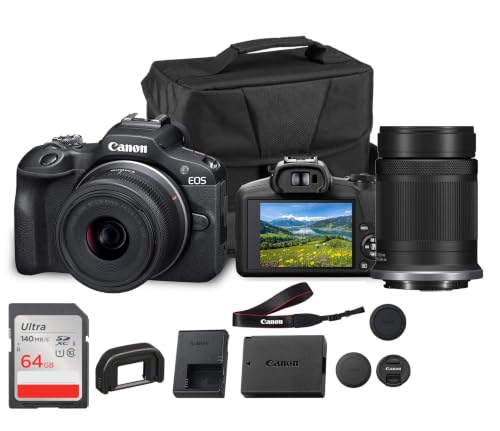
Mirrorless cameras give you the most control and the best footage quality. Their tracking autofocus follows a runner across the frame, and interchangeable lenses let you fit a telephoto that pulls distant play close. They cost the most and demand some skill, but for recruiting reels and serious channels nothing else matches them. Heat limits on long 4K recordings are the main catch, so check record time limits before a tournament day.
Camcorders
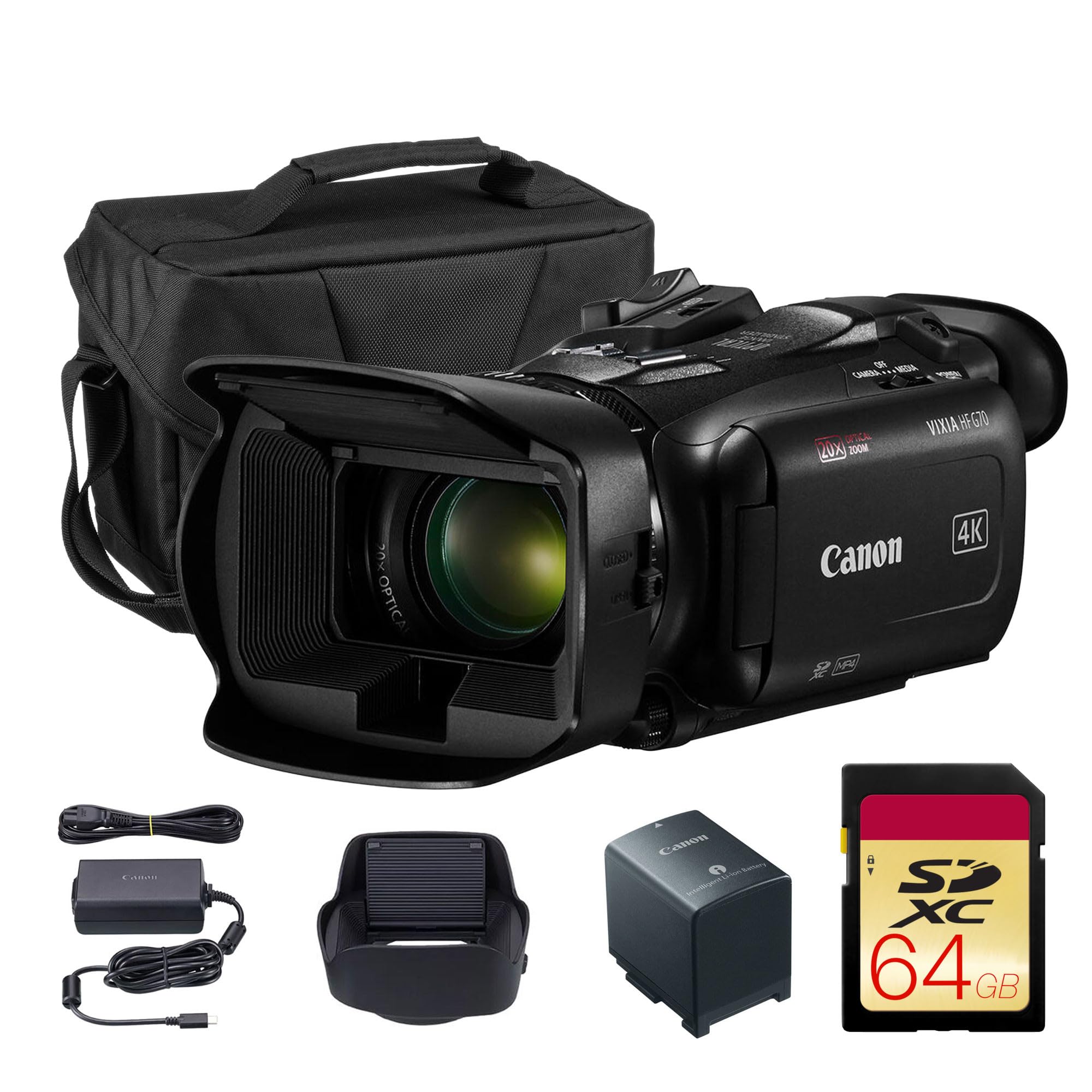
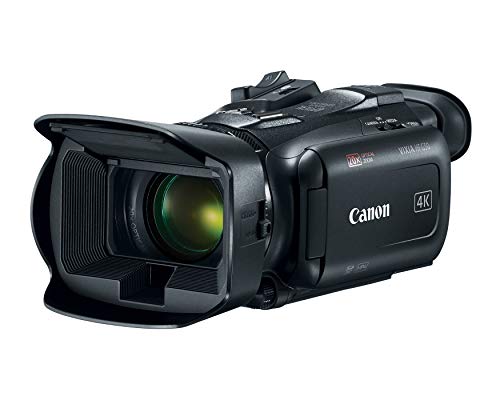
Camcorders are built for exactly this job: filming continuously from one spot. A long optical zoom, often 20x or more, reaches the far end of a field from the top row, and they record for hours without overheating. Handling is easy enough for a parent to run all season. Their smaller sensors lose ground in dim gyms and evening games, where footage can look grainy. For a fuller look at this category, see our guide to the best video cameras for sports filming.
Action Cameras
Action cameras mount on helmets, chest straps, and goalposts to capture viewpoints no sideline camera can reach. They are waterproof, shrug off knocks, and their wide angle view keeps fast nearby action in frame. The fixed wide lens is also their limit: play across a field shrinks to a small part of the picture. Use one as a second angle alongside a zoom camera, not as your only recorder. Our roundup of the best sports cameras covers more of these rugged options.
Vlogging Cameras
Vlogging cameras suit training sessions, skill breakdowns, and commentary more than live games. They are light, focus reliably on faces, and flip screens make solo filming simple. Modest zoom range and shorter battery life hold them back across a full match, yet for a coach filming drills at close range they are convenient and quick to set up between sessions.
Point and Shoot Compacts
A compact is the camera you already have in a coat pocket, and for casual clips of kids games that convenience counts. Superzoom compacts reach surprisingly far for daylight matches. Tracking focus and low light video are their weak points, so expect softer footage under floodlights. Buyers who also shoot stills can compare crossover options in our guide to the best cameras for sports photography.
Mirrorless Cameras vs Vlogging Cameras: Which Should You Choose?
These two types overlap in price, so the choice comes down to reach and intent. On lenses, mirrorless wins clearly: you can mount a telephoto zoom that frames a player from 60 yards, while a vlogging camera is limited to its built in range. On focus, both track faces well, but mirrorless systems track bodies and balls through a crowd more reliably. On endurance, vlogging cameras are lighter and simpler for a full day of training clips, while mirrorless bodies record longer sessions with bigger batteries and grips. On budget, vlogging cameras cost less to start. Pick mirrorless for game film that matters, and a vlogging camera for practice content and talking head analysis.
How to Choose the Right Camera
Types narrow the choice of best cameras for filming sports, but four specs decide whether your footage looks smooth and sharp or shaky and soft. Judge every candidate against them.
Features That Matter for Filming Sports
Sports video lives or dies on three things: autofocus that tracks a moving player without drifting to the crowd, recording at 60 frames per second or faster so motion stays fluid and slow motion replays look clean, and stabilization that smooths your panning from the stands. Set the camera up fully before the game starts, because you should never adjust a camera while driving to the venue or while walking through a crowded stand mid play.
Low Light Performance
Evening games and school gyms are the hardest test. Larger sensors keep 4K footage cleaner at high ISO, and a bright lens gathers more light at the same settings. Beware of digital zoom in dim venues, since it crops the sensor and multiplies noise exactly when you can least afford it. Optical zoom on a camcorder or a fast telephoto on a mirrorless body is the honest way to get closer. And a basic safety rule for daytime matches: never look directly at the sun through an optical viewfinder while tracking play.
Sensor Size and Image Quality
Full frame sensors lead for clean high ISO video, APS C sensors balance quality, size, and lens cost, and one inch sensors in premium compacts and some camcorders are a workable step down. Smaller sensors in budget camcorders are fine in daylight but soften under lights. Resolution is not the bottleneck: a sharp 4K image from a modest sensor beats a noisy one from a bigger sensor pushed too far. For a broader view of sensor classes, our overview of the best digital cameras explains the trade offs.
Lens and Zoom Range
Reach decides what you can film from the stands. Field sports usually need the equivalent of 200 to 400 mm at the long end, which means a telephoto zoom on a mirrorless body or the built in 20x optical zoom of a camcorder. A wide aperture at the long end, around f/4 to f/5.6, keeps shutter speeds high enough to freeze motion on cloudy days. Court sports played closer to the action need less reach but faster focus.
Picking the Right Camera for Different Uses
Best Hd Video Cameras for Filming Sports
Full HD recording is still the practical choice for many sideline shooters, and the best hd video cameras for filming sports share three traits: an optical zoom of at least 20x, optical stabilization that holds a distant player steady, and a sensor that stays clean at the high ISO settings gyms demand. Camcorders lead this niche because they record for hours without heat limits, while entry mirrorless bodies shoot cleaner HD but may cap clip length.
How to Make Your Camera Last Longer
- Use a lens cloth, not your shirt: grit on clothing scratches coatings, so wipe with microfiber before and after every game.
- Carry a spare battery and a fast card: 4K video drains power quickly, and a slow card can stop recording mid play.
- Store the camera in a dry, padded bag: padding protects it in crowded stands, and dry storage keeps moisture out of the lens.
- Support it properly: a monopod under a telephoto lens reduces shake and arm fatigue across a long tournament day.
- Update the firmware: makers often improve tracking autofocus and heat handling through free updates.
FAQs
What frame rate do I need for smooth sports video?
Record at 60 frames per second for smooth sports video, since it follows fast movement without the choppy look of standard rates. It also lets you slow a clip to half speed in editing while keeping the motion fluid, which is ideal for technique breakdowns. Reserve 120 frames per second for short highlight moments, because files grow large and some cameras crop the frame or drop to HD at that setting.
How much should I spend on my first sports camera?
A realistic first budget is about $400 to $800, which buys a good camcorder with long optical zoom or an entry mirrorless body with a kit lens. Spend toward zoom reach before resolution, because you can improve a slightly soft clip in editing but cannot recover play that was too small to see. Keep about $50 to $100 aside for a spare battery, a fast memory card, and a simple monopod.
Is a smartphone enough for filming sports?
A smartphone films casual clips well when you are close to the action, and its stabilization is genuinely good. It struggles from the stands, because digital zoom turns distant players into blurry shapes and phones often overheat or fill up during a long game. For training footage at close range a phone is fine, but anyone recording full matches for review or recruiting should use a camera with real optical zoom.
Which camera type handles low light best at night games?
Mirrorless cameras with APS C or full frame sensors handle night games best, because their larger sensors keep video clean at the high ISO settings floodlit fields demand. Pair one with the brightest telephoto zoom your budget allows, since the lens decides how much light reaches the sensor. Camcorders and compacts with small sensors fall behind here, producing grainy footage once the light drops, however good their zoom range looks on paper.
Can I film a whole game without stopping?
Yes, if you choose a camera without short clip limits and give it power and storage to match. Camcorders are designed for continuous recording across a full match, while many mirrorless cameras cap 4K clips or overheat in hot weather. Check the stated record time before buying, use the largest card the camera supports, and run from a power bank or grip battery for tournament days with several games in a row.
Wrapping Up
Start from your distance to the action: camcorders own the far stands, mirrorless cameras own quality and flexibility, and action cameras own the viewpoints nothing else reaches. Weigh tracking focus, 60 frame recording, and zoom reach above headline resolution, then confirm your shortlist against the product table above. Pick the best cameras for filming sports for the games you actually attend, and your footage will improve from the very first match. Prices and availability can change, so check the product page before ordering.

