
Best Cameras for Skiing for 2026: Every Type Explained Side by Side
Disclosure: We may earn a commission when you buy through links on this page, at no extra cost to you. As an Amazon Associate I earn from qualifying purchases. Learn more

Compare cameras for skiing by type, weather sealing, stabilization, battery life in cold air, and price, so you can pick a style that fits your runs and budget.
Choosing the best cameras for skiing can feel confusing because every style promises sharp photos and smooth video on the mountain. Snow, cold air, gloves, and fast movement change what matters, so a camera that works well at home may struggle on a lift or a steep run. This guide compares the main types side by side so you can see the trade offs clearly in the comparison table below.
You will learn how each type handles cold, moisture, stabilization, and battery life, plus which features are worth paying for and which ones you can skip. By the end, you should know whether a pocket friendly action camera, a flexible mirrorless camera, or a simple compact camera fits your skiing style and your budget.
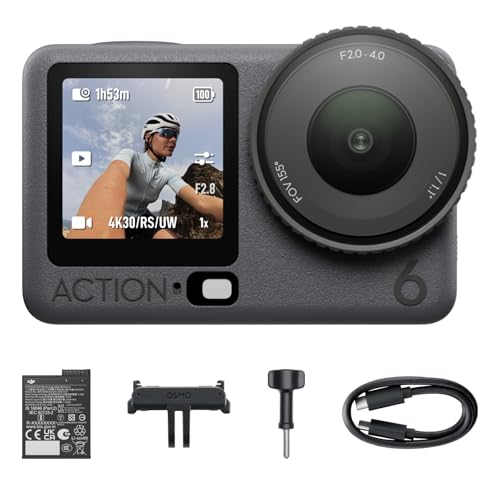


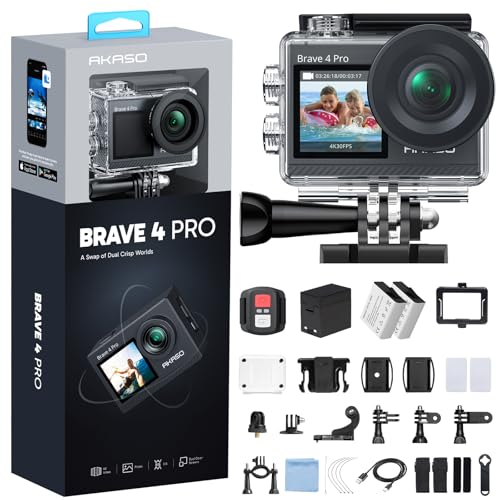


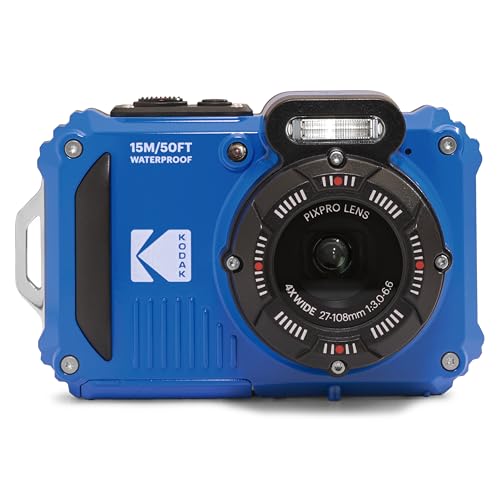
Types of Cameras Compared
The table in this section gives a quick view of the main styles, and the sections below explain each one in more detail. Think about how you ski, how much gear you want to carry, and whether you plan to edit video or mainly share still photos. A lighter setup is easier to use with gloves and on a chairlift, while a larger setup usually gives you more control over focus, lenses, and image quality.
| Type | Best For | Pros | Cons | Typical Price |
|---|---|---|---|---|
| Mirrorless cameras | Still photos and creative control | Large sensor, lens choice | Heavier, needs care in snow | around $500 to $1,500 |
| Action cameras | Hands free video on the move | Small, rugged, stabilized | Smaller sensor, limited zoom | around $200 to $500 |
| Compact cameras | Simple pocket shooting | Light, easy, built in zoom | Less manual control | around $200 to $700 |
| Bridge cameras | Long reach without extra lenses | Large zoom range, one body | Bulky, smaller sensor | around $300 to $900 |
Mirrorless Cameras
Mirrorless cameras use a large sensor and interchangeable lenses, which gives you strong image quality and control over depth of field, shutter speed, and focus. They work well for skiers who want detailed landscape shots, portraits at the lodge, and crisp action photos in good light. The trade off is size and weight, since the body plus a lens takes up more room in a jacket pocket or a small pack.
In snow, a mirrorless camera needs more care than a sealed action camera. Keep it in a padded bag when you are not shooting, wipe snow from the lens with a soft cloth, and change lenses indoors or under shelter when you can. Cold air can drain batteries faster, so carry a spare battery in an inside pocket where body heat keeps it warmer. For more ideas on still photo options, see our guide to the best cameras for photography.
Action Cameras
Action cameras are small, rugged, and built to be mounted on a helmet, chest strap, or pole, which makes them ideal for hands free video while you ski. Most models offer strong electronic stabilization, wide angle video, and weather sealing that handles snow and light moisture without a separate housing. They are also easy to operate with gloves, since controls are simple and often based on one large button or a voice command.
The main limits are a smaller sensor and a fixed wide lens, so distant subjects look small and low light video can look grainy. Action cameras still shine for run footage, jumps, and group clips where the feeling of speed matters more than fine detail. If you want that point of view style, read our guide to the best action cameras for skiing before you choose a mount and a memory card.
Compact Cameras
Compact cameras sit between a phone and a larger camera, with a built in zoom lens, a simple menu, and a body that fits in a jacket pocket. They suit skiers who want better zoom and image quality than a phone without learning manual settings or carrying extra lenses. Many compacts also offer a flip screen, which helps when you want a selfie style shot or a low angle photo in deep snow.
Compact cameras vary a lot in cold weather performance, so check the maker guidance on operating temperature and battery life before you buy. A model with a good grip and large buttons is easier to use with thin gloves than a very slim model with a touch only screen. Keep the lens covered when you ride the lift, since blowing snow can leave spots that show up in every photo.
Bridge Cameras
Bridge cameras look like a larger camera but use a fixed lens with a very long zoom range, so you can photograph a skier far down a slope without changing lenses. They appeal to skiers who watch friends or family from a viewing area, a lodge deck, or the side of a run and want to fill the frame from a distance. The single body design also means fewer parts to lose in snow.
The trade off is a smaller sensor than most mirrorless cameras, so image quality in dim light or at the far end of the zoom range may be softer. Bridge cameras are also bulkier than compacts, so they fit better in a backpack than in a pocket. Still, for long reach in one package, they are a practical middle ground between a compact camera and a full lens kit.
Mirrorless Cameras vs Action Cameras: Which Should You Choose?
Start with what you will actually shoot. Mirrorless cameras win for still photos, portraits, and landscape detail, while action cameras win for smooth video, rugged use, and hands free shooting. If you stop often to frame a shot, a mirrorless camera rewards that patience. If you want to press record and ski, an action camera stays out of your way.
Next, weigh size, weather handling, battery life, and budget. Action cameras are cheaper to replace, easier to mount, and simpler to protect from snow, while mirrorless cameras need a bag, spare batteries, and more care. Many skiers end up using both styles for different days, but if you must pick one, choose the mirrorless camera for photo first trips and the action camera for video first trips.
How to Choose the Right Camera
Sensor Size and Image Quality
Sensor size affects detail, low light performance, and how much you can crop a photo before it looks soft. A 1 inch sensor usually beats a small compact sensor in dim light, while an APS C sensor or a full frame sensor gives you cleaner files and more room to edit. Megapixels alone do not tell the whole story, since a large sensor with fewer megapixels can still produce a sharper image than a small sensor packed with tiny pixels.
Video Capabilities
For video, look at resolution, frame rate, stabilization, and audio options together rather than chasing one headline number. Smooth 4K video at 60 frames per second looks better for fast skiing than shaky higher resolution footage, and good stabilization matters more than a small bump in resolution. A mic input helps if you plan to add commentary, while a flip screen helps you check framing for selfie style clips.
Features That Matter for Skiing
Skiing creates a specific set of demands that a general camera guide may miss. Weather sealing protects against snow and spray, a bright screen or viewfinder helps you frame shots in glare, and fast autofocus helps you track a moving skier. Cold rated batteries and a simple control layout matter too, since thick gloves make small dials hard to use and cold air shortens shooting time.
Also think about how the camera mounts and carries. A wrist strap, a chest mount, or a small chest pocket keeps the camera close without swinging on a lift. Follow maker guidance on temperature limits and battery care, and follow slope rules about where you may stop, film, or use a pole mount so you do not block other skiers.
Battery Life and Charging
Battery life on the mountain is often lower than the maker rating, because cold air, video recording, and stabilization all draw extra power. Check the rated shot count per charge, then plan for fewer shots on a cold day and carry at least one spare battery. USB C charging is handy because you can top up from a portable charger at lunch, but charging in a cold lodge still takes time, so start the day with full batteries.
Turn off WiFi and reduce screen brightness when you do not need them, since both drain power. Keep spare batteries in an inside pocket rather than in an outer pack pocket, and swap a cold battery for a warm one if shooting slows down. This simple habit often gives you more usable shooting time than buying a larger camera.
Picking the Right Cameras for Different Uses
Best Mirrorless Cameras for Skiing
Mirrorless cameras for skiing stand out when still photos matter most, since you can pair a large sensor with a lens suited to wide landscapes or tighter action shots. Look for fast autofocus, a weather sealed body, and a lens range that covers both group photos at the lodge and skiers further down a run. New buyers who want room to grow can start with a kit lens and add a longer lens later, while experienced shooters may value manual controls and a bright viewfinder for glare. If you are new to this style, see our guide to the best starter cameras for simpler first steps.
How to Make Your Camera Last Longer
Good care starts on the mountain. Use a lens cloth, not your shirt or glove, to clean snow and moisture from the lens, since fabric can scratch coatings or smear melted snow across the glass. Carry a spare battery in a warm pocket, store the camera in a dry, padded bag when you ride lifts or sit out a storm, and let a cold camera warm up slowly indoors to reduce condensation inside the lens.
At home, check seals, caps, and mounts for wear, wipe the body with a dry cloth, and store batteries partly charged in a cool, dry place. Follow maker guidance for cleaning sensors and lenses, and never force a stiff dial or a frozen button. Small habits like these protect image quality and help the camera survive many ski seasons.
Frequently Asked Questions
What features matter most in cameras for skiing?
Weather sealing, stabilization, fast autofocus, and cold weather battery life matter most, because snow, speed, and low temperatures punish weak designs. A bright screen or viewfinder helps you frame shots in glare, while simple controls let you shoot with gloves on. Start with those four factors, then weigh sensor size and zoom range based on whether photos or video matter more to you.
Which camera type is better for low light skiing?
A camera with a larger sensor and a wider maximum aperture usually performs better in low light, since it gathers more light and produces cleaner files at higher ISO settings. Mirrorless cameras with a large sensor often lead here, while small action cameras can look grainy in dim lodges or at dusk. If you shoot a lot after sunset, favor sensor size and lens brightness over zoom range or resolution.
How much should I spend on my first ski camera?
Most first time ski camera buyers spend about $200 to $700 for a compact or action camera, and about $500 to $1,200 for a mirrorless camera with a kit lens. Start at the lower end if you mainly share clips and photos online, and spend more only when you need better low light quality, faster focus, or a longer zoom. Remember to budget for a spare battery, a memory card, and a mount or case.
What does focal length mean for ski photos?
Focal length describes how wide or narrow the view is, with shorter lengths showing more of the scene and longer lengths bringing distant subjects closer. A wide view suits landscapes and group shots on the mountain, while a longer view suits a skier far down a slope. Zoom cameras let you change this view without swapping lenses, which is handy when you cannot move closer.
What specs matter most for beginners?
Beginners should focus on easy auto modes, reliable autofocus, good stabilization, and simple menus rather than advanced manual settings. A camera that focuses quickly and keeps video steady will produce better results than a complex camera you struggle to operate with gloves. Battery life and a clear screen matter too, since you will learn faster when the camera stays ready and easy to check.
Is a smartphone enough instead of a ski camera?
A smartphone can be enough for casual snapshots and short clips, especially in bright daylight and close range. A dedicated camera pulls ahead when you need optical zoom, better stabilization at speed, weather sealing, or longer battery life in cold air. If you ski often, shoot in snow, or want to print large photos, a dedicated camera is usually worth the extra gear.
Final Thoughts
The right choice comes down to how you ski and what you want to keep from the day. Mirrorless cameras lead for detailed still photos, action cameras lead for hands free video, and compact or bridge cameras offer a useful middle ground for simple shooting with extra reach. Weigh weather sealing, stabilization, battery life, and size before you weigh resolution alone.
Before you buy, compare a few types against your budget, check maker guidance on cold weather use, and think about mounts, spare batteries, and storage. The best cameras for skiing are the ones you will actually carry, protect from snow, and enjoy using, so pick the style that fits your runs and check the product table above for a final side by side look.


