
Best Action Cameras for Skiing at Every Price in 2026: What Your Money Really Gets You
Disclosure: We may earn a commission when you buy through links on this page, at no extra cost to you. As an Amazon Associate I earn from qualifying purchases. Learn more

The best action cameras for skiing balance stabilization, cold weather battery life, and secure mounting. See what each price tier gets you.
Ski days are fast, cold, and hard on gear, so choosing the best action cameras for skiing means looking past headline resolution numbers. A camera that films beautifully on a warm beach can fog up, run out of power, or shake badly on a bumpy run. This guide compares types, features, and price tiers so you can match a camera to the way you actually ski. Use the product table as a starting point, then read the sections that matter most for your trips.
Before you spend anything, think about where the camera will live. A helmet mount gives a steady first person view, a chest mount shows your skis and poles, and a pole mount gives a wider follow shot. Each choice changes which features matter, from stabilization to voice control. The sections below walk through those choices in plain language, with no need to learn camera jargon first.


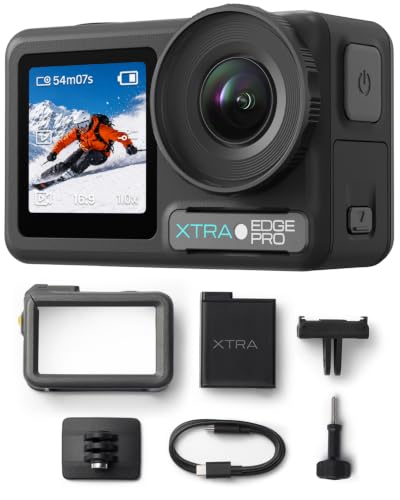
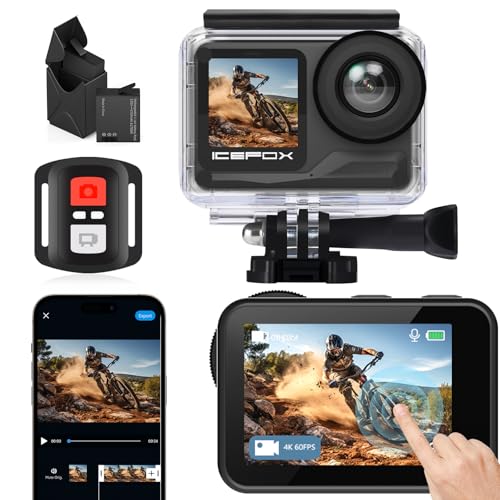
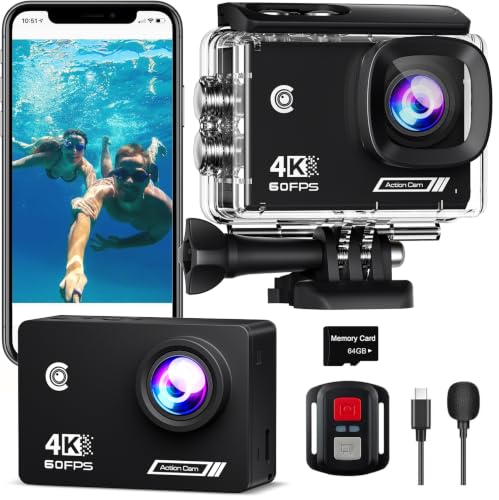

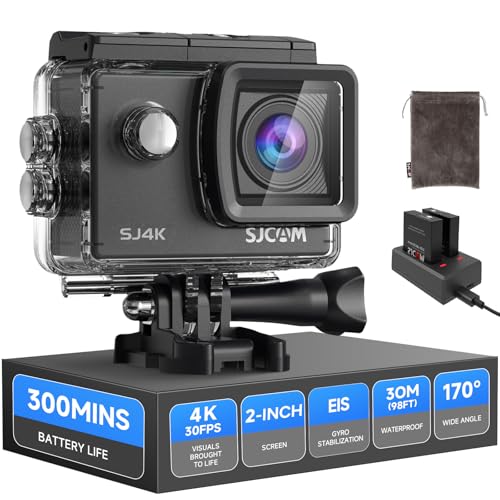

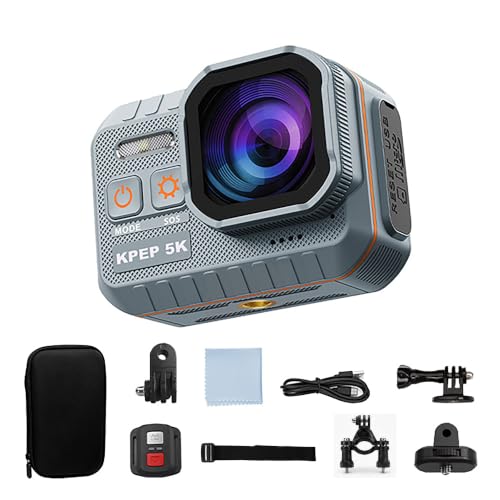
Who Should Buy Which Camera for Ski Days
Resort Skiers Who Film Short Clips
If you ski groomed runs and film in short bursts between lifts, you need a simple camera that starts fast and survives falls. Look for one button recording, a tough body, and a mount that stays put on a helmet. You do not need the longest battery life, since you can warm a spare battery in an inside pocket and swap it at lunch. Keep the settings simple and let the camera handle exposure as you move from bright sun into tree shade.
Backcountry and All Mountain Skiers
Skiers who travel farther from lifts need more from a camera. Battery life matters more, because cold drains power faster and there is no lodge nearby for a recharge. A camera with a removable battery, a sealed body, and a mount that works with gloves is a better fit than a delicate model with a long menu system. You should also think about weight, since every extra gram rides on your helmet or pack all day.
Families, Coaches, and Groups
Families and coaches often film other people rather than themselves. A wider field of view helps here, because it keeps a whole group in frame even when someone turns unexpectedly. Simple controls matter too, since you may hand the camera to a friend on the lift. If you plan to share clips the same day, look for easy phone transfer rather than the highest possible resolution, which creates very large files.
What Your Money Gets You at Each Price Level
Price tiers in this guide describe what is typical at each level, not a promise about any single camera. Lower price cameras usually record good daylight video and include basic stabilization. Middle price cameras add stronger stabilization, better low light handling, and more mounting options. Higher price cameras add larger sensors, longer battery options, and more refined controls, but they only pay off if you use those extras.
Lower Price Choices
At the lower end, expect solid video in bright snow light, a waterproof body without an extra case, and simple controls. Stabilization is usually electronic and works well on smooth groomed runs. Weak points often show up in flat light, in deep shade, and in very cold weather, where battery life drops. This level suits skiers who film short clips for friends and do not want to fuss with settings.
Middle Price Choices
The middle level is where most regular skiers land. Stabilization improves noticeably on bumpy terrain, and the camera handles mixed light better as you move between sun and trees. You also tend to get better audio options, a clearer screen, and more useful mounting accessories. If you ski often and edit your clips, this level usually gives the best balance of quality and hassle.
Higher Price Choices
Higher price cameras suit skiers who film a lot and care about editing flexibility. A larger sensor can help in flat light and at dawn or dusk, and higher frame rates give smoother slow motion for jumps and turns. You may also get better waterproofing depth, longer recording options, and more control over color and exposure. Skip this level if you only film a few clips per trip, since the extra features will sit unused.
What to Look For in the Best Action Cameras for Skiing
Lens and Field of View
Field of view matters more on snow than zoom does. A wide view captures the slope, your skis, and nearby skiers, while a narrow view can feel shaky and cramped. Optical zoom is rarely useful on a helmet camera, because you cannot zoom smoothly while skiing, and digital zoom softens the picture. Choose a camera with a wide or medium view option you can set before you drop in, and leave zoom out of your decision.
Features That Matter for Skiing
Skiing creates three problems other sports do not combine: cold, glare, and vibration. Cold shortens battery life, so a removable battery or a pocket warming routine matters. Glare from snow can fool exposure, so look for a camera that handles bright highlights without washing out the whole scene. Vibration from chatter and jumps makes stabilization the single most important feature for watchable footage, ahead of raw resolution.
Video Capabilities
High resolution sounds impressive, but frame rate and stabilization shape how your skiing actually looks. Smooth video at a moderate resolution usually looks better than shaky video at the highest setting. Higher frame rates also let you slow down a turn or a jump without stutter. A flip screen can help for vlog style clips at the lodge, but it adds bulk and a hinge that can catch snow, so weigh it against helmet use.
Sensor Size and Image Quality
A larger sensor gathers more light, which helps in flat light, in trees, and near sunset. That said, megapixel count alone tells you little about video quality. A smaller sensor with good stabilization and sensible processing can beat a larger sensor with poor stabilization on a ski run. Judge image quality by how the camera handles snow glare, shade, and motion, not by the biggest number on the box.
Mounting, Cold Weather, and Battery Planning
Mount choice changes footage more than most settings do. A helmet mount gives a stable view that follows your head, but it can feel top heavy on long days. A chest mount lowers the view and shows your skis, which some viewers prefer, while a pole mount gives a follow cam look if you ski with a partner. Try the mount at home before your trip, and check that straps and buckles work with gloves on.
Cold weather planning is simple but easy to skip. Keep spare batteries in an inside pocket close to your body, and swap before the camera dies rather than after. Turn the camera off between runs instead of leaving it recording, and wipe snow from the lens with a soft cloth rather than a glove, which can smear it. Follow local slope rules about where cameras are allowed, and never adjust a mount or a setting while you are moving.
Long Term Costs to Factor In
The camera is only part of the total cost. Budget for at least one spare battery, a memory card with enough speed for video, and a mount or two for helmet and chest use. A protective case or lens cover helps if you toss the camera in a pack, and a small tripod or grip is useful for lodge clips. Check warranty terms and how easy it is to replace mounts and doors, since those small parts wear out first in snow and cold.
Action Cameras: Your Questions Answered
What features matter most in the best action cameras for skiing?
Stabilization, cold weather battery handling, and a secure mount matter most for skiing. Stabilization keeps bumpy runs watchable, while a removable battery lets you swap power without ending your day early. A waterproof body matters too, since falling snow melts into every seam. Resolution comes after those three, because even sharp video looks poor if it shakes, fogs, or stops early, so check that controls work with gloves before you buy.
How much should I spend on my first action camera for skiing?
Most first time buyers do well at the lower or middle price level, depending on how often they ski. If you film a few clips per trip, a lower price camera with basic stabilization is enough to learn what you like. If you ski most weekends and plan to edit, the middle level adds stabilization and low light handling that you will notice right away. Spend more only when you know you will use the extra frame rates, sensor size, or audio options regularly.
Does an action camera need a case on the slopes?
Many current action cameras are waterproof without a case, which suits snow and slush. Older or budget models may need a separate housing to be waterproof, and a housing can fog or trap moisture in cold air. Check the maker's stated depth rating and whether a case is required, and follow the manufacturer's instructions for sealing doors and caring for gaskets.
Is a smartphone enough instead of an action camera for skiing?
A smartphone can work for short lodge clips, but it is a poor ski camera for most people. Phones are harder to mount securely, their batteries drain fast in cold, and a fall can damage an expensive device you also need for maps and calls. An action camera is smaller, tougher, waterproof without a case, and easier to start with gloves on. Keep your phone warm in a pocket for navigation and use the camera for the runs themselves.
What specs matter most for beginners buying an action camera?
Beginners should focus on stabilization, simple controls, waterproofing, and battery life, in that order. Those four decide whether your footage is usable and whether filming stays fun, while resolution, frame rate, and extra shooting modes can wait until you know your style. Also check how easy it is to move clips to your phone, since a camera you cannot quickly share tends to stay in a drawer. Start simple, learn what frustrates you, and upgrade around that one gap.
Final Thoughts
The right camera is the one that survives cold, stays mounted, and records steady video without demanding attention on the slope. Compare price tiers by stabilization, battery handling, and mounting first, and treat resolution as a secondary detail. For most skiers, the middle level hits that balance best, while occasional skiers do fine lower down. Review the product table above, pick the tier that matches how often you film, and remember that the best action cameras for skiing are the ones you will actually use on a cold, busy ski day.
See our guide to best action cameras if you want a broader comparison across sports, and read our guide to best cameras for skiing for stills focused options. For clips you plan to edit, our guide to best action video cameras covers frame rates and editing in more depth, while our guide to best inexpensive action cameras is useful if your budget is tight.


