
Best Cameras for Skateboarding for 2026 at Every Price
Disclosure: We may earn a commission when you buy through links on this page, at no extra cost to you. As an Amazon Associate I earn from qualifying purchases. Learn more

See what the best cameras for skateboarding offer at each budget, which features matter on a board, and how to choose a durable setup for fast action footage.
Skateboarding moves fast, changes direction without warning, and happens in harsh light, deep shade, and dusty parks. The best cameras for skateboarding handle that mix with quick focus, strong stabilization, and a body that can take bumps, and the comparison table below can help you compare the main types before you spend. This guide explains what each budget level actually buys, which features are worth paying for, and which ones you can skip.
Prices for skate cameras span a wide range, from compact action cameras to larger interchangeable lens bodies, so the smart move is to match the camera to how you shoot. A filmer who follows skaters all day needs different strengths than a skater filming short clips for social media, and this guide covers both.
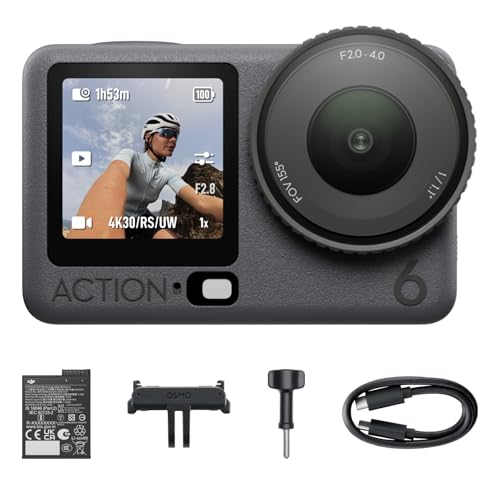


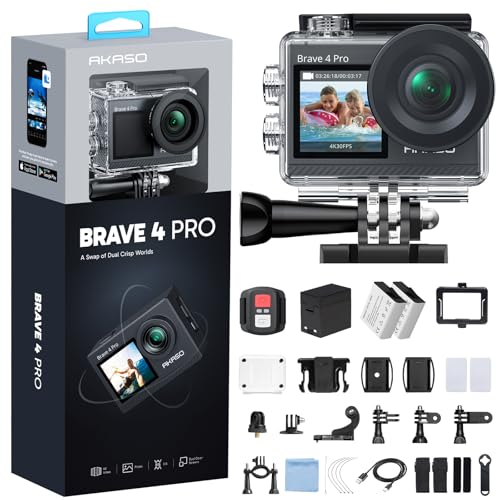


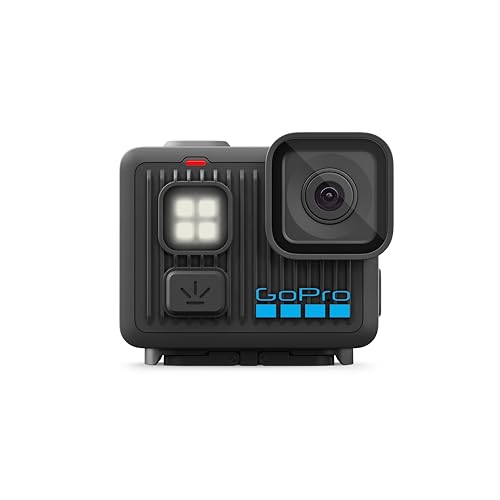
Who Should Buy Which Camera for Skateboarding?
Filmer Following Skaters All Day
If you film full sessions, prioritize autofocus tracking, battery life, stabilization, and a comfortable grip for long handheld takes. A camera that stays focused on a moving skater, holds a charge through a session, and feels balanced in the hand will produce more usable clips than a higher resolution body that tires you out. Weather resistance also helps when sessions run through dust, drizzle, and changing light.
Skaters Filming Their Own Clips
If you film yourself, size, mounting options, and simple controls matter most. A small camera you can mount, hand to a friend, or start quickly will capture more attempts than a large setup that needs assembly. Look for a wide view, strong stabilization, and an easy way to review clips on the spot, so you can check framing and landing timing without delay.
Creators Editing for Social Media
If your clips head straight to social media, weigh vertical framing, slow motion options, and quick transfer to a phone. High frame rates, such as 60 or 120 frames per second, make tricks look smooth in slow motion, while a clean phone workflow saves editing time. Resolution still matters, but a sharp, stable, well exposed clip beats a very high resolution clip that shakes or loses focus.
What Your Money Gets You at Each Price Level
Lower Budget Choices
At a lower budget, expect a compact action camera or a simple starter body with a kit lens, decent stabilization, and good video in daylight. You may give up strong low light ability, long battery life, and advanced focus tracking, but you can still capture clean tricks with good light and careful framing. Spend the savings on a mount, a spare battery, and a memory card fast enough for high frame rate video.
Middle Budget Choices
A middle budget usually buys better autofocus, stronger stabilization, a larger sensor, and more lens choice, which together make filming faster and more forgiving. You also get better sound inputs, longer battery options, and tougher bodies that handle daily park use. For most filmers, this level offers the best balance of image quality, durability, and cost, since it removes the most common frustrations without paying for professional extras.
Higher Budget Choices
At a higher budget, you pay for cleaner low light images, faster focus, higher frame rates, more recording formats, and bodies built for heavy daily use. Those gains help most for paid work, low light evening sessions, and long projects where reliability matters. They do not replace good positioning, timing, and practice, so weigh them only after the middle level limits, such as focus or battery life, are actually holding back your clips.
Features Worth Paying For (and Ones to Skip)
Durability and Weather Sealing
Skate cameras get dropped, bumped, and splashed, so build quality is a working feature, not a luxury. Weather sealing resists dust and light rain, while a protective case or cage adds a layer of defense for hard falls. Check that buttons, doors, and mounts feel solid, and remember that sealing resists splashes rather than guaranteeing protection if the camera is submerged. A lens protector and a secure strap are cheap insurance for park sessions.
Features That Matter for Skateboarding
Skateboarding demands fast, reliable autofocus that can track a skater moving toward, away from, and across the frame. Stabilization matters because filmers walk, run, and crouch while shooting, and a wide or standard lens helps keep tricks in frame without constant reframing. High frame rates help slow motion, while a bright lens and a larger sensor help evening sessions under park lights. For a filming focused breakdown, see our guide to the best cameras for filming skateboarding.
Sensor Size and Image Quality
Sensor size affects low light ability, depth of field, and dynamic range, which is how well a camera holds detail in bright concrete and dark shade at once. Larger sensors, such as APS C and full frame, give cleaner evening footage and softer backgrounds, while smaller sensors keep more of the scene sharp and usually cost less. Megapixel count alone does not decide video quality, so weigh sensor size together with lens quality, stabilization, and focus speed.
Low Light Performance
Evening sessions under park lights and indoor parks test low light ability hard, with mixed color casts and fast movement. Look at usable ISO range, noise at higher ISO settings, and how colors hold up when lights flicker. A bright lens helps more than a small sensor upgrade, and a simple LED panel or a well placed park light can lift a scene more than a pricier body. Test high ISO clips on a large screen before buying, since noise that looks fine on a small display stands out in edited footage.
Picking the Right Camera for Different Uses
Best DSLR Cameras for Skateboarding
The best dslr cameras for skateboarding suit filmers who want an optical viewfinder, long battery life, and a wide choice of affordable lenses. Their larger bodies and mirrors add weight, and their video autofocus can lag behind newer mirrorless designs, so they suit planned lines and tripod or follow cam work better than fast run and gun chasing. If you already own compatible lenses, a DSLR body can be a cost effective route into stronger video, especially for daylight sessions.
Best Affordable Cameras for Skateboarding: Where Your Money Goes
The best affordable cameras for skateboarding put money into stabilization, focus, and durability rather than into very high resolution or exotic recording formats. Prioritize a camera that tracks movement, survives drops, and runs long enough for a session, then add a mount and a spare battery before chasing a larger sensor. Affordable action cameras often win here for self filming, while affordable interchangeable lens bodies win when you want lens choice and better evening footage. For a general video focused comparison, see our guide to the best video cameras for skateboarding.
Long Term Costs to Factor In
Budget beyond the camera body for mounts, spare batteries, fast memory cards, lens protection, and storage for large video files. Action cameras need mounts and cases, while interchangeable lens cameras invite lens purchases over time, and both need hard drive space for high frame rate footage. Warranty terms, repair costs, and battery replacement also affect total ownership cost, so check them before committing to a system. A camera that is cheap to run and easy to repair often beats a pricier body with expensive accessories.
Common Mistakes to Avoid
- Choosing a camera for resolution alone while ignoring focus tracking, stabilization, and battery life.
- Filming only in very high resolution and then running out of card space or editing power mid session.
- Skipping a secure mount or strap, then losing a camera to a fall or a hard landing.
- Forgetting to check framing and focus on the spot, and discovering missed tricks only in editing.
- Ignoring local rules for filming in skate parks, streets, and private spaces, including permission where needed.
- Adjusting camera settings while riding or skating, instead of setting up mounts and framing before you roll.
Care and Maintenance Tips
- Wipe lenses with a lens cloth, not your shirt, since grit on fabric can scratch coatings over time.
- Check mounts, screws, and straps before each session, since vibration loosens fittings quickly.
- Carry a spare battery and keep batteries out of extreme heat, such as a closed car in summer.
- Back up clips after each session and check a few files before reformatting cards.
- Store the camera in a dry, padded bag to protect it from dust, damp, and hard knocks.
Cameras: Your Questions Answered
What features matter most in cameras for skateboarding?
Focus tracking, stabilization, durability, battery life, and high frame rates matter most for skateboarding, because they decide whether fast tricks stay sharp, smooth, and usable. A camera that tracks a moving skater, steadies handheld movement, and survives park use will produce more good clips than a higher resolution body that loses focus or runs out of power. Start with those working features, then weigh sensor size, lens choice, and recording formats against your budget.
What specs matter most for beginners?
Beginners should prioritize simple controls, reliable autofocus, strong stabilization, and a versatile lens or wide view that keeps tricks in frame. A camera that is quick to start and easy to carry encourages more filming, which improves framing and timing faster than advanced specifications. Add a mount, a spare battery, and a fast memory card before chasing a larger sensor, since those accessories solve the most common beginner frustrations.
Is a smartphone enough for skateboarding clips instead?
A smartphone can work well for short skate clips, especially in daylight, thanks to strong stabilization and easy sharing. Its limits show up in low light, lens choice, mounting flexibility, and durability, where a dedicated camera with mounts and protection handles park use better. Many skaters start on a phone to learn framing and timing, then move to a dedicated camera when mounts, slow motion quality, or evening sessions start limiting their clips. For a broader stills and video comparison, see our guide to the best digital cameras.
What focal length suits skateboarding lines?
A wide to standard focal length, around 16mm to 35mm on a full frame equivalent, suits most skate lines, since it keeps the skater and the obstacle in frame while you follow the movement. Wider lengths suit close follow cam work and fisheye style shots, while longer lengths suit filming from a distance but demand steadier handling. Choose your lens after planning the line, so the camera position, lens, and skater path work together rather than fighting each other.
Which camera is better for low light skate sessions?
A camera with a larger sensor and a bright lens usually handles low light skate sessions better, since it gathers more light and keeps noise lower at higher ISO settings. Pair that combination with the best available park lighting, and avoid pushing ISO so high that noise outweighs the brightness gain. Test evening footage on a large screen before a session, and consider a small LED panel for close tricks when the park lights leave faces in shadow. For photography focused options in the same price range, our guide to the best cameras for photography covers that angle.
Our Verdict
The right skate camera balances focus tracking, stabilization, durability, and battery life against your budget and how you film. Middle budget options suit most filmers, while lower budget action cameras suit self filming and higher budget bodies suit demanding evening and paid work. The best cameras for skateboarding reward good positioning and practice, so test your setup on a full session first, review the clips on a large screen, and use the product table above to compare your shortlist before you commit.


