
Best Cameras for Filming Skateboarding: A Buyer Checklist for 2026
Disclosure: We may earn a commission when you buy through links on this page, at no extra cost to you. As an Amazon Associate I earn from qualifying purchases. Learn more

Run this buyer checklist over the best cameras for filming skateboarding: frame rates, stabilization, wide lenses, tough builds, and what each price band buys.
Filming skateboarding asks more of a camera than most sports. The action is fast, sessions run into dusk, and the filmer is often rolling on a board too. Shoppers comparing the best cameras for filming skateboarding do best when they judge each option against a short checklist instead of a spec sheet, and the comparison table below shows how the main choices stack up.
This guide turns that checklist into buying criteria. It covers frame rates, stabilization, and lens width in turn, then shows what each price band buys.

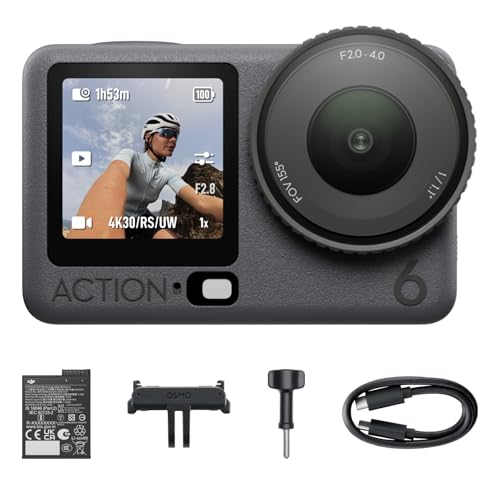

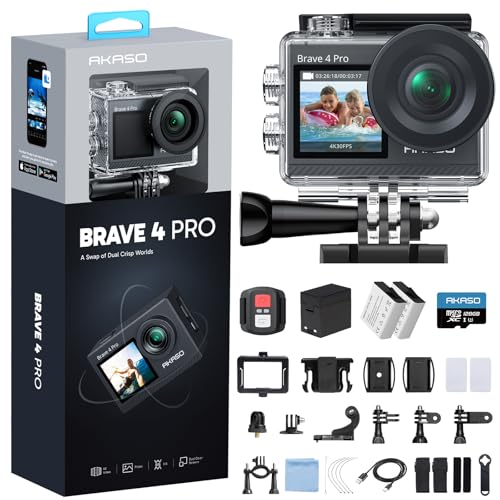


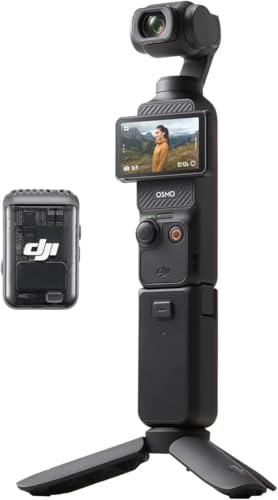


A Buyer Checklist for Filming Cameras
Six checks decide whether a camera suits skate filming, and the first three matter far more than the rest. If you are still weighing filming against stills, our overview of the best cameras for skateboarding covers the photography side of the same choice.
Check the Frame Rate Before Anything Else
Frame rate is the first check because it governs slow motion. A camera that records 60 frames per second lets you play footage back at half speed on a 30 frame timeline, and 120 frames per second stretches a trick to quarter speed, where clean slow motion starts. Standard 30 frame recording is fine for raw street clips, but it cannot be slowed without choppy results. Treat 4K at 60 frames per second as the practical floor for serious skate filming, and look for 120 frames per second at 1080p or better if slow motion matters to you.
Stabilization Decides Follow Shot Quality
Stabilization is the second check because it governs follow shots. Much skate filming happens while the filmer rolls beside the skater, so the camera must smooth out bumps from wheels and cracks. Strong in body stabilization, or a very effective electronic mode, keeps the horizon steady without extra gear, while a small gimbal gives the smoothest result at the cost of extra weight and setup time. If you plan to film lines while rolling, rate stabilization as heavily as resolution, since a sharp but shaky clip is rarely usable.
A Wide Lens Fits the Whole Line
Lens width is the third check because a wide lens governs close follow shots. Filming from a few feet away means the lens must hold the skater, the obstacle, and some surroundings in the frame. Fisheye lenses became the skate standard for exactly this reason, since they capture a very wide view and keep nearby subjects large in the frame. Ultra wide zoom lenses around 14 to 24 mm give a similar feel with less distortion, while longer lenses suit tripod filming at parks, where distance replaces closeness.
Sensor Size and Dusk Light
Sensor size controls how clean footage looks once the sun drops. One inch sensors in action cameras are small but tough, APS C sensors gather more light for evening sessions, and full frame sensors give the cleanest files at the highest cost. Skate spots are often shaded or harshly lit, so a camera that holds detail at higher ISO settings earns its price. Megapixel counts matter less here than clean high ISO output.
Autofocus That Stays on a Moving Skater
Autofocus has to track a subject that changes speed and direction constantly, so look for subject detection and wide area tracking modes that hold focus while the skater approaches, turns, and lands, plus a touch screen for tap focus from a fixed spot. Manual focus with peaking still suits experienced filmers who prefocus on an obstacle, since the skater passes through a known point. Weak autofocus shows up as pulsing focus in finished clips, so treat tracking as a core spec rather than a bonus.
Battery Life and a Build That Survives the Park
Sessions run long and cameras take knocks, so check the rated recording time per battery and plan on at least one spare, since high frame rates drain power fast. USB C charging lets a power bank top the camera up between spots. A rugged or waterproof action body shrugs off dust, rain, and the occasional stray board, while larger mirrorless bodies need a padded bag and more care. Also confirm that the camera can record long clips without overheating warnings, a real limit on some compact bodies.
What Each Price Band Buys
Price bands map closely to sensor size and frame rate ceilings. For most crews, the best cameras for filming skateboarding sit in the middle band below, but each level has a clear reason to exist.
Entry Band, About $300 to $700
This band holds action cameras and simple compact video cameras. You get strong stabilization, 4K recording at 60 frames per second, and bodies that survive drops and rain. The trade is a small sensor, so dusk footage looks grainy and backgrounds never blur. For a first setup that rides in a pocket and takes a beating, this band is the sensible start.
Middle Band, About $700 to $1,500
APS C mirrorless cameras with a kit zoom dominate this band. You gain 120 frame slow motion on many models, a microphone input, far better autofocus tracking, and much cleaner evening footage. Shoppers comparing the best digital cameras for everyday use will recognize many of the same bodies here. The trade is size and fragility, since they want a bag and careful handling.
Top Band, About $1,500 to $3,000
Full frame mirrorless cameras sit at the top. They deliver the cleanest low light footage, stronger weather sealing, and richer color profiles for editing. Crews filming for brands or full length videos get real value here. Everyone else pays for quality that only shows in poor light, so this band suits paid work or long term projects.
Quick Buyer Checklist
Run through these questions before you pay. A camera that answers yes to the first four will film skateboarding well.
- Can it record 4K at 60 frames per second or better?
- Does it offer 120 frames per second for slow motion?
- Is the stabilization strong enough for rolling follow shots?
- Is the widest lens option wide enough for close filming?
- Does autofocus track a moving subject across the frame?
- Can your budget cover two batteries and fast memory cards?
- Is the body tough enough for daily use at the park?
Red Flags to Watch For
- Digital zoom sold as a headline feature, since it only crops the image and throws away quality.
- A 4K badge that only works at 24 or 30 frames per second, which rules out smooth slow motion.
- No microphone input and no way to add one, which locks you into thin built in sound.
- Short rated battery life paired with costly spare batteries, which quietly raises the real price.
- Overheating limits buried in fine print, which can end a long session without warning.
Care and Maintenance Tips
Wipe the lens with a proper lens cloth rather than a shirt, since gritty fabric scratches coatings. Carry a spare battery and a spare card, and swap them before a session instead of during one. Store the camera in a dry, padded bag away from dust, and brush dust off mounts and dials after park days. Check screws on grips and mounts every few sessions, because rolling vibration loosens them.
Cameras for Filming Skateboarding: Your Questions Answered
What frame rate does a camera need for slow motion skateboarding footage?
You need at least 60 frames per second for usable slow motion, and 120 frames per second for the smooth, stretched look most skate edits use. One point the spec sheet hides is that your editing timeline matters too: footage shot at 120 frames per second plays back at one fifth speed on a 24 frame timeline, slower than the quarter speed you get at 30. Sound recorded during slow motion clips is normally discarded, so filmers often add park sound recorded separately.
Is an action camera or a mirrorless camera better for filming skateboarding?
An action camera is better for follow filming and rough handling, while a mirrorless camera is better for image quality and low light. Action bodies are small, tough, and very wide, which suits rolling alongside a skater. Mirrorless bodies give cleaner dusk footage, blurred backgrounds, and better autofocus, but they cost more and break more easily. Many experienced filmers end up owning both, using the action camera for lines and the mirrorless body for tripod and night work.
How much should I spend on a first camera for filming skateboarding?
A total budget of about $400 to $800 covers a capable first setup for most beginners. Keep roughly a fifth of that budget back for the extras the camera price ignores: a fast memory card, a spare battery, and a padded bag. Buying a used entry level body from the middle band is another smart route, since last generation autofocus and frame rates still film skateboarding well. Spend on the checklist items first and upgrade the body later.
Can a smartphone replace a camera for filming skateboarding?
A smartphone can film skateboarding well in daylight, but it is not a full replacement. Phone stabilization is strong and the wide lens suits close filming, yet small sensors struggle at dusk, storage fills with 4K clips, and long sessions in the sun can overheat the device. Clip on wide lenses also soften the edges of the frame. A phone is a great backup and a fine way to learn framing, but a dedicated camera gives more control and reliability.
What memory card speed does a camera for filming skateboarding need?
Most cameras for skate filming need a card rated V30 at minimum, and high bitrate 4K modes may require V60 or V90 cards. The rating that matters is sustained write speed, not the peak read speed printed largest on the packet, because the camera writes data continuously while recording. A slow card can stop a recording mid line or block the highest frame rates entirely. Buy cards from known sellers, since counterfeit cards are common and fail early.
Wrapping Up
Judge every candidate against the same three checks: frame rate, stabilization, and lens width. Those three decide whether clips look smooth and stay usable, while sensor size and autofocus separate good cameras from great ones. Match the price band to how often you film, keep a spare battery in the bag, and compare your finalists in the product table above. Chosen this way, the best cameras for filming skateboarding for your crew will be the ones that survive sessions and still make slow motion look clean.

