Best Cameras for Shooting Videos: A Practical Checklist for 2026
Disclosure: We may earn a commission when you buy through links on this page, at no extra cost to you. As an Amazon Associate I earn from qualifying purchases. Learn more

Learn how to choose a camera for video work by comparing sensor size, autofocus, stabilization, lenses, audio, and budget in this plain English buying guide.
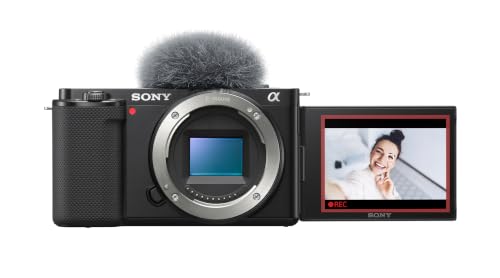
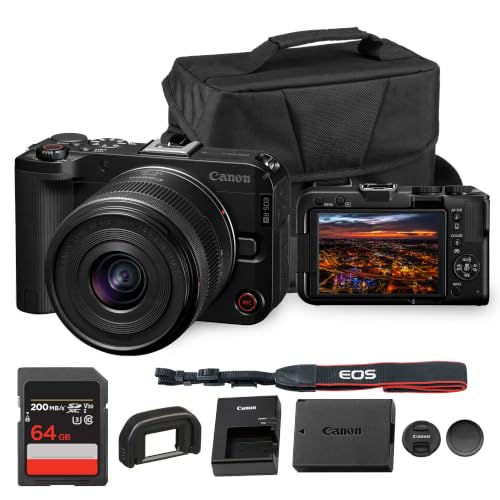
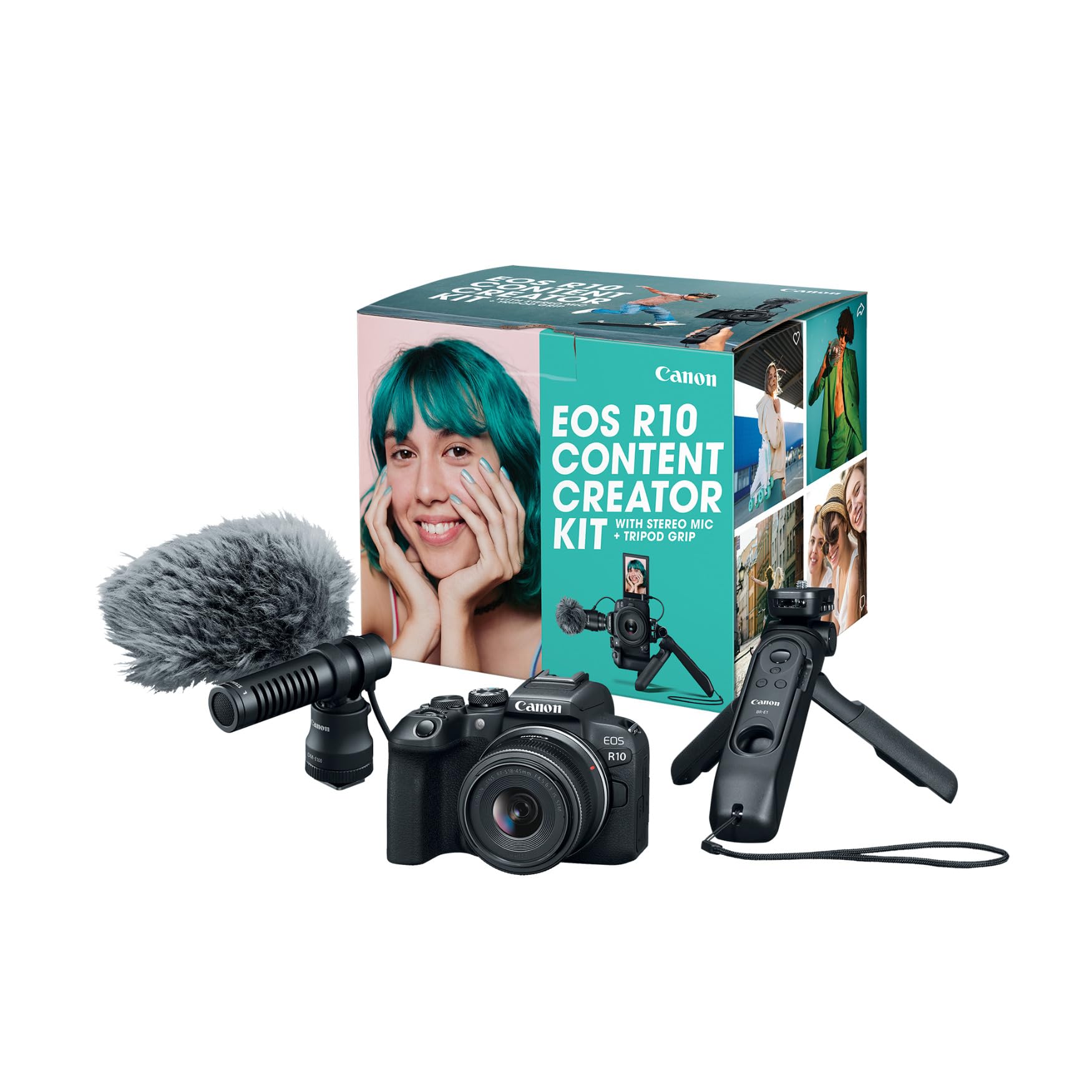
Choosing best cameras for shooting videos starts with a clear checklist, not with a long list of specifications you will never use. Video work rewards steady footage, clean sound, reliable focus, and a camera that feels comfortable after an hour of recording. The comparison table below can help you line up those basics side by side before you spend money on features that sound impressive but add little to your finished clips.
This guide explains each factor in plain English, shows what changes at different spending levels, and covers special cases such as night recording and slow motion. You will also find red flags to avoid, a short checklist to run through before checkout, and care tips that keep a video camera working well for years.




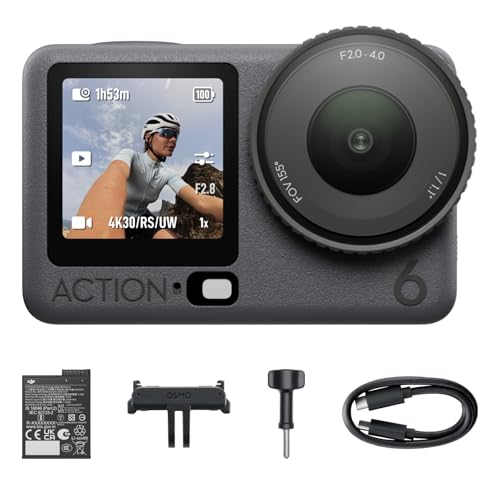


Key Features to Compare
Use this section as your working checklist. Read each factor, decide how much it matters for the kind of video you shoot most often, and then compare cameras on that basis. A camera that scores well on every factor may still be wrong for you if it is heavy, awkward, or hard to learn.
Features That Matter for Shooting Videos
Video cameras need a different balance than still cameras. Continuous autofocus, smooth exposure changes, and a microphone input often matter more than a very high still photo resolution. Look for a clear way to lock exposure, a screen you can see outdoors, and controls you can reach without hunting through menus while recording. Battery life also matters, because a camera that stops mid scene can ruin an otherwise good take, a point covered in our guide to best still cameras for shooting video.
Sensor Size and Image Quality
Sensor size affects low light performance, depth of field, and how much detail survives in shadows and highlights. Larger sensors, such as APS C and full frame designs, usually handle dim rooms and evening light with less visible noise. Smaller sensors can still produce sharp daytime video, and they often allow smaller bodies and lower prices. Do not judge image quality by megapixels alone, since video resolution, processing, and lens quality shape the result just as much.
Ease of Use for Your Skill Level
A good video camera should let a new user record clean footage on day one and still offer manual control later. Automatic modes, touch focus, and simple app transfer help when you are learning, while manual focus, custom buttons, and picture profiles matter once you want a consistent look. Check how quickly you can start recording, change focus, and adjust sound. If those steps feel slow or confusing in the shop, they will feel worse during a real shoot.
Autofocus and Stabilization
Autofocus for video should move smoothly and stay on your subject without sudden jumps. Eye detection can help when a person moves toward or away from the camera, but it should not override your intent when several people are in frame.
Stabilization matters just as much, because handheld video shakes easily. Built in stabilization smooths small movements, while a separate gimbal helps for walking shots. Test both together if you plan to move while recording.
Lens and Zoom Range
The lens decides how wide a room looks, how close a distant subject appears, and how much light reaches the sensor. A wide zoom range is useful for travel and events, but very long zooms can be hard to hold steady without support. Pay attention to the widest aperture, written as an f number, because a lower number usually helps in dim light.
Durability and Weather Sealing
Video cameras often travel, sit on tripods outdoors, and face dust, spray, and sudden temperature changes. Sealed seams, a solid grip, and a protected card door reduce risk, but no ordinary camera should be treated as fully waterproof unless the maker states it clearly. A padded bag, a lens cloth, and a rain cover cost little and protect a camera far better than relying on sealing alone. Check the warranty terms too, since water damage is often excluded even on sealed models.
Spending Guidance by Budget
Price alone does not tell you whether a camera fits your work. The sections below describe what each spending level usually offers, so you can decide where extra money helps and where it only adds weight or complexity. Use the product table above to compare the details for cameras in your range.
Starting Out on a Smaller Budget
Lower cost cameras usually cover everyday video well, with good daylight quality, simple controls, and a fixed or modest zoom lens. You may give up a larger sensor, a microphone input, or long battery life, so check those limits before you buy. This level suits family events, short online clips, and learning the basics of framing, sound, and editing, including the simple setup advice in our guide to best cameras for video blogging. Spend the money you save on a spare battery, a memory card with a fast write speed, and a small tripod.
A Middle Budget for Regular Video Work
The middle range is where many regular video makers find the best balance. Cameras here often add a larger sensor, better autofocus, a microphone input, and longer recording limits.
You may also get a flip screen, faster memory card support, and more reliable stabilization. This level suits weekly projects, small business videos, and travel work where you cannot reshoot a scene. It is worth paying more here if you record often, in mixed light, or with moving subjects.
A Higher Budget for Demanding Projects
Higher cost cameras usually offer stronger low light performance, more flexible video formats, better heat management for long takes, and tougher bodies. They also tend to work better with a wider range of lenses and professional audio gear. That flexibility helps for paid work, long events, and projects that need heavy editing or large screen playback. It does not automatically make your videos better, so buy at this level only when your current camera clearly limits your work.
Quick Buyer Checklist
Run through these questions before you order. A yes answer to most of them means the camera fits your real use, not just your wish list.
- Does the autofocus stay smooth and steady on a moving person?
- Can you record for as long as your longest typical session without overheating?
- Does it accept an external microphone, if clean sound matters to you?
- Is the screen bright and clear enough to judge focus outdoors?
- Does the weight feel comfortable after holding it for 30 minutes?
- Are spare batteries and memory cards easy to find and reasonably priced?
- Does the lens range cover your widest room shot and your longest distance shot?
- Is the warranty clear, and does a local repair option exist?
Red Flags to Watch For
Some listings hide weak points behind vague wording. Watch for specifications that never state a number, such as a zoom range with no focal lengths or a battery claim with no recording time. Very short warranties, missing maker details, and user comments that repeat the same phrases can also signal trouble. If a listing promises professional results at a very low price but gives no sensor size, no video format, and no audio details, treat that gap as a warning and compare a more transparent option.
Cameras for Specific Needs
The groups below cover common special cases. Each one changes the priority list, so use the relevant section to adjust your checklist rather than starting over.
Best Film Cameras for Shooting Video
Film style cameras appeal to makers who want a particular look, a slower shooting rhythm, and a hands on feel. Priorities here include a lens character you like, a simple control layout, and a workflow you can sustain, since film processing and scanning add time and cost. Check whether the camera supports the film format you can buy and process locally, and whether spare parts and service remain available. This path suits creative projects more than fast turnaround work.
Best Canon Cameras for Shooting Video: What to Check
When you narrow your search to one maker, focus on the system rather than the brand name alone. Check the lens range available for video, the autofocus behaviour in video mode, and whether the menu system feels clear to you. Also confirm card compatibility, battery cost, and whether the video formats match your editing software. A strong lens system and a comfortable grip often matter more over time than a single headline specification.
Best Cameras for Shooting Video at Night: What to Check
Night recording puts the most pressure on sensor size, lens aperture, and noise control, as explained in our guide to best cameras for shooting hd video. Look for a larger sensor, a lens with a low f number, and clean footage at higher sensitivity settings rather than a very high maximum number on paper. A tripod or gimbal helps even more at night, because slow shutter speeds and handheld shake show up quickly. Test sample footage in dim light when possible, and pay close attention to skin tones and shadow detail.
Best Cameras for Shooting Video at 60fps: What to Check
Recording at 60 frames per second gives smoother motion and useful slow motion when you play it back at a lower frame rate. Check whether the camera keeps full resolution and autofocus at that frame rate, or whether it crops the image or limits features. Also confirm that your memory card writes fast enough, that your computer can edit the files smoothly, and that battery life remains acceptable. For fast action, stabilization and a fast shutter response matter just as much as the frame rate itself.
Best DSLR and Mirrorless Cameras for Shooting Video: What to Check
DSLR and mirrorless cameras differ mainly in size, viewfinder design, and lens options. Mirrorless bodies are usually smaller and offer strong video autofocus, while DSLR bodies often give longer battery life and a familiar optical viewfinder. Compare the lens system you will actually use, the weight with a lens attached, and the video features you need, such as a flip screen and a microphone input. Choose the system that fits your hands and your editing workflow, not the one with the longest feature list, and see our guide to best dslr cameras for video shooting for the DSLR side of that choice.
Care and Maintenance Tips
Good care starts with simple habits. Use a lens cloth, not your shirt, to clean glass, since fabric can trap grit and scratch coatings.
Carry a spare battery so a long session never ends early, and store the camera in a dry, padded bag away from heat and damp. Remove the battery for long storage, keep cards in a case, and check seals and caps after outdoor use. These small steps protect image quality and reduce repair costs over time.
Frequently Asked Questions
What features matter most when you shoot video regularly?
Smooth autofocus, reliable stabilization, clean audio, and comfortable handling matter most for regular video work, because they affect every clip you record. A camera with strong still photo specs can still frustrate you if focus jumps, sound hisses, or the body tires your hands. Before you compare headline numbers, list the subjects you film most, the light you face, and how long your sessions last. That short list will tell you whether to prioritise a larger sensor, a microphone input, longer battery life, or a lighter body.
What specs matter most for beginners?
Beginners benefit most from simple controls, dependable autofocus, a bright screen, and a lens that covers everyday scenes without constant swapping. A camera that starts quickly, focuses smoothly, and records clean sound will teach you more than a complex model with menus you avoid. Look for a clear automatic mode, a touch screen for focus, and a battery that lasts through a full outing. You can add manual control, extra lenses, and advanced formats later, once framing and sound feel natural.
Is a smartphone enough instead of a dedicated camera?
A smartphone is enough for short, well lit clips, quick social posts, and learning basic framing and editing. A dedicated camera usually wins for long sessions, low light, distant subjects, and clean external audio, because it offers larger sensors, real zoom lenses, and better heat management. Your choice should follow your longest and hardest typical shoot, not your easiest one. If you often run out of battery, struggle in dim rooms, or need a microphone input, a dedicated camera will save more frustration than a phone upgrade.
Which option is better for low light video?
A larger sensor paired with a lens that has a low f number usually gives the cleanest low light video, because it gathers more light with less visible noise. Stabilization and a tripod help further, since they let you hold a steadier shot without raising sensitivity too far. When you compare options, look for sample footage shot in dim rooms rather than a single maximum sensitivity number. Also check how skin tones and shadow detail hold up, since those details reveal noise problems faster than a bright test scene.
Final Thoughts
Start with your subjects, your light, and your session length, then match those needs to sensor size, autofocus, stabilization, lens range, and audio. Use the spending guidance above to decide where extra money truly helps, and run the quick checklist before you order. The product table above gives a useful side by side view once you know your priorities. With that order in mind, best cameras for shooting videos becomes a practical choice rather than a guess, and your next camera should feel right from the first recording onward.