Best Cameras for Shooting HD Video in 2026: Which Type Is Right for You?
Disclosure: We may earn a commission when you buy through links on this page, at no extra cost to you. As an Amazon Associate I earn from qualifying purchases. Learn more

Compare the best cameras for shooting hd video by type, sensor size, autofocus, stabilization, audio and price so you can pick the right filming style.
Four very different camera types all record sharp HD footage, yet each suits a different kind of filming. The best cameras for shooting hd video match how, where and how long you film, not the longest spec list. Use the comparison table below to see how the types differ.
Think first about your subject and setting. Family events, travel, sports, lessons and short films place different demands on autofocus, sound, zoom and battery life. The sections below compare each type.


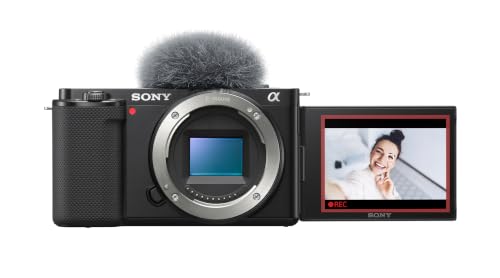
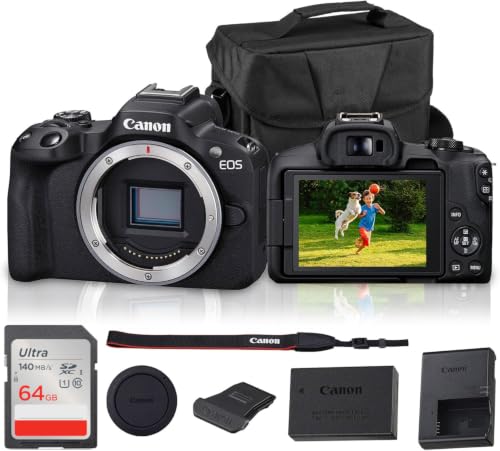
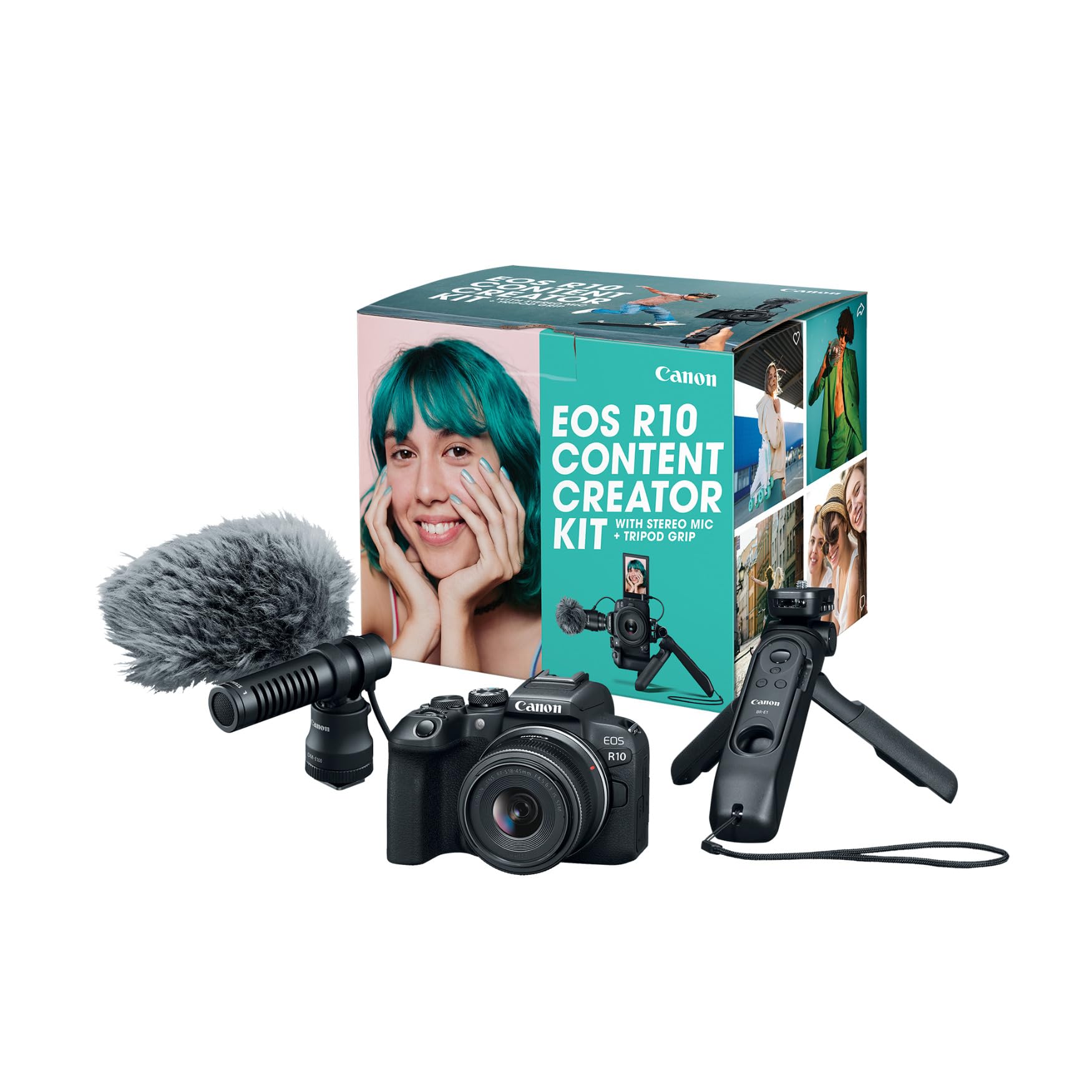


Types of Cameras Compared for HD Video
When you shop for best cameras for shooting hd video, start with type, because type decides lens choice, handling, sound options and total cost more than any single spec does.
Mirrorless Cameras for HD Video
Mirrorless cameras record video through the same large sensor they use for photos and accept interchangeable lenses. That gives strong low light quality and the widest lens choice. The trade off is cost and size, since a body plus lenses often runs about $700 to $2,500. If you also shoot stills, see our guide to the best still cameras for shooting video.
Action Cameras for HD Video
Action cameras are small, rugged and built to mount on a helmet, handlebar, chest strap or tripod. Most are weatherproof alone or waterproof in a housing, and stabilization is usually excellent for cycling, skiing and hiking. The limits are a tiny screen, modest zoom and sound that suffers in wind. Expect about $250 to $500, and choose this type when movement matters more than lens choice.
Compact Cameras for HD Video
Compact cameras put a 1 inch or smaller sensor and a fixed optical zoom lens in a body that fits a coat pocket. You get real zoom without separate lenses, which suits travel and family filming. Low light results trail larger sensors, and microphone ports are less common. Capable models cost about $400 to $1,000. For pocket sized options, see our guide to the best small hd video cameras.
Vlogging Cameras for HD Video
Vlogging cameras are built around filming yourself. Look for a screen that flips to face you, reliable face and eye autofocus, a wide lens and a clear built in microphone or a port for an external one. Most use a 1 inch sensor, so quality sits between a basic compact and a mirrorless model. Prices often run about $500 to $1,200, and most lenses are fixed.
Mirrorless Cameras Versus Action Cameras for HD Video
These two types sit at opposite ends of HD filming. A mirrorless camera wins on sensor size, lens choice, low light quality, audio ports and manual control. An action camera wins on size, toughness, mounting options and stabilization while you move. Pick mirrorless for planned filming on a tripod. Pick action for sport, water and rough weather.
How to Choose the Right Camera for HD Video
Work through the factors below in order. Sensor and lens decisions shape image quality, while recording limits, sound and battery shape whether a camera stays practical through a full session. For a broader short list, see our guide to the best hd video cameras.
Sensor Size and Image Quality for HD Video
Sensor size affects low light quality and depth of field more than megapixel count does. A 1 inch sensor suits compact and vlogging cameras and gives clean HD footage in daylight and decent results indoors. APS C and full frame sensors gather more light, so they hold detail in dim rooms. A good sensor with a bright lens beats a crowded sensor with a dim lens.
Features That Matter for Shooting HD Video
HD means 1080p resolution, and most current cameras also offer 4K video that you can crop or downscale for sharper HD files. Frame rates matter too, since 30 frames per second suits most filming and 60 frames per second gives smoother motion and usable slow motion. Autofocus that tracks faces and eyes matters if your subject moves, and stabilization helps handheld clips stay steady. Check the recording limit per clip too, because some cameras stop at about 30 minutes.
Lenses, Optical Zoom and Aperture for HD Video
The lens decides what you can frame and how much light reaches the sensor. On mirrorless cameras you choose by focal length, with wide lenses for rooms and longer lenses for stages. On fixed lens cameras, judge optical zoom rather than digital zoom, because optical zoom uses the lens itself and keeps detail, while digital zoom crops and softens the image. A lens at f1.8 or f2.8 also gathers far more light than one at f4.
Battery Life and Charging for HD Video
Video drains batteries far faster than photos, because the sensor, screen and stabilization run the whole time. Many mirrorless and compact cameras record about 60 to 120 minutes per charge in maker tests. Look for USB C charging so you can top up from a power bank, and budget for a spare battery. Action camera batteries may last only about 60 to 90 minutes each.
Durability and Weather Sealing for HD Video
Weather sealing means gaskets around doors, dials and lens mounts that resist dust and light rain. It is common on higher mirrorless bodies and lenses, but sealing is not waterproofing, so a sealed camera still needs shelter in heavy rain. Action cameras go further, with sealed bodies that handle spray and shallow water. Check that battery doors close fully before filming outdoors.
Choosing by the Filming You Do Most Often
Your most common filming day should drive the final choice. A parent filming school plays needs zoom and clear sound from a seat. A traveller needs small size and simple charging. A teacher needs long recording times. A filmmaker needs lens choice and audio ports most, so see our guide to the best hd video cameras for filmmaking.
Best Compact Cameras for Shooting Hd Video
The best compact cameras for shooting hd video stand out on three points. First, size, since a pocketable body is the camera you actually carry daily. Second, a useful optical zoom of about 3x to 10x, which covers groups, street scenes and stage moments without changing lenses. Third, simple automatic modes that set focus and exposure fast.
Common Mistakes to Avoid When Buying a Camera for HD Video
- Buying on megapixel count alone leaves you with poor low light footage, because sensor size and lens brightness matter more.
- Ignoring the per clip recording limit can stop a camera mid ceremony and lose the final minutes.
- Relying on the built in microphone for interviews makes voices sound thin and distant, even when the picture looks sharp.
- Choosing digital zoom over optical zoom softens detail, so distant subjects look smeared instead of clear.
- Skipping a spare battery cuts a filming day short, because video drains a charge faster than photos do.
- Paying for 4K video you never edit wastes money and card space if plain HD fits your screen.
Setup and Care Tips for HD Video Cameras
Before a session, format the memory card in the camera, set your frame rate and check focus and sound with a short test clip on headphones. Use a lens cloth, not your shirt, to clean the front element, because shirt fabric can trap grit and scratch coatings. Carry a spare battery and card in a dry padded bag.
At home, store the camera in a dry, padded bag with the lens cap on. Wipe salt spray and dust off the body after outdoor filming, and let a damp camera dry fully before closing it in a case. Update firmware when the maker releases a fix.
Frequently Asked Questions About HD Video Cameras
What features matter most in cameras for shooting hd video?
Autofocus that tracks your subject, stabilization and a microphone option matter most for everyday HD filming. Resolution alone rarely decides quality at 1080p, since most current sensors deliver enough detail. Film a person walking toward you while talking as a test. If focus holds and the voice stays clear, the basics are covered, and a hot shoe lets you add better microphones later.
How much should I spend on my first HD video camera?
Spend about $400 to $800 for a first HD video camera. Below that range you often lose a microphone port, reliable autofocus or a useful zoom. Above it you mostly gain larger sensors and more lens choice. Keep about 15 percent of your budget for a spare battery, a fast card, a microphone and a bag.
Is 4K video better than HD video for everyday filming?
Yes, 4K video is better when you want room to crop, straighten or zoom in during editing without losing HD sharpness. The costs are bigger files, faster cards and heavier editing demands. If you share clips online and rarely crop, HD saves space and time while still looking sharp on phones and laptops.
Which camera type is better for low light HD video?
A mirrorless camera with a large sensor and a bright lens is better for low light HD video than any compact or action model. Its sensor gathers more light, so evening rooms and stages stay cleaner with less grain. Help any camera by standing nearer a window or lamp and avoiding digital zoom, which magnifies noise.
Is a smartphone enough instead of a dedicated HD video camera?
A smartphone is enough for casual clips and social posts in good light. A dedicated camera pulls ahead when you need real optical zoom, longer recording without draining your phone, better sound through a microphone port, and fewer interruptions. Phones also interrupt filming for calls. If you film weekly, a separate camera earns its place. For all purpose options, see our guide to the best cameras for shooting videos.
Final Thoughts on Choosing a Camera for HD Video
Match the type to your filming first, then check sensor size, autofocus, sound and battery before you compare prices. Those points decide whether footage looks and sounds good. Use the product table above to confirm recording limits, ports and total cost.
When you choose best cameras for shooting hd video by situation rather than by spec sheets, the right type usually becomes obvious. Buy the simplest camera that covers your real filming, add a spare battery and a microphone, and spend your effort on light and framing.