
Best Cameras for Self Tapes: A Buying Guide for 2026
Disclosure: We may earn a commission when you buy through links on this page, at no extra cost to you. As an Amazon Associate I earn from qualifying purchases. Learn more

Compare the best cameras for self tapes by framing, room sound, autofocus, and file delivery, with price bands for actors at every budget level.
A self tape is judged before your first line lands. Casting readers watch the framing, the light on your face, and the sound of the room, and a tape that fails any of the three can end the viewing early. Picking the best cameras for self tapes is therefore not a hunt for cinema specs. It is a search for a camera that frames you plainly, keeps your eyes sharp, and records dialogue a phone speaker can carry.
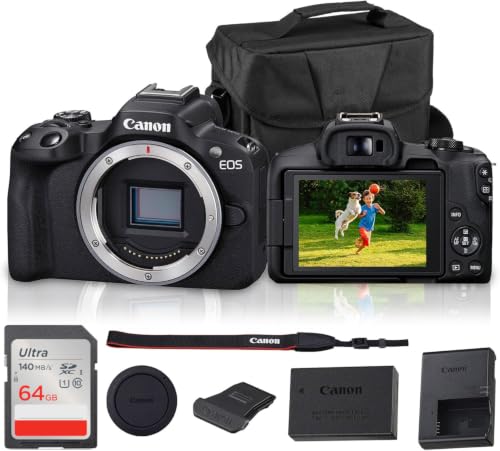
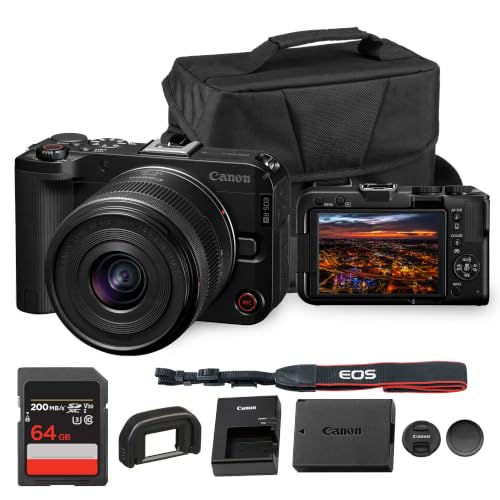
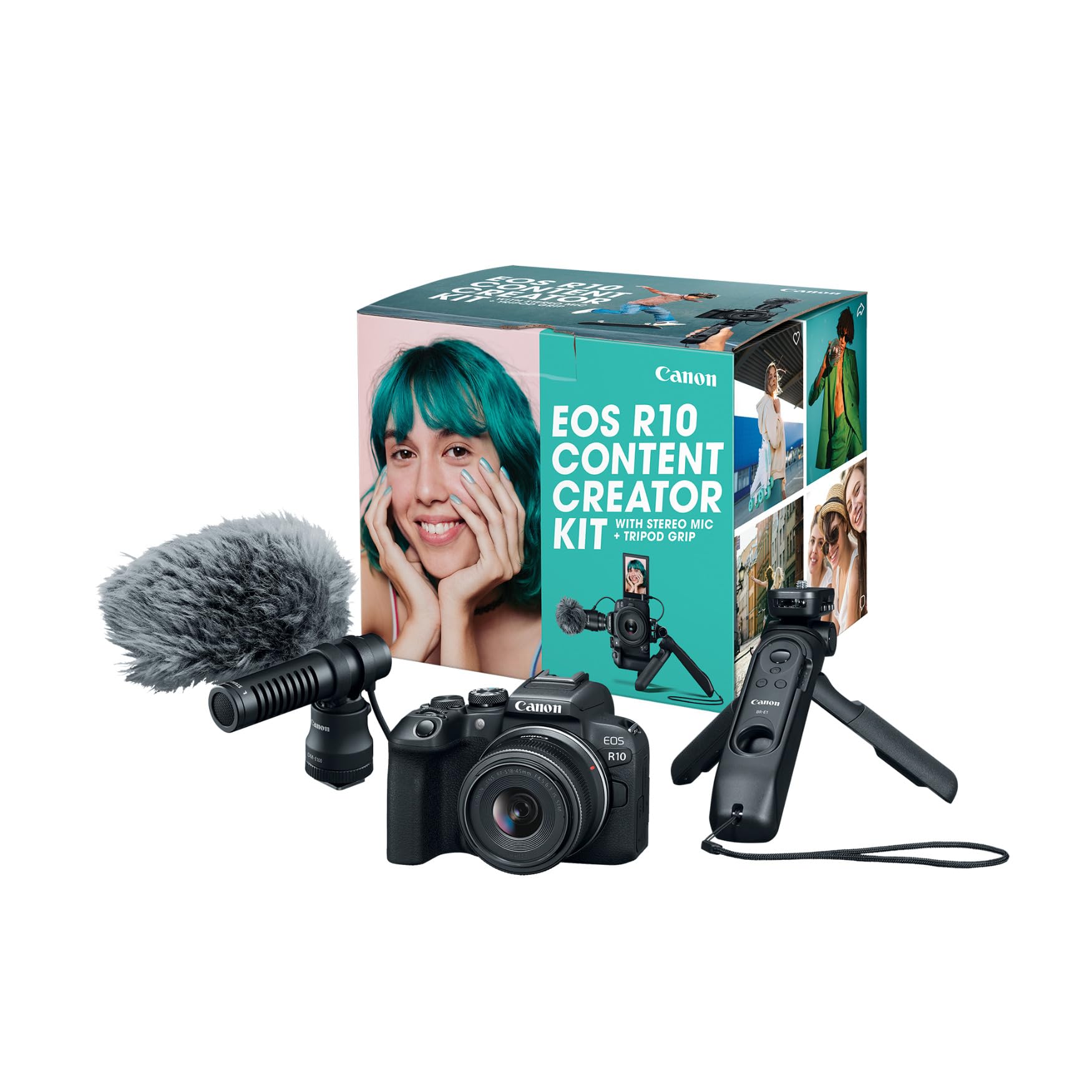
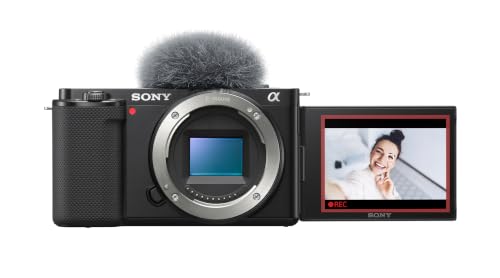
This guide starts with the frame and the room, then compares features, camera classes, and price bands. The comparison table below puts the main options side by side so you can shortlist before you spend.



Start With the Frame and the Room
Set the camera at eye level, roughly an arm and a half away, so the frame holds head, shoulders, and a little space above. A plain wall behind you keeps the reader on your face, and your eye line should land just beside the lens, where the reader in the scene would stand. Soft light from a window or a lamp in front of you beats a bright ceiling light, which carves shadows under the eyes. Actors who tape full scenes every week will find the same framing rules in our guide to best cameras for self tape auditions.
Sound decides more tapes than sensors do. A quiet room with soft furnishings beats a better camera in a bare kitchen, because echo blurs consonants and a casting reader will not strain to follow dialogue. Record a short test, play it back on a phone, and listen for hum from a fridge, traffic through a window, or a fan you stopped noticing. If the room cannot be quieted, a camera with a microphone input matters more than a larger sensor, since a small clip on microphone near your chest fixes what no lens can.
How to Choose: Features That Shape a Tape
Features That Matter for Self Tapes
Three features carry a self tape: a screen that flips to face you, so you can frame yourself alone; autofocus that finds and holds an eye while you move; and recording at 1080p or 4K with no practical time pressure, since most takes run under five minutes. Everything else is secondary. That flip screen is also why solo shooters cross shop this category with best cameras for self portraits. A camera that nails those three will out tape a costly body that fights you on framing.
Sensor Size and Image Quality
Sensor classes run from 1 inch in better compacts, through APS C in most mirrorless bodies, to full frame at the top. A larger sensor gathers more light and softens the background a little behind a sharp face. Megapixels matter least, since every current class records far more detail than a casting platform displays. The same classes divide best digital cameras as a whole, so lessons from stills shooting carry over.
Lens and Zoom Range
Most self tapes are shot in rooms where the camera sits about 6 to 10 feet from the chair. The lens needs a view wide enough to hold head and shoulders at that distance without crowding the frame edges, and an aperture that keeps your whole face sharp. A modest zoom helps you reframe between a close slate and a wider full scene without moving the tripod.
Sound Inputs and Monitoring
Built in microphones sit too far from your mouth in most rooms, so a microphone input is the single upgrade that changes a tape most. A headphone socket lets you check the test take for hum before you commit to a full read. If a camera lacks both, an external recorder can fill the gap, though syncing files adds a step to every session.
Files, Formats, and Sending the Tape
Casting platforms ask for common file types and reasonable sizes, so a camera that records standard video files and moves them quickly to a phone or computer saves real time on deadline days. Wireless transfer helps when the tape is due within the hour. Check how the camera names and organizes clips, because sending the wrong take is a mistake no image quality can undo.
Ease of Use and Working Alone
You are the crew. A self timer or a small remote starts the take without a sprint back to the chair, and tap to focus screens remove guesswork when nobody can check the frame for you. The same solo working tools explain the overlap with best cameras for self photography, where the shooter is also alone in front of the lens.
Autofocus and Stabilization
Eye detection autofocus earns its keep when you lean in or shift in the chair, holding focus on the nearer eye instead of the wall behind you. Stabilization matters less here than in almost any other video work, because the camera sits on a tripod and does not move. Spend on the focus system first; steady eye focus will carry more tapes than any headline zoom figure.
The Main Camera Classes
Each class below can produce a castable tape; they differ in light, sound, and effort. The classes overlap with those in best cameras for photography, but the priorities here are framing and dialogue, not prints.
Mirrorless Cameras
Mirrorless bodies pair larger sensors with eye detection autofocus and interchangeable lenses, so they grow with you from first tapes to booked work. They cost the most and ask the most learning, but for weekly taping they are the class that stops being the limit.
Point and Shoot Compacts
Better compacts with a 1 inch sensor and a flip screen tape clean, honest footage with almost no setup. The lens is fixed and the microphone input is often missing, yet for small rooms and quick turnarounds this class is the simplest route to a professional looking tape.
Camcorder Class Cameras
Traditional camcorders record for hours without fuss, handle audio well, and zoom smoothly for full scene work. Their smaller sensors need more light than mirrorless bodies, but long auditions, classes, and coaching sessions suit them well.
Smartphone Class
A current phone on a tripod, in good light, with an added microphone, already passes many casting checks. The limits are fixed framing distance, weaker low light footage, and interruptions, which is why a dedicated camera still earns its place.
What the Price Bands Buy
Under about $300, expect capable compacts and older used bodies. Framing and sound need help from a tripod and an added microphone, but a careful room setup can still produce a clean tape at this level.
About $300 to $700 is the working actor band: 1 inch compacts with flip screens and entry mirrorless bodies with real eye focus and microphone inputs. Most home taping needs are fully covered here, with money left for light and sound.
About $700 to $1,500 buys larger sensors, better low light footage, and lenses that separate you softly from the background. The gains are real, but polish framing and audio first, because readers forgive a modest sensor sooner than a muddy room.
Care and Maintenance Tips
A self tape setup lives in one corner and works on deadline, so small habits keep it ready.
- Wipe the lens with a clean cloth before a session, since a fingerprint haze reads as cheap footage.
- Keep a spare battery charged, because a tape due in an hour cannot wait on a charger.
- Store the camera in a padded bag away from steam and dust when the corner doubles as living space.
- Update camera software when the maker offers autofocus improvements, and test before a deadline.
- Back up your best takes in two places, so a failed card never erases a performance you may need again.
Cameras for Self Tapes: Questions Answered
What features matter most in a camera for self tapes?
A flip screen, eye detection autofocus, and a microphone input matter most, in that order. The screen lets you frame head and shoulders alone, the focus holds your nearer eye as you move, and the input lets a small clip on microphone fix the room sound. Resolution beyond 1080p helps little, because casting platforms compress uploads and most readers watch on laptops or phones.
How much should an actor spend on a first self tape camera?
Most actors should plan on about $300 to $700 for the camera, then reserve money for a tripod, a simple light, and a microphone. Spending the whole budget on the body leaves the two things readers notice most, light and sound, unfunded. A sensible split is two thirds for the camera, one third for the gear around it.
Which camera class handles low light best for self tapes?
Mirrorless cameras with APS C or full frame sensors handle low light best, holding clean faces at the light levels of a normal living room. A 1 inch compact is the next step down and still tapes well near a window. Whatever the class, adding one soft light in front of you improves the tape more than a sensor upgrade does.
Is a smartphone enough for self tape auditions?
Yes, for many auditions a current smartphone on a tripod is enough, provided the light is soft, the room is quiet, and airplane mode is on so nothing interrupts the take. A dedicated camera earns its cost when you tape weekly, shoot in dim rooms, or need a microphone input and a screen you can trust from the chair. Phones also fill up fast with long takes, so storage is the quiet limit.
Can a self tape camera double for headshots and reels?
Yes, and that double duty is a fair way to judge value. The same body that tapes your auditions can shoot headshots with a longer lens setting and steadier light, and short reel scenes benefit from the same autofocus. Choose a camera you will also enjoy for stills, and it will get used between auditions instead of sitting in a bag.
Final Thoughts
Build the tape in order: a plain frame at eye level, a quiet room, then a camera that keeps focus and files simple. Judge every option in the product table above against those three checks before you compare sensors or zoom figures. Chosen that way, the best cameras for self tapes for you are the ones that disappear, leaving only the performance for the reader to judge.

