
Best Binoculars for Plane Spotting in 2026: Which One Fits the Way You Use It?
Disclosure: We may earn a commission when you buy through links on this page, at no extra cost to you. As an Amazon Associate I earn from qualifying purchases. Learn more

Match the best binoculars for plane spotting to fence line, airshow and balcony watching with checks on power, field of view, coatings and price.
There is no single glass that suits every spotter, because the fence line at a regional airport, a crowded airshow and a quiet home balcony each ask for something different. The sensible order is to start with how and where you watch, then match power, field and build to that habit. Search results attach the phrase best binoculars for plane spotting to everything from pocket glass to tripod mounted giants, so your use case has to be the filter.
This guide sorts spotters into real watching styles, explains the specs behind a clean tail number read, and shows what each price band buys. The product table lines up current options, and the sections below help you choose among them.


Who Should Buy Which Binoculars?
Start with the watcher you actually are, not the one a spec sheet imagines: sessions, distances and light change more between these groups than any single spec does.
Fence Line Watchers at the Local Airport
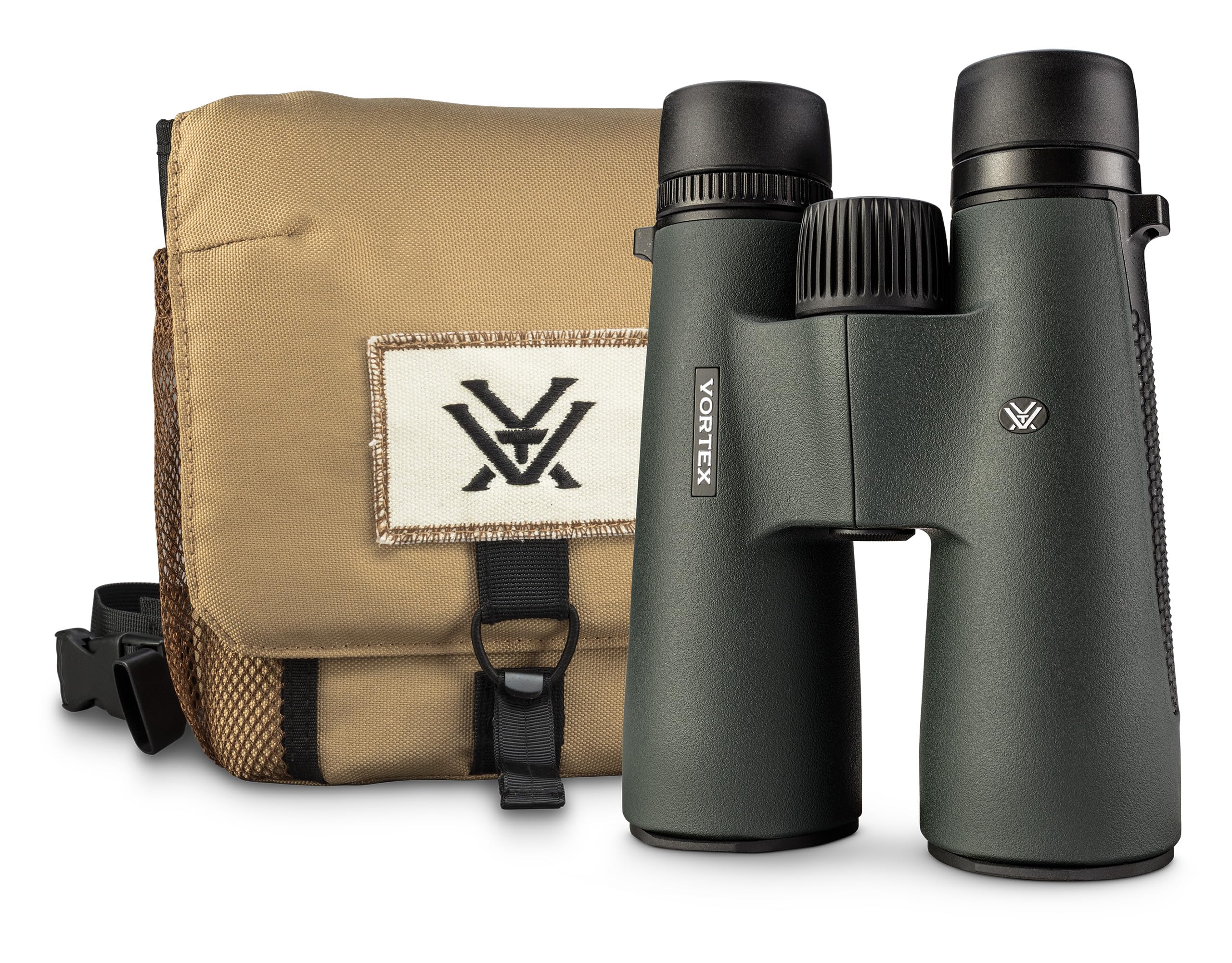
Regulars at the perimeter fence watch arrivals and departures from a few hundred yards, often for hours, so comfort matters as much as reach. A full size 8x42 or 10x42 with a generous field of view covers this ground well. Weight you barely notice in minute one becomes the whole story by hour two, so try the hold before you commit.
Airshow and Display Team Spotters
Airshow watching is tracking work: fast jets cross the view in seconds and the glass has to swing with them. Field of view and smooth focus matter more here than raw power, and stabilization earns a look for handheld panning. Spotters who want a record of the day move to a different tool class entirely, since a camera captures frames while a binocular only shows the moment; our guide to the best cameras for plane spotting covers that recording route.
Travelers, Balcony and Window Watchers
If your spotting happens from a hotel balcony, a terminal window or a bag that is already full, compact glass is the honest fit. Powers of 8x in a 25 mm or 32 mm class keep the view steady and the weight low. You give up some dusk brightness and field, a fair trade when the alternative is leaving the binocular at home. Small glass that travels beats fine glass that stays in a drawer.
Key Features of the Best Binoculars for Plane Spotting
Choosing the best binoculars for plane spotting comes down to five checks, and the order matters. Work through power first, then field, then the coatings that fight sky glare, and only then worry about the extras.
Magnification Read Against Hand Shake
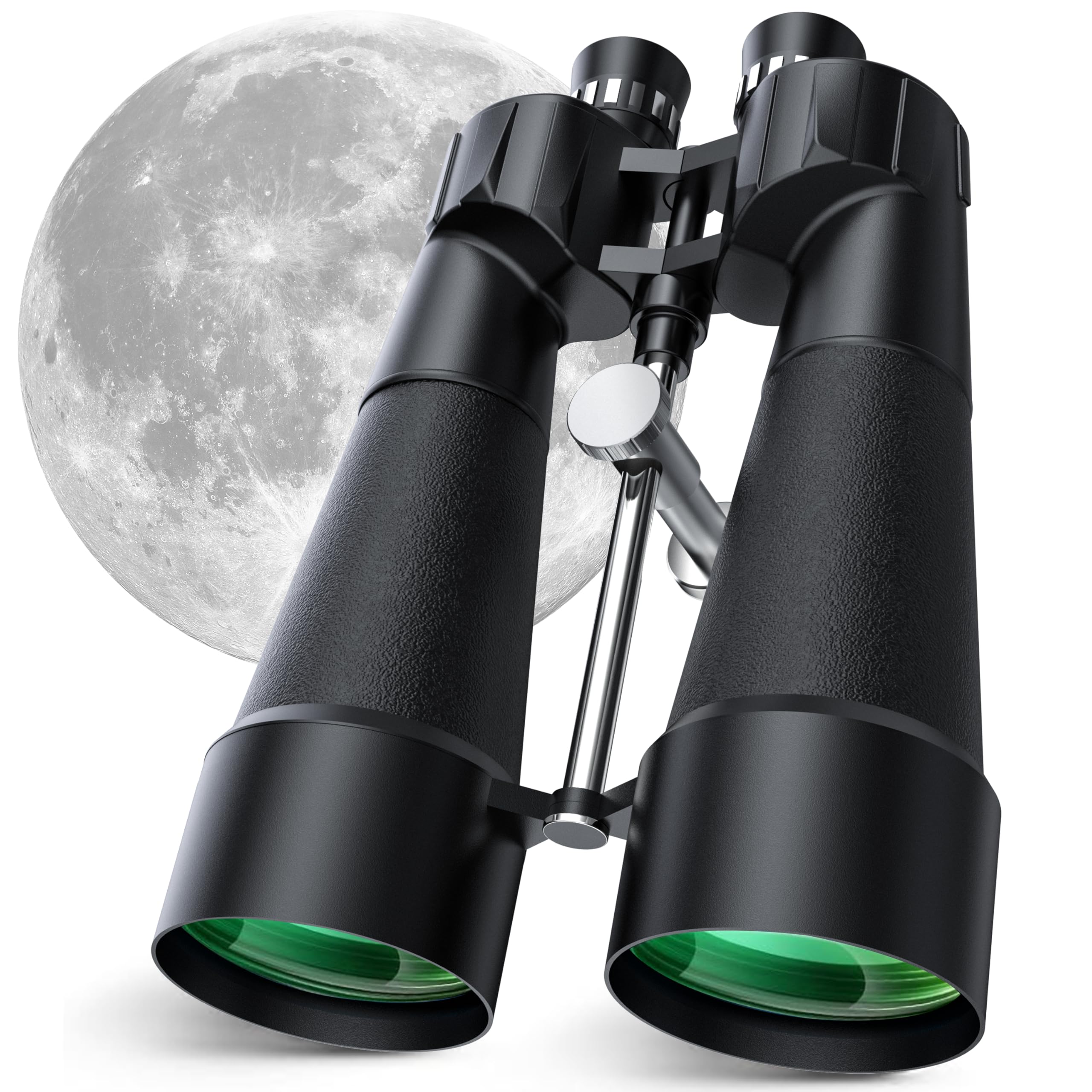
Plane spotting is a distance job, so power tempts every buyer, but power must be read against shake. Every step up in magnification magnifies the tremor in your hands by the same amount, and a shaky 12x view shows less detail than a calm 8x view. For handheld use, 8x and 10x are the working classes, with 10x42 the common fence line choice, and past that class, at about 12x and above, a tripod is the honest answer rather than stronger arms. Stationary watchers comparing tall tripod setups can also browse the wider family in our guide to the best spotting binoculars, which covers scopes built for fixed positions.
Field of View and Tracking a Moving Jet
A narrow field loses a moving aircraft. When a jet crosses at speed, you find it, follow it and read it inside a window of seconds, and a tight view makes the finding and following harder than the reading. Tracking is the spotting skill the glass must serve, so favor the wider field in any close call between two models. The same wide field logic drives our guide to the best binoculars for birdwatching, where the target also crosses the view quickly, and the scanning habits in our guide to the best binoculars birding transfer directly to runway work.
Coatings and the Glare of a Bright Sky
Sky light is a glare problem, because you spend the day looking up into bright haze, often toward the sun side of the field, and pale liveries wash out against a pale sky. Coating classes decide how much of that bright read survives: fully multi coated glass keeps contrast when cheaper coatings flare and fade. Judge a candidate by how it holds a white tail against bright cloud, not by how it performs facing away from the light. This single check separates spotting glass from general glass.
Image Stabilization and When It Earns Its Price
Stabilized binoculars use powered gyros to calm the image, and they change what handheld power is usable. A stabilized 12x or 14x can read a registration that a standard glass of the same power smears, which makes stabilization a real option for spotters who refuse tripods. The costs are price, weight and batteries, since the system runs only while powered. Treat it as a tool for high power handheld work, not as a default upgrade for an 8x fence line glass.
Weight, Eye Relief and Long Sessions
Spotting sessions run long, and small comforts compound. Eye relief decides whether glasses wearers see the whole field or a tunnel, so wearers should look for about 16 mm or more and eyecups that fold or twist down fully. A wide, padded neck strap spreads the load during the walks between movements. Waterproof, fog resistant sealing matters, because morning dew and sudden showers are normal spotting weather.
What Each Price Band Buys
Entry glass at about $50 to $120 covers casual watching and lends well to beginners and kids at the fence. The middle band, about $120 to $300, is where spotting value concentrates: better coatings, wider fields, sealed bodies and focus wheels that stay smooth. Above about $300 you pay for premium glass clarity, stronger builds and, at the top, stabilization. Star scores flatten all of this into one number, so read any roundup of the best rated binoculars with care: a rating says owners were pleased, not that the field suits a fast crossing jet.
Common Mistakes to Avoid When Buying Binoculars
- Buying the highest power on the shelf, then fighting hand shake on every pass instead of reading the aircraft.
- Ignoring field of view, which turns finding and tracking a moving jet into constant hunting.
- Skipping the coating class, so bright sky glare washes out pale liveries and tail markings.
- Choosing glass too heavy for the session length, then leaving it in the bag by midday.
- Buying a 12x or stronger glass with no tripod adapter option for still, distant watching.
- Judging only by star ratings written for other hobbies, where the winning specs are different.
Setup and Care Tips
Set the interpupillary distance and the diopter once, carefully, before your first session; a diopter set wrong blurs one eye all day. Clean lenses with a soft lens cloth, never a shirt, since grit in fabric scratches coatings. Keep the caps on between movements, store the glass in a dry, padded bag, and let a cold binocular warm up slowly indoors so condensation stays off the inner glass. A harness strap beats a thin neck cord when you walk the fence line for hours.
Frequently Asked Questions
What features matter most in binoculars for plane spotting?
Power matched to a steady hold, a wide field of view and strong lens coatings matter most. Most spotters settle on 8x42 or 10x42 because that class balances reach, brightness and weight for handheld use. Field of view deserves more weight than buyers usually give it, since your real task is finding and following a moving aircraft. Coatings protect contrast against bright sky, which is where tail numbers are won or lost.
What does 8x42 or 10x42 mean on binoculars for plane spotting?
The first number is magnification and the second is the front lens diameter in millimeters. A 10x42 makes a jet look ten times closer and gathers light through 42 mm lenses, while an 8x42 trades a little reach for a wider, steadier view. Dividing the second number by the first gives the exit pupil, a guide to low light strength. For fence line work, both classes are sensible starting points.
Which binoculars work better for plane spotting in low light at dusk?
Larger front lenses and moderate power work better at dusk. An 8x42 or a 10x50 gathers more light than a compact 10x25, and the image stays usable later into the evening. Fully multi coated glass helps again here, because dusk spotting is a contrast problem as much as a brightness one. If most of your watching happens near sunset, size the glass for that hour rather than for noon.
What specs matter most for a beginner buying binoculars for plane spotting?
A beginner should start with 8x42, a field of view on the wide side, and a focus wheel that turns smoothly with one finger. That class is forgiving of shaky hands while the tracking skill develops, and it stays useful for travel and general outdoor use later. Weight under about 700 grams keeps long sessions pleasant. Skip stabilization and very high power until the basics feel easy.
How much should a first pair of binoculars for plane spotting cost?
About $120 to $300 buys a first pair that a beginner will not outgrow in one season. Below that band, coatings and focus mechanisms are the usual compromises, and the view suffers exactly where spotting is hardest. Above it, gains are real but slower, mostly edge clarity and build strength. The product table shows where current models sit inside those bands.
Is a smartphone enough instead of binoculars for plane spotting?
A smartphone is not enough for reading aircraft at spotting distances. Phone zoom is mostly digital cropping, so a tail number dissolves into pixels long before a 10x binocular stops resolving it. A phone still earns its place for flight tracking apps, timetables and photos of parked aircraft at close range. Treat the two as partners: the app tells you what is coming, and the glass lets you actually see it.
The Bottom Line
Match the glass to the session: fence line regulars belong in a comfortable 10x42, airshow trackers should prize field of view and consider stabilization, and travelers should take compact glass they will actually carry. Across every style, the same three checks decide the purchase, so power read against shake, a wide field for tracking and coatings that hold contrast in bright sky. Choose with those checks and the best binoculars for plane spotting for your routine stops being a guess, so compare your shortlist against the product table before you order.


