Best Cameras for Pictures and Vlogging: Budget, Midrange, and Premium Picks for 2026
Disclosure: We may earn a commission when you buy through links on this page, at no extra cost to you. As an Amazon Associate I earn from qualifying purchases. Learn more

Compare the best cameras for pictures and vlogging by budget level, with the features worth paying for and the extras you can skip.
A camera that takes good pictures and also films yourself is really two jobs in one body, and the price you pay changes which job it does well. The best cameras for pictures and vlogging sit where sharp stills, steady autofocus on your face and clear sound meet a size you will actually carry. This guide walks through three budget levels so you can see what each step up buys and where extra money stops helping.
The product table above lists current models. Use the sections below to decide which budget level fits your shooting, then compare the features that decide daily results.

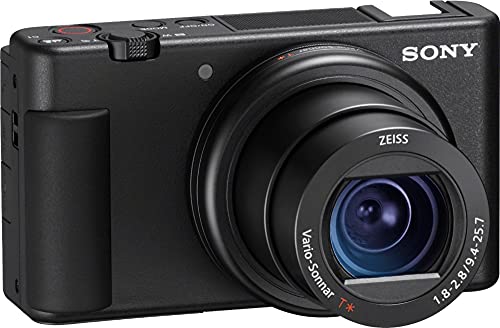


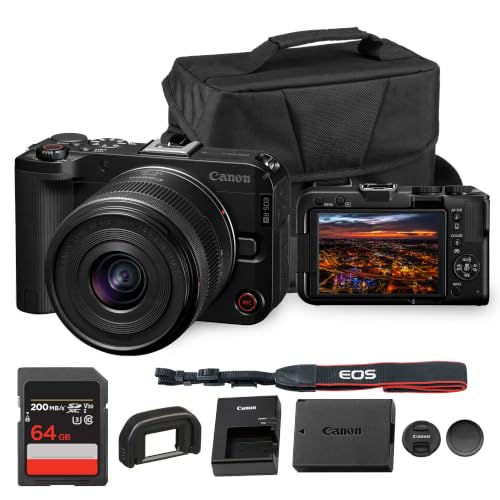


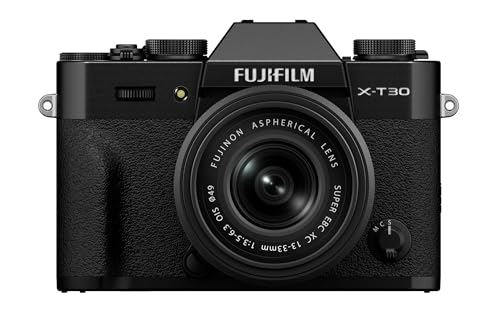
What Your Money Buys at Each Budget Level
Hybrid cameras sort into three groups by price. The names below are budget bands, not rankings: the right one is the one that matches how often you shoot and where.
Budget Level: Simple Compacts and Small Sensor Cameras
Under about $300, expect a compact camera with a small sensor, a fixed zoom lens and a screen that may flip forward. Pictures look good in daylight and video is fine for sharing online. The compromises show up indoors, where grain appears, and in sound, where the built in microphone picks up wind and room echo. This level suits students, casual family clips and anyone testing whether vlogging is for them.
Midrange Level: One Inch Compacts and Entry Mirrorless Cameras
From about $300 to $900, the sensor gets larger, the autofocus follows faces and eyes, and many models add a microphone input and a clean flip screen. Pictures hold detail in dim rooms and video looks smoother when you walk and talk. For most people who want both stills and regular videos, this is the level that returns the most for the money, and it is where a second lens or an external microphone becomes a sensible next purchase.
Premium Level: Large Sensors, Fast Lenses and Longer Recording
Above about $900, you pay for large sensors, brighter lenses, in body stabilization and recording that does not stop after a short clip. Background blur is stronger and low light files are cleaner. These cameras suit creators who publish every week, shoot paid work or print large photos. The cost extends to lenses, batteries and a heavier bag, so choose this level only when your current camera is the real limit.
Features Worth Paying For
Not every line on a spec sheet changes your pictures or your videos. Rank the features of the best cameras for pictures and vlogging in this order, and skip the rest until the basics are covered.
Autofocus That Holds Your Face
For vlogging, autofocus must stay on your eyes as you walk, turn and hold up products. For pictures, the same face and eye detection saves family and travel shots. Contrast only focusing tends to pulse, so look for models described with face or eye tracking and check sample clips in indoor light.
A Flip Screen and Handling You Can Use Alone
A screen that flips to face you lets you frame yourself without a helper. A comfortable grip, a record button within reach and a tripod thread matter as much as the sensor when you film and photograph on your own. Size also decides whether the camera leaves the house at all.
Sound: Microphone Input and Wind Control
Viewers leave a video with bad sound sooner than one with a soft picture. A microphone input lets you add a small shotgun or wireless microphone later, and a wind reduction setting helps outdoors. Built in microphones are fine for short casual clips but pick up everything around the camera.
Sensor Size and Low Light
A larger sensor gathers more light, which keeps indoor pictures and evening video cleaner. A one inch sensor is a clear step up from a phone, and larger sensors give stronger background blur. Megapixels matter less than sensor size and lens quality for everyday photos and online video.
Stabilization, Battery and Recording Limits
Stabilization smooths handheld walking shots and sharpens slow shutter photos. Battery life drops quickly with video and the screen on, so plan a spare battery and charging from a power bank. Check the maximum clip length and whether the camera overheats, because some models stop recording during long takes.
Which Budget Level Fits You?
Match the level to your habits. A weekend traveler who films short clips is well served by a midrange compact. A parent who wants better school event pictures plus a few videos can stay near the budget level and spend the difference on a card and a spare battery. A creator posting weekly, or a seller filming product demos, gets more from a premium body with a good microphone input.
If you mainly shoot stills, see our guide to the best cameras for pictures. If video is your priority, our guide to the best cameras for vlogging goes deeper, and new creators can start with the best vlogging cameras for beginners. For the wider category, see our guide to the best digital cameras.
Long Term Costs to Factor In
The body is only the first cost. Budget for a fast memory card, a second battery, a small tripod or grip and a microphone, which together often add 20 to 30 percent to the camera price. Interchangeable lens systems add lenses over time, and a bright prime lens often improves indoor pictures and video more than a new body does. Back up files to two places so a card failure never costs you a project.
Common Mistakes to Avoid
- Buying for 4K alone and ignoring autofocus, which decides whether your face is sharp.
- Skipping a microphone input, then finding indoor sound hollow and impossible to fix later.
- Choosing a camera too heavy to carry, so the phone ends up taking every picture.
- Spending the whole budget on the body and leaving nothing for a card, battery and microphone.
- Trusting battery ratings for photos when you will mostly film, since video drains the battery faster.
Frequently Asked Questions
What features matter most in cameras for pictures and vlogging?
Face and eye autofocus, a flip screen and a microphone input matter most, because they decide whether you can film yourself and still get sharp stills. Sensor size comes next, since it sets low light quality for both jobs. Resolution labels and long feature lists matter least.
Is a smartphone enough for pictures and vlogging?
A recent phone is enough for casual clips and everyday snapshots, and it is always with you. A dedicated camera pulls ahead for optical zoom, cleaner indoor light, stronger background blur and a microphone input. Many creators keep the phone for quick posts and use a camera for planned shoots.
Which budget level is best for low light?
The midrange and premium levels handle low light better because their larger sensors and brighter lenses gather more light. Even so, a small lamp in front of you improves indoor video more than any single camera upgrade, so add light before you chase a bigger sensor.
How much storage do I need for photos and video?
Photos take little space, but video fills cards quickly. A 128 GB card holds roughly an hour or two of high quality 4K video, depending on the camera settings, so carry a second card on long days. Copy files off the card after each shoot and keep two backups.
How much should I spend on my first hybrid camera?
Most first time buyers do well between about $300 and $900 for a camera that handles both jobs. Spend less if you shoot rarely in good light, and spend more only when you publish often or print large. Keep a small reserve for a card, a spare battery and a microphone.
Final Thoughts
Pick the budget level that matches how often you shoot, then check autofocus, the flip screen and the microphone input before price. Compare current options in the product table above, and spend the savings on light and sound. Chosen this way, the best cameras for pictures and vlogging give you sharp photos and watchable videos without a heavy kit.