
Best Cameras for Sports Pictures Made Simple: A Clear Buying Guide for 2026
Disclosure: We may earn a commission when you buy through links on this page, at no extra cost to you. As an Amazon Associate I earn from qualifying purchases. Learn more
A first time buyer guide to the best cameras for sports pictures, with the distance rule, three plain buying classes, and a simple first match routine.
Buying your first real camera for games and matches is easier than the shop wall makes it look. You do not need to learn every term before you choose well. You need one rule, three classes, and a short list of plain English meanings, and this guide walks through them in that order. By the end you will know what the best cameras for sports pictures have in common, what you can safely ignore, and what your first match day should look like.
Everything here is written for a first purchase, with no model names and no jargon left unexplained. The comparison table below lines the classes up side by side, and the sections after it translate each spec into what it does for your pictures on an ordinary Saturday.





The Distance Rule Comes Before Everything Else
Here is the rule in plain words: how far you sit or stand from the action decides the lens, and the lens decides most of the price. A player 30 yards away fills only a small part of the frame with a short lens, and no setting can grow that player afterward. Cropping a tiny section of a picture just enlarges the softness, so beginners who buy by body features alone end up with sharp pictures of very small athletes.
Zoom numbers need one translation. Optical zoom uses real glass to bring the action closer and keeps the detail. Digital zoom simply crops the picture inside the camera and throws the rest away, which you can do better later on a computer. Most listings across the best digital cameras market shout the combined number, so read the smaller optical figure, ignore the digital one, and work out your usual distance first, from your seat to the far side of the field, so that distance can choose your class below.
The Three Classes in Plain Words
The classes below are named by who they fit, not by brand, and each total includes the parts a first buyer forgets. Our guide to best sports cameras walks through the body tiers in more depth once you know which class is yours. If a class total looks higher than the camera prices you have seen advertised, that gap is the spare battery and the fast cards, which are part of the true price of every class.
The School Sports Class
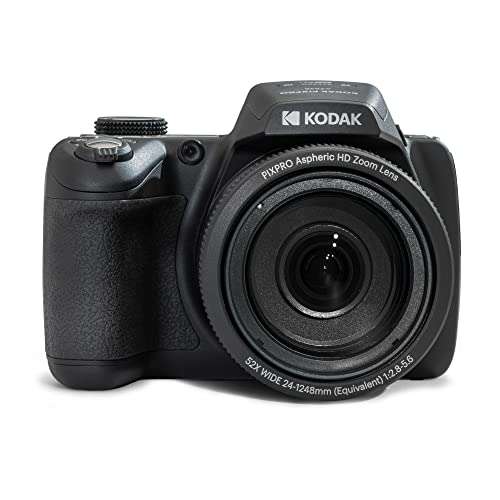
This class suits parents shooting outdoor school games in decent light. The camera is usually a single unit with a long built in zoom, so there is nothing to swap and nothing to misplace. Expect a total of about $350 to $600 once a spare battery and two fast cards are counted. Daylight results can be genuinely good, but the honest limit is the gym: this class has a smaller sensor, so indoor pictures get grainy when the light drops, and no setting fully fixes that.
The Serious Parent Class
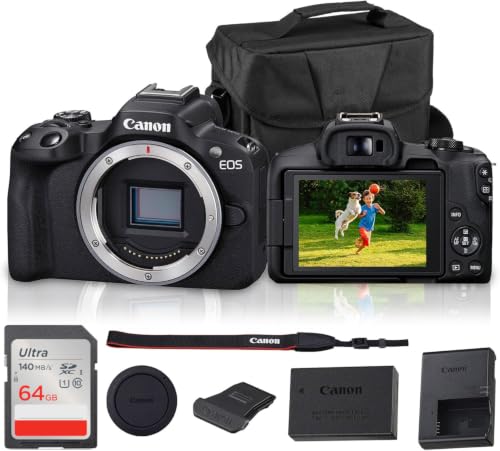
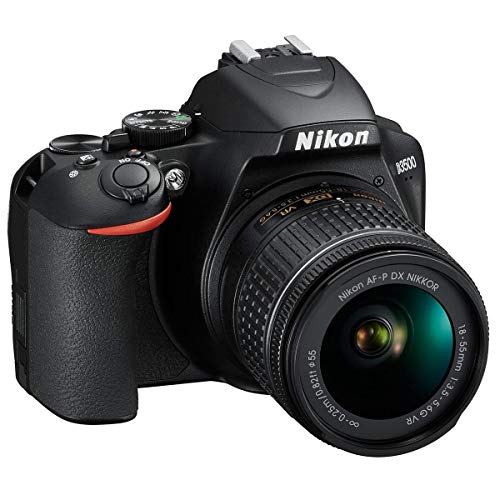
This class suits the parent who shoots every week, indoors and out, and wants pictures worth printing. The camera body takes interchangeable lenses, and you pair it with one long lens that covers your field. Expect a total of about $750 to $1,400 for the body, the long lens, a second battery, and fast cards. Focus tracking in this class can follow a player across the frame, and the larger sensor keeps evening gym shots usable, which is why this is the class most first buyers are happiest in for the longest time.
The Club Class
This class suits volunteers and keen amateurs covering a whole club, several teams, and long tournament days. Bodies here shoot longer bursts without slowing, track subjects through clutter, and carry sealing against rain and dust. Expect a total of about $1,900 and up, with the long lens taking the biggest share. The pictures are better in weak light and the camera shrugs off weather, but the kit is heavier and the learning curve is steeper, so buy it for a real schedule of games rather than a single season.
Specs Translated Into Plain English
Four ideas explain nearly every line on a sports camera listing. Learn these and the rest of the sheet is decoration. A camera chosen from the best cameras for pictures shelf may list the same words, but still scenes never test them the way a moving player does.
Burst Rate Means Photos per Second, With a Catch
Burst rate is how many pictures the camera fires while you hold the button down. The catch is the buffer, a small memory that fills while the camera writes to the card. When the buffer fills, the camera slows until it clears, which is why a headline rate can feel fast in the store and sluggish at a finish line. Maker burst figures are best case class figures from ideal conditions, and they are not comparable across brands, so treat the number as a rough guide and value a deep buffer over a flashy rate.
Focus Tracking Is the Skill That Matters
Focus tracking means the camera locks onto your player and keeps adjusting as the distance changes. Single shot focus, the default on many cameras, locks once and then the player runs out of it. For sports you want the continuous mode, often marked with a C or called servo tracking, plus a focus area wide enough to forgive your aim. This one setting change improves more first season pictures than any purchase, because most blur blamed on cheap cameras is focus that stopped following the subject.
Sensor Size, Without the Jargon
The sensor is the surface that records the light, and bigger surfaces record weak light more cleanly, which is the whole idea. A bigger sensor will not make a distant player larger, and it will not fix a short lens, but it decides whether a gym picture looks smooth or speckled. Megapixel counts, by contrast, mostly decide how large you can print, and every class in this guide has enough for family prints. Spend on the sensor before you spend on pixels.
Why Gym Pictures Are the Hardest Test
Gym light looks bright to your eyes and dim to a camera, and that gap surprises every beginner. The camera answers weak light by slowing the shutter, which blurs moving players, or by raising sensitivity, which adds grain. Better classes fight back with larger sensors and lenses that open wider to gather more light. If half your season is indoors, judge every camera by this test first, because a class that handles the gym will handle sunny fields without trying.
Your First Match: A Simple Routine
A calm routine beats a fancy camera on the day. Work through these steps in order and your first match will teach you more than a week of reading.
- Charge both batteries the night before and format the memory card in the camera.
- Arrive during the warm up and stand where the action will come toward you, near the middle of the field.
- Set continuous focus and the burst mode before the first play, not during it.
- Take test pictures of the warm up and zoom in on the screen to check they are sharp.
- Shoot in short bursts as plays develop, then lower the camera and watch some of the game with your own eyes.
- At the end, review a few pictures at home and note one thing to change next time.
Rookie Mistakes That Waste Money
- Choosing by megapixel count, which decides print size and almost nothing about action pictures.
- Believing the digital zoom number on the box and discovering the reach was never real.
- Leaving the camera on single shot focus, so every runner leaves the focus point behind.
- Judging sharpness on the camera screen at the store, where every picture looks crisp at small size.
- Buying the largest camera bag of accessories before owning a second battery.
Looking After Your New Camera
Simple care keeps a first camera working for years. Clean the lens with a proper cloth kept in its own small pouch, because a cloth carried loose in a pocket gathers the grit it is meant to remove. Store the camera in a padded bag in a dry room, never in a hot car trunk, and take the battery out if the camera will sit unused for a month. After a dusty or wet game, wipe the body down with a slightly damp cloth and let everything dry fully before closing the bag.
Frequently Asked Questions
How much does a complete first sports camera setup cost once the extras are counted?
A complete first setup costs more than the camera sticker, and planning for that gap prevents the usual disappointment. Add a second battery at about $40 to $70, two fast memory cards at about $30 to $60, and a padded bag at about $30 to $50. On a school sports class camera that brings the real total to roughly $450 to $750. None of these extras is optional in practice, because a flat battery or a slow card ends a match day early.
Is one lens enough for a whole season of school sports?
One long zoom lens is enough for a whole season for most school sports buyers. A single lens that runs from short to long covers the near touchline and the far side without swaps, which means no missed plays and no dust let in during changes. Two lens setups earn their place when gym light forces a wider aperture, or when one field is much larger than the rest. Start with one, shoot a month, and let your actual pictures, not a sales pitch, argue for a second.
Why do gym pictures blur even when the camera is set to sports mode?
Gym pictures blur because sports mode cannot create light that is not there. The camera slows the shutter to gather enough light, and moving players cross the frame during that longer exposure. The fixes are to raise sensitivity higher than feels comfortable, open the lens aperture to its widest setting, and stand closer so players fill more of the frame at a shorter zoom. Some grain from high sensitivity is normal and looks far better than motion blur.
Does 4K video matter if I mostly want still pictures?
4K video matters only if you plan to film games or pull still frames from clips. For still pictures it adds cost and menu clutter without improving a single photograph, and frame grabs from video are lower in detail than real stills from the same camera. Buyers who record a few short clips for family sharing will use it gladly. Everyone else should judge a camera by tracking, burst depth, and sensor size, and let the video specification be whatever it happens to be.
What should a beginner check before buying a used sports camera?
Check the shutter count, the sensor, and the tracking before paying for a used sports camera. A very high shutter count means the mechanism has lived a hard life, and sports bodies collect counts quickly. Look through the lens at a plain bright surface to spot sensor dust or marks, and fire a burst at a moving car or a running dog to confirm the buffer clears at a steady pace. Buy only with a return window, since some faults appear only during a full match.
Final Thoughts
Keep the order straight and a first purchase is hard to get wrong: distance first, class second, specs last. The best cameras for sports pictures for a beginner are not the most powerful ones on the shelf; they are the ones whose lens reaches your field, whose tracking follows your player, and whose total price quietly included the battery and cards. Compare your shortlist against the product table above, take the first match routine with you, and expect your pictures to improve every single week.


