
Best Cameras for Novice Photographers: Matching the Right Camera to Your Routine in 2026
Disclosure: We may earn a commission when you buy through links on this page, at no extra cost to you. As an Amazon Associate I earn from qualifying purchases. Learn more

Match the best cameras for novice photographers to your daily routine, with plain guidance on sensors, first lenses, low light help and honest budgets.
There is no single first camera that suits every beginner, because a novice who photographs toddlers in a dim living room needs something different from a novice who walks a city before work. The practical way to shop for best cameras for novice photographers is to match the camera to the routine it will actually live in. This guide sorts buyers by routine first, then covers the few specifications that genuinely change a beginner's results. The comparison table below gathers the main camera classes side by side so the differences are easy to scan.
Price matters, but it should come after fit. A camera that feels confusing stays in a drawer, while a modest camera that invites daily use teaches more in a month than an advanced body teaches in a year. Keep that order in mind as you read: routine, handling, lens, and only then the finer specifications.





Start With the Routine the Camera Has to Fit
Your week decides more about the right camera than any specification sheet. Find the routine below that sounds most like yours, because each one points to a different class of camera and a different place to put your money.
The Daily Carry Novice
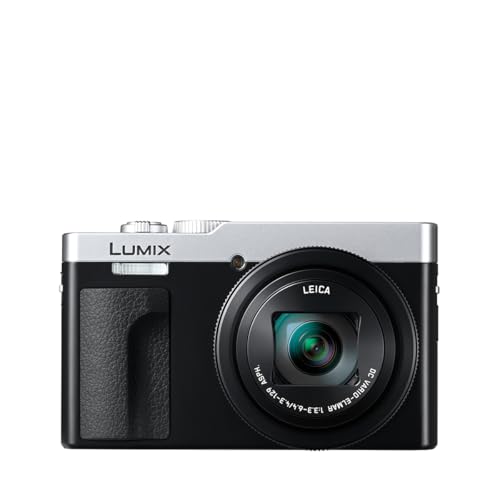
If the camera has to slip into a jacket pocket or a small everyday bag, size is the deciding factor, and a compact fixed lens camera or a small interchangeable lens body with a slim lens is the honest class. Simple controls matter here, because a camera you grab without thinking gets used on ordinary days, not just special ones. Readers comparing labels will also find a shorter version of this advice in our guide to best cameras for novices, which covers the same shelf under the briefer name. Whichever name you search by, judge the daily carry class by weight and by how fast it starts.
The Family Recorder
Family life rewards speed and forgiveness more than it rewards fine manual control. Look for autofocus that finds faces and eyes on its own, a screen that tilts for low angles, and dependable results indoors where light is weak and children refuse to sit still. Video in this class matters for birthdays and school events, so a camera that records clean clips without extra parts earns its keep. A modest zoom range covers most rooms and gardens, and it keeps the camera light enough to bring along every time.
The Deliberate Learner
Some novices already know they want to learn exposure properly, and for them a camera with clear dials and a lens mount is the right starting class. Changing lenses teaches more about light and distance than any menu feature, and manual controls that sit under your fingers make practice faster. A companion guide to best cameras for starting photographers approaches this same step as a checklist of what to verify before spending, which pairs well with the routine view taken here. Buy the learner class only if the extra size still feels welcome in your hands.
The Weekend Traveler
Travel routines punish bulk and reward stamina. A traveler needs a battery that lasts a full day of walking, a body that tolerates dust and the odd splash, and one versatile zoom instead of a bag of lenses. Weight saved on the camera is weight available for water, layers and everything else a day out demands. This routine also values a quiet shutter and a small profile, because the best travel photographs often happen where a large camera draws attention.
When Stills Come First, the Priorities Change
Best Cameras for Novice Photographers to Take Photos
A novice who mainly wants still photographs can safely spend less on video features and more on the parts that serve a single frame. Prioritize a responsive shutter, a lens that gathers plenty of light, and exposure help that shows its work, such as a live histogram or highlight warnings you can learn from. Burst speed matters less than a camera that is ready the moment you raise it. If most of your shooting is photographs of people, places and everyday scenes, let those three points outrank recording specifications on any listing.
Shelf labels blur at this level, and that confusion is normal. Retailers and search results mix novice, starter and amateur as if they were separate shelves, when they mostly describe the same first step. That is why the guides to best cameras for amatuer photographers and best cameras for amateur photographers overlap so much with this one, spelling aside. Treat the label as a rough signpost and judge any camera by the routine test above instead.
Key Features That Change a Beginner's Results
Five factors do most of the work in a first camera. Everything else on a specification sheet is refinement, and some of it can wait for a second purchase.
Low Light Performance
Most beginner photographs are taken indoors or after sunset, so low light performance decides how many early pictures survive. Two things create it: a sensor that handles sensitivity well and a lens that opens wide to gather light. Image stabilization helps with still subjects such as rooms and posed portraits, but it cannot freeze a moving child or pet. When you compare classes, weight this factor by your real evenings, not by bright showroom light.
Sensor Size and Megapixel Honesty
Sensor classes run from small compact sensors through 1 inch and APS C sizes up to full frame, and each step up gathers light better while adding cost and bulk. Megapixel counts are maker class figures, and more megapixels is not the buying fact, because lens quality and light decide sharpness long before the count does. Across the wider shelf of best digital cameras, the same sensor classes repeat at every price, which is why class matters more than any single number. For most novices, a mid sized sensor in a body they will carry beats a large sensor in a body they will not.
The First Lens Matters More Than a Second Body
Put plainly, the first lens matters more than a second body ever will at this stage. A standard kit zoom teaches you which distances you actually use, and a fast prime lens later teaches you low light and background blur. Splitting the budget so the lens gets a real share produces better photographs than spending everything on a body and starving the glass in front of it. Upgrade paths are built from lenses, so choose a mount with a healthy range of affordable options.
Automatic Modes Are a Learning Stage
Guided and automatic modes are not a weakness in a first camera; they are the stage where you learn framing without fighting settings. Good beginner cameras explain what the camera chose, which turns every automatic shot into a small lesson. If you outgrow those modes within a year, that is success, not a buying error, because a camera you outgrow in a year was still the right first camera if it got you shooting weekly. Look for manual controls that wait nearby rather than hiding three menus deep.
Build, Sealing and Everyday Toughness
A first camera gets knocked against tables, stuffed into bags and used in weather its owner did not plan for. Sealing on camera bodies is a splash and dust class, not a promise that the camera can be soaked, so treat it as insurance rather than permission. Grip shape matters more than spec sheets admit, since a camera that feels secure gets carried with one hand and used more often. Dials that move with a positive click also survive beginner handling better than touch only controls.
Mistakes Novices Make at the Counter
- Buying the highest megapixel count on the shelf, then discovering the lens and the light were the real limits all along.
- Spending the whole budget on a body and leaving nothing for a lens, a memory card and a padded bag.
- Choosing the largest camera in the class, then quietly leaving it at home because it feels like luggage.
- Judging controls on a screen instead of holding the camera, so small dials and deep menus go unnoticed until the first outing.
- Ignoring the lens mount's wider range, which locks the beginner into costly upgrades when skills grow.
First Week Setup and Simple Care
Spend the first evening on plain setup: charge the battery fully, format the memory card in the camera, set the clock, and walk the garden or street in full automatic mode. Wipe the lens with a proper lens cloth rather than a shirt, because grit on fabric scratches coatings over time. Carry a spare battery on longer days, since beginner habits like reviewing every shot drain power faster than expected. Store the camera in a dry padded bag away from radiators and damp corners, and it will stay ready for years of learning.
Novice Camera Questions Answered
How much should a novice photographer spend on a first camera?
Most novices do well between about $300 and $700 for a body with a starter lens, which covers the compact and entry interchangeable classes. One route the price bands hide is the previous generation body: when a successor launches, the older class often drops in price while keeping the same sensor, and the saving buys the second lens sooner. Whichever band you choose, hold back money for a card, a bag and a spare battery from the start.
Is a smartphone enough for a novice photographer?
A smartphone is enough if your goal is sharing daily life quickly, because it wins on speed and always being in your pocket. A dedicated camera earns its place when you want to control exposure yourself, shoot in weak light, or print larger than a screen. Many novices run both for a season and let their habits vote. If the phone covers birthdays but frustrates you on evening walks, that frustration is the honest signal to buy.
Should a first camera for a novice have interchangeable lenses?
Interchangeable lenses suit novices who enjoy learning gear and plan to grow, while a fixed lens suits novices who want one decision and done. There is a hidden trade either way: swapping lenses invites dust onto the sensor, so changers need a careful habit, while fixed lens owners cannot adapt when a new interest appears. Decide by temperament rather than by specification counts. Both classes can carry a beginner through the first two years comfortably.
What does a kit lens actually teach a novice photographer?
A kit lens teaches focal length by experience, because its zoom covers wide scenes through to short portrait distances in one tool. After a few months, review which end of the zoom your favorite photographs used, and that pattern tells you what a second lens should be. This is information no review can give you about yourself. Buy the prime or telephoto that matches your own pattern, not the one a forum recommends to everyone.
Does a novice photographer need full weather sealing on a first camera?
Full sealing is a comfort, not a requirement, for a first camera. Check whether the lens is sealed as well as the body, because a sealed body behind an unsealed lens mount is only a partial system and rain still finds the gap. A simple rain cover or even a clear bag handles the surprise shower for most beginners. Spend on sealing when your routine is genuinely outdoors in all seasons.
The Bottom Line
Match the routine first, then weigh low light performance and the first lens ahead of every other claim on the box. Use the product table above to compare current options, and compare your short list against your week rather than against a stranger's priorities. Chosen that way, the best cameras for novice photographers are simply the ones that leave the house with you, teach as they go, and still feel welcoming a year from now.

