
Best Cameras for Fast Moving Objects in 2026: Every Type Explained Side by Side
Disclosure: We may earn a commission when you buy through links on this page, at no extra cost to you. As an Amazon Associate I earn from qualifying purchases. Learn more

Compare camera types for fast moving subjects, with guidance on autofocus, burst speed, lens reach, low light and budget to help you choose with confidence.
A sprinter leaving the blocks, a dog turning mid run, and a cyclist crossing a finish line all give a camera very little time to react. The best cameras for fast moving objects combine quick autofocus, a fast burst, and a shutter that can freeze motion before the moment passes. Use the comparison table below to match each type to your subject, your distance, and your budget.
Start by naming what moves, how far away it stays, and where you shoot. A track athlete at a known lane rewards reach and tracking, while a child in a yard rewards quick startup and simple controls. The sections below compare types first, then the features that keep a moving subject sharp.





Three Camera Styles for Fast Subjects
No single type wins for every subject. Mirrorless bodies offer the deepest control, action models go where you cannot stand, and fixed lens models trade flexibility for simplicity. If your subjects move in many directions but rarely at full sprint speed, see our guide to the best cameras for moving objects before you narrow your choice here.
Mirrorless Bodies With Long Burst Tracking
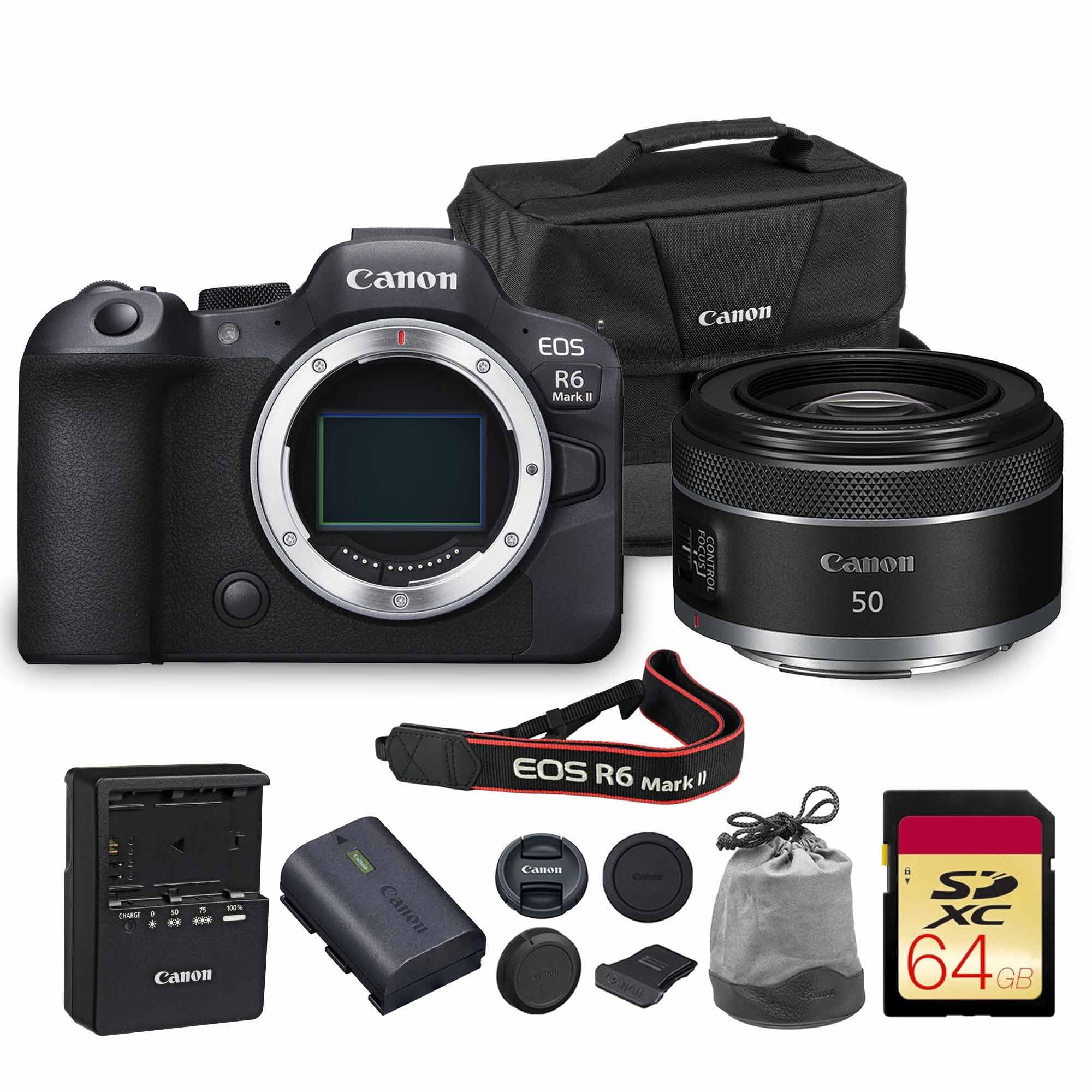
A mirrorless camera uses an electronic viewfinder or rear screen and accepts interchangeable lenses, so you can pair a wide lens for close action with a telephoto lens for a distant field. Strong models track eyes, faces, animals, and vehicles while shooting long bursts. They suit serious sports and wildlife work and cost about $600 to $2500 for a body before lenses. The tradeoff is cost and weight once you add a long lens.
Compact Action Models That Ride Along
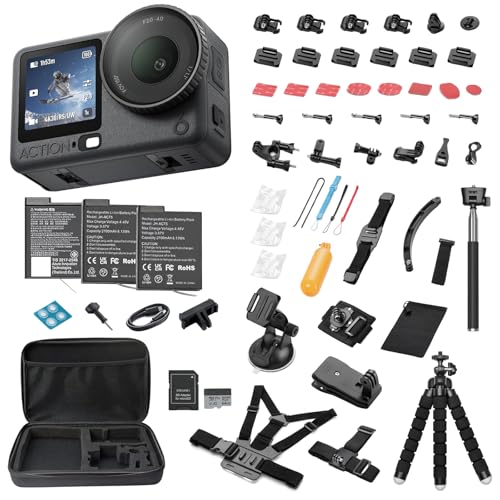
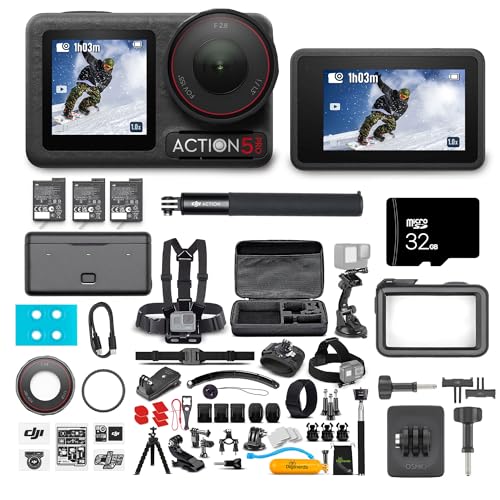
An action camera is a small, rugged box with a fixed wide lens, built to mount on a helmet, a bike, a chest strap, or a fence near the action. Waterproof housings and strong electronic stabilization make it ideal when the camera moves with the subject. Stills are secondary to 4K video, and the wide view makes distant players look small. Prices run about $250 to $500, and the type fits skiers, riders, and anyone filming from inside the scene.
Bridge and Superzoom Cameras
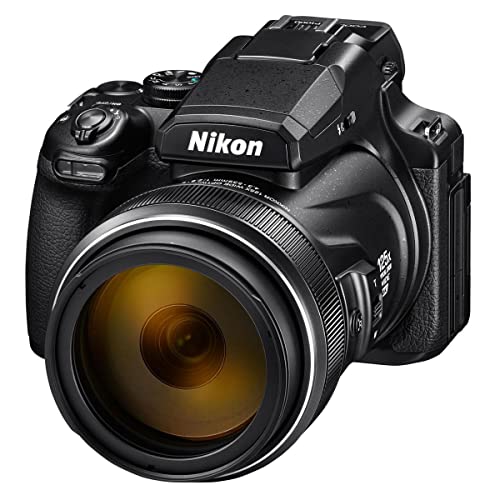
A bridge camera keeps one built in optical zoom lens that stretches from wide scenes to a long telephoto reach, covering a distant goalmouth or a bird on a far branch without a lens swap. That reach in a single body costing about $300 to $900 suits travelers, school sports parents, and wildlife watchers. The small sensor limits low light quality, and autofocus trails a good mirrorless body when subjects change direction quickly.
Pocket Compact Cameras
A pocket compact camera uses a fixed zoom lens and, on better models, a sensor larger than a phone sensor, and it starts fast enough for street scenes, pets, and family events. Short bursts and simple scene modes help when the action stays within about 30 to 60 feet. Prices run about $400 to $1000. You give up lens choice and some tracking depth, but you gain a camera you will actually carry.
Mirrorless vs Action Cameras: Which Should You Choose?
Choose a mirrorless camera when you stand outside the action and need reach, control, and still photos that hold up when cropped. Its tracking, lens choice, and larger sensor help at dusk games and indoor meets. Choose an action camera when the camera rides with the subject, faces water or dust, or records a wide video view from a mount.
How to Choose the Right Camera
Choosing the best cameras for fast moving objects needs more than a headline burst rate, since focus must keep up. Work through the factors below in order, since tracking, burst depth, and lens reach decide most action results.
Autofocus and Subject Tracking
Autofocus locks onto your subject and keeps updating distance as it moves toward you, away from you, or across the frame. Look for continuous autofocus with subject detection for people, animals, or vehicles, plus a wide field of focus points so the subject need not stay dead center. A camera that reacquires focus quickly after a fence post or another player crosses the view saves sequences a slower system loses.
Burst Rate, Buffer, and Shutter Speed
Burst rate tells you how many frames the camera records each second, often about 10 to 30 frames per second on capable models, while buffer depth tells you how long it can sustain that rate before slowing. Shutter speed does the actual freezing, so plan on about 1/1000 second for runners and 1/2000 second or faster for wings and wheels. For models built around raw speed, see our guide to the best fast cameras and compare burst claims against buffer depth.
Sensor Size and Low Light Performance
Sensor size shapes how clean an image stays when light drops and you raise sensitivity to keep a fast shutter. A 1 inch sensor improves on a phone, an APS C sensor suits most sports and wildlife buyers, and a full frame sensor gives the cleanest files at high sensitivity for night games. If dusk quality matters most, see our guide to the best quality cameras.
Lens Reach and Stabilization
Lens reach decides whether a distant subject fills the frame or becomes a small shape you must crop hard. For field sports and wildlife, a telephoto reach of about 200 to 600 mm in full frame terms is the useful range, while court sports and pets often need only about 70 to 200 mm. A wide maximum aperture gathers more light for fast shutters. Stabilization steadies your framing and panning, but it cannot freeze subject motion, so shutter speed still rules.
Power Needs During Long Action Sessions
Action shooting drains batteries faster than casual photography because the screen, tracking, and long bursts all run at once. Look for a rating of at least about 300 shots per charge for mirrorless bodies. USB C charging lets you top up from a car or a power bank between games. Carry one spare battery for any session longer than an hour.
Grip, Weight and Handling on the Sideline
A camera you hold for a two hour match must fit your hands, not just your bag. A deep grip, buttons you can find by touch, and a viewfinder you can use in bright sun all reduce missed shots. Weather sealing helps at dusty tracks and in light rain. Weigh the body with the longest lens you plan to use, because that combined load decides whether you bring the kit or leave it home.
Tips to Get the Most From Your Camera
Set continuous autofocus and a burst mode before the action starts, then half press the shutter to wake tracking early. Pan smoothly with a running subject so its speed relative to your frame drops, and shoot a little wider than you need so a sudden turn stays in frame.
For care, wipe the lens with a clean lens cloth rather than a shirt, which can drag grit across the glass. Store the camera in a dry padded bag, and let a damp body dry in open air before you seal it away.
Common Mistakes to Avoid
- Buying on burst rate alone leaves you with many frames that are all slightly out of focus.
- Using a slow shutter to brighten a scene turns sprinters and wings into streaks.
- Choosing a wide lens for distant field sports forces heavy cropping and thin detail.
- Letting the focus point sit only in the center loses subjects the moment they move off middle.
- Filling the buffer with long bursts early leaves the camera writing when the decisive play arrives.
- Ignoring battery ratings for video leads to a camera that stops recording before the event ends.
Cameras for Fast Moving Objects: Your Questions Answered
What features matter most in cameras for fast moving objects?
Tracking autofocus, burst depth, and lens reach matter most, in that order for most buyers. A useful extra check is blackout during bursts, since a viewfinder that keeps showing the subject helps you follow an erratic path. Electronic shutters can skew vertical lines on very fast pans, so check sample frames of goal posts or bats if you plan to use silent shooting.
Is a smartphone enough for photographing fast moving objects?
A smartphone is enough for close subjects in bright light, such as a toddler crossing a yard. Its limits appear at distance, where digital zoom softens detail, and in dim halls, where it slows the shutter to gather light. Keep the phone for spontaneous moments, and choose a dedicated camera when reach, dusk games, or large prints become regular needs.
Which type of camera is best for low light action?
A mirrorless camera with a full frame sensor and a bright telephoto lens is best for low light action. Check the highest sensitivity you can use before noise hides jersey numbers or facial features, which varies by model. Raising exposure slightly in editing is normal for night sports, so capture files with room to adjust rather than forcing the brightest preview in the camera.
What specs matter most for beginners shooting fast moving objects?
Beginners should value scene modes and subject detection that work without deep menus. A helpful starting point is a sports mode that sets a fast shutter on its own, paired with a simple dial for exposure adjustment as clouds change the light. Skip advanced custom buttons at first. Master one tracking mode on one subject type, such as runners, before adding animals or vehicles.
How much should I spend on a first camera for fast moving objects?
Plan on about $300 to $900 for a solid first setup, depending on type. A bridge model near the lower end covers distant school sports in daylight, while a mirrorless body near the upper end leaves room to add a longer lens later. Reserve part of the budget for a fast memory card and one spare battery.
The Bottom Line
Match the type to where you stand, then judge tracking, burst depth, and reach before extra pixels. Mirrorless bodies serve distant and dim action, bridge models simplify long reach, compacts keep you mobile, and action models record from inside the scene. Compare the shortlist in the product table above against your subject, distance, and light.
Chosen with those points in mind, the best cameras for fast moving objects turn brief moments into frames you can print and share, instead of blurs you delete on the drive home.


