
The Best Cameras for Capturing Movement: Buying Guide for 2026
Disclosure: We may earn a commission when you buy through links on this page, at no extra cost to you. As an Amazon Associate I earn from qualifying purchases. Learn more

Compare the best cameras for capturing movement by autofocus, burst speed, stabilization and video, with a clear checklist to help you choose well.
Blur is rarely bad luck. When a runner, a dancer or a dog crosses the frame, your camera has a split second to find focus and record detail before the moment passes. Choosing the best cameras for capturing movement means judging that whole chain, not just megapixels on a spec sheet.
This guide covers the speeds, focus systems and lens choices that keep subjects sharp in stills and video. Use the comparison table below to see how types differ, then match those strengths to the action you shoot most.





Who Should Buy a Camera Built for Movement
Parents Recording Youth Sports and School Events
You shoot from sidelines, often in mixed light and at a distance you cannot close. You need focus that locks onto a child in a group, bursts that give you several frames from one play, and a zoom lens that reaches across a field without hard cropping later. Subject detection and a tilting screen matter more than advanced video tools.
Wildlife and Bird Photographers Who Track Unpredictable Subjects
Your subjects change direction without warning and often appear at dawn or dusk. You need animal and bird eye detection, a deep buffer for long bursts, and weather sealing for damp mornings. Telephoto reach matters, but so do quiet operation and fast startup, since a missed second usually means the chance is gone.
Creators Filming Dance, Skating and Active Travel
You record motion as video first, so stabilization and clean 4K footage matter as much as focus. You need a camera that holds focus on a face while the person turns or moves toward you. A flip screen, a microphone input, and a light body shape your shortlist. If you also compare broader options, see our guide to the best cameras for photography for stills focused needs.
Key Features to Compare for Capturing Movement
Start with how the camera follows a subject, because the best cameras for capturing movement earn that label in real action, not in a studio portrait. The six factors below explain what each spec does and which option suits which kind of motion.
Autofocus Speed and Subject Detection
Autofocus for movement is about tracking, not just a single fast lock. Look for continuous autofocus that updates as the subject moves, plus detection modes for people, animals, birds or vehicles that match your subjects. More focus points across the frame help when action starts near an edge. If you shoot team sports, choose a system that lets you limit the focus area to a zone, since a wide area can jump to a nearer player.
Burst Rate and Buffer Depth
Burst rate tells you how many frames the camera records each second, often about 10 to 30 frames with the electronic shutter on current models. Buffer depth tells you how long that speed lasts before the camera slows to clear files to the card. A shallow buffer suits short plays, while wildlife calls for a deeper buffer and fast cards. Check the rate with autofocus active, since some cameras slow down when tracking is on.
Bigger Sensors and Cleaner High ISO Shots
A 1 inch sensor in a compact camera can work well outdoors, while APS C and full frame sensors gather more light and hold cleaner detail at high ISO settings indoors or at dusk. Megapixels alone do not freeze motion, but a larger sensor lets you raise ISO so you can keep a fast shutter without noisy files. If most of your action happens in gyms or under evening lights, favor sensor size over extra megapixels.
Stabilization and Fast Shutter Control
In body image stabilization steadies the sensor and helps most with panning and handheld video. It cannot freeze a fast subject alone, so you still need shutter speeds around 1/500 to 1/2000 of a second for runners and players, and faster for birds in flight. Look for easy shutter control and a silent electronic shutter for quiet venues.
Lens Speed, Reach and Zoom Range
The lens decides how much light reaches the sensor and how close distant action appears. A bright aperture such as f/2.8 lets you use faster shutter speeds indoors, while reach around 200 to 600 mm in full frame terms suits fields and wildlife. Optical zoom keeps detail across its range, unlike digital zoom that crops the image. Check the lens mount before you choose a body.
Video Frame Rates and Rolling Shutter
For video, 4K at 60 frames per second gives you smoother action and room to slow footage in editing, while 120 frames per second suits slow motion of jumps and splashes. Ask how much the image crops at each setting, since some cameras narrow the view at high rates. Rolling shutter can bend straight lines during fast pans, so models that read the sensor quickly hold lines straighter.
Types of Cameras for Movement Compared
No single type wins for every subject. Budget, distance and your mix of stills and video should decide the format, and readers comparing general models can also see our guide to the best digital cameras.
Mirrorless Bodies With Strong Subject Tracking
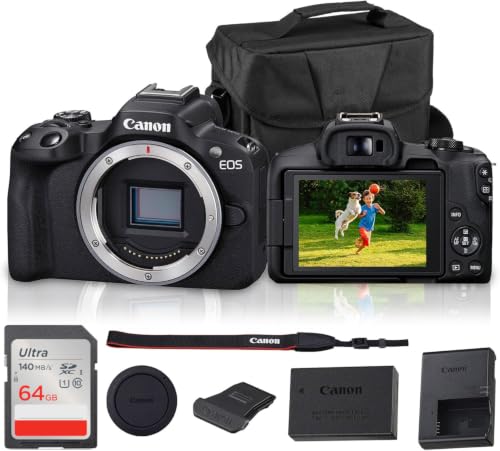
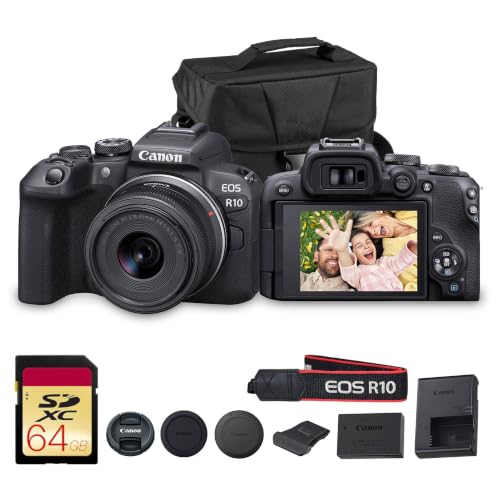
Mirrorless cameras are the most flexible choice for movement, with strong subject detection and interchangeable lenses for sports and wildlife. They range from compact APS C models for families to full frame bodies for low light work. Lens cost is the main trade off, so price the lens you need, not just the body.
Small Action Models Built for Mounts
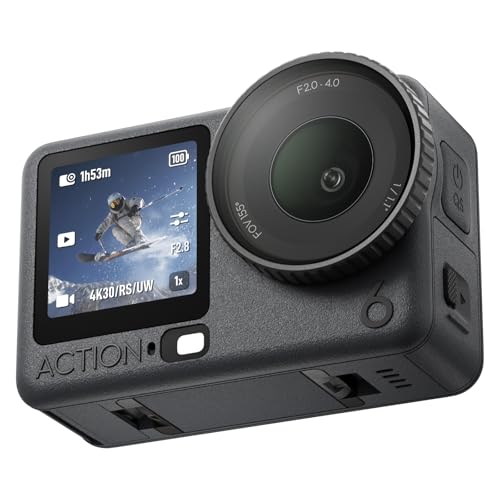
Action cameras are small, tough and made to be mounted on helmets, bikes or boards while the action happens around you. Strong stabilization and wide lenses keep footage usable when the camera is bouncing. Their tiny sensors and fixed wide view limit distant subjects, so they complement a main camera rather than replace one for sideline sports.
Compact and Vlogging Cameras
Compact and vlogging cameras put a fixed zoom lens, a flip screen and simple video tools in a pocket size body. They suit travel, dance practice and family events where a lens bag would stop you shooting. You give up lens choice and some buffer depth, but you gain speed of use. New creators can also see our guide to the best starter cameras.
DSLR Cameras
DSLR cameras use an optical viewfinder, and many used models offer solid value with long battery life. Their video autofocus usually trails mirrorless systems, and makers now release most new lenses for mirrorless mounts first. Choose a DSLR only when a complete kit offers a clear saving and your action is mostly stills in good light.
Common Mistakes to Avoid
- Choosing by megapixels alone, so you get large files but focus that cannot follow your subject.
- Using a shutter speed that is too slow for the subject, so sharp focus still records as motion blur.
- Buying a body without pricing the telephoto lens it needs, so distant action stays too small.
- Ignoring buffer depth and card speed, so the camera stalls during the best sequence of play.
- Leaving subject detection on the wrong mode, so the camera tracks a face when you need a bird.
- Judging video only by resolution, so you miss crop limits and rolling shutter that weaken fast pans.
Care and Maintenance for Movement Cameras
Use a blower first, then a lens cloth for glass, and never use a shirt, since grit in fabric can scratch coatings. Keep a spare charged battery and a formatted spare card in your bag, because bursts and 4K video drain power and storage fast.
Store the camera in a dry, padded bag with the lens cap on, and let cold gear warm up inside a sealed bag after winter events so condensation forms on the bag, not the glass. Update firmware when released, since updates often improve autofocus. Wipe the body dry before opening any doors or ports. For a closer shortlist, see our guide to the best cameras for movement.
FAQ About Cameras for Capturing Movement
What features matter most in cameras for capturing movement?
Tracking autofocus, burst depth and a fast enough shutter matter most in cameras for capturing movement. Together they decide whether a subject stays sharp across a sequence rather than in one lucky frame. Also check blackout time in the viewfinder during bursts, since a view that stays visible helps you keep an erratic subject inside the frame.
How fast a shutter speed do cameras for capturing movement need at sports games?
Cameras for capturing movement at sports games usually need about 1/1000 of a second to freeze players clearly. Start there and adjust by sport, using faster speeds for bats and balls and slower speeds for a deliberate panning shot. Check the first frames at full size during a break, because a small screen can hide softness.
Is a smartphone enough instead of a dedicated camera for capturing movement?
A smartphone can be enough for close, well lit movement, but a dedicated camera pulls ahead at distance and indoors. Phones rely on processing and small sensors, so distant players soften and low light action smears more easily. A dedicated camera also gives you physical controls you can change without looking away from the game.
How much should first time buyers spend on a camera for capturing movement?
First time buyers should plan about $600 to $1,200 for a capable camera and kit lens, then reserve money for a longer lens if sports or wildlife is the goal. Spending the whole budget on the body leaves nothing for the reach action requires. A prior generation kit on sale can beat a new body with a lens that is too short.
What burst rate do beginners need in a camera for capturing movement?
Beginners need about 8 to 15 frames per second in a camera for capturing movement for most school sports and family action. That range gives you a choice of stride or contact moment without creating thousands of files to sort. Practice short bursts at key moments, such as a serve, rather than holding the button down for a whole play.
Wrapping Up
Put tracking focus first, then burst depth, lens reach and light. Match the type to your distance from the action, and leave room in the budget for the lens and cards that make fast shooting practical. When you compare the best cameras for capturing movement that fit your subjects, use the product table above to confirm the speeds and focus modes that matter.

