
Best Cameras for Modeling Photography: A Complete Buying Guide for 2026
Disclosure: We may earn a commission when you buy through links on this page, at no extra cost to you. As an Amazon Associate I earn from qualifying purchases. Learn more

A buying guide to the best cameras for modeling photography, covering sensor size, eye focus, lenses, and lighting for studio and location shoots.
Modeling photography lives or dies on two things: whether the eyes are sharp and whether the light flatters the person in front of the lens. The best cameras for modeling photography make both easier, but the market mixes studio tools, travel friendly bodies, and video first hybrids until the spec sheets blur together.
This guide cuts through that mix in a fixed order: sensor, focus, lenses, and light. Use the comparison table below to shortlist bodies in your budget, then read the sections that follow to understand what each spec means on a real set with a real model.

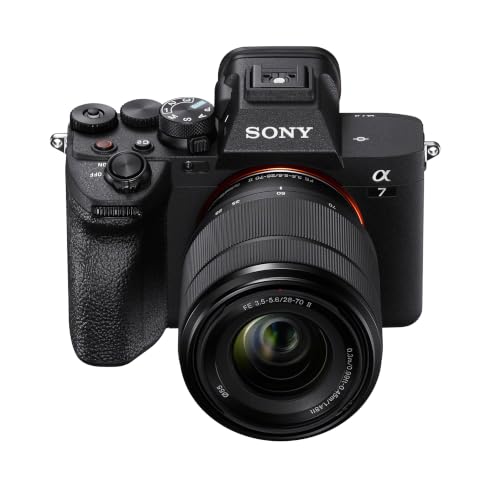





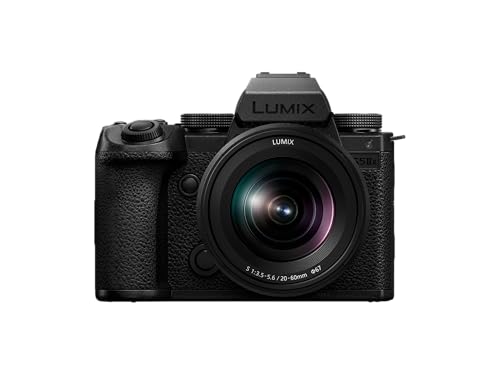
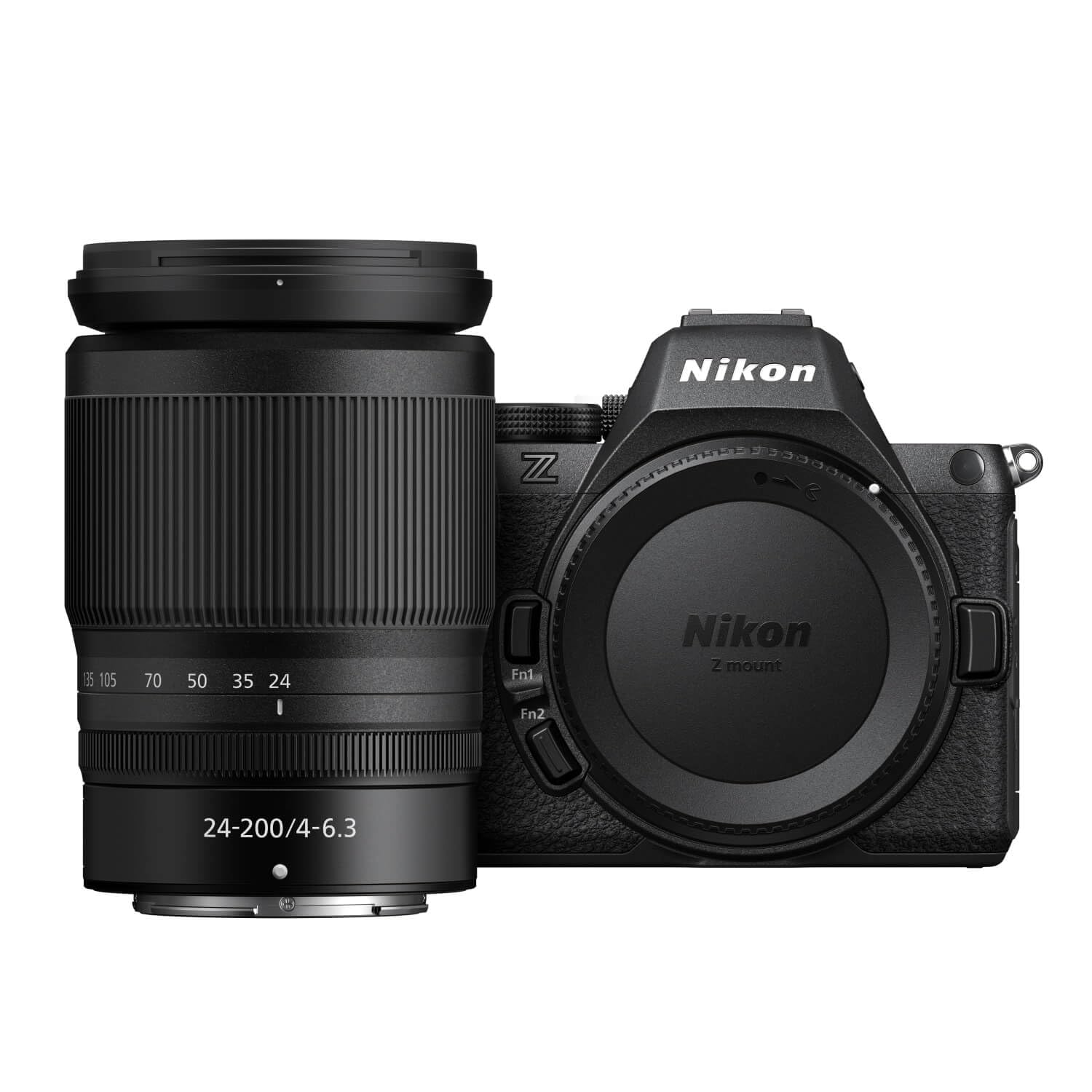
How to Choose: A Buying Guide
Sensor Size Comes First
Start with the sensor, because a sensor class governs the print class and the crop class. A full frame sensor gathers more light per pixel, so files stay clean at high ISO and hold up when printed large or cropped hard. APS C sensors are smaller and lighter, and they remain the value center for most modeling work.
Megapixel counts matter less than sensor size for portraits, since skin texture and smooth tonal steps come from light and pixels working together, not from the biggest number on the box. General guides to the best cameras for photography rank sensor classes across every genre if you want the wider picture.
Eye Focus for a Moving Subject
Models shift weight, turn heads, and laugh between poses, so an eye focus class governs the moving subject class. Modern eye detection finds the nearer eye and holds it while the model moves, which frees you to direct and time expressions. Check that the system works at wide apertures like f/1.8, where depth is thin and small focus errors show. Also confirm it tracks through hair and partial turns, because profile and three quarter poses are modeling staples, not edge cases.
Video Capabilities
Many modeling cameras double as video tools for behind the scenes clips and short reels. Look for clean 4K recording, a microphone input, and a screen that flips forward if you film yourself adjusting a set. Log profiles help colorists but add editing steps, so beginners can skip them. If video is a side task, do not let it outrank focus and lens choice, which shape every still you deliver.
Low Light Performance
Dim studios, evening locations, and window lit rooms all test low light performance. A larger sensor and a fast lens do the heavy lifting here: an f/1.8 prime gathers far more light than a kit zoom at f/4 or slower. In body stabilization helps at slow shutter speeds, but it cannot freeze a moving model, so shutter speed still rules. Judge cameras by sample files at ISO 1600 to 3200 rather than by the maximum ISO printed in bold.
Size, Weight, and Handling
A modeling shoot can run for hours, and a heavy kit changes how you work by the second hour. Mirrorless bodies trim weight, while larger grips suit big lenses and long sessions. A tilting screen matters more than many specs, since it lets you shoot from waist height or overhead without lying on the floor. Try to handle any body before buying if you can, because control layout decides how fast you change settings while a model holds a pose.
Build and Weather Sealing
Location work brings dust, drizzle, and the odd splash from a fountain backdrop. Sealed bodies and lenses shed that stress, while unsealed kits need a rain cover and more care. Sealing also keeps studio dust off the sensor longer, which means fewer spot removals in editing. It is rarely the deciding factor, but for outdoor modeling work it protects the investment in a way a spec sheet cannot.
Types of Cameras for Modeling Work
Four camera classes cover nearly every modeling assignment. They differ less in image quality than in size, lens choice, and how they fit your way of working.
Mirrorless Cameras
Mirrorless cameras are the current default for modeling work: eye focus is their home turf, lenses are modern and fast, and bodies stay compact. The guide to best modeling cameras compares this class in depth. Their main costs are battery life and price, since top mirrorless bodies and lenses sit at the premium end.
DSLR Cameras
DSLRs use an optical viewfinder and a deep bench of used lenses, which makes them a budget friendly way into full frame files. Eye focus through the viewfinder is weaker than in mirrorless rivals, though live view narrows the gap. For posed studio work where the model holds still, a DSLR still delivers professional results at a friendly price.
Premium Compact Cameras
A premium compact with a one inch sensor and a fixed fast lens suits travel tests, casting calls, and scouting days. You give up lens swapping and the shallowest depth, and you gain a camera that fits in a coat pocket. Think of it as a second camera for working photographers, or a first camera for light duty modeling content.
Medium Format Cameras
Medium format sensors are larger than full frame and serve high end fashion and beauty work where prints are huge and budgets match. Files are enormous, lenses are costly, and pace is slower. Almost no one needs this class to start; it is a destination for established studios, and the heritage of formats like these is traced in our guide to the best film photography cameras.
Picking the Right Camera for Different Uses
Use decides the shortlist. A hobbyist shooting friends, a creator filming weekly content, and a studio assistant building a portfolio should not buy the same body.
Best Cameras for Modeling Photography under 1000
Under this ceiling, remember that a body class is part of a spend class, and the lens class is the rest of it. A sensible split puts about 60 percent into the body and the remainder into a fast prime, because the lens shapes the modeling look more than the badge does. APS C mirrorless and used full frame DSLR bodies anchor this class. Newcomers comparing starter routes can also read our guide to the best beginning photography cameras for first kit advice.
Setup and Care Tips
Small habits protect image quality and keep a kit ready for the next booking.
- Use a soft lens cloth for the front element; a shirt can drag grit across the coating and leave fine scratches.
- Carry a charged spare battery, because eye focus and screens drain packs faster than casual shooting does.
- Store the kit in a dry, padded bag, and add a small silica pack if your studio air runs humid.
- Update the camera firmware when the maker releases it, since focus algorithms often improve between versions.
- Clean the sensor only with tools made for it, and let a service shop handle stubborn spots before a big shoot.
Frequently Asked Questions
What features matter most in cameras for modeling photography?
Reliable eye focus and sensor size matter most, because they decide sharpness on the eyes and how files hold up in print. Beyond the body, the support gear matters more than beginners expect: a sturdy tripod frees you to direct poses with both hands and keeps framing identical across a look book series, which clients quietly judge as professionalism.
How much should I spend on a first modeling photography camera?
A first kit that you will not outgrow in a year usually lands at about $800 to $1,400 once a fast prime lens is included. Below that, plan to shoot in good light and posed setups. One way to stretch the budget is the used market through reputable dealers, where last generation bodies often sell for half their launch price with warranty included.
What specs matter most for beginners in modeling photography?
Beginners should rank eye detection autofocus, a tilting screen, and simple menus above megapixels and video extras. A camera that feels easy gets carried to practice sessions, and practice is what builds a portfolio. If you are still learning exposure, strong automatic modes with easy manual override help you grow without losing shots. Starter focused advice continues in our guide to the best cameras for starter photography.
Is a smartphone enough for modeling photography?
For social media and quick digitals, yes, a current smartphone handles exposure and focus with little effort. It cannot match a dedicated camera for flash control, print size, or the shallow depth that separates a subject from a busy street. Many models carry both: phone shots for instant posts, camera files for portfolio and print. Treat the phone as a scouting and posting tool, not the main kit.
Which camera class handles low light best for modeling photography?
Full frame mirrorless cameras handle low light best, pairing large sensors with fast primes and strong stabilization. The honest limit is motion: below about 1/125 of a second, a moving model blurs no matter how clean the file is. Add light before you add ISO when the scene allows it, since even a small panel lifted near the model cleans shadows more gracefully than any setting.
Wrapping Up
Choose in order: sensor, focus, lens, light. That sequence keeps the money where modeling photos are actually made, and it scales from a first kit to a studio workhorse. Check your finalists against the product table above, and the best cameras for modeling photography for your work will be the kit that lets you direct people instead of fighting settings.


