
Best Cameras for Learning Photography of 2026: Complete Buying Guide
Disclosure: We may earn a commission when you buy through links on this page, at no extra cost to you. As an Amazon Associate I earn from qualifying purchases. Learn more

The best cameras for learning photography teach through direct manual dials and growing lens systems. Compare types, controls and budgets in this guide.
A camera that does everything for you teaches you almost nothing. When the camera picks the aperture, the shutter speed, and the focus point on its own, you get a decent photo and no understanding of how it happened. The best cameras for learning photography work the other way: they put the core controls under your fingers, show you the effect of each change right away, and stay useful after the first lessons land.
This guide compares the camera types that teach well, walks through the controls and system choices that decide how fast you improve, and sets out what each budget buys. Use the comparison table below to line the types up side by side.





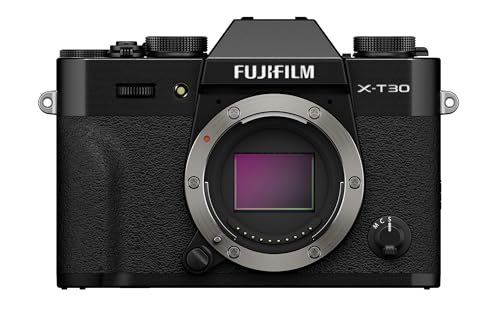
Camera Types Compared
| Type | Manual controls | Lens options | Typical budget |
|---|---|---|---|
| Point and shoot compact | Limited, menu based | Fixed lens | About $150 to $400 |
| Mirrorless | Full, dial based | Interchangeable | About $400 to $1,500 |
| DSLR | Full, dial based | Interchangeable | About $350 to $1,200 |
| Action camera | Minimal, automatic | Fixed wide lens | About $200 to $450 |
Point and Shoot Compacts
A compact with a manual mode can teach composition and the exposure basics, and its small size means it is the camera you actually carry. The lessons stop early, though, because the controls sit in menus and the lens never changes. Choose it if your budget is small and your goal is framing and light first. It is a fine first step, as long as you know it is a step and not the destination.
Mirrorless Cameras
Mirrorless bodies are the strongest learning tools for most people. The electronic viewfinder shows exposure changes as you make them, so the link between a setting and its result is instant. Lenses change, dials are direct, and the class spans starter prices to professional ones. The guide to best digital cameras shows where mirrorless sits among all digital types.
DSLR Cameras
A DSLR teaches the same core lessons through an optical viewfinder, which shows the scene as your eye sees it rather than as the sensor records it. The class is mature, so used bodies and lenses are plentiful and cheap. The trade off is feedback: you check exposure after the shot, not during it. Learners who like that slower rhythm will learn just as much here.
Action Cameras
An action camera is a specialist tool for movement, water, and rough handling, and it teaches almost none of the core craft because nearly every decision is automatic. Buy one as a second camera for sports and travel clips, not as your teacher. Film bodies, covered in our guide to best film photography cameras, form a separate medium class that teaches patience rather than fast feedback. Neither class replaces a camera with real manual dials.
How to Choose: A Buying Guide for Learners
Manual Controls Are the Lesson
The manual control setup is the lesson itself, so read the dial layout before you read the spec sheet. You want aperture, shutter speed, and ISO reachable without digging through menus, ideally on dedicated dials or wheels your fingers learn by touch. A camera that hides its controls behind screens teaches you to leave it in automatic mode. Check also that the screen or viewfinder shows a histogram and a live exposure preview, because that feedback loop is the curriculum: change a setting, see the result, understand the trade.
A Lens System You Can Grow Into
The lens system decides where you are in your second year, because bodies come and go while lenses stay. An open, widely supported mount gives you cheap used lenses and room to add a fast prime or a telephoto as your interests settle. A closed or thin system can leave you stuck with one kit zoom and nowhere to go. Readers comparing dedicated starter systems should also see the guide to best beginning photography cameras.
Sensor Size and Image Quality
Sensor size shapes low light results and depth of field, the two effects beginners notice most. APS C is the learning sweet spot: large enough to blur a background and shoot in dim rooms, small enough to keep bodies and lenses affordable. Full frame goes further on both counts at a higher price, while 1 inch sensors in compacts limit the depth of field lessons. Megapixels matter least; anything current resolves far more detail than a learner can use.
Battery Life and Charging
A learning session dies when the battery does, so shot count per charge is a real buying factor. DSLRs sip power through their optical finders and often run for days of practice, while mirrorless bodies drain faster through their electronic screens. USB charging is a genuine convenience for learners who practice while traveling, because the camera tops up from the same power bank as a phone. Whatever you buy, budget for a second battery.
Autofocus and Stabilization
Autofocus should be good enough to stop being the problem, then get out of your way. A learner needs reliable single point focus and simple tracking, not the flagship systems built for sports professionals. In body stabilization helps you practice hand held at slower shutter speeds and see the effect of your own movement, which is itself a lesson. Turn it off on a tripod and note how the camera behaves; small experiments like that are how the settings stop being abstract.
Size, Weight, and Handling
The camera you carry is the camera you learn on, so weight is a learning feature. A body that feels good in your hands, with a grip that suits long sessions, will leave the house far more often than a heavier kit with better numbers. Hold the finalists in a store for a few minutes each if you can. Learners with small hands should check dial reach in particular, because a control you cannot reach is a control you will not practice with.
What Your Budget Buys
Under About $400: The Used Market Is the Honest Start
At this level the used market is the honest budget route, because a used mirrorless or DSLR body with a kit lens teaches everything a new compact cannot. Check the shutter count, the sensor for dust or damage, and the return policy before you pay. New compacts are the fallback for buyers who will not shop used. The guide to best cameras for starter photography covers starter kits at this level.
About $400 to $800: New Entry Kits With Real Dials
This band buys a new entry mirrorless or DSLR kit with full manual controls and a warranty, which removes the risk of the used route. The kit zoom covers your first months, and the mount leaves room for a fast prime lens later. Most learners should start here if the budget allows, because the camera will not be the limit for two years of practice.
About $800 to $1,500: Room to Grow Without Replacing
The upper band buys better viewfinders, stronger bodies, faster burst rates, and access to the deeper end of the lens catalog. You are paying for comfort and headroom rather than for better lessons, since the core teaching features match the band below. Buy here if you already know photography will stick, or if you shoot family sports alongside your learning. Otherwise, the middle band plus a second lens teaches more per dollar.
Tips to Get the Most From Your Learning Camera
- Shoot one subject in every mode, then compare the files to see what each setting changed.
- Use a lens cloth, not your shirt, and keep the sensor cap on whenever a lens is off the body.
- Carry a spare battery and a second card, because a dead camera ends the practice session.
- Update the firmware when the maker releases it, since focus and menu improvements often arrive that way.
- Store the kit in a dry, padded bag, and keep a notebook of settings that worked.
Frequently Asked Questions
What features matter most in cameras for learning photography?
Direct manual dials matter most, followed by a lens mount with room to grow and a clear live preview of exposure. One feature rarely listed in ads deserves attention: a mode dial you can turn by feel, without lowering the camera from your eye. That small detail decides whether you practice settings constantly or only when you remember to. Skip cameras that bury aperture and shutter controls in touch menus.
What specs matter most for photography beginners?
Sensor size and the quality of the kit lens matter more than megapixels, burst speed, or video resolution. A beginner gains more from an APS C sensor and a decent zoom than from a huge file size shot through a poor lens. Focus points are another inflated number: a modest count with simple, clear selection beats a dense field you cannot manage. Buy the specs you will touch every session.
Is a smartphone enough for learning photography?
A smartphone is enough for learning composition, light, and timing, and phone apps can simulate manual settings for practice. What it cannot teach is the physical craft: dials under your fingers, interchangeable lenses, and depth of field from a large sensor. Treat the phone as a free sketchbook you already own. When you start wanting control the phone only pretends to offer, you are ready for a real camera.
Which sensor size is better for low light learning?
A larger sensor is better in low light, and full frame leads APS C, which leads the smaller classes. For learning, though, a fast prime lens on an APS C body often teaches more than a bigger sensor behind a slow kit zoom, because the wide aperture forces you to think about focus and depth. Start with the combination that lets you shoot in the light you actually have, usually indoors at home.
How much should I spend on my first learning camera?
Most beginners should plan on about $400 to $800, which covers a used or entry new body with full manual controls and a kit lens. Keep some money back: a basic tripod and a good beginner book or course will teach you more than the next camera tier will. Our wider guide to best cameras for photography shows how these learner picks sit inside the full camera market. Upgrade only when a real limit, not curiosity, stops a photo you planned.
Final Thoughts
Choose for the controls first, the lens system second, and the sensor third, and your camera will teach you for years instead of months. The product table above lines up the current options by type and price. Whichever class you pick, the best cameras for learning photography share one trait: they make the cause and effect of every setting impossible to miss.

