
The Best Cameras for Landscape Shots: A Buying Guide for 2026
Disclosure: We may earn a commission when you buy through links on this page, at no extra cost to you. As an Amazon Associate I earn from qualifying purchases. Learn more

Compare the best cameras for landscape shots by sensor size, lens range, weather sealing and battery life, with a clear buying checklist and FAQs.
A great landscape can fall flat in a photo when the sky washes out, the shadows turn to mud, or fine detail disappears. Choosing among the best cameras for landscape shots means looking past headline numbers and matching the camera to how and where you shoot. This guide explains the features that shape landscape image quality and the mistakes that waste money, so use the comparison table below as you read.
Landscape work rewards patience and punishes weak gear in quiet ways. You often shoot at dawn or dusk, carry everything on your back, and get one chance at fast changing light.


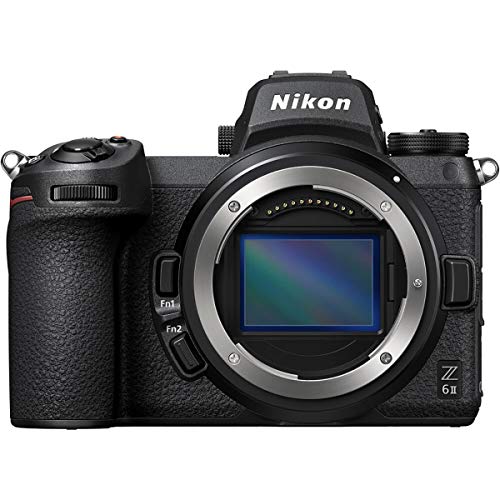


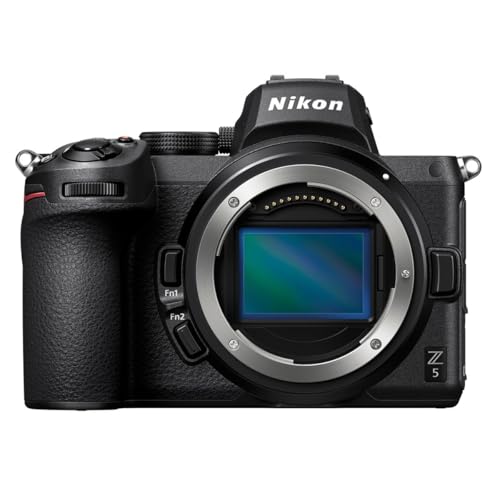



Who Should Buy a Camera Built for Landscape Work?
Hikers Who Climb for Sunrise Views
You carry your camera up ridges and across stream crossings, often in the dark, so weight and sealing decide whether the camera comes along at all. A compact body with clear dials you can work with gloves and a battery that survives a cold morning suits you best. If your routes also pass waterfalls and wildlife clearings, see our guide to the best cameras for nature shots.
Photographers Who Print Landscapes Large
Prints reveal what a phone screen hides: grain in a smooth sky, soft corners, and crushed shadow detail all show up on a wall. You benefit from a larger sensor, high resolution, and lenses that stay sharp at the edges of the frame. Budget more for the lens than the body, because a strong sensor behind a weak lens prints soft.
Learners Moving Beyond a Phone
If your phone shots disappoint when you edit them, a dedicated camera gives you manual control and files that hold up to stronger editing. Start with a body that has clear menus, a helpful auto mode you can grow out of, and affordable lenses in wide focal lengths. You need controls you can set quickly when the light turns for thirty seconds.
Key Features to Compare
Spec sheets bury the few numbers that shape a landscape file under dozens that do not. When you compare the best cameras for landscape shots, the six factors below decide image quality and comfort on the trail. Read each one against your own routes and print plans.
Dynamic Range for Bright Skies and Deep Shadows
A larger sensor gathers more light at each pixel, which keeps skies smooth and lets shadows open up in editing without turning noisy. Dynamic range matters more than almost any other figure, because one frame often holds a bright sky and a dark valley at once. Full frame sensors lead here, APS C sensors balance quality and cost, and 1 inch sensors suit travelers who pack light.
Resolution and Fine Detail
Megapixels set how large you can print and how freely you can crop, but they are only part of sharpness. Around 24 megapixels already prints well at common wall sizes, while higher counts help when you crop a distant peak. Lens quality, steady support, and clean technique limit real detail more often than the sensor does, so match resolution to your print plans, not the biggest number on the box.
Lens Range and Aperture for Landscapes
Most landscape frames are made between about 16 mm and 35 mm on a full frame body, where the wide view fits valleys, coasts, and forest interiors. A zoom covering that range plus a moderate telephoto reach, roughly 70 mm to 200 mm, lets you isolate a lit ridge or compress layers of hills. Maximum aperture matters less here, since you will often stop down to about f/8 for depth of field. Check filter thread size too, because polarizing and neutral density filters are core landscape tools.
Weather Sealing and Build Quality
Sealed bodies and lenses resist the drizzle, dust, and sea spray that landscape trips serve up without warning. Pair the body with a sealed lens, since one open joint weakens the whole setup. A sturdy shell shrugs off knocks against rock. Sealing is resistance, not a license to soak the camera, so dry the gear after wet outings.
Battery Life and Field Charging
Landscape days are long and often cold, and cold drains batteries faster than mild weather does. Check the shots per charge rating, then plan on less when cold. A body that charges over USB C lets you top up from the same power bank that feeds your phone on multi day trips. Carry at least one spare battery in an inside pocket where body warmth protects it.
Size, Weight, and Trail Handling
Every ounce rides on your shoulders, so weigh the full kit of body, lens, tripod, and filters, not the body alone. Smaller systems leave energy for the climb. Handling still matters: dials you can turn with gloves, a screen that tilts for low tripod work, and a grip that stays secure with damp hands.
Types of Cameras for Landscape Work
Camera types differ mainly in size, lens choice, and how much control they hand you, so match the type to your routes. If you are still sorting out the wider category first, see our guide to the best digital cameras.
Mirrorless Bodies for Field Work
Mirrorless bodies drop the internal mirror, which keeps them smaller than DSLR designs while offering the same large sensors and interchangeable lenses. Live exposure preview shows brightness before you shoot, a real help when you balance sky and land by eye. For most landscape buyers this is the sweet spot of quality, size, and lens choice. For a second view of the shortlist, see our guide to the best landscape cameras.
DSLR Cameras
DSLR bodies use a mirror and an optical viewfinder, which some shooters prefer because the view never lags in bright sun. They tend to be larger, but their lenses are widely available used, and battery life per charge is often longer. If you already own DSLR lenses you like, staying with this type can save real money.
Action Models for Ridges and Kayaks
Action cameras are tiny, tough, and very wide, which makes them handy on exposed ridges and kayaks where a larger camera stays in the bag. Their small sensors limit print size and shadow editing, and the fixed ultra wide view makes distant peaks look small. Treat one as a second camera for harsh spots rather than your main landscape tool.
Common Mistakes to Avoid
- Buying the highest megapixel body and pairing it with a cheap lens, which leaves your prints soft at the edges.
- Skipping the tripod to save weight, which forces higher ISO settings at dawn and dusk and fills shadows with noise.
- Trusting weather sealing as full waterproofing, which leads to soaked gear after one heavy downpour.
- Ignoring filter thread sizes when you buy lenses, which means a polarizer that fits one lens will not fit the next.
- Packing one battery for a cold multi day trip, which can end a sunrise session early.
- Judging a camera only by its screen in the store, which hides how small its dials feel with gloves on.
Protecting Field Gear From Grit and Moisture
Landscape gear ages through grit, moisture, and knocks more than through shutter counts, and a few steady habits protect it.
- Wipe the lens with a clean lens cloth rather than your shirt, since gritty fabric can scratch the front coating.
- Carry a spare battery with its contacts capped, so trail dust stays off the terminals.
- Store the camera in a dry, padded bag with the lens cap on, and air it out after wet trips.
- Update the camera firmware when the maker releases it, since updates often improve autofocus and fix small bugs.
- Brush sand from dials and the lens mount before changing lenses, so grains do not reach the seals or the sensor.
Cameras for Landscape Shots: Your Questions Answered
What features matter most in a camera for landscape shots?
Dynamic range, lens quality, and steady support matter most, in that order. One point worth adding is the histogram: learn to read it in the field, because it shows clipped highlights that the rear screen can hide in bright sun. Shooting RAW files preserves that data, giving your edits room to recover a bright sky without banding.
What camera specs matter most for beginners shooting landscapes?
Control layout matters more for beginners than top resolution. Choose a camera whose dials let you set aperture and exposure compensation without menu diving, since landscape light changes fast. One beginner specific shortcut is the built in level, which keeps horizons straight in the frame. Crooked horizons are the most common flaw in early landscape frames, and the level prevents them at capture rather than in editing.
Is a smartphone enough for landscape photos instead of a dedicated camera?
A smartphone is enough for sharing online and small prints, and its computational modes handle mixed light well. It falls short when you crop, print large, or edit shadows hard, and its fixed wide view cannot isolate a distant ridge. Many photographers start with a phone, then add a camera once they know which focal lengths they reach for most. Our guide to the best cameras for landscape photographers shows where that step up matters most.
How much should I spend on a first camera for landscape shots?
Plan on about $600 to $1,200 for a capable first body with a kit zoom, and keep some budget aside for a tripod and a polarizing filter. Spending more mainly buys dynamic range and sealing. Buy the lens range you need before upgrading the body, because a wider or longer lens changes your compositions far more than a newer sensor.
Which camera sensor handles low light best at sunrise and sunset?
Full frame sensors handle low light best, holding clean detail at the higher ISO settings dawn and dusk often demand. The useful field trick is exposure bracketing: take three frames at different exposures when the sky is far brighter than the land, then blend them in editing. Bracketing lets even an APS C body cover scenes that would defeat a single frame.
Final Thoughts
The right choice comes down to three checks: a sensor with the dynamic range your scenes demand, a lens range that matches the views you love, and a body light and tough enough to reach the viewpoint with you. Revisit the product table above, and you will land on the best cameras for landscape shots for the way you actually travel and shoot.

