
Best Cameras for Landscape Photographers by Budget: Smart Picks for 2026
Disclosure: We may earn a commission when you buy through links on this page, at no extra cost to you. As an Amazon Associate I earn from qualifying purchases. Learn more

Compare the best cameras for landscape photographers by budget, with sensor, lens, sealing and battery checks that help you spend where it counts most.
Landscape cameras span a wide price range, from simple bodies under $1,000 to premium kits costing several times more, and the extra money does not always buy better photographs. What separates the best cameras for landscape photographers is clean files at low ISO, a lens that stays sharp into the corners, and controls you can work while wearing gloves at dawn.
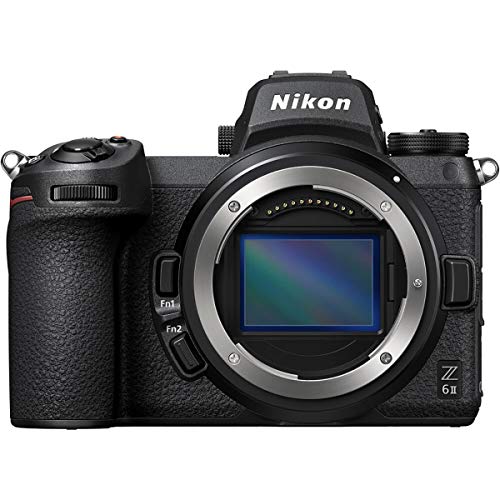
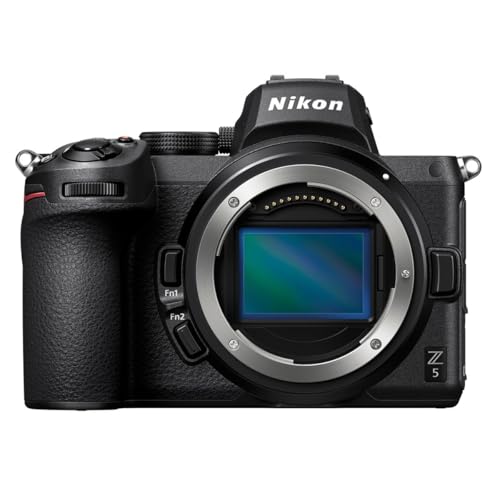
This guide sorts cameras by budget so you can see what each tier adds and where you can safely save. Use the comparison table below to shortlist bodies, then read the tier and feature sections before you commit to a system.





Who Should Buy Which Camera for Landscape Work?
Your shooting pattern should set your budget before any specification does. A photographer who hikes ten miles to one viewpoint needs a different kit from someone who shoots from roadside overlooks and prints big at home.
Backcountry Hikers Who Shoot at Dawn and Dusk
You need light weight, strong battery life, and sealing that shrugs off drizzle and dust on exposed trails. A smaller sensor system keeps the whole bag manageable. Choose a combination you will actually carry to the summit, because a heavier kit left at home captures nothing.
Detail Seekers Who Print Large and Crop Carefully
You need resolution, dynamic range, and lenses that hold fine texture from corner to corner. A full frame body with a high resolution sensor rewards careful tripod work. If you sell prints, this is where spending more shows up on paper, especially when you also explore our guide to the best cameras for landscape shots.
Travel Photographers Who Shoot Landscapes Along the Way
You need one versatile kit that covers wide scenes, compressed mountain layers, and the towns between them. A midrange body with a standard zoom and one compact wide lens handles most trips without a second bag. Sealing matters too, since travel rarely lets you wait out a passing shower.
What Higher Prices Buy for Outdoor Shooting
Price tiers buy you sensor size, build, and control layout more than basic image quality. Even modest current bodies record excellent files in good light, so each step up should solve a real limit you have felt outdoors.
Budget Tier: The Essentials Without the Extras
Bodies at about $600 to $1,000 usually pair an APS C or smaller sensor with a kit zoom, enough to learn composition, filters, and tripod technique. Expect fewer dials, a smaller viewfinder, and basic sealing. If you are comparing starter options broadly, see our guide to the best digital cameras for how these bodies sit within the wider market.
Midrange Tier: Bigger Sensors and Better Controls
Bodies at about $1,000 to $2,000 are where full frame sensors, stronger dynamic range, and direct controls for ISO, aperture, and exposure compensation become common. Sealing improves, screens tilt for low tripod work, and sharper wide zooms become available.
Premium Tier: Maximum Detail and Tough Sealing
Bodies at about $2,000 to $3,500 add high resolution sensors in the range of 40 to 61 megapixels, the widest dynamic range, and the most complete sealing. This tier pays off for large prints and harsh locations, and it pairs naturally with the bodies in our guide to the best landscape cameras.
Key Features to Compare
Six factors decide how a landscape camera performs in front of a real scene. Judge every body against these points, and let your budget decide how far up each scale you climb.
Sensor Size and the Sky to Shadow Gap
Sensor size sets the ceiling for dynamic range, the gap between the brightest sky and the darkest foreground a single file can hold. Full frame sensors capture that gap most cleanly, so you can lift shadow detail in processing without harsh noise. APS C sensors run a close second and keep lenses smaller, while 1 inch sensors suit the lightest travel kits.
Lens Choice and Sharpness Across the Frame
A landscape photograph stands or falls on its corners, where cheap zooms smear detail and darken edges. Look for a system with a wide zoom covering roughly 14 to 35 mm in full frame terms, plus a standard zoom for tighter scenes and layered ridges. Fixed aperture zooms hold sharpness and brightness across the range, which helps when light fades fast.
Weather Sealing and Build for Outdoor Use
Sealing means gaskets around dials, buttons, and the lens mount that slow the entry of rain and dust, and it only works when the lens is sealed as well. A sealed kit lets you keep shooting through light rain and blowing grit instead of packing away during dramatic weather. Sealing is not waterproofing, though, so a soaked camera still needs a cover and a careful dry out.
Battery Life and Charging on Long Trips
Mirrorless cameras draw steady power for their screens and viewfinders, so rated shot counts drop during long dawn sessions of careful framing. Look for USB C charging, which lets you refill the battery from the same power bank that charges your phone at camp. Carry at least one spare battery per full day, kept in an inside pocket in cold weather, since chilled cells lose capacity until they warm again.
Stabilization and Tripod Support
Image stabilization inside the body helps when you shoot handheld at blue hour or brace against the wind. On a tripod, a rigid head and a two second timer or remote release prevent the small shake that softens fine detail. Check for a standard tripod socket, a remote release option, and a way to turn stabilization off for long exposures. That total kit view matters more than any single specification when you compare the best cameras for landscape photographers side by side.
Controls, Screen and Viewfinder for Slow Careful Work
Landscape work is slow and deliberate, so direct dials for aperture, shutter speed, and ISO beat menus dug through with cold fingers. A tilting screen helps you compose from a low tripod without kneeling in wet grass, and focus magnification with focus peaking confirms sharpness at the point you choose. A clear viewfinder with a live histogram warns you before highlights in the sky clip beyond recovery.
Building the Full Landscape Kit Budget
The body is only the first payment in a landscape kit. Budget for the lenses discussed above, a sturdy tripod and head, polarizing and neutral density filters, fast memory cards, spare batteries, and a protective bag. Counting these costs early keeps a midrange body plus good glass within reach, which beats a premium body paired with a weak kit lens.
Common Mistakes to Avoid
- Buying the highest megapixel body with a soft kit lens, so your expensive files record smeared corners in every scene.
- Skipping sealing on the lens while trusting the sealed body, so rain enters at the mount and fogs the rear element.
- Spending the whole budget on the body with nothing left for a solid tripod, so long exposures blur despite a sharp sensor.
- Chasing 4K video features you will rarely use, so stills controls and battery life get less money than they should.
- Ignoring total kit weight before a hiking trip, so the camera stays in the car while the best light happens miles away.
- Trusting screen brightness outdoors without checking the histogram, so bright skies clip and cannot be recovered later.
Care and Maintenance for Landscape Cameras
Wipe salt spray, rain, and dust from the body and lens barrel with a soft dry cloth when you get home, and let a damp kit dry in moving air before you store it. Use a blower on the sensor and front element rather than dry wiping, which can drag grit across glass. Change lenses with the body facing down outdoors to keep dust off the sensor, and store everything with silica gel packs in a dry cabinet.
Frequently Asked Questions
What features matter most in a camera for landscape photographers?
Dynamic range, lens sharpness, and weather sealing matter most, in that order. Dynamic range protects bright skies and dark foregrounds in one exposure, and sharp lenses keep the corners of a wide scene clean. One point buyers often miss is the interval timer, which automates sequences for changing light and star trails without an extra remote.
How much should a landscape photographer spend on a first camera?
A first camera budget of about $800 to $1,500, including one decent zoom, covers most new landscape shooters. That range buys an APS C body with good dynamic range and money left for a tripod, which improves results more than a costlier body alone. Readers comparing starter kits can also see our guide to the best cameras for starting photographers.
Is a smartphone enough for landscape photography on a hike?
A smartphone is enough for casual trail photographs and sharing on the day, thanks to computational blending that handles bright skies well. It falls short when you print large, shoot long exposures of moving water, or need a polarizing filter to cut glare on wet rock. Its small sensor also limits how far you can crop a distant ridge.
Which sensor size suits landscape photographers who print large?
Full frame suits large printing best because its files hold cleaner shadow detail and support the sharpest wide lenses. That said, print size depends on viewing distance as much as sensor size, and a well exposed APS C file prints beautifully at moderate sizes. Before paying the premium, print one current file at the size you want on your wall.
Do landscape photographers need optical zoom or fixed lenses?
Most landscape photographers need a quality zoom more than fixed lenses, because you often cannot move forward or back on a cliff edge or lakeshore. A wide zoom lets you refine framing by small steps until foreground and background align. Fixed lenses earn their place for night sky work, where wider apertures gather more light for cleaner stars.
The Bottom Line
Choose your tier by how you shoot, then judge bodies on dynamic range, lens quality, and sealing before anything else. A midrange body with strong glass suits most readers, while hikers should guard weight and print makers should guard resolution. Whichever route you take, the best cameras for landscape photographers are the ones matched to your terrain and carried to the viewpoint, so revisit the product table above and pick the kit you will use in all weather.

