
Best Cameras for Interior Photography by Budget for 2026
Disclosure: We may earn a commission when you buy through links on this page, at no extra cost to you. As an Amazon Associate I earn from qualifying purchases. Learn more

Compare the best cameras for interior photography tier by tier, and see which wide lenses, sensors and tripod features are worth paying for at each price.
Rooms are a demanding subject: they are wide, dim at the edges and lit by three kinds of light at once. The best cameras for interior photography are not the fastest bodies or the toughest; they are the ones that fit a whole room in the frame and keep its colors honest. Prices run from a few hundred dollars to several thousand, and the gap is not always visible in the final picture.
This guide follows the money. It sits inside the wider field of best cameras for photography, narrowed to homes, rentals and small commercial spaces. You will see what each tier buys, which features earn their cost and which you can safely skip. The comparison table below sets the main classes side by side.

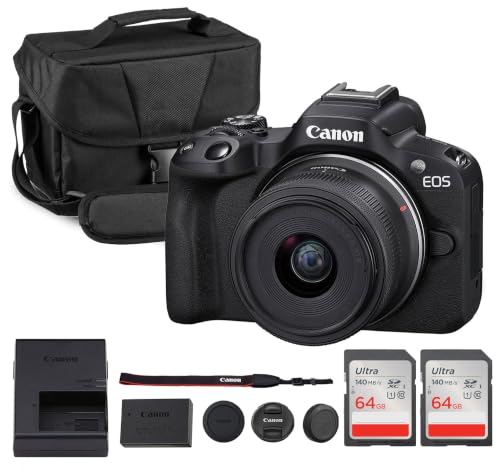

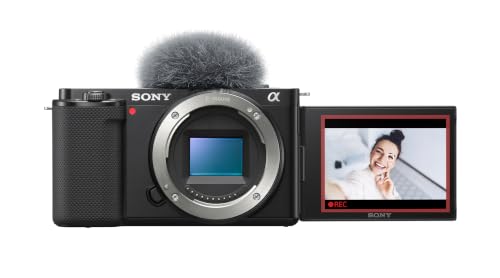


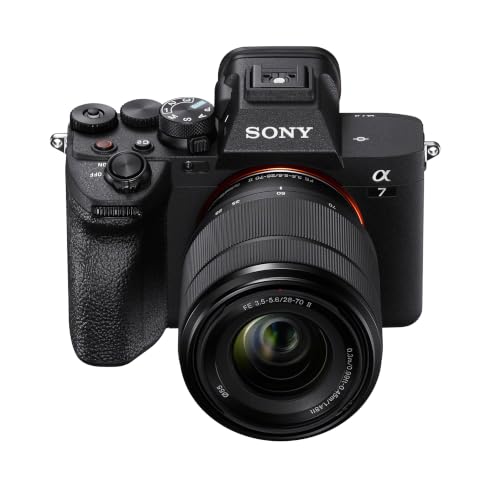
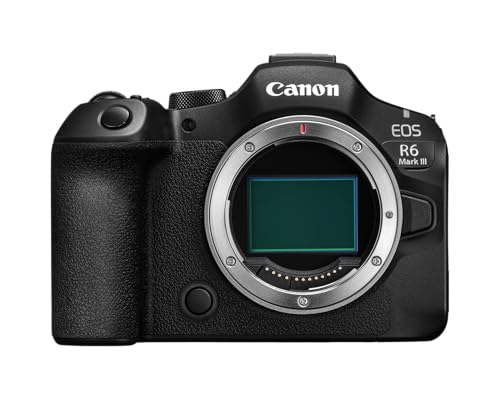

Camera Classes That Suit Interior Work
One naming trap first: best interior cameras usually means fixed security cameras that watch a home, a different product class that records video rather than making still photographs. For stills of rooms, three classes do the real work.
Interchangeable Lens Cameras: Width Lives in the Lens
Interior work is mostly about width: the room is wider than a normal lens can hold from the doorway. Wide zoom lenses in about the 14 to 24 mm range on full frame bodies, or 10 to 18 mm on APS C bodies, decide whether the room fits at all. Because the lens sets the limit, this class rewards money spent on glass over money spent on the body. A modest body with a good wide zoom outshoots a flagship body wearing a standard kit lens in almost every home.
Advanced Compacts and Fixed Lens Cameras
A fixed lens compact with a genuinely wide lens built in is the light, simple route for landlords, hosts and agents who shoot their own spaces. There is nothing to swap and nothing to forget, and the best of the class holds colors well in window light. The trade is fixed: if the built in lens is not wide enough for a small bathroom, no accessory fixes it, and low light corners will lean on the tripod more than an interchangeable setup would.
Full Frame Bodies and Shift Lenses
At the top sit full frame bodies paired with tilt and shift lenses, the professional classes of this field. A shift lens moves the glass sideways so walls stay vertical instead of leaning back, and a tilt lens steers focus across a slanted plane. These lenses are manual, slow and costly, and they reward a tripod and patience. Working property and design photographers choose this class when a client pays for geometry that software cannot fully repair.
What Your Money Gets You at Each Price Tier
Tiers here follow typical street prices for a body and a wide lens bought together, since a body alone takes no pictures.
Budget Tier: Honest Rooms, Simple Kits
For about $400 to $800 you get a used or entry level interchangeable body, a kit wide zoom and real manual control. Files are clean in daylight rooms and fair in dim ones if the tripod does the work. Expect slower focusing, a smaller buffer and no weather sealing, none of which matters much indoors. This tier suits sellers and hosts who shoot a few spaces a month.
Midrange Tier: The Working Middle
For about $800 to $1,800 the glass improves first: wider and brighter zooms, better color depth and sensors that hold shadows when you lift dark corners. Bodies add steadier screens, faster card writing and in body stabilization that helps the odd handheld shot. Most working rental and design photographers live here, because clients see the difference over the budget tier in mixed light, and the kit still fits in one bag.
Premium Tier: When the Fee Justifies It
For about $1,800 to $3,500 you are buying full frame sensors, shift lens access and dynamic range that rescues bright windows without graying the room. Builds get tougher and screens tilt every way a low tripod demands. The picture quality jump over midrange is real but smaller than the price jump, so this tier makes sense when interior work is billed work and reshoots cost more than gear.
Features Worth Paying For (and Ones to Skip)
Pay for width, range and support. Skip extreme telephoto reach, novelty filter sets and pixel counts far beyond what a listing page or a print at room size can show.
Lens and Zoom Range
The wide end is the whole game: a lens that starts at 14 to 16 mm in full frame terms frames a bedroom from its doorway. Zoom range past about 50 mm earns little indoors, where a few steps replace millimeters. Distortion control matters more than sharpness charts, because software corrects a curved line only so far before the wall looks bent. Borrow or rent a wide zoom once before buying; one afternoon tells you your true widest need.
Mixed Light and Dynamic Range
Mixed light is the defining challenge: window daylight, warm lamps and cool ceiling panels land in one frame with three different colors. A sensor with wide dynamic range holds the bright window and the shaded corner in a single exposure, which saves the bracketed sets you would otherwise blend. Look for a body that lets you set white balance for a scene and review a live histogram while you shoot. Those two tools fix more interior shots than any filter.
Tripod Support and Long Exposures
A tripod is part of this purchase, not an accessory you add later: most room shots are long exposures, taken at low sensitivity for seconds at a time. That is why a modest body on a solid tripod beats a costly body handheld in a dim hall. Budget for a head that levels fast and legs that reach both counter height and near floor height. Check that the camera screen tilts for the low angles near floor work demands.
Sensor Size and Image Quality
Full frame sensors lead in dynamic range and high sensitivity cleanliness, and APS C bodies trail by a smaller margin than price suggests, especially on a tripod where sensitivity stays low. Megapixel counts past about 24 matter mainly for large prints and heavy cropping. Judge sample files by their corners and shadows rather than their centers. Interior work lives at the edges of the frame, so that is where a sensor earns its price.
Ease of Use for Your Skill Level
If rooms are your first serious subject, guided auto modes and a clear live view histogram teach exposure faster than any manual. Readers starting from zero can ground themselves with our guide to best beginning photography cameras before choosing a tier. Experienced shooters should weight tethering and focus peaking instead. A laptop check on site prevents the reshoot that costs a full day.
Picking the Right Cameras for Different Uses
Best Low Cost Cameras for Interior Photography
At the low cost end the money order flips: lens first, tripod second, body last. A used APS C body with a clean wide zoom and a firm tripod beats a new body with a kit lens in the same rooms. Check a used lens for fungus and a used body for its shutter count before paying. Keep the whole kit under about $600 so the tripod is not the corner that gets cut.
Long Term Costs to Factor In
Glass outlives bodies, so a good wide zoom is a ten year purchase while the body behind it changes twice. Add editing software, a color checker card and a spare battery to the yearly list, plus a new tripod head every few seasons. Film bodies sit outside this ladder as a separate medium class with per roll costs and no instant review, a route surveyed in our guide to best film photography cameras. Skill is a cost too: our notes on best cameras for starter photography map the learning curve that turns any tier into good rooms.
Frequently Asked Questions
What features matter most in cameras for interior photography?
Width, dynamic range and tripod support matter most, in that order. One point the feature sections leave out is exposure bracketing. Shooting three frames at different brightness levels and blending them rescues the classic interior problem, a glowing window over a dim room, on almost any body from the last decade. If a camera lacks automatic bracketing, that is a stronger reason to skip it than a modest sensor is.
How much should I spend on my first camera for interior photography?
About $400 to $800 covers a first kit that shoots honest rooms, spent as a used or entry level body plus a wide zoom. Add about $100 for a tripod before you add anything else, because support improves more frames than a body upgrade does. Move into the about $800 to $1,800 tier when clients or listings start paying you. Let the work, not the catalogue, set that timing.
Which sensor class is better for low light interior photos?
On a tripod, the gap nearly vanishes, because long exposures let every sensor work at its lowest and cleanest sensitivity. The full frame advantage appears when you must handhold in a dim space, where it stays clean about two stops higher. So the better low light buy for most room shooters is the smaller sensor paired with the better tripod. The savings can fund the wide lens instead.
Do I really need a tripod for interior photography?
Yes, for any room darker than a sunny kitchen, and the reason goes past sharpness. A tripod lets you shoot the same frame at several heights and pick the most natural one, which changes how large a room feels more than any lens does. It also keeps verticals consistent across a whole set, so a listing reads as one place instead of twelve different ones. Handheld snapshots are fine for scouting only.
Is a smartphone enough for interior photography?
For a quick rental listing in bright light, a current phone is honestly enough, and its automatic blending handles windows well. It falls short in dim rooms, where its small sensor smears detail, and at frame edges, where its widest lens bends walls that a buyer later walks through in person. Choose a dedicated camera when the photos must sell the space rather than simply show it.
Final Thoughts
Spend on the wide lens first, the tripod second and the body last, and every tier in this guide will treat you fairly. Match the class to how often the work pays, and the best cameras for interior photography are simply the ones whose files make a room look like itself. Look back at the product table above, set your tier, and shoot your own home as the first test.

