
Best Cameras for Instagram Reels: Our 2026 Checklist for Better Vertical Video
Disclosure: We may earn a commission when you buy through links on this page, at no extra cost to you. As an Amazon Associate I earn from qualifying purchases. Learn more

A checklist on vertical video, autofocus and phone transfer to help you choose the best cameras for instagram reels.
Reels reward cameras that start fast, frame vertical video cleanly, and keep a face sharp while you move. This guide uses a simple checklist to compare the best cameras for instagram reels by framing, focus, sound, and transfer speed. Match each factor to the way you actually film before you spend.
You do not need the largest sensor to post strong Reels. You need reliable focus, steady footage, clear speech, and a file on your phone minutes after filming. Use the comparison table below to narrow your short list, then work through the checklist.


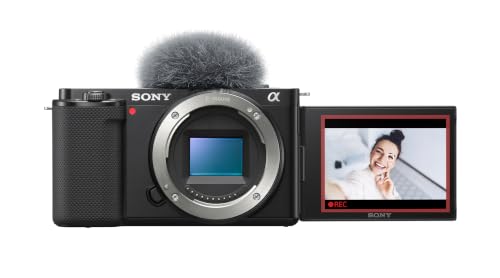



Who Should Buy a Camera Built for Instagram Reels
A dedicated camera earns its place when your phone struggles with focus, sound, indoor light, or long sessions. Carry your group priorities below into the feature sections.
Daily Creators Who Post Vertical Video Every Week
You film talking clips, tutorials, and quick updates at home, often alone and often in one take. Prioritize a flip screen, dependable eye tracking, and a microphone input for clear speech. Fast transfer to your phone matters as much as image quality, because a camera that slows your posting rhythm will sit unused.
Travel and Lifestyle Creators Who Film While Moving
You shoot street scenes, hikes, and markets where you cannot control light or repeat a moment. Prioritize compact size, strong stabilization, and weatherproof sealing for light rain and dust. A wide field of view helps in small rooms, and USB C charging from a power bank keeps you filming all day.
Sellers and Small Brands Who Film Products Up Close
You show hands, textures, labels, and details a buyer needs to trust before ordering. Prioritize close focusing distance, accurate color indoors, and a screen that tilts for flat lay angles on a table. Clean product sounds, such as a zipper closing or a lid clicking shut, add proof that still photos cannot give.
Key Features to Compare for Instagram Reels
Judge each camera against the same six factors below, in this order, because framing and focus decide whether a clip is usable before sensor size ever impresses.
Vertical Framing, Flip Screens and Frame Guides for Reels
Reels use a tall 9:16 frame, so a camera should help you compose for that crop while you film, not after. Look for on screen guides that mark the tall frame and a screen that flips forward for solo filming. Some models record open gate video from the full sensor area, giving you room to reframe later. Choose guides and a flip screen first if you film alone, because a cut off head cannot be fixed in editing.
Sensor Size and Image Quality for Clean Reels Footage
A 1 inch sensor in a compact body is a clear step up from most phones while staying pocket friendly. APS C sensors gather more light and blur backgrounds more easily, and full frame sensors go further in dim rooms at higher cost and weight. Megapixels matter less for Reels, since playback resolution is modest, so judge by 4K video at 30 or 60 frames per second rather than still photo count. For broader context, see our guide to the best digital cameras.
Autofocus and Stabilization for People in Motion
Eye autofocus that locks onto a face and holds it while you turn, gesture, or walk is the most valuable focus trait for Reels. Tracking should follow a person, a pet, or a product without hunting against a busy background. In body image stabilization smooths small hand movements, and a small gimbal gives the steadiest walking shots at the cost of setup time. Choose strong tracking and in body stabilization for handheld work.
Low Light Performance for Indoor and Evening Reels
Kitchens, cafes, and evening streets punish cameras with small sensors and slow lenses. A lens that opens to about f1.8 to f2.8 gathers far more light than one limited to f4, so you can keep ISO lower and avoid grainy detail. A larger sensor also keeps faces cleaner when you raise sensitivity. If you film indoors often, put aperture and sensor size ahead of zoom range.
Lenses and Audio for Spoken Reels
A field of view near 20 to 24 mm in full frame terms fits your face and some background at arm length, while about 35 to 50 mm suits product demos and seated tutorials. Fixed lens compacts keep this simple, and interchangeable lens bodies let you change the look later. A microphone input lets you add a small mic, because clear speech holds viewers longer than a sharper picture with echoing room sound.
Battery Life, Charging and Fast Transfer to Your Phone
Video drains batteries far faster than still photos, so check rated recording time per charge rather than still photo shot count. USB C charging lets you top up from the same power bank you carry for your phone, and a spare battery is cheap insurance for event days. A stable WiFi app should send short clips to your phone without repeated pairing failures, because clips that wait until tomorrow rarely get posted.
Camera Types Compared for Instagram Reels
Compact cameras with a fixed lens suit solo creators who want one small body, a flip screen, and simple auto modes for daily posting. Mirrorless cameras with interchangeable lenses suit creators who plan to grow or need stronger low light results. In practice, the best cameras for instagram reels for most people sit in one of these two groups, matched to budget and patience for setup.
Action cameras suit travel, sports, and wet or dusty days, though their small sensors trail in dim indoor light. If your feed mixes video with still posts, see our guide to the best cameras for instagram pictures. For short form video alone, see our guide to the best cameras for reels.
Quick Buyer Checklist for Reels Cameras
Answer each question with yes or no for any camera on your short list. A camera that fails a question tied to your main use is the wrong camera. For a wider view of the platform, see our guide to the best cameras for instagram.
- Does the screen flip forward so you can frame yourself while filming alone?
- Does the camera show tall frame guides or record video you can crop to 9:16 cleanly?
- Does eye autofocus hold a moving face without repeated hunting or pulsing?
- Can the lens open wide enough for your usual indoor light, near f2.8 or wider?
- Is there a microphone input for clearer speech than the built in microphone gives?
- Does the phone app transfer a short clip in about a minute without errors?
Common Mistakes to Avoid When Choosing a Reels Camera
- Buying for megapixel count alone, so you pay for still photo detail that Reels playback never shows.
- Choosing a long zoom range over a wide aperture, so indoor clips turn grainy and faces lose clarity.
- Ignoring the phone transfer app, so finished clips sit on a memory card instead of reaching your feed.
- Filming every clip at the widest view, so faces near the frame edge look stretched and unflattering.
- Skipping a microphone because the picture looks sharp, so echoing speech pushes viewers to scroll away.
- Buying a heavy body for daily posting, so the camera stays home and your phone does the work anyway.
How to Make Your Reels Camera Last Longer
Clean the lens with a soft lens cloth, not your shirt, because shirt fabric can drag grit across the coating and leave fine scratches. Wipe the body after beach or rain shoots, and store the camera in a dry, padded bag.
Update the firmware when the maker releases focus or transfer fixes, and format memory cards in the camera after you back up your clips. Keep the sensor covered when you change lenses, and use a blower rather than a cloth on the sensor. Treat weatherproof sealing as splash protection, not as permission to submerge the camera.
FAQ
What features matter most in cameras for Instagram Reels filmed solo?
A flip screen, eye autofocus, and a microphone input matter most for solo Reels. They let you frame yourself, stay sharp while you move, and record speech viewers can follow without subtitles. Add a small table tripod with a tilting head, because a stable camera at eye level looks more natural than a clip filmed from below your chin.
Which sensor size is better for Instagram Reels in low light?
An APS C or full frame sensor is better for low light Reels than a small compact sensor. The larger area gathers more light, so faces stay cleaner at high ISO settings in cafes and living rooms. A fast lens and a small LED panel can narrow the gap, often improving a compact camera result more than a body upgrade alone.
What specs matter most for beginners buying a first camera for Instagram Reels?
Simple auto exposure, reliable autofocus, and an easy phone app matter most for a first Reels camera. These traits let you publish while you learn, instead of fighting menus on every shoot. Start with the kit lens or a fixed lens model, film for a month, and note which limit bothers you most before buying extra gear.
How much should I spend on a first camera for Instagram Reels?
Plan on about $500 to $1,000 for a capable first camera for Instagram Reels, including a basic lens where one is not built in. Below that range, a recent phone often matches the result for less effort. Reserve part of the budget for a microphone, a spare battery, and a memory card.
Is a smartphone enough instead of a camera for Instagram Reels?
A smartphone is enough for Instagram Reels when your light is good and your clips are short. Phones win on speed, editing apps, and instant posting. A dedicated camera pulls ahead when you film indoors often, need a blurred background, record long sessions, or want steadier focus on a moving subject.
Wrapping Up
Start with framing, focus, and sound, then let sensor size and lens choice refine the result within your budget. A camera you can frame alone and empty into your phone in minutes beats a larger body you rarely carry. Choose the best cameras for instagram reels setup that fits the rooms, light, and pace you film in, and compare your short list against the product table above.

