
Best Cameras for Instagram Photography in 2026: Every Type Explained Side by Side
Disclosure: We may earn a commission when you buy through links on this page, at no extra cost to you. As an Amazon Associate I earn from qualifying purchases. Learn more

Camera types, sensor size, autofocus and phone transfer compared to pick the best cameras for instagram photography.
Choosing a camera for your feed can feel confusing because every type promises sharp photos and easy sharing. The best cameras for instagram photography are not always the largest or the most costly ones. They match how you shoot and how fast you post. Use the comparison table below to compare the main types.
Think first about your usual post. A travel creator needs a light body and quick transfer to a phone. A portrait creator needs reliable focus on eyes and a lens that softens the background. A video creator needs a screen that flips forward.





Who Should Buy a Camera for Instagram?
Your posting habit matters more than a long spec list. Start with the group that sounds most like you.
Travel and Lifestyle Creators Who Post Every Day
You shoot food, streets, hotels and small moments as they happen, and you often edit on your phone the same day. Choose a compact body or a small mirrorless camera with WiFi or Bluetooth, so you can move a photo to your phone in minutes. A modest zoom covers wide scenes and tighter details.
Portrait and Fashion Creators Who Want Soft Backgrounds
You post outfits, portraits and product shots where the subject must stand apart from the background. Choose a larger sensor and a lens with a wide aperture, because that pairing creates the soft blur viewers notice in portrait feeds. Eye detection matters more than raw speed, since a sharp eye makes the portrait look right.
Video First Creators Who Film Reels and Stories
You film short vertical clips, talk to the camera and post while an event is still current. Choose a vlogging camera or a mirrorless body with a screen that flips forward, 4K video and a microphone input. Face tracking keeps you sharp while you move, and a wide lens keeps your face and the scene in frame.
Key Features to Compare
Compare these six factors in the same order for every camera. For broader background, see our guide to the best cameras for photography. Judge each factor by how it changes what you can post.
Sensor Size and the Look of Your Feed
The sensor records light, and its size shapes detail and performance after sunset. A 1 inch sensor in a compact beats most phones in dim cafes and gives cleaner files for editing. APS C sensors, common in mirrorless cameras, gather more light and pair well with lenses that blur backgrounds. Full frame sensors gather the most light, but bodies and lenses cost and weigh more.
Autofocus and Eye Detection
Autofocus decides how many of your shots stay sharp, and it matters most when your subject moves or when you shoot yourself. Look for face and eye detection that holds focus while a person turns or walks, because reshooting a missed moment is rarely possible. Touch focus on the rear screen helps when you compose a flat lay and want focus on one exact point.
Screens and 4K Video for Vertical Clips
A screen that flips forward lets you check framing, focus and light while you record yourself, which saves retakes. Touch controls make it simple to tap a product or a face and set focus there. For video, 4K recording gives you room to crop a vertical clip for Reels while keeping good detail. A microphone input helps you record clearer sound.
Wireless Transfer to Your Phone
Fast transfer turns a camera photo into an actual post. WiFi and Bluetooth links let the camera send selected photos to the maker app on your phone, where you can edit and share them without a cable. Our guide to the best cameras for instagram covers that workflow in more depth. Check how the app handles full size files, because some apps shrink photos by default.
Lenses, Optical Zoom and Aperture
On a compact camera, optical zoom uses the lens itself to move closer, so detail stays sharp in a way that digital zoom cannot match. A range covering wide scenes and modest portraits suits most feeds. On a mirrorless camera, you change lenses instead, and a prime lens with a wide aperture gives softer backgrounds in dim light.
Size, Weight and Weather Sealing
A camera that feels fine for ten minutes in a shop can feel heavy after a full day in a small bag. Weigh the body with the lens and battery you will carry, and test the grip with one hand. Weather sealing uses gaskets at doors and dials to resist dust and light rain, which helps for beach posts. Sealing is not waterproofing, so a sealed camera still needs shelter in heavy rain.
Types of Cameras Compared for Instagram Use
When you compare the best cameras for instagram photography by type, the trade is always between size, control and speed of posting.
Point and Shoot Compacts for Simple Daily Posting
A point and shoot compact keeps the lens attached, the body small and the controls simple, so you can carry it in a jacket pocket and shoot with one hand. Better models use a 1 inch sensor and a modest optical zoom, giving cleaner low light photos than a phone. You give up lens changes, and smaller sensors limit background blur. Expect to pay about $300 to $800.
Mirrorless Cameras for Portraits and Growing Skills
A mirrorless camera uses interchangeable lenses and a larger sensor, usually APS C or full frame, giving you the most control over blur, light and color. Start with a standard zoom and add a prime lens later for portraits. The costs are size, price and a steeper learning curve. Expect to pay about $600 to $1,800 with a first lens. New buyers can see our guide to the best beginning photography cameras and our guide to the best cameras for starter photography.
Vlogging Cameras Built Around Video
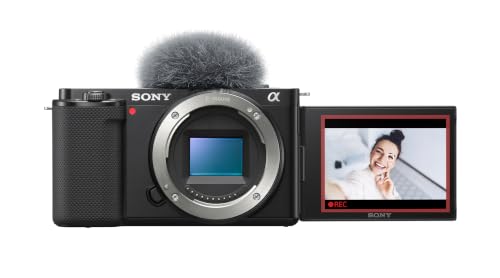
A vlogging camera is shaped around recording yourself, with a screen that flips forward, strong face tracking and simple audio options. Many models pair a compact body with a wide lens, so your face and the place behind you fit at arm length. Product showcase modes on some models shift focus to an item you hold up. Expect to pay about $400 to $1,000.
Common Mistakes to Avoid
These errors cost money or posts, and each one is easy to avoid.
- Buying on megapixels alone leaves you with a small sensor that struggles in dim light.
- Skipping eye detection makes portrait posts softer, because focus lands on a shoulder instead of the eye.
- Ignoring transfer speed means your best photos sit on a card while timely posts go up from your phone.
- Choosing a heavy full frame kit for daily carrying leads to leaving it at home on most days.
- Filming vertical clips without a frame guide causes cropped heads when you trim the clip for Reels.
- Paying for a long zoom you rarely use adds weight while the wide shots your feed needs stay weak.
Care and Maintenance for Instagram Cameras
Clean the lens with a soft lens cloth, not your shirt, because shirt fabric can hold grit that marks the coating. Use a blower to remove dust if you change lenses, and keep lens caps on during travel. Let a damp camera dry in open air before you seal it in a bag.
Carry a spare battery and a spare memory card, because video and wireless transfer drain power faster than stills alone. Store the camera in a dry, padded bag away from direct sun. Format cards in the camera after you back up your files.
FAQ
What features matter most in cameras for Instagram photography?
Fast phone transfer and reliable eye detection matter most, because they decide whether a good shot becomes a post while it is still timely. A useful extra is a favorite color profile saved as a custom setting, so your feed keeps one look across shoots.
Is a smartphone enough instead of a camera for Instagram photography?
A smartphone is enough if you shoot in good light, post quickly and rarely crop your photos. A camera earns its place when you shoot in dim rooms, want real background blur, or film long clips. One point many creators miss is storage: a camera card keeps large video files off your phone.
What camera specs matter most for Instagram beginners?
For Instagram beginners, simple menus, guided modes and a helpful auto setting matter more than advanced specs. A camera that explains each mode on screen helps you learn why a photo changed. Start with one lens, then change only one setting at a time during practice shoots at home.
Which camera type is better for low light Instagram photos?
A mirrorless camera with a larger sensor and a wide aperture lens is better for low light Instagram photos than a small compact. A steady hand helps just as much, because a slower shutter gathers more light if you brace your elbows. Many cameras also offer a night scene mode that blends frames for you, which suits city lights.
How much should you spend on a first camera for Instagram photography?
Plan to spend about $400 to $900 on a first camera for Instagram photography, including a lens if the body needs one. That range covers strong compacts and entry mirrorless kits with WiFi and good autofocus. Leave part of the budget for a spare battery, a card and a small bag.
What does optical zoom mean for Instagram photos?
Optical zoom means the lens changes its focal length to frame a closer view while keeping full detail in the file. That lets you shoot a building detail or a performer from the back of a small room without cropping away most of the photo later. Check the printed range on the lens, such as 24 to 70 mm.
Our Verdict
Match the camera type to your posting habit first. Choose a compact if you value pocket size and simple posting, a mirrorless camera if portraits and lens growth matter most, and a vlogging camera if vertical video leads your account. Then confirm eye detection, a screen that suits how you frame, and fast transfer.
Use the product table above to compare size, sensor, video and price. When those points fit your routine, the best cameras for instagram photography for your feed will feel easy to carry and quick to post from.

