
Best Cameras for Instagram Influencers in 2026: A Buying Guide
Disclosure: We may earn a commission when you buy through links on this page, at no extra cost to you. As an Amazon Associate I earn from qualifying purchases. Learn more

Compare sensors, flip screens, eye autofocus and phone transfer to choose the best cameras for instagram influencers.
Your feed rewards sharp portraits, clean color and fast posting, but a camera that slows you down will sit at home. The best cameras for instagram influencers help you frame yourself, focus on your eyes, shoot vertical video and send files to your phone quickly. Use the comparison table below to match each type to the way you create.
Start with your main content. Beauty and fashion posts need pleasing skin tones and soft backgrounds. Travel posts need a small body and strong stabilization. Food and fitness posts need reliable color in mixed light and clear video for Reels.


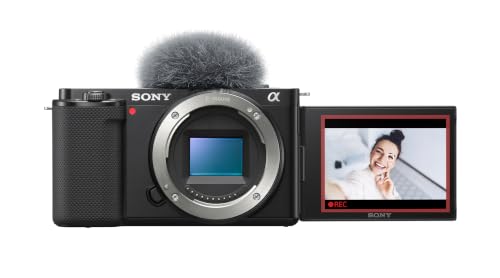



Who Should Buy Which Cameras for Instagram?
Choose by the posts you make every week, not by the largest sensor you can afford. Shooting alone, working with brands or traveling often changes which features matter most.
Beauty and Fashion Creators Who Shoot Their Own Portraits
You need a flip screen you can see while you pose, eye autofocus that holds focus as you move, and color that keeps skin natural under window light. A compact mirrorless body with a bright portrait lens suits you best. Face priority and app remote control save retakes when you work alone.
Travel and Lifestyle Creators Who Post on the Move
You shoot in streets, cafes and hotels, often with one bag and little time to set up. Choose a light compact or small mirrorless camera with image stabilization and USB C charging. Fast WiFi transfer matters more than a huge zoom, because a photo posted the same day serves your audience better than a perfect file posted a week later.
Food, Fitness and Brand Creators Who Mix Photos and Reels
You switch between still photos for the grid and short vertical clips for Reels and Stories. Choose a camera with 4K video, a microphone input for clear speech, and subject tracking that follows a face or a workout movement. A tilt screen helps for overhead food shots and low angle exercise shots.
Key Features to Compare
Compare these factors in order, because they shape your daily workflow. For wider context, see our guide to the best digital cameras.
Sensor Size and Image Quality for Instagram Feeds
Sensor size controls how much light the camera can gather and how clean images look indoors. A 1 inch sensor in a compact camera is a clear step up from most phones and keeps the body small. APS C sensors give stronger low light results and softer backgrounds. Full frame sensors give the most control in dim rooms, but bodies and lenses cost and weigh more. Megapixels matter less than you may expect, since Instagram compresses files.
Lens Choice, Optical Zoom and Aperture for Portraits
The lens shapes your look more than the body alone. A fixed lens compact with optical zoom of about 3 to 5 times covers portraits, products and street scenes without swapping gear. On interchangeable lens cameras, about 35 mm to 50 mm in full frame terms suits portraits, while a wider 24 mm view suits rooms and travel. A wide aperture such as f 1.8 to f 2.8 softens the background and helps your subject stand out in a busy cafe.
Autofocus and Image Stabilization for Handheld Shooting
Eye autofocus finds a face and holds focus on the nearer eye, which is vital when you use a tripod and pose alone. Check that it works for photos and video. Image stabilization steadies the camera in your hands and smooths small movements in clips. It helps at slow shutter speeds, but it does not freeze a moving subject, so keep shutter speed high for action.
Flip Screen and 4K Video for Reels and Stories
A fully turning flip screen lets you check framing, focus and exposure while you stand in front of the camera. Confirm the screen stays clear of a tripod plate and a microphone cable. For video, 4K gives you room to crop a horizontal clip into a vertical Reel and still keep detail. Look for vertical video guides and clear limits on recording time and heat.
Phone Transfer, Battery Life and Charging for Daily Posting
Your workflow ends on your phone, so check how the camera app sends photos and short clips before you commit. Good apps reconnect on their own and send full files when you need them. Ratings of about 300 to 400 shots per charge are common for small mirrorless models, while video drains power faster. Carry a spare battery for event days, and use USB C charging on trips.
Types of Cameras for Instagram Creators Compared
Each type trades size, control and cost in a different way. For still photo ideas, see our guide to the best cameras for instagram pictures.
Point and Shoot Compacts for Simple Daily Posts
Point and shoot compacts put a 1 inch sensor and a zoom lens in a pocket size body with simple automatic modes. They suit creators who want better zoom and low light results than a phone gives, without lens changes. Choose this type for travel and candid daily content where speed matters more than full manual control.
Mirrorless Cameras with Interchangeable Lenses for Growing Accounts
Mirrorless cameras let you change lenses as your style grows, from wide travel views to bright portrait lenses. They offer strong eye autofocus, larger sensors and the best video tools in this guide. The trade off is cost and size once you add a second lens. Choose this type if you plan client work alongside Instagram posts.
Action Cameras for Travel and Active Content
Action cameras are tiny, tough and made for wide views of movement, water and outdoor trips. Strong stabilization and voice control help when your hands are busy. Their small sensors and wide lenses are less ideal for portraits and dim indoor rooms. Choose this type as a second camera for hikes and beach content, not as your only camera for a portrait led feed.
Common Mistakes to Avoid
- Buying the largest sensor but no flip screen leaves you unable to check your own framing when you shoot alone.
- Choosing a camera with slow phone transfer delays posting and pushes you back to your phone for time sensitive content.
- Ignoring the microphone input gives you sharp Reels with weak speech that viewers skip in the first seconds.
- Paying for long zoom you never use adds weight and cost while your portraits still need a brighter lens.
- Posting only horizontal video forces hard crops for Reels and cuts off heads, products and captions.
- Skipping a spare battery stops an event shoot early because video and WiFi transfer drain power fast.
Care and Maintenance for Instagram Cameras
Use a clean lens cloth, not your shirt, since shirt fabric can hold grit that marks the front glass. Blow loose dust off first, then wipe in a small circle. Store the camera in a dry padded bag away from bathroom steam and perfume spray.
Update the camera firmware when the maker releases autofocus or app improvements, and use a full battery so the update does not stop midway. Format memory cards in the camera after you back up your files, and keep two smaller cards so a card fault cannot erase a whole brand shoot.
FAQ
What features matter most in cameras for instagram influencers?
The features that matter most are eye autofocus, a flip screen, pleasing color and fast transfer to your phone. Together they let you shoot alone, check the frame and post the same day. A useful extra is the front recording light, which confirms at a glance that video is running.
Which camera features help Instagram influencers most in low light?
A larger sensor, a bright lens and stabilization help most in low light for Instagram posts. Restaurants and evening events reward a lens at f 2.8 or wider more than extra megapixels. Use face detection with a modest ISO limit so skin stays clean. Test 4K in dim light too, since some cameras crop the view in that mode.
How much should Instagram influencers spend on a first camera?
Most new creators should plan about $500 to $1,000 for a capable compact or an entry mirrorless kit with one lens. That range covers a flip screen, good autofocus and 4K video. Keep part of the budget for a tripod, a small light and a spare battery, since those items improve daily posts more than a costlier body alone.
Is a smartphone enough instead of a camera for Instagram influencers?
A smartphone is enough to start an Instagram account and learn what your audience likes. A dedicated camera becomes worthwhile when you need stronger zoom without digital softness, softer backgrounds, better dim light files or cleaner audio for brand work. Note that the best cameras for instagram influencers also give you separate storage and battery from your phone, so a long shoot does not drain the device you need for posting.
Do Instagram influencers need 4K video or is 1080p enough for Reels?
For most Reels, clean 1080p is enough, because phones display short clips at modest sizes and good light matters more than pixel count. Choose 4K if you crop horizontal footage into vertical clips, film products with fine detail or reuse footage on larger screens. Note that 4K files fill storage faster, so many creators record daily Stories in 1080p and save 4K for planned brand clips.
Final Thoughts
Match the camera to your most common post first, then check the screen, the focus system and the path from camera to phone. Sensor size and lens brightness set your quality ceiling, while transfer speed decides how often you will use the camera. See our guide to the best cameras for influencers and our guide to the best cameras for instagram for related angles, then use the product table above to compare size, video and price.
When you judge best cameras for instagram influencers by your own content, workflow and budget, the right choice becomes practical rather than impressive on paper. Buy the smallest camera that meets those needs and learn its app and color settings well.

