
Best Cameras for Influencers: Every Type Explained Side by Side for 2026
Disclosure: We may earn a commission when you buy through links on this page, at no extra cost to you. As an Amazon Associate I earn from qualifying purchases. Learn more

Compare compact, point and shoot, mirrorless, and action cameras for creators, with video, sensor, and lens guidance to help you choose the right fit.
Choosing among the many camera types on the market can feel confusing, especially when every option promises better video and sharper photos. This guide compares the main types side by side so you can see what each one does well, where it falls short, and who it suits best. The best cameras for influencers are not one single type, because a travel vlogger, a studio creator, and a short form video maker all need different strengths, and the comparison table below makes those trade offs easy to spot.
Before you spend anything, think about where you film most often, how much gear you are willing to carry, and whether you edit on a phone or a computer. A small camera you actually take everywhere will serve you better than a large camera that stays at home. Read the type comparison first, then use the choosing section to match features to your content, and check the product table above before you decide.


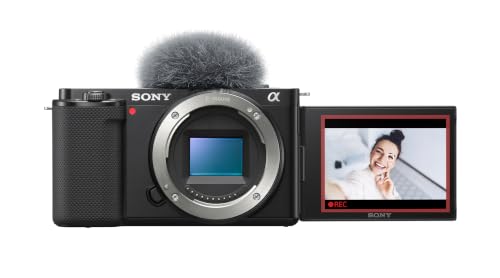
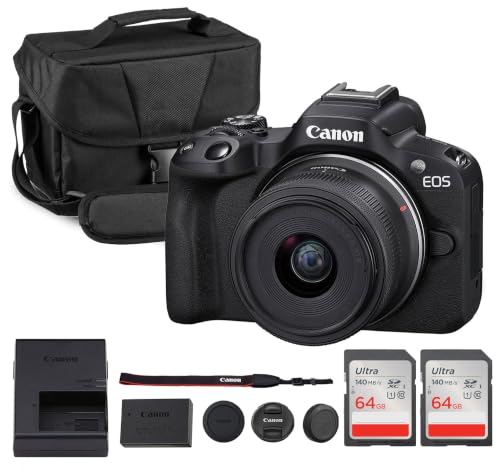


Types of Cameras Compared
The table below gives a quick overview of the four main types covered in this guide. Prices are approximate and vary by features, lens options, and accessories, so treat them as a starting point for planning your budget rather than a fixed price for any one camera.
| Type | Best For | Pros | Cons | Typical Price |
|---|---|---|---|---|
| Compact cameras | Everyday carry and travel | Small, simple, ready fast | Smaller sensor, limited lens choice | around $300 to $700 |
| Point and shoot compacts | Simple photos and casual video | Easy controls, pocketable size | Less manual control, modest low light results | around $200 to $600 |
| Mirrorless cameras | Serious video and photo work | Large sensor, lens choice, strong video | Larger, heavier, higher cost | around $600 to $2,000 |
| Action cameras | Movement, outdoors, and hands free filming | Tough, tiny, strong stabilization | Small sensor, limited zoom, short battery life | around $250 to $500 |
Compact Cameras
A compact camera pairs a fixed lens with a body that fits in a jacket pocket or a small bag, which makes it a good choice for creators who film on the move and want better quality than a phone without carrying a full kit. Most models offer a zoom lens, simple automatic modes, and wireless transfer to a phone, so you can shoot, move a file, and post without a long workflow. The trade off is a smaller sensor than a mirrorless camera, which means less detail in dim rooms and less control over background blur. Choose this type if portability matters more to you than interchangeable lenses.
Point and Shoot Compacts
A point and shoot compact is built for speed and simplicity, with automatic exposure, face detection, and scene modes that handle most decisions for you. This type suits creators who want reliable photos and casual video without learning manual settings, and it works well for daily life content, food, and short clips. The limits show up when you want shallow depth of field, strong low light performance, or a specific lens, because the fixed lens and smaller sensor leave less room to grow. If you value a camera that is always ready and never gets in the way, this type is a sensible starting point.
Mirrorless Cameras
A mirrorless camera uses interchangeable lenses and a larger sensor, which gives you the most control over image quality, depth of field, and video features. You can start with a general zoom lens and later add a wide lens for rooms, a fast prime lens for dim light, or a longer lens for distance, so the system grows with your content. The cost is higher once lenses, batteries, and memory cards are added, and the body plus lens takes up more bag space than a compact camera. Choose this type if video quality is central to your work and you are willing to learn settings and carry more gear.
Action Cameras
An action camera is a tiny, rugged camera designed for movement, water, dust, and mounting on a helmet, bike, or chest strap, which makes it ideal for outdoor creators and adventure content. Strong electronic stabilization keeps walking and riding footage smooth, and the wide lens captures a large scene without careful framing. The small sensor struggles in dim light, the fixed wide lens cannot zoom into distant subjects, and battery life is short during long recording sessions, so spare batteries are essential. Use this type as a second camera for action shots rather than as your only camera for every kind of content.
Compact Cameras vs Mirrorless Cameras: Which Should You Choose?
Compare these two types on size, image quality, lens choice, video features, and total cost, and the right pick becomes clear. A compact camera wins on size, simplicity, and low total cost, because you buy one body and one lens and you are ready to shoot. A mirrorless camera wins on image quality, low light results, lens choice, and video control, because the larger sensor and interchangeable lenses give you far more creative options. If you film mostly in good light and want a camera that travels lightly, choose the compact type. If you film in varied light, want a blurred background, or plan to build a kit over time, choose the mirrorless type and budget for at least one extra lens.
How to Choose the Right Camera
Work through the five factors below in order, and note which ones matter most for your content before you compare any two cameras. A creator who films talking head videos needs different strengths than a creator who films travel, food, or fitness, so let your main content type set your priorities.
Video Capabilities
Look for 4K video, a flip screen that faces you while you record, a microphone input for clearer voice, and reliable continuous autofocus that keeps your face sharp as you move. Log video profiles give more room to adjust color in editing, but they add work, so only prioritize them if you already edit color. For short form video, smooth autofocus and good built in audio matter more than the highest resolution, because most viewers watch on a phone. See our guide to the best cameras for fitness influencers if movement and workout filming are central to your content.
Sensor Size and Image Quality
Sensor size affects detail, low light results, and background blur more than megapixel count alone, so a larger sensor with fewer megapixels often beats a small sensor with many. A 1 inch sensor suits compact cameras and gives a clear step up from a phone, while an APS C sensor suits most mirrorless creators and a full frame sensor suits those who need the best low light results and the shallowest depth of field. Do not chase megapixels for social content, because most platforms compress images heavily. See our guide to the best cameras for instagram influencers for advice shaped around stills and short clips.
Features That Matter for Influencers
Influencer work places specific demands on a camera, including fast startup, reliable face and eye tracking, a screen you can see in sunlight, and quick transfer to a phone for same day posting. Battery life matters too, because a camera that dies halfway through a shoot wastes more time than a slightly sharper sensor saves. Check whether the camera charges over USB while in use, whether it overheats during long video clips, and whether its app transfers full size files or only previews. See our guide to the best digital cameras to compare these features across the wider camera market.
Lens and Zoom Range
Optical zoom changes the lens itself and keeps detail intact, while digital zoom crops the image and loses quality, so compare optical zoom figures only. A general zoom that covers wide to short telephoto suits most creators, a wide lens suits small rooms and vlogging, and a fast lens with a wide aperture suits dim rooms and blurred backgrounds. If you choose a mirrorless camera, remember that the lens often matters as much as the body, and a modest body with a good lens can outperform a costly body with a weak lens. See our guide to the best cameras for photography for a deeper look at lens choices.
Ease of Use for Your Skill Level
Automatic modes, touch controls, and clear menus help new creators get good results quickly, while manual controls, custom buttons, and picture profiles help experienced creators work faster once they know what they want. Try to handle a camera before you buy if you can, because grip, button placement, and menu layout affect daily use more than a spec sheet suggests. A camera that feels awkward will stay in its bag, no matter how good its sensor is. Start with automatic modes and learn one manual control at a time, such as exposure compensation, rather than trying to master everything in the first week.
Setup and Care Tips
Use a lens cloth, not your shirt, to clean the lens, because fabric and grit can scratch coatings over time. Carry a spare battery and a spare memory card, since both run out at the worst moment during a long shoot. Store the camera in a dry, padded bag, keep it out of direct sun in a hot car, and wipe it down after beach or rain sessions. Update the camera software when the maker releases a fix, and back up your files after every shoot so a lost card does not cost you a full day of content.
Frequently Asked Questions
What features matter most in cameras for influencers?
Reliable autofocus, a flip screen, a microphone input, and fast transfer to a phone matter most, because they decide whether you can film, hear, and post content without friction. Sensor size and lens choice come next, since they shape image quality and low light results. A useful extra check is continuous recording time, because some compact cameras stop or overheat during long clips, which matters far more for talking head videos than a small resolution gain.
Which camera helps most with audio?
Any camera with a 3.5 mm microphone input or a cold shoe that accepts a digital microphone gives you a clear upgrade over the built in mic. Clip on wireless microphones and small shotgun mics both work well for talking head videos, and a windscreen helps outdoors. If a camera has no microphone input at all, plan to record audio separately on a phone or a small recorder and sync it in editing, or choose a different body.
Which is better for low light?
A mirrorless camera with a large sensor and a fast lens is better for low light than a compact or action camera, because it gathers more light and keeps noise lower at higher ISO settings. A compact camera with a 1 inch sensor is a reasonable middle step, while an action camera is the weakest choice in dim rooms. One extra tip is to add a small video light for indoor shoots, since even a good camera benefits from a little extra light on your face.
How much should I spend on my first one?
Plan around $300 to $700 for a compact camera, around $600 to $1,200 for a mirrorless body with a kit lens, and around $250 to $500 for an action camera as a second camera. Spend less if you are still learning what content you enjoy, and save the difference for a spare battery, a memory card, and a microphone. A practical extra is to reserve part of your budget for a tripod or a small light, which often improves results more than a pricier body.
Is a smartphone enough instead?
A recent smartphone is enough for many creators, especially for short form video in good light, because it offers strong stabilization, simple editing, and instant posting. A dedicated camera earns its place when you need better low light results, a zoom lens, a microphone input, a flip screen, or longer recording without overheating. A good test is to film your hardest scene, such as a dim room or a moving subject, on your phone first, and only upgrade if that footage clearly falls short.
Our Verdict
Start with your content type, then your filming locations, then your budget, and the right camera type will usually choose itself. A compact camera suits light travel and everyday content, a mirrorless camera suits serious video and photo work, and an action camera suits movement and outdoor scenes. Whichever type you pick, the best cameras for influencers are the ones you will carry, charge, and use every week, so review the product table above and choose the camera that fits your real routine, not just your wish list.

