
Best Cameras for Getting Into Photography by Budget for 2026
Disclosure: We may earn a commission when you buy through links on this page, at no extra cost to you. As an Amazon Associate I earn from qualifying purchases. Learn more

Learn how to choose the best cameras for getting into photography, compare sensor size, autofocus, video, and low light, and match spending to learning goals.
Choosing best cameras for getting into photography can feel confusing because prices stretch from a modest starter setup to a large kit, and every listing seems to promise a different strength. The comparison table below helps you see the main types side by side, while this guide explains what each feature actually does for a new photographer. You do not need the most expensive option to learn well, and you do not need to master every setting on day one.
A good first camera should make learning enjoyable rather than frustrating. It should focus reliably, give you clear feedback when you change a setting, and stay comfortable enough that you want to carry it often. The rest of this guide walks through who benefits from each type, what each spending level usually includes, which features deserve your money, and which extras you can safely skip for now.


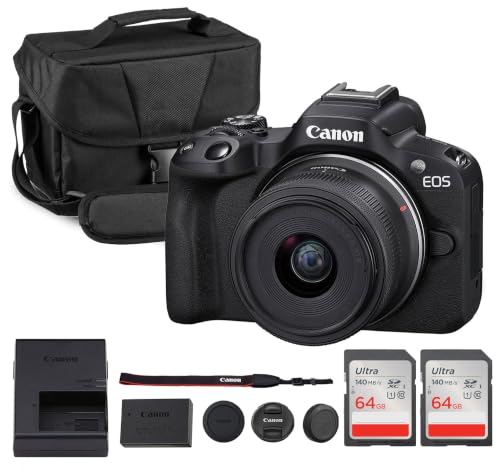
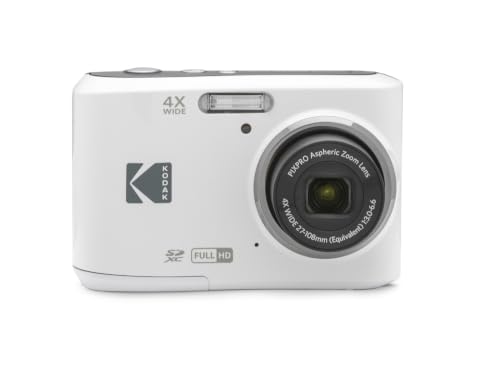


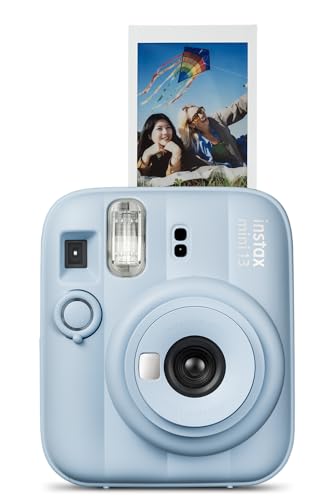

Who Should Buy Which Camera
New Hobbyists Who Want to Learn the Basics
If you are starting from a phone and want to understand aperture, shutter speed, and ISO, look for a camera with a clear manual mode, a simple menu, and a helpful automatic mode for days when you just want a photo. A guided menu or a visible exposure meter can shorten the learning curve, because you can see how each change affects brightness before you press the shutter. A light body also helps, since a camera left at home teaches nothing, and for a broader starter comparison, see our guide to best cameras to get into photography. For this group, ease of use matters more than extreme resolution or advanced video tools.
Travel and Family Photographers
Travel and family shooters need a camera that starts quickly, focuses on moving people, and handles mixed light without constant adjustment. A versatile zoom range covers landscapes, street scenes, and portraits without changing lenses in a crowd. Good battery life matters on long days, and a screen that tilts can help with photos of children or shots from a low angle. Weather resistance can be useful, but it should not outweigh fit, weight, and simple controls for everyday use, and for starter focused options, see our guide to best cameras for starter photography.
Learners Who Want Room to Grow
Some beginners already know they want to explore portraits, landscapes, or night scenes in depth. For those learners, a camera with interchangeable lenses, a larger sensor option, and access to affordable used or entry lenses can be a smart long term choice. You should still start with one general lens, because a single lens forces you to learn framing and light instead of collecting gear. A hot shoe for a flash, a mic input for video, and a solid grip become more valuable as your interests narrow, and learners curious about film can also compare best film photography cameras as a slower, deliberate way to learn exposure.
What Your Money Gets You at Each Spending Level
Starting on a Small Budget
At a small budget, expect a compact body or an entry interchangeable lens camera with a kit lens, reliable automatic focus, and good daylight image quality. You may see a smaller sensor, a plastic body, and fewer direct dials, which means some settings live in menus rather than on buttons. Video is usually fine for casual clips, though long recording, advanced audio, and fast action tracking may be limited. For learning composition and exposure, this level is often enough, and the money you save can go toward a memory card, a spare battery, and a protective bag.
A Comfortable Middle Budget
A middle budget usually brings a larger sensor, faster and more confident autofocus, better low light results, and a brighter viewfinder or a sharper screen. You may also get a tilting or fully articulating screen, a mic input, and more direct controls for aperture and shutter speed. These gains matter most if you shoot indoors, at events, or in the evening, or if you want to print larger photos. This level suits learners who plan to shoot often and want a camera that will still feel capable after a year of practice.
A Larger Budget for Room to Grow
A larger budget can buy a larger sensor, stronger stabilization, faster burst shooting, and more advanced video options such as higher frame rates and better audio controls. You may also get a tougher body, dual card slots, and a wider choice of lenses. Those features help if you already shoot paid work, travel in harsh weather, or film regularly, but they do not automatically make photos better. A beginner should only move to this level when a clear limit, such as poor low light focus or a missing mic input, is holding back real projects.
Features Worth Paying For and Ones to Skip
Video Capabilities
Video matters if you plan to film family moments, short clips for social media, or simple tutorials alongside still photos. Look for smooth autofocus during video, a mic input if you care about clear speech, and a screen that flips forward for self recording. High resolution video sounds impressive, but steady focus, clean audio, and manageable file sizes matter more for most beginners. Skip advanced log profiles and external recording features until you edit video often enough to use them.
Sensor Size and Image Quality
Sensor size affects low light performance, depth of field, and how much you can crop, but megapixels alone do not tell the whole story. A one inch sensor can be excellent in a compact camera, while a larger APS C or full frame sensor usually gives cleaner results in dim light and softer backgrounds. For a first camera, focus on lens quality, autofocus reliability, and comfortable handling rather than chasing the highest pixel count. A sharp kit lens and good technique will beat a high resolution sensor paired with a weak lens.
Autofocus and Stabilization
Autofocus decides whether moving subjects stay sharp, so eye detection for people and reliable tracking for pets or children are genuinely useful. Stabilization helps when you shoot handheld in low light or film while walking, because it reduces shake without forcing a very high ISO. Test how quickly the camera locks focus in a dim room and how smoothly it follows a person walking toward you. Skip exotic tracking modes for birds or vehicles unless that subject is central to your plans, since general person and animal tracking covers most beginner needs.
Features That Matter for Getting Into Photography
Beginners benefit most from features that teach rather than features that impress on a spec sheet, which is how the best cameras for getting into photography stand out. A clear exposure meter, a histogram option, and a simple way to review sharpness at full magnification help you learn from each shot. Direct dials for aperture and shutter speed, a customizable button for ISO, and a friendly automatic mode give you control without menu hunting. A camera that explains settings in plain language, or pairs with a good manual, can be more valuable than a model with a longer feature list that you never open.
Low Light Performance
Low light performance depends on sensor size, lens aperture, stabilization, and how clean high ISO images look. Look for a lens with a wide maximum aperture, useful images at higher ISO settings, and focus that still works in a dim room. A small tripod or a stable surface can also help with still subjects, while a flash or a faster lens helps more with moving people.
Cameras for Specific Needs
Best Cameras for Getting Into Video: Where Your Money Goes
Video first beginners should prioritize steady autofocus, clean audio, and a screen they can see while recording. A mic input, a headphone check option, and a flip screen matter more than a long list of video resolutions, because poor sound ruins a clip faster than a slightly softer image. Look for a camera that stays cool during longer clips and uses cards you already own, and check that the kit lens focuses quietly so motor noise does not reach the microphone. See our guide to best cameras for photography if still photos will remain your main focus.
Long Term Costs to Factor In
The camera body is only part of the total cost, so plan for a memory card, a spare battery, a bag, and cleaning supplies from the start. A second lens, a tripod, a flash, and editing software can wait until you know which kind of photography you enjoy most. Lenses usually last longer than bodies, so a good general lens can be a better investment than a slightly newer body.
Check warranty terms, repair options, and battery availability before you buy, because a cheap body with costly accessories can end up more expensive than a modest kit with standard parts. The product table above can help you compare the main types before you commit to accessories.
Common Mistakes to Avoid
- Buying the highest megapixel count without checking autofocus, lens quality, and low light results.
- Choosing a heavy kit that stays home instead of a lighter camera you will carry every day.
- Ignoring audio and stabilization when video is a real goal, then regretting noisy or shaky clips.
- Spending the whole budget on the body and leaving nothing for a card, a spare battery, and a bag.
- Collecting several cheap lenses instead of learning one versatile lens well.
- Skipping the manual and the exposure meter, which slows learning more than any missing feature.
Frequently Asked Questions
What features matter most in cameras for getting into photography?
Reliable autofocus, comfortable handling, and a clear manual mode matter most for new photographers, because those features help you capture sharp photos while you learn exposure. A good kit lens, useful low light performance, and a screen you can see outdoors also matter more than extreme resolution. Video, weather sealing, and advanced tracking become important only when your projects demand them. Start with a camera that feels natural in your hands and lets you change aperture, shutter speed, and ISO without hunting through menus.
Is a smartphone enough instead of a dedicated camera?
A smartphone is enough for casual snapshots, quick sharing, and learning composition, and its computational tools can produce bright, sharp images in daylight. A dedicated camera gives you larger sensor options, interchangeable lenses, better low light control, and direct control over depth of field, which matter for portraits, night scenes, and fast action. If you enjoy editing, printing, or shooting in difficult light, a dedicated camera will teach you more and give you more creative room. If you rarely carry a bag, a phone you always have may still be the better tool.
What specs matter most for beginners?
Beginners should weigh sensor size, autofocus speed and accuracy, lens aperture, and stabilization more heavily than megapixels or burst rate. A larger sensor and a wide aperture lens help in dim rooms, while reliable eye detection keeps portraits sharp when subjects move. Battery life, card speed, and a comfortable grip affect everyday use more than a long spec sheet suggests. Read the product table above for a side by side view, then choose the camera whose strengths match the subjects you shoot most often.
Which camera is better for low light?
A camera with a larger sensor, a wide aperture lens, and effective stabilization usually performs better in low light than a small sensor camera with a slow kit lens. Check sample images at higher ISO settings and notice whether detail stays clean or turns mushy, and whether focus still locks in a dim room. A tripod helps with still subjects, while a faster lens or a flash helps more with people who move.
How much should I spend on my first camera?
Most beginners do well with a budget that leaves room for a memory card, a spare battery, and a bag, rather than spending everything on the body alone. A small budget works for learning composition and daylight shooting, while a middle budget adds low light ability, faster focus, and better video. Spend more only when you shoot often, print large, or hit a clear limit in your current camera. Renting or borrowing a camera for a weekend can also reveal whether a larger sensor or a different lens is worth the extra cost.
Final Thoughts
The best first camera is the one you will carry, learn with, and enjoy using week after week. Prioritize reliable focus, a comfortable body, and a lens that suits your favorite subjects, then add accessories only as your skills and interests grow. Compare the types in the product table above, check the total cost including a card and a spare battery, and choose a spending level that leaves room to practice without pressure. With steady practice, best cameras for getting into photography will reward you with sharper images, better light, and a clearer sense of the style you want to develop next.

