
Best Cameras for Freelance Photography in 2026: Which Type Is Right for You?
Disclosure: We may earn a commission when you buy through links on this page, at no extra cost to you. As an Amazon Associate I earn from qualifying purchases. Learn more

Compare cameras for freelance photography by type, sensor size, video and low light needs, with a clear checklist for paid client work on location.
Freelance work asks more of a camera than casual shooting does. A client expects sharp files, on time delivery, and no lost images, even in poor light. The best cameras for freelance photography match your paid jobs, and you can compare the main types in the comparison table below.
Start with the work you actually book. Portraits, events, products, and social content each reward a different mix of sensor, lens choice, video, and speed. The sections below sort those needs by type first, then by features that protect a paid shoot.
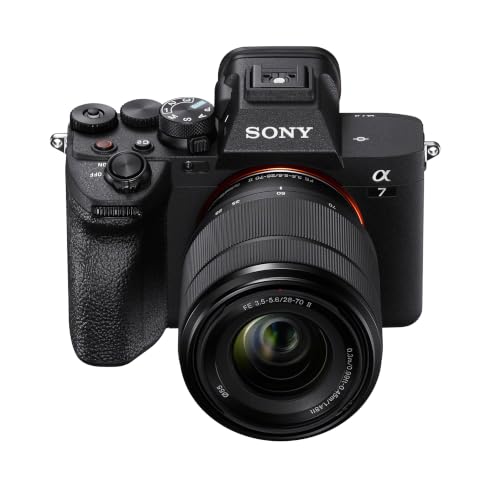





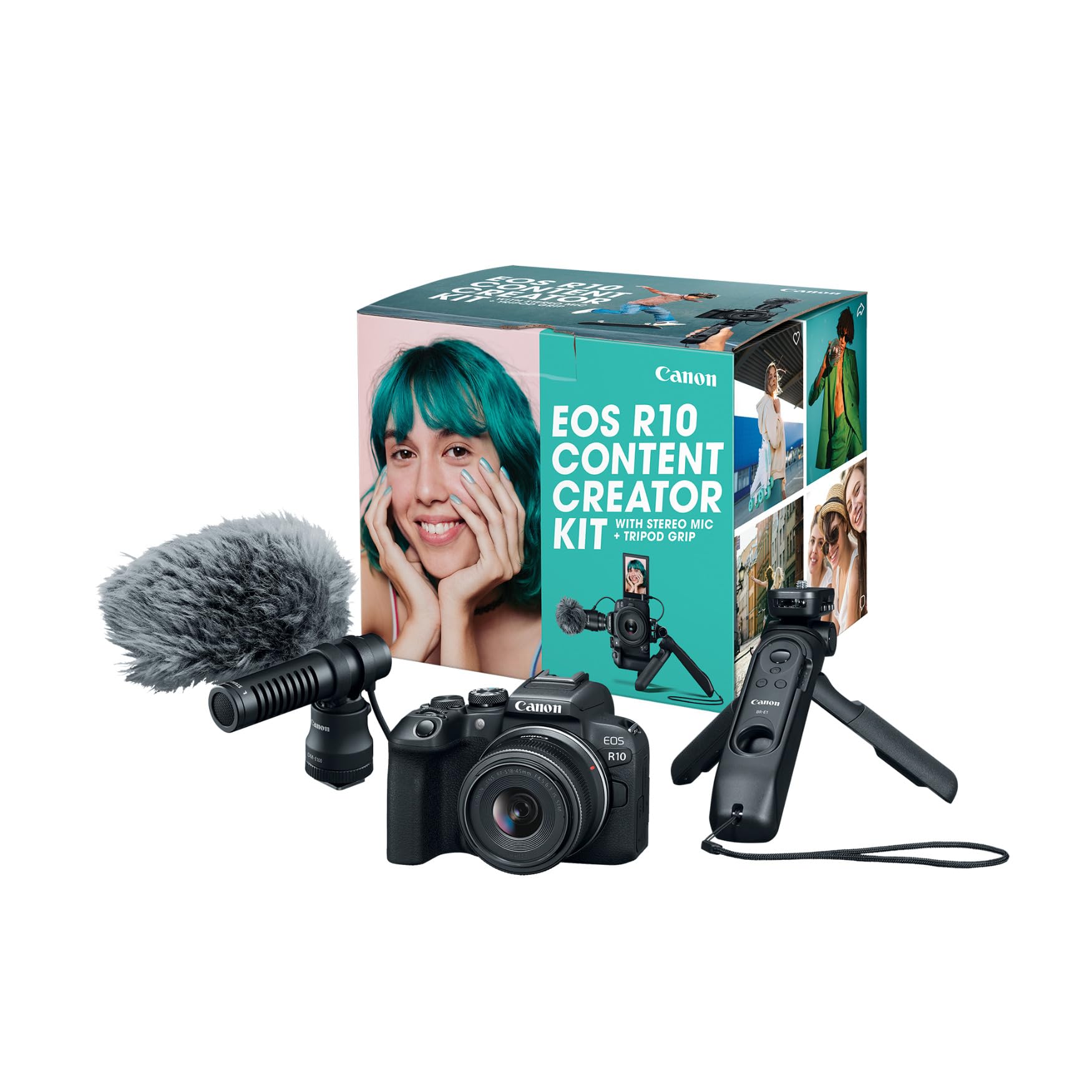
Types of Cameras Compared for Freelance Work
Each type below can earn money in the right niche. The question is how much control, lens choice, and backup safety clients pay for.
Point and Shoot Compacts for Quick Paid Jobs
A point and shoot compact has a fixed lens and a small body you can carry all day. Better models use a 1 inch sensor and an optical zoom that covers wide scenes and closer details without a lens swap. Simple autofocus suits venue tours and quick content days. The limits are fixed reach, weaker low light results, and no second card slot, so treat compacts as a light main camera for simple jobs or as a backup. Prices run about $300 to $800.
Vlogging Cameras for Hybrid Photo and Video Work
Vlogging cameras are built for creators who shoot stills and video in the same session. Most add a flip screen, a microphone input, and eye detection autofocus that holds focus while a subject moves. That mix suits freelancers who deliver short clips with photo sets for local brands. Still quality is strong for web use, but many models lack a viewfinder and use one card slot. Prices run about $500 to $1,200.
Action Cameras for Adventure and Extra Angles
An action camera is a tiny, tough camera made for movement, water, and tight spaces. Strong image stabilization keeps walking and cycling shots usable, and most models are waterproof on their own or with a simple housing. Freelancers use them for adventure tours and second angles a larger camera cannot reach. They are a poor main camera for portraits, because the fixed wide lens distorts faces. Prices run about $250 to $500.
Interchangeable Lens Cameras for Core Client Work
An interchangeable lens camera lets you change lenses for portraits, products, events, and interiors from one body. This is the core tool for most paid work, because a wide lens, a standard zoom, and a fast prime cover very different bookings. Look for two card slots and a deep lens range for the mount. Bodies weigh and cost more, so budget for the full kit. Prices run about $800 to $3,000 for the body alone.
Point and Shoot Compacts vs Vlogging Cameras: Which Should You Choose?
Choose a compact when still photos come first and speed matters more than video polish. A good compact starts fast, zooms without a lens change, and stays discreet at busy venues.
Choose a vlogging camera when clients pay for clips as well as photos. The flip screen helps you frame solo work, the microphone input lifts audio quality, and face tracking suits brand content. If your bookings are mostly short video with supporting stills, that video first design saves time.
How to Choose the Right Camera for Paid Client Work
Choosing the best cameras for freelance photography means weighing reliability as heavily as image quality, because a lost card can cost you a client. Work through the five factors below.
Sensor Size and Image Quality for Freelance Photography
Sensor size shapes detail, depth of field, and how clean your files look when light drops. A 1 inch sensor suits web work and small prints. An APS C sensor gives a clear step up for portraits and products. A full frame sensor offers the most room to crop, which helps at weddings and in dark venues. Megapixels matter less, since 24 to 36 megapixels already covers large prints and heavy crops.
Autofocus You Can Trust on a Paid Shoot
Autofocus decides how many frames from a paid set are truly sharp. Look for eye detection for people, subject tracking for moving work, and reliable focus in dim rooms, not only in bright scenes. Touch focus helps at odd angles. If you cover events or sports, check how focus holds through a burst, because one sharp first frame does not help if the rest drift soft.
Low Light Performance for Venues and Evenings
Low light results come from the sensor, the lens aperture, and the usable ISO range working together. A lens at f/1.8 or f/2.8 gathers far more light than a slow kit zoom, so it often improves evening work more than a body upgrade does. Check sample files at ISO 1600 to ISO 6400 for skin tones and shadow detail. Stabilization helps for still subjects, but it cannot freeze a moving guest.
Video Capabilities for Hybrid Bookings
Many bookings now add short video to a photo brief, so check the video side before you buy. 4K video at 60 frames per second suits smooth clips, while log profiles give you more room to grade color. A microphone input matters more than the built in microphones, which pick up handling noise. Check the stated recording limit too, since some bodies stop during long ceremonies.
Durability, Weather Sealing and the Delivery Workflow
Freelance cameras work outdoors and under time pressure, so weather sealing around the body and lens mount is worth paying for on location work. Sealing resists light rain and dust, but it is not waterproof. Two card slots let you record a backup copy as you shoot, and WiFi transfer speeds delivery. If your wider search is still open, see our guide to the best digital cameras for how digital bodies differ by format.
Tips to Get the Most From Your Camera on Freelance Jobs
Clean the front lens element with a lens cloth, not your shirt, because shirt fabric can hold grit that scratches coatings. Carry a spare battery and a second card on every paid job, and format cards only after files are backed up in two places.
Store the camera in a dry, padded bag. Before each booking, check for sensor dust, confirm your clock, and pack a rain cover. Readers still building basic skills may also find our guide to the best cameras for starter photography useful for practice ideas.
Common Mistakes to Avoid
These errors cost freelancers money or irreplaceable files.
- Buying a body with one card slot for a once only event leaves no backup if that card fails.
- Spending your whole budget on a body and keeping a slow kit lens leaves evening work noisy and soft.
- Ignoring lens choice for your mount limits the paid jobs you can accept later.
- Skipping a spare battery ends coverage early when a shoot runs long.
- Promising 4K video without checking recording limits leads to clips that stop mid ceremony.
- Treating weather sealing as waterproof leads to damage in heavy rain.
Care and Maintenance for Freelance Cameras
Wipe the body and lens mount with a dry cloth after outdoor work, and use a blower before a cloth on the front element so loose grit moves off without rubbing. Keep caps on spare lenses. If you are comparing your first steps into paid work, see our guide to the best beginning photography cameras for simpler setups.
Check firmware updates between busy periods, not the night before a booking. Send a camera with odd shutter sounds or a loose mount for service before peak season. Keep a log of card ages, because a retired card costs far less than a lost client gallery. For a broader view of stills first bodies, see our guide to the best cameras for photography.
FAQ
What features matter most in cameras for freelance photography?
Reliable autofocus, two card slots, and a lens range that fits your bookings matter most in cameras for freelance photography. Image quality only helps if files are sharp, backed up, and delivered on time. Many new freelancers also miss rental support, since a common mount lets you rent a specialty lens for one job.
Which camera type is better for low light freelance photography work?
An interchangeable lens camera with a full frame or APS C sensor is better for low light freelance photography work. Pair it with a fast prime lens and you gain several stops over a compact or action camera. Set a personal ISO ceiling from your own test files, then light the scene or move your subject when a venue pushes past it.
Is a smartphone enough for freelance photography clients?
A smartphone is enough only for simple social content where the client agrees to phone files in advance. It lacks lens choice, card backup, and clean files for print, which most paid briefs expect. If you take phone based work, put deliverables and usage rights in writing first, because clients often assume phone photos print large like camera files.
What camera specs matter most for new freelance photographers?
Sensor size, autofocus accuracy, and battery life matter most for new freelance photographers. Start with one body and one versatile zoom, then add a fast prime for portraits and evenings. Learn your backup routine on practice shoots first, because a calm workflow prevents errors that worry clients far more than a small spec gap.
How much should a new freelancer spend on a first camera for freelance photography?
A new freelancer should plan about $800 to $1,500 for a first body and lens kit that can handle paid work. That range covers a capable APS C setup with a spare battery and cards. Keep part of the budget aside for insurance and a backup drive, since protecting client work is part of the service you sell.
Wrapping Up
Match the camera type to your bookings first, then check sensor size, autofocus, and card backup before you compare small spec gaps. A compact or vlogging camera can serve fast content work, while an interchangeable lens body remains the safest core for paid work. Use the product table above to compare types and budget.
When you judge the best cameras for freelance photography by the jobs you need to win and keep, the right choice gets clear. Buy the simplest kit that protects your files and your reputation.

