
Best Cameras for Dance Photography: Everything to Know Before Your First Purchase for 2026
Disclosure: We may earn a commission when you buy through links on this page, at no extra cost to you. As an Amazon Associate I earn from qualifying purchases. Learn more

Shopping for the best cameras for dance photography? Learn key specs, autofocus, low light tips, and smart buying steps in this first time buyer guide.
Dance moves fast, light changes without warning, and the best moment often lasts a split second. If you are choosing the best cameras for dance photography for the first time, the spec sheets can feel confusing, but the core ideas are simple in plain language. This guide starts with the basics, then walks through the features that matter on stage and in the studio.
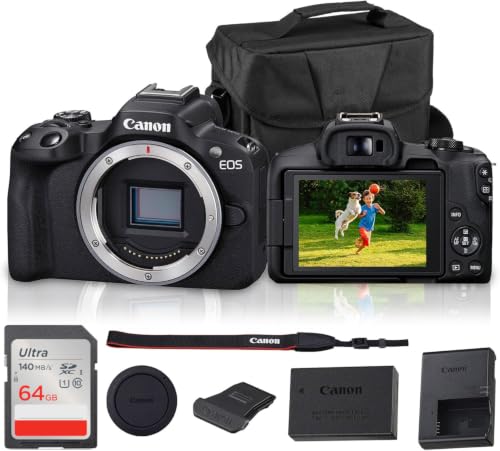
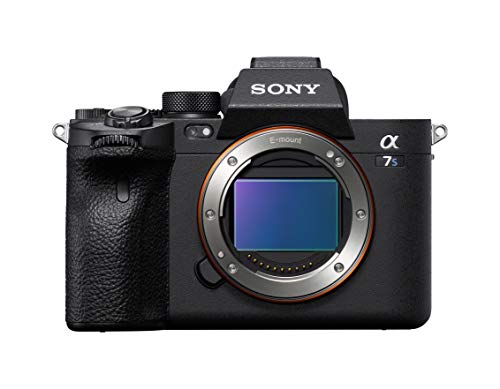
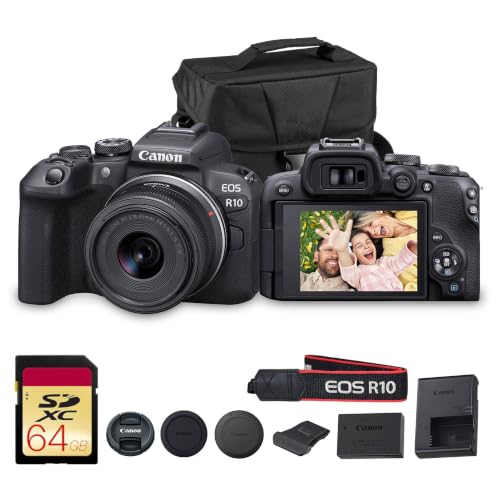
You do not need to master every term today. You only need to know which specs protect you from blur, missed focus, and grainy files, and which ones you can ignore for now. Use the comparison table below to see how models differ, then come back here when a term needs a clearer explanation.





Cameras 101: The Basics
A camera records light through an objective lens onto a sensor, and the size and quality of that sensor shape almost everything about the final image. Three settings control each shot: shutter speed decides how long the sensor gathers light, aperture decides how much light enters at once, and ISO decides how strongly the sensor reacts to that light.
For dance, shutter speed matters more than it does for portraits or landscapes. A leap or turn can cross the frame in well under a second, so a slow shutter smears the motion into blur even when focus is perfect. A faster shutter freezes the shape of the body, the line of an arm, and the expression on a face. Learning to balance shutter speed against aperture and ISO is the most useful skill you will build with your first camera.
Most buyers today choose between compact cameras and mirrorless cameras with changeable lenses. If you want broader background before you narrow down, see our guide to the best cameras for photography for how the main camera families compare. For dance work, mirrorless bodies lead the market because their autofocus tracks moving subjects on the sensor itself, and their screens show exposure as it will look in the file.
The charm of the best film photography cameras is real, but film adds cost per frame and removes the instant review that helps beginners learn timing, so digital is the practical starting point for stage work. A weatherproof body is a bonus for outdoor festivals, yet it never replaces the core trio of sensor, autofocus, and lens.
Key Specs Explained in Plain English
Features That Matter for Dance Photography
Dance asks more of a camera than most subjects because three hard problems arrive at the same time. The subject moves quickly and changes direction without a pattern, the venue is often dim, and you usually cannot use flash during a performance. That mix means burst rate, autofocus tracking, and clean high ISO output matter far more than headline megapixels. When you compare the best cameras for dance photography side by side, look for at least 8 frames per second and faces that stay recognizable at ISO 3200 and above.
Your position in the room matters too. A seat far from the stage rewards optical zoom, while a studio session at close range rewards a wide aperture lens that gathers more light. Magnification numbers on compact cameras describe how much closer the lens makes a distant dancer appear compared with the wide end of that same lens.
Sensor Size and Image Quality
Sensor size is the physical size of the surface that captures light, and bigger sensors generally collect more light at the same settings. The common steps are 1 inch sensors in premium compacts, APS C sensors in many starter mirrorless bodies, and full frame sensors in larger and pricier models. A larger sensor tends to produce cleaner files in dim venues and shallower depth of field that separates a dancer from a busy backdrop.
Megapixels count how many dots make up the image, and they matter less than marketing suggests. Around 20 to 26 megapixels already gives you large prints and room to crop a wide stage shot tighter. Chasing far higher counts can hurt a beginner, because files grow huge and small focus errors show more easily. If you compare starter bodies, see our guide to the best beginning photography cameras for how sensor classes line up at entry prices.
Low Light Performance
Stages and rehearsal studios rarely give you bright and even light. Colored stage lighting can fool your eyes into thinking a scene is brighter than the camera sees, and dark costumes against dark curtains push exposure even lower. Low light performance describes how clean your files stay when you raise ISO to keep the shutter fast enough. A camera that holds color and detail at ISO 3200 to 6400 gives you far more usable photos than one that turns noisy at ISO 1600.
What counts most is the widest aperture of your lens, written as a small f number such as f2.8, because a wider opening admits more light and lets you hold a faster shutter at a lower ISO.
Autofocus and Stabilization
Autofocus is the system that decides what stays sharp, and for dance it must track a person who spins, drops, and crosses behind other dancers. Modern eye AF finds a face and then an eye and holds focus there while the subject moves, which saves you from chasing a small focus point around the frame. Check for subject detection for people, a tracking mode that sticks to one dancer, and good focus in low light, since some systems hunt when the stage goes dim.
Stabilization fights a different problem: shake from your own hands. IBIS, short for in body image stabilization, moves the sensor to counter small movements, and some lenses add optical stabilization that can work with the body. It helps most at slower shutter speeds and for video, but it cannot freeze a moving dancer, so it never replaces a fast shutter for stills. A gimbal is a motorized support that smooths video when you walk or pan, and it suits rehearsal clips more than seated performances where extra gear may not be allowed.
Video Capabilities
Many dance buyers record as much video as they shoot stills, because auditions and class reels run on moving images. Look for 4K video at 30 frames per second as a baseline, with 60 frames per second if you want smoother slow motion of jumps and turns. A flip screen helps you frame yourself when you film practice alone, and a microphone input matters if you need clean music and spoken cues rather than muffled room sound.
Log profiles record a flat looking file with more room to adjust color later, which helps when stage lighting mixes colors. Beginners can skip log at first and use a standard profile. If clips are a priority alongside stills, browse our guide to the best digital cameras to see how stills and video features balance across current lineups. Heat limits also matter, so check how long a body records 4K video before it needs a pause.
Rookie Mistakes to Avoid
- Buying on megapixels alone, because a high pixel count cannot fix missed focus or motion blur in a dim hall.
- Choosing a slow kit lens for stage work, because a narrow maximum aperture forces high ISO and noisy files.
- Using a single focus point for group numbers, because dancers at different depths leave some faces soft and distracting.
- Relying on digital zoom instead of optical zoom, because digital zoom only crops the image and throws away detail.
- Ignoring card speed and buffer depth, because a slow card makes the camera pause right in the middle of a fast routine.
- Skipping a spare battery and card, because one long performance can drain both before the finale.
None of these mistakes is about owning the most expensive body. They are about matching the tool to fast movement and low light. If two models sit close in price, the one with stronger autofocus and a faster lens option will serve you better than one aimed at landscapes. Beginners comparing starter kits may also find it useful to see our guide to the best cameras for starter photography before deciding how to split funds between body and lens.
Getting Started: Setup and First Use
Start on the day the box arrives by charging the battery fully, fitting a fast memory card, and setting file quality to the largest JPEG plus RAW if the camera offers both. RAW files hold more detail for later editing, while JPEG files are ready to share right away. Format the card in the camera rather than in a computer, because the body then builds the exact folder structure it expects.
Next, set up the controls for movement before you attend a performance. Choose continuous autofocus with subject or eye detection, a burst drive mode, and a shutter speed floor of about 1/500 second for rehearsal and faster for jumps. Practice on everyday motion first: a friend turning in a living room or a pet crossing a yard teaches timing without the pressure of a real show. Review each burst at full size so you learn whether blur came from focus, shutter speed, or your own panning.
Small habits protect your results from day one. Use a lens cloth, not your shirt, because shirt fabric can drag grit across the front glass and leave fine marks that flare under stage lights. Carry a spare battery and a second card in a different pocket, so one loss never ends your coverage. Action cameras and vlogging cameras can add a wide backstage view, but learn your main camera first so its dials feel automatic under pressure.
Frequently Asked Questions
What features matter most in cameras for dance photography?
Fast and reliable autofocus tracking matters most, followed by clean high ISO output and a burst rate of at least 8 frames per second. Those three traits decide whether peak moments come out sharp in dim venues. One extra point many beginners miss is display lag, because a delayed view makes you press the shutter after the peak of a jump has passed.
What specs matter most for beginners buying a dance photography camera?
Beginners should put sensor size, eye AF, and the widest aperture of the kit lens at the top of the list. An APS C body with a bright lens is a forgiving place to learn, and it costs less than full frame while you build skill. Also check the combined weight, since a setup that feels tiring in the store will feel worse during a long recital.
Is a smartphone enough instead of a camera for dance photography?
A smartphone is enough for bright studio clips and casual class videos, but it usually falls short for dim stage stills. Small phone sensors raise noise quickly, and digital cropping to reach the stage loses detail you need for prints. A dedicated camera also gives you optical zoom and direct dials, so you can change shutter speed mid routine without digging through menus on a glowing screen.
How much should you spend on your first camera for dance photography?
Most beginners do well spending under $1500 in total for a body and a first lens, keeping some money aside for a spare battery and fast cards. Spending more mainly buys cleaner high ISO files and faster tracking, not better timing or composition. A smart split is to reserve roughly a third of the budget for the lens, because glass often limits stage results more than the body does at this level.
Which camera type is better for low light dance photography?
A mirrorless camera with an APS C or full frame sensor is better for low light dance work than a compact with a small sensor. The larger sensor gathers more light, so files stay cleaner when ISO climbs. One detail to confirm is focus performance in dim light, often listed as a negative EV rating, because a body that focuses confidently in the dark will miss far fewer frames.
What does optical zoom mean on a camera for dance photography?
Optical zoom means the lens changes focal length with moving glass elements, so distant dancers fill more of the frame without losing resolution. A 3x zoom starting wide reaches three times tighter at the long end while keeping the full sensor in play. Magnification claims differ between brands, so compare the actual focal length range in millimeters instead of trusting the zoom number alone.
Final Thoughts
If you remember only three ideas, make them these: tracking autofocus decides whether the moment is sharp, sensor size and lens brightness decide whether dim stage files stay clean, and shutter speed decides whether motion freezes or smears. Megapixels and long feature lists matter far less for your first season of shows. Match the body to your typical distance from the stage, fund a bright lens early, and practice before opening night.
The product table above pulls the current options into one view, so use it to compare burst rates, sensor sizes, and video specs against the guidance here. Whichever route you take toward the best cameras for dance photography for your budget, a camera you understand deeply will always beat a fancier one you fight with in the dark. Start simple and shoot often.


