
Best Cameras for Memories in 2026: Which Type Is Right for You?
Disclosure: We may earn a commission when you buy through links on this page, at no extra cost to you. As an Amazon Associate I earn from qualifying purchases. Learn more

Compare camera types by pros, cons, ideal users, and price to choose the best cameras for memories for family moments, trips, and parties.
Choosing a camera for your favorite moments can feel confusing, because each type promises great photos in its own way. The best cameras for memories are not the ones with the longest spec list. They are the ones you will carry, start quickly, and trust when a child laughs or light fades at dinner. Use the comparison table below to match each type to your life.
This guide compares camera types rather than naming models, so you decide what matters before you look at prices. You will learn how sensor size, autofocus, stabilization, video, storage, and size affect everyday photos.
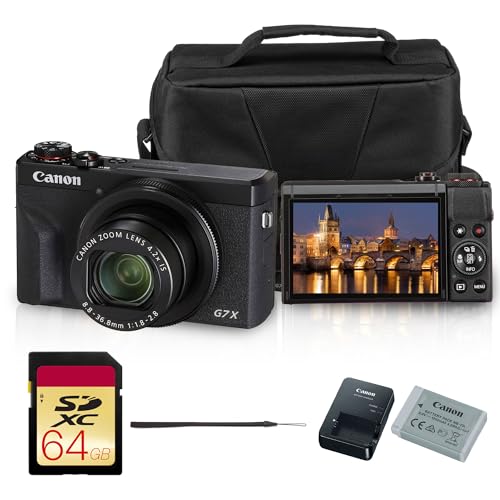

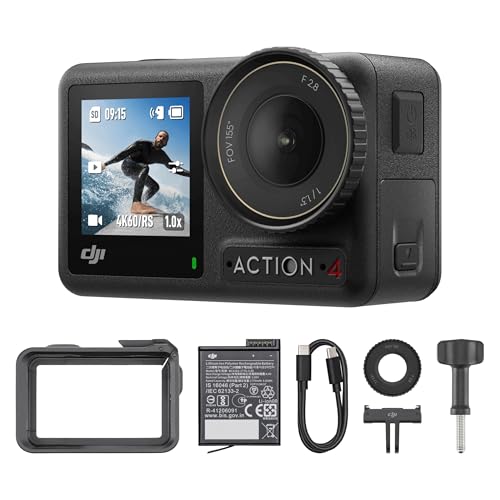




Types of Cameras Compared
Four types cover most memory keeping needs, and they differ in size, control, and effort. If you want a broad view first, see our guide to the best digital cameras and then choose here by the moments you capture.
Compact Point and Shoot Cameras for Everyday Moments
A compact camera fits in a jacket pocket, turns on fast, and is ready for birthdays and school events. Its built in lens often gives useful optical zoom for stages and landmarks. A sensor larger than a phone sensor helps in dim rooms. Most cost about $150 to $400. Choose this type for simple controls and a camera the whole family can share.
Action Cameras for Travel and Outdoor Memories
An action camera is small, rugged, and made to record movement. Wide views suit hikes, bike rides, and beach days, and many models resist water well. Strong stabilization keeps walking footage smooth, and voice control helps when your hands are busy. Still photos are wide and less detailed than photos from a larger sensor. Most cost about $200 to $500.
Mirrorless Cameras for Family and Creative Memories
A mirrorless camera uses interchangeable lenses and a large sensor, so it gives the cleanest photos and the most control over background blur. Fast autofocus with eye detection helps with kids and pets who rarely sit still. The trade off is size, weight, and price, with a lens kit at about $500 to $1200 or more. If you want to grow your skills, see our guide to the best cameras for photography.
Instant Cameras for Prints You Can Share at Once
An instant camera prints a small photo seconds after you press the shutter, which makes parties and family visits feel special. Guests can hold the print or take it home that day. You give up detail and low light quality, and each print costs money because film is not free. Most cost about $70 to $150, plus film. Choose this type if a printed keepsake matters most.
Key Features to Compare
When you shop for the best cameras for memories, start with features that decide whether a fleeting moment comes out sharp and worth keeping. Specs only matter when they solve a problem you have, such as blur indoors.
Sensor Size and Image Quality for Memories
Sensor size shapes how clean your photos look, especially indoors and at night. A 1 inch sensor, common in better compact cameras, gathers more light than a phone sensor and keeps faces cleaner in dim rooms. APS C and full frame sensors gather even more light and give softer background blur. Megapixels matter less, because a clean 20 megapixel file prints well at common sizes. Choose a larger sensor if you often shoot indoors.
Autofocus Speed for Kids, Pets and Moving Moments
Autofocus decides whether the camera locks onto your subject before the moment passes. Look for eye detection for people and, if you photograph animals, a pet eye mode as well. A camera that tracks a moving child across the frame saves shots a slow system would miss. Touch focus on the rear screen helps from a low angle. Test focus in a store on a moving person if you can.
Image Stabilization and Low Light Results
Image stabilization steadies the lens or the sensor to reduce blur from your hands, which matters most in dim light and at longer zoom settings. It allows a slower shutter speed for still subjects, so evening portraits look cleaner. It cannot freeze a running child, so you still need a fast shutter speed for motion. For video, it smooths small shakes while you walk. Choose strong stabilization if you shoot handheld video often.
Video Quality for Clips You Will Watch Again
Short clips often bring a memory back more vividly than a still photo. 4K video records fine detail and lets you crop a little in editing while keeping the result sharp. A microphone input, found on some mirrorless models, improves voices at events. Video at 60 frames per second makes play look smooth, while 30 frames per second suits most family clips. Choose stronger video if you will film recitals and trips often.
Size, Weight and Battery Life for Travel Days
A camera only captures memories if you bring it, so size and weight shape results more than many specs do. A pocket camera may weigh about 7 to 12 ounces, while a mirrorless kit with a zoom lens often weighs about 1 to 2 pounds. Battery life ranges from a few hundred photos per charge to much more on larger bodies. USB charging helps on trips, because you can top up from a power bank.
Choosing Cameras for Your Situation
Your best choice depends on who you photograph and how much gear you will carry. Match the groups below to your routine.
Parents Capturing Kids and Family Events
You need fast startup, reliable eye autofocus, and controls you can use with one hand while you hold a bag or a small hand. A compact camera with a 1 inch sensor or an entry mirrorless camera suits you well. Burst mode helps at games and recitals, because you can pick the best expression later. Avoid a kit so large that you leave it at home.
Travelers Who Want Light Gear and Strong Video
You walk all day and want photos and clips from the same device. An action camera suits active trips, while a compact camera with good zoom suits city breaks. Weather sealing helps in rain and dust, though it is not waterproofing unless the rating says so. Pack a spare battery, because travel days are long.
Best Cameras with Memory: Which Type Works Best
Storage is part of the camera choice, not an afterthought. Built in memory can save a few photos if you forget a card, but cards hold far more. For card choices, see our guide to the best memory cards for cameras before a big trip. Choose a fast card slot if you shoot bursts or 4K video.
Common Mistakes to Avoid
- Buying the largest camera and then leaving it at home means your phone records most family moments.
- Choosing megapixels over sensor size gives bigger files that still look noisy in dim light.
- Ignoring autofocus speed leads to sharp backgrounds and blurred faces when kids and pets move.
- Filling one large card for a whole trip risks losing every photo if that card fails.
- Skipping a spare battery leaves you with a dead camera during evening events.
- Paying for manual controls you never learn adds cost and confusion without better photos.
Everyday Care and Backup Habits for Family Photos
Clean the lens with a soft lens cloth, not your shirt, because grit in fabric can scratch the coating. Blow loose dust off first, then wipe gently. Store the camera in a dry, padded bag away from heat.
Back up photos after each important day, ideally in two places, such as a computer and a cloud folder. Format cards in the camera after copying files, so the file system matches your model. For dependable options, see our guide to the best sd memory cards for cameras.
Cameras: Your Questions Answered
What features matter most in cameras for capturing family memories?
Fast autofocus, a sensor that handles dim light, and quick startup matter most for family memories. Those traits decide whether candid moments come out sharp and bright. One extra point is the screen. A tilting screen helps you photograph small children at their eye level without kneeling flat, which makes expressions look natural.
Which camera type is better for low light photos indoors?
A mirrorless camera with an APS C or full frame sensor is better for low light photos indoors. Its larger sensor gathers more light, so faces stay cleaner at the higher sensitivity settings dim rooms demand. A bright lens helps even more in many homes. With a compact camera, stand closer and use the widest zoom setting.
Is a smartphone enough instead of a camera for travel memories?
A smartphone is enough for casual travel memories if you mostly share photos on screens and shoot in good light. A dedicated camera earns its place when you need real optical zoom or cleaner night photos. One point travelers miss is grip. A shaped camera grip is easier to hold at viewpoints and on boats, where a dropped phone is hard to recover.
What camera specs matter most for beginners who want simple memory keeping?
Simple memory keeping depends most on a good auto mode, clear menus, and reliable face detection. Beginners gain little from deep manual menus, because a missed setting can spoil a moment. Look for portrait and sports scene modes, plus a guided help screen if offered. A short zoom range also helps new users avoid shaky shots.
How much storage do cameras for memories need for a week of travel?
Most travelers need about 64 to 128 gigabytes for a week of photos plus short 4K clips. That covers several thousand photos, depending on file size and how much video you record. Delete clear failures each evening to free space and speed up sorting. Carry the second card in a separate bag from the camera.
Wrapping Up
Start with the moments you want to keep, then choose the type that fits how you live. Sensor size decides low light results, autofocus decides whether moving subjects stay sharp, and size decides whether the camera comes with you. Compare those points first in the product table above.
When you choose best cameras for memories with those priorities in mind, you buy a tool you will use weekly, not a spec sheet you admire once. Pick the type that matches your family and your trips.


