
Best Cameras for Marketing: A First Time Buyer's Guide for 2026
Disclosure: We may earn a commission when you buy through links on this page, at no extra cost to you. As an Amazon Associate I earn from qualifying purchases. Learn more

Shopping for the best cameras for marketing for the first time? Learn the terms, compare options, and avoid rookie mistakes with this easy guide.
Buying your first camera for business content can feel like learning a new language, because every product page throws around sensor sizes, zoom ranges, and video specs with no explanation. This guide slows all of that down and teaches you the basics first. If you are shopping for the best cameras for marketing for the first time, the goal is simple: a camera you understand, that makes your products and your people look good, and that you will actually enjoy picking up every week.
The comparison table below puts the main options side by side so you can see how the common types differ at a glance. Read the sections that follow before you decide, and pay closest attention to the specs that match the content you plan to make most often. If you want a narrower shortlist built for beginners, see our guide to the best starter cameras for a simpler starting point.

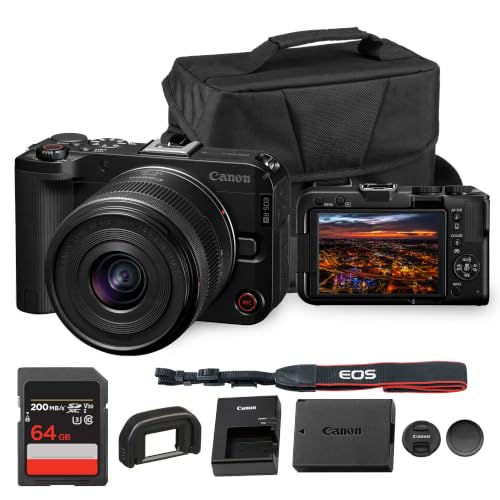


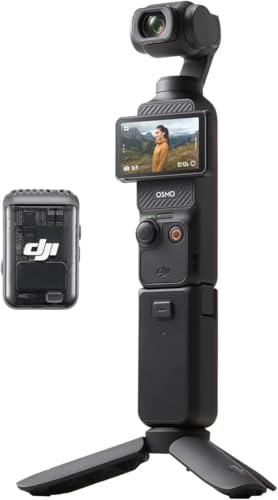
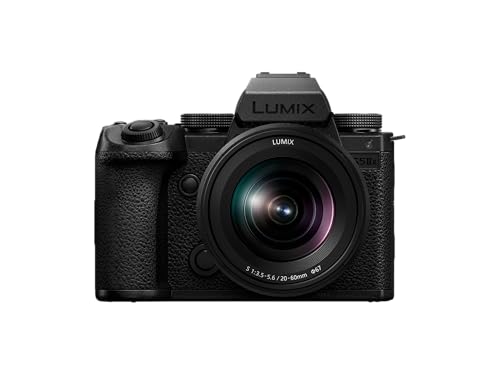


Cameras 101: The Basics
A camera does three jobs. The lens gathers light and focuses it, the sensor records that light as an image or a video frame, and the processor turns the recording into a file you can edit and share. Everything else on the spec sheet, from zoom to stabilization, exists to help one of those three jobs go better in the situations you shoot in most.
Most first time buyers choose between three broad types. Compact cameras have a fixed lens and the smallest learning curve, which suits quick social posts. Interchangeable lens cameras, usually called mirrorless cameras, let you swap lenses as your skills and needs grow, which suits product photography and polished video. A small group of video focused models adds stronger cooling and audio tools for people who film long sessions. If you want a broader look at everyday models beyond marketing work, see our guide to the best digital cameras for general use.
One idea is worth learning before anything else: the lens often matters as much as the camera body. A modest body with a good lens usually produces better marketing images than an expensive body paired with a weak kit lens. Keep that balance in mind as you read the specs below, because it protects your budget from the most common beginner overspend.
Key Specs Explained in Plain English
Spec sheets look intimidating, but only a handful of numbers decide how your marketing content will look and how the camera will feel to use. Work through the five topics below and you will be able to read any product page with confidence. Readers who care most about pure image quality can also see our guide to the best quality cameras once the basics here make sense.
Features That Matter for Marketing
Marketing content is a mix of product shots, people, events, and short videos, so versatility matters more than any single headline spec. Look for accurate color that makes products look true to life, because a red jacket that photographs orange creates returns and complaints. Clean video up to 4K gives you room to crop clips for different platforms without the footage falling apart. Fast and simple file transfer matters too, since built in WiFi lets you move a photo to your phone and post it while an event is still happening. If you shoot outdoors often, basic weather sealing protects the camera from light rain and dust at street fairs and job sites.
Sensor Size and Image Quality
The sensor is the light recording surface inside the camera, and bigger sensors generally capture cleaner images, especially indoors. Compact cameras often use a 1 inch sensor, mid range models use APS C, and high end models use full frame, the largest common size. A larger sensor also blurs backgrounds more easily, which makes products and portraits stand out. Megapixels count how many dots make up the image, and past about 20 megapixels they matter far less than sensor size for marketing work. Your images will mostly live on screens and modest prints, so choose the bigger sensor over the bigger megapixel number every time.
Low Light Performance
Offices, restaurants, trade shows, and evening events rarely offer bright light, so low light ability decides how many of your shots stay usable. Two things control it. The lens aperture, written as an f number such as f/2.8, tells you how much light the lens lets in, and smaller numbers mean more light. ISO is the sensitivity setting the camera raises as rooms get darker, and pushing it too high adds grainy noise. A camera and lens combination that gathers more light lets you keep ISO lower, which keeps faces and product labels clean instead of speckled.
Battery Life and Charging
Battery ratings are given in shots per charge, and video drains a battery far faster than still photos do. A camera rated near 300 shots might record well under two hours of video, which matters on event days. Check whether the camera charges over USB C, because that lets you top up from a laptop or a power bank between sessions instead of carrying a special charger. Whatever you choose, plan on owning at least one spare battery from the start. A dead camera during a product launch or a client visit costs far more than the spare would have.
Autofocus and Stabilization
Autofocus is how the camera decides what should be sharp, and modern systems can find and track faces and eyes on their own. Eye autofocus is a genuine time saver for interviews, testimonials, and talking head videos, because the person stays sharp while moving naturally. For still photos of products, plain single point autofocus is all you need. Stabilization fights the small shakes in your hands. Image stabilization built into the body or the lens smooths handheld video and helps in dim light, while a gimbal is a separate motorized holder that gives even smoother motion for walking shots.
Cameras for Specific Marketing Needs
There is no single right answer among the best cameras for marketing, because a bakery posting daily photos and a coach recording courses need different tools. Match your main content type below to the traits that deserve most of your budget.
Product Photos and Online Listings
If your marketing is mostly product photography for a shop or a catalog, still photo quality is your priority. Spend on the larger sensor and a sharp standard lens, and put the camera on a tripod so every item is framed the same way. Accurate color and plenty of resolution for cropping matter more here than fast video tools. For a deeper look at cameras chosen purely for stills, see our guide to the best cameras for photography alongside the product table above.
Best Video Cameras for Marketing: Tips for First Time Buyers
Video first buyers should judge models by a different shortlist. You want 4K recording for cropping flexibility, a microphone input so voices sound clear instead of echoey, and a screen that flips toward you so you can frame yourself while filming alone. Long shoots also favor cameras that manage heat well, since some models limit clip length. If most of your content lives on social platforms, see our guide to the best cameras for social media marketing for platform focused advice.
Solo Creators and Talking Head Content
If you film yourself alone for lessons, updates, or reviews of your own services, small and simple beats powerful and complex. Lightweight vlogging cameras pair a wide lens with reliable face tracking, so you can hold the camera at arm length and still fit your face and background in frame. A screen you can see while recording removes the guesswork, and strong built in microphones forgive a quiet room. This group benefits most from a camera that starts fast and needs almost no setup, because you will film more often when starting feels easy.
Rookie Mistakes to Avoid
- Buying the camera with the most megapixels, because past a modest count those extra dots do nothing for screen based marketing while the price climbs.
- Spending the whole budget on the camera body, because nothing remains for the lens, light, and microphone that shape your results just as much.
- Ignoring audio when you plan to film, because viewers forgive soft video far sooner than voices that echo and strain the ear.
- Choosing a large heavy camera you dread carrying, because the camera left at the office takes no marketing photos at all.
- Skipping the return window test, because a camera whose menus confuse you during the first week will frustrate you for years.
Getting Started: Setup and First Use
Your first hour with the camera sets up every shoot after it, so work through these steps in order before your first real assignment.
- Charge the battery fully, insert a memory card, and format the card inside the camera so the file system matches what the camera expects.
- Set the date, time, and your language, then turn on grid lines on the screen to keep horizons and product edges straight.
- Choose the largest image quality setting and 4K video if your model offers it, since you can always shrink files later but never grow them.
- Take twenty practice shots of one product near a window, changing one setting at a time so you can see what each control actually does.
- Connect the camera to your phone over WiFi once, at home, so transferring files under deadline pressure later is already familiar.
Two small habits protect the camera from day one. Clean the lens with a lens cloth, not your shirt, because shirt fabric can drag grit across the glass and leave fine scratches. Carry a spare battery on every real shoot, and store the camera in a padded bag rather than loose in a tote with keys and bottles.
FAQs
What features matter most in a camera for marketing?
Versatility matters most, led by accurate color, a sensor large enough for indoor light, and video you can crop without it falling apart. One point beginners overlook is how quickly you can learn the menus. A camera you can operate confidently in a busy moment will produce better marketing content than a more powerful model you hesitate to touch, so favor clear controls and a helpful automatic mode while you learn.
Is a smartphone enough for marketing photos and video?
Yes, a recent smartphone is enough for many small businesses, especially for bright outdoor shots and quick social clips. Its limits show up in dim rooms, at a distance where digital zoom softens detail, and in echoing audio. A sensible path is to start with your phone plus one inexpensive light, then buy a dedicated camera when you keep hitting those same limits week after week and can name exactly which one bothers you most.
How much should I spend on my first marketing camera?
Most first time buyers do well spending about $600 on the camera and one versatile lens together, and under $900 once basic support gear is added. Reserve part of that budget for the unglamorous extras, such as memory cards, a spare battery, a small tripod, and a padded bag, because a camera missing any one of them can stall a shoot. Spending far more rarely fixes beginner results, since lighting and practice improve marketing images faster than price does at this stage.
What does optical zoom mean on a marketing camera?
Optical zoom means the lens physically adjusts to frame your subject closer, so detail stays sharp at every setting. It is different from digital zoom, which simply crops and magnifies the middle of the image and throws detail away. For marketing work this matters when you photograph a stage speaker from the back of a room or a product detail across a counter. Check the optical zoom range on compact cameras, and on interchangeable lens models check the lens range in millimeters instead.
Which camera specs help most with low light marketing shoots?
A wide aperture lens and a larger sensor help most, because together they gather more light before the camera has to raise ISO and add noise. One lever beginners miss is adding light instead: a small LED panel aimed at a product or a face often improves a dim shot more than a costlier camera body would. If you shoot evening events regularly, that panel plus a spare battery deserves budget before any body upgrade.
Wrapping Up
You now know the ideas that actually decide your results: sensor size for clean images, light gathering for indoor work, and autofocus and audio tools matched to how you shoot. Decide which content type you make most, product photos, self filmed video, or event coverage, and let that choice lead your budget. When you are ready to compare the best cameras for marketing side by side, return to the product table above and match each model against the shortlist you built here.

