Best Cameras for Church Live Stream: A First Time Buyer's Guide for 2026
Disclosure: We may earn a commission when you buy through links on this page, at no extra cost to you. As an Amazon Associate I earn from qualifying purchases. Learn more

Learn how to choose a camera for church live streaming, from sensor size and low light performance to audio inputs, mounting, and a simple first setup.
Choosing best cameras for church live stream setups can feel confusing at first, because a camera that works well outdoors may struggle in a quiet room with mixed lighting. This guide starts with the basics, explains the specs in plain language, and helps you match a camera to your room, your team, and your budget. You do not need to learn every technical term before you buy.
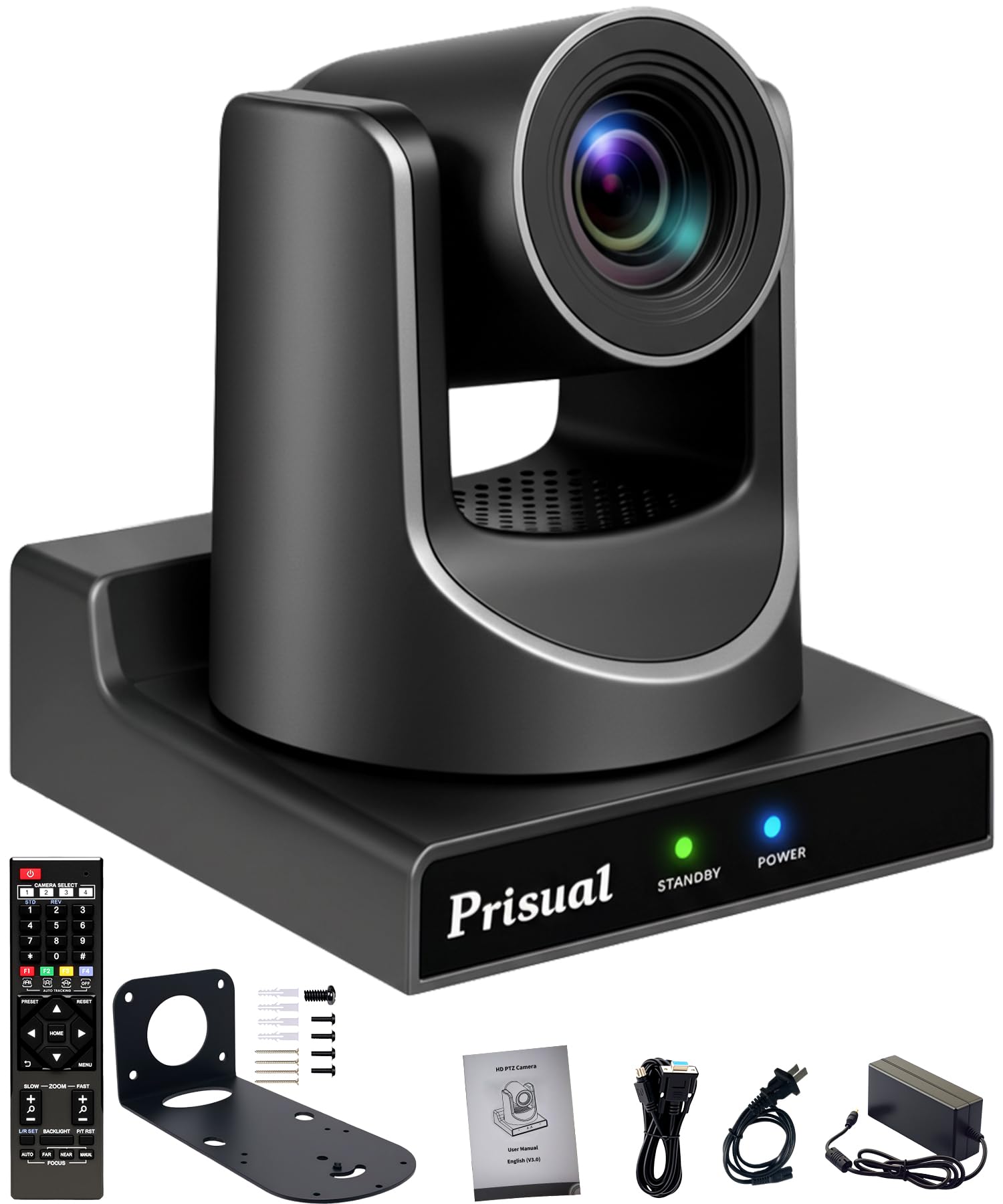
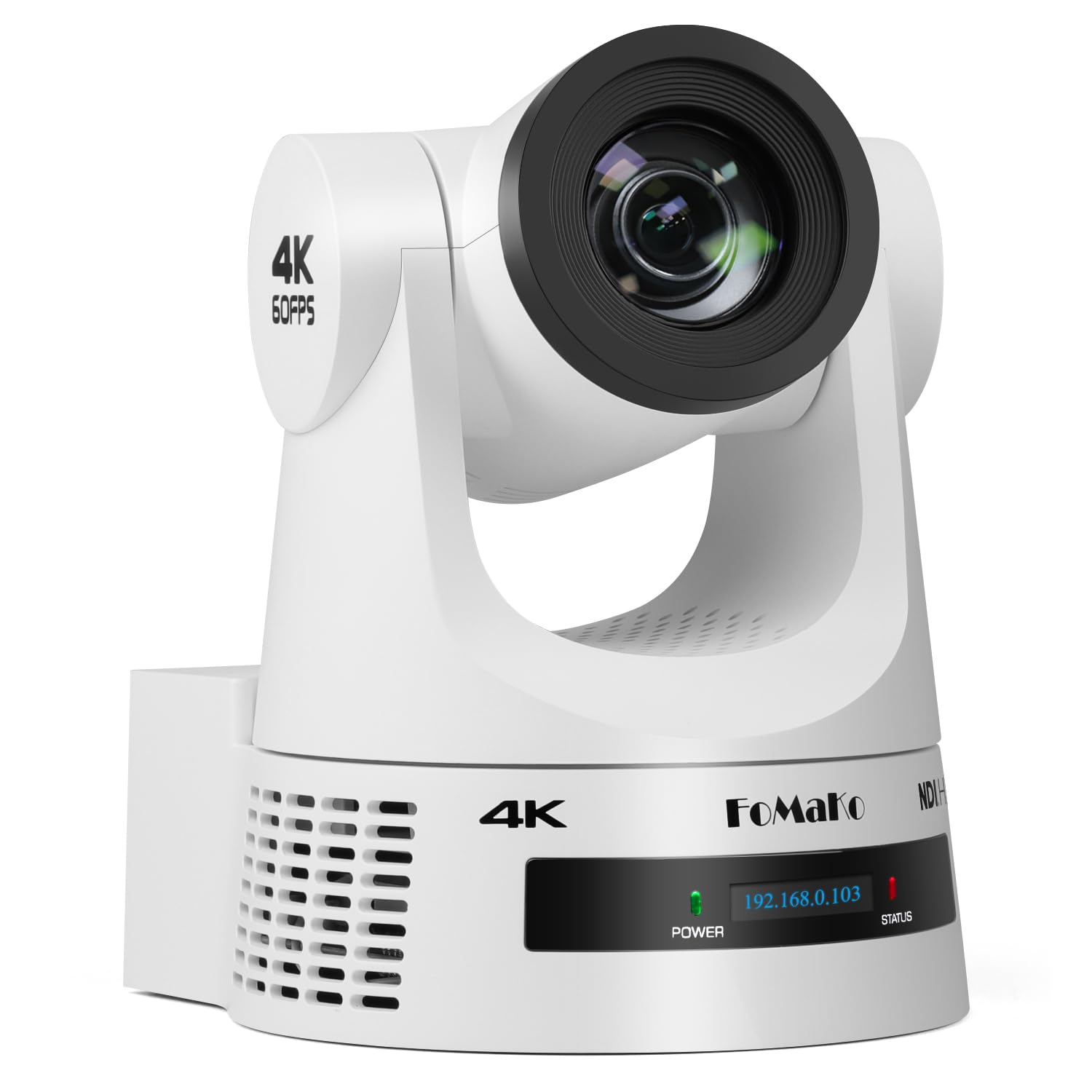
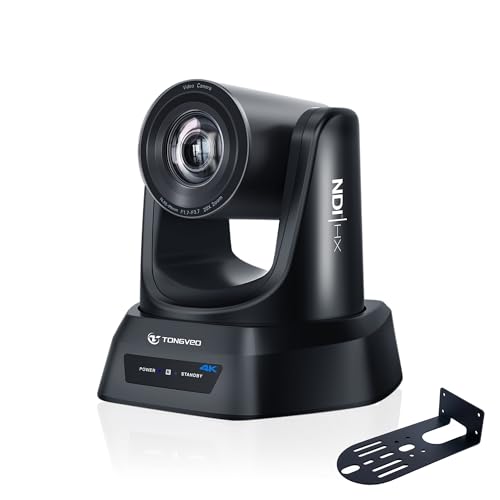
A good church streaming camera keeps faces clear, handles changes in light, and connects cleanly to your streaming computer or switcher. The comparison table below gives a quick side by side view of the main types, so you can see how size, connection style, and ease of use differ before you read the detail.


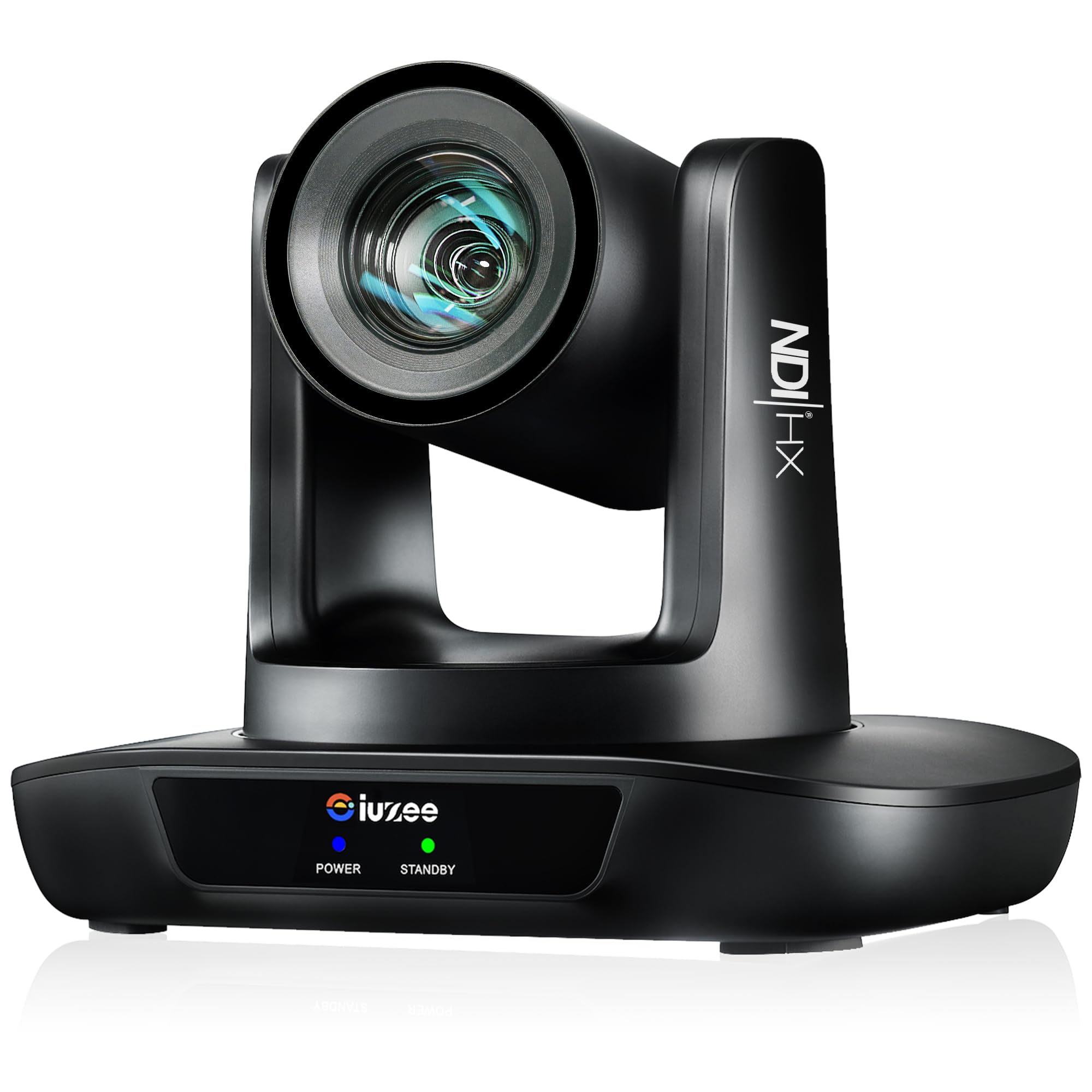
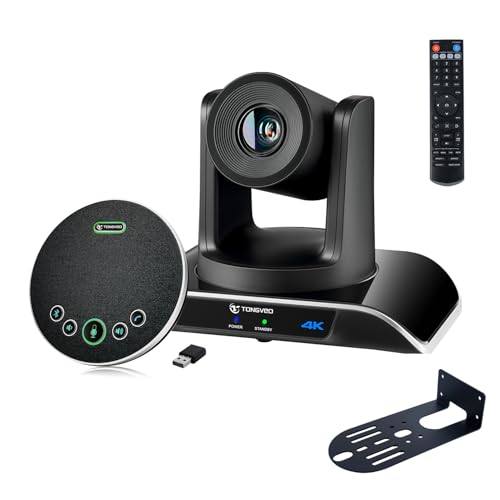

Cameras 101: The Basics
A camera for church streaming turns light into a video signal that your streaming software can use. Light enters through the lens, the sensor records the image, and the camera sends that image out through a cable or a wireless link. The lens controls how wide or close the view looks, while the sensor size affects how much light the camera can gather and how clean the image stays when the room is dim.
Church rooms create a special mix of needs. The camera may sit far from the speaker, so it needs enough zoom to frame a face without losing detail. At the same time, the light near windows, stage lights, and seating areas can change through a service. A camera with steady exposure, reliable focus, and a clean video output will usually serve a church team better than a camera packed with still photo features you will never use.
For a closer look at church specific setups, see our guide to the best live stream cameras for churches.
Key Specs Explained in Plain English
The specs below matter most for a room where people sit, stand, sing, and speak from one main area. Read each one as a trade off, not as a race to the biggest number. A balanced camera often beats a camera that excels in one area and struggles in the rest.
Features That Matter for Church Live Stream
A church streaming setup needs a stable image, clear sound options, and a connection that stays live for an hour or longer. Look for a clean video output that sends video without menus or focus boxes on screen. Check that the camera can run on wall power, since a battery alone may run out during a long service. Also confirm that the camera works with your streaming software before you commit, because some cameras need an extra capture device.
Sensor Size and Image Quality
Sensor size describes the light gathering area inside the camera. A larger sensor often gives a cleaner image in dim rooms and a softer background behind the speaker. A smaller sensor can still work well in a bright room and may keep the camera lighter and easier to mount. Megapixels matter less than many buyers expect, because live video uses far fewer pixels than a large still photo.
Focus instead on how the image looks in your actual room light, and whether faces stay sharp when someone moves.
Video Capabilities
Most church streams look great at full high definition, and that resolution keeps file sizes and computer load manageable. Four K video can add detail, but it also demands more processing power, more storage, and a stronger internet upload speed. A microphone input matters a great deal, because room sound from a built in mic often sounds distant and echoey. A flip screen can help a small team frame a shot, though a fixed camera on a tripod may not need one at all.
To compare general streaming options, see our guide to the best live stream cameras.
Low Light Performance
Low light performance describes how clean the image stays when the room is dim. A camera with a wide lens opening gathers more light, and a sensor that handles higher sensitivity settings can keep faces visible without heavy grain. Test this in your own space if you can, because a showroom test under bright lights tells you little about a dim sanctuary. If your room stays dim for much of the service, our guide to the best cameras for church can help you compare indoor options.
Avoid judging low light quality from a single still image, since motion and skin tones reveal problems that a still photo can hide.
Durability and Weather Sealing
Most church cameras live indoors, so heavy weather sealing is rarely the top priority. Still, a solid build, a secure mount thread, and a lens cover help a camera last when volunteers set it up and pack it away each week. Keep the camera away from direct heat near radiators or stage lights, and store it in a padded bag between uses. A simple dust cover and a gentle lens cloth protect the lens far better than frequent cleaning with a shirt sleeve.
If the camera ever moves outdoors for a special event, check its sealing and its wind handling before you rely on it outside.
Rookie Mistakes to Avoid
- Buying zoom first: A huge zoom range can tempt new buyers, but a shaky or grainy zoomed image looks worse than a steady wider shot from a better position.
- Ignoring audio: Viewers forgive a slightly soft image more easily than echoey or distant sound, so plan the microphone path before you choose a camera.
- Skipping the cable check: A camera that cannot send clean video to your computer will frustrate a team, even if its photo specs look strong on paper.
- Mounting too far back: Distance makes faces small and focus harder, so move the camera closer or choose a longer lens rather than relying on digital zoom.
- Forgetting power: A battery that dies mid service ends the stream, so use wall power or a reliable external power plan for every live event.
Getting Started: Setup and First Use
Start by placing the camera where it sees faces without blocking the congregation view. A raised tripod near the back or side often works well, and a second angle from the side can add variety later. Connect the camera to your streaming computer, open your streaming software, and confirm that video and audio arrive cleanly before the service starts. Use a lens cloth, not your shirt, to clean the lens, and carry a spare battery even when you plan to use wall power.
Run a short practice stream with the actual room lights and the actual speakers. Ask a friend watching remotely whether faces look clear and voices sound natural, then adjust exposure, focus, and microphone placement based on that feedback. Save those settings as a preset if your camera allows it, so volunteers can repeat the same setup each week. If you want a broader comparison of streaming focused models, see our guide to the best live streaming cameras for church.
Frequently Asked Questions
What features matter most in cameras for church live stream?
Clean video output, reliable focus, good low light handling, and a microphone input matter most for church streaming. A camera should also run on wall power and connect easily to your streaming software without extra workarounds. Zoom range matters when the camera sits far from the speaker, but a steady image matters more than extreme reach. Finally, choose controls that volunteers can learn quickly, because a complex menu slows down setup on a busy Sunday morning.
Which is better for low light?
A camera with a larger sensor and a wide lens opening usually performs better in low light than a small sensor camera with a narrow lens. Higher sensitivity settings can help, but they also add grain when pushed too far, so test the camera at your actual room light level. Stage lighting, window light, and seating area light all affect the result, so a single bright test does not tell the full story. Also consider adding a modest amount of room light before buying a more expensive camera.
Is a smartphone enough instead?
A modern smartphone can work for a small stream, especially when the phone sits close to the speaker and the room is well lit. It struggles more at a distance, in dim light, and during long services, because heat, battery life, and limited zoom become real limits. A dedicated camera usually gives steadier framing, cleaner audio inputs, and wall power for long events. Start with a phone only if your audience is small and your room is bright, then upgrade when distance or low light becomes a problem.
What specs matter most for beginners?
Beginners should focus on clean video output, simple autofocus, good low light handling, and a microphone input. Sensor size matters, but you do not need the largest sensor to get a clear stream in a typical church room. Zoom range matters when the camera sits far away, while four K resolution matters less than a stable full high definition stream. Choose a camera your team can set up the same way every week, because repeatable setup beats impressive specs that no one can operate confidently.
How much should I spend on my first one?
Most first time church teams can get a solid setup for about $300 to $900, including a basic tripod and cables, though prices vary with zoom range and sensor size. Spending less can work for a bright room with a close camera position, while a large room or dim lighting may justify a higher budget. Reserve part of your budget for audio, mounting, and cables, because those items shape the final stream as much as the camera itself. Buy the simplest camera that meets your room needs, then upgrade only after real use shows a clear gap.
Wrapping Up
The right choice balances clean video output, low light handling, audio inputs, and a setup your team can repeat each week. Start with your room distance and lighting, then choose zoom and sensor size to match those facts rather than chasing the highest numbers on a spec sheet. Test the camera in a practice stream, listen to remote feedback, and adjust before the real service.
When you compare options in the product table above, keep your top three needs in mind and let the rest go. A camera that fits your room, your volunteers, and your budget will serve your congregation far better than a complex camera that stays in a bag. For your final choice, trust the practice stream results and pick the best cameras for church live stream setup that your team can run with confidence every week.