
Best Cameras for Motion Shots by Budget: Smart Picks for 2026
Disclosure: We may earn a commission when you buy through links on this page, at no extra cost to you. As an Amazon Associate I earn from qualifying purchases. Learn more

Choose cameras for motion shots by budget, with clear guidance on tracking focus, burst speed, sensor size, lenses, video and long term costs.
Cameras that can freeze a sprint or a diving catch range from about $400 to $3,500, and that gap is not only about image quality. The best cameras for motion shots succeed or fail on tracking focus, burst speed and shutter control long before megapixels matter. Use the comparison table below to see where extra money truly raises your share of sharp frames.
Your subject decides how much camera you need. Daylight games nearby are forgiving, while indoor sports, evening wildlife and pets racing toward you punish slow focus and dim lenses.





Who Should Buy Which Cameras for Motion Shots?
Start with the motion you record most often, since speed, distance and light point each group toward a different tier.
Parents Filming Youth Sports and Active Kids
You shoot from a sideline in mixed light, and your subjects change direction without warning. A midrange body with reliable eye detection and a burst rate near 10 frames per second covers most games. Pair it with a zoom that reaches across a small field.
Creators Shooting Travel, Dance and Street Movement
You move with your subject and often film yourself, so weight and a flip screen shape your choice as much as focus speed. Vlogging cameras with strong subject tracking suit walk and talk clips, while a compact mirrorless body adds lens options as your work grows.
Wildlife and Field Sports Shooters Tracking Distant Subjects
Your subjects are small, far away and often active at dawn or dusk. You need animal detection, long lens reach and clean files at high ISO settings, which pushes you toward the premium tier. For slower animals and scenic movement, see our guide to the best cameras for nature shots.
Spending Levels for Fast Action Shooting
Tier prices cover the body with a basic kit lens where one is offered. Budget for the full kit too, since a fast card, spare battery and longer lens can add about $150 to $600 in the first year.
Budget Tier: Steady Daylight Action
Bodies at about $400 to $900 track well in bright light and offer bursts near 8 to 11 frames per second with modest buffers. Expect a smaller sensor, fewer focus points and 4K video at 30 frames per second. This tier suits outdoor school sports, playground action and pets in a sunny yard.
Midrange Tier: Stronger Tracking in Dim Gyms and at Dusk
Bodies at about $900 to $1,800 add faster subject detection, larger buffers and cleaner files when light drops. Many include in body stabilization and 4K video at 60 frames per second. For most families and serious hobby shooters, this tier gives the clearest jump in sharp results per dollar.
Premium Tier: Deep Buffers and Faster Readout for Pro Demands
Bodies at about $1,800 to $3,500 bring deep buffers, stacked sensors with fast readout and tracking that holds birds, race cars and pro athletes through clutter. Full frame sensors gather more light, and weatherproof builds tolerate rain. Pay this much only when you shoot fast subjects weekly in poor light.
Key Features to Compare
Price alone does not rank the best cameras for motion shots, because a modest body with fast, sticky tracking can keep more subjects sharp than a costly body that hunts for focus.
Autofocus Tracking and Subject Detection
Tracking focus follows a subject across the frame and predicts where it will be when the shutter fires. Look for detection modes for people, animals and vehicles, plus focus points covering most of the frame rather than only the center. A camera that locks on again quickly after a player blocks your subject saves frames slower systems lose.
Burst Rate, Buffer Depth and Video Frame Rates
Burst rate tells you how many still frames a camera captures each second, while buffer depth tells you how long it sustains that pace before slowing. A rate of 10 to 20 frames per second suits most sports, and fast cards clear the buffer sooner. For video, 4K at 60 frames per second gives smoother action than 4K at 30, and 120 frames per second suits tricks that pass in a blink.
Sensor Size and Clean Images in Dim Light
Sensor size shapes how clean your files look when you raise ISO to keep shutter speeds fast in dim light. A 1 inch sensor serves compact bodies in daylight, APS C sensors balance size and reach for most buyers, and full frame sensors give the cleanest evening files. A sharp 24 megapixel frame beats a blurred frame with twice the count.
Image Stabilization and Shutter Choices
Image stabilization steadies handheld shots and smooths panning as you follow a subject across the scene. It cannot freeze the subject itself, so you still need a fast shutter speed for a runner or a bird in flight. A mechanical shutter avoids bent lines a basic electronic shutter can draw on fast swings, while premium electronic shutters read the scene fast enough to limit that distortion.
Lens Reach, Aperture and Optical Zoom
The lens decides how large a distant subject appears, and optical zoom reach matters far more than digital zoom, which only crops the image. Longer focal lengths give greater magnification of players or wildlife across a field. A bright aperture such as f/2.8 gathers more light than f/5.6, so you can hold a faster shutter speed in a gym without pushing ISO as high.
Camera Types by Budget: Which Format Fits Your Motion Work
Format decides how you carry the camera. If you build scenes one frame at a time instead, see our guide to the best cameras for stop motion.
Action Cameras for Mounted, Wet and Rough Use
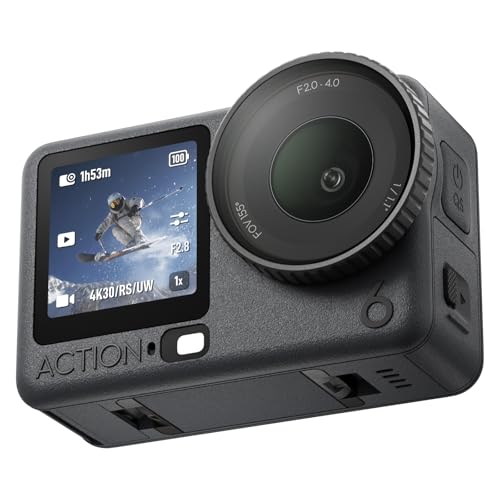
Small action cameras mount on helmets, boards and handlebars and survive drops, dust and shallow water that would end a larger body. Their tiny sensors and fixed wide lenses limit distant subjects and dim gyms. If this mounted style is your main work, see our guide to the best motion cameras.
Compact Cameras for Light Carry and Family Action
A compact camera with a 1 inch sensor and a useful optical zoom fits a coat pocket and still tracks kids and pets far better than a phone in dim light. You give up lens changes and deep buffers, and in return get a kit ready in seconds. For mostly still scenes, see our guide to the best digital cameras.
Mirrorless Cameras for Lens Choice and Serious Tracking
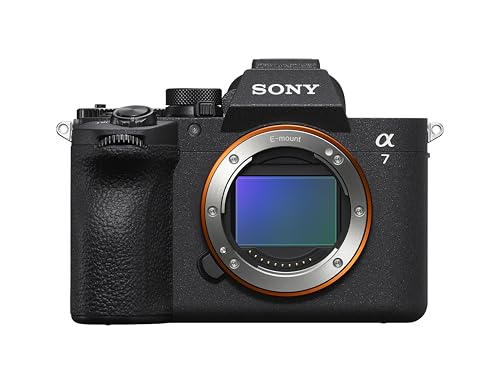
Mirrorless bodies accept lenses for every distance, from wide dance floors to telephoto reach for wildlife, and they carry the fastest tracking systems at each tier. The body is only the start of the cost, since the lens that freezes your subject may cost as much as the camera.
Common Mistakes to Avoid
These errors cost sharp frames.
- Judging a camera by megapixels alone leaves you with detailed files still blurred by slow focus.
- Using a slow shutter speed to keep ISO low turns fast hands, feet and wings into streaks.
- Buying reach with digital zoom instead of optical zoom crops away detail you cannot recover.
- Shooting every play at the fastest burst rate fills cards and slows the camera when the key play arrives.
- Ignoring battery ratings for long events leaves you without power before the final minutes.
Care and Maintenance for Cameras Used for Motion Shots
Wipe grit from the body and lens mount after outdoor events, since sand ground into a zoom ring can wear moving parts. Clean the front lens element with a blower first and a soft cloth second, and dry weather seals fully before bagging the camera after rain.
Store batteries partly charged if the camera will rest for a month, and keep spare cards in a hard case. Format cards in the camera only after you have copied and checked your files. Recheck strap anchors each season, because action kits get swung far more often than studio gear.
FAQ
What features matter most when choosing a camera for fast motion shots?
Tracking focus, burst depth and a fast shutter matter most for fast motion shots. Start with focus that can follow your exact subject type, since a camera tuned for faces may lose a dog or a cyclist sooner. Then test tracking in your usual light, because daylight results can hide weak indoor focus.
How much should you spend on a first camera for motion shots?
Most first time buyers should spend about $900 to $1,800 on a first camera for motion shots. That midrange band buys tracking and low light ability you can grow into, plus room for a longer lens within the first year. Save part of the budget either way, since a spare battery and fast card are needed at once.
Is a smartphone enough instead of a dedicated camera for motion shots?
A smartphone is enough for nearby motion shots in bright light, such as playground clips and short social videos. Its small sensor and limited optical zoom struggle once subjects are distant or light drops, and long bursts can overheat some phones in a full game. Physical dials on a dedicated camera let you change shutter speed while play continues.
What shutter speed should you use for motion shots of kids and pets?
Use about 1/500 second as a starting shutter speed for motion shots of kids and pets. Raise it toward 1/1000 second for sprinting, jumping or a dog running straight at you, since motion toward the camera needs a faster setting than motion across the frame. Lower it toward 1/250 second only for smooth panning.
Wrapping Up
Decide by subject speed, distance and light first, then let your budget pick the tier that covers them. Tracking focus and burst depth deserve your money before extra megapixels, and the right lens often matters as much as the body. Use the product table above to compare those points by tier.
When you judge best cameras for motion shots by keeper rate rather than spec headlines, the right tier becomes clear. Buy for the hardest light and fastest subject you shoot often, and leave room for the lens, card and battery that complete the kit.

