
Best Cameras for Moon Photography for 2026: What Each Price Tier Gets You
Disclosure: We may earn a commission when you buy through links on this page, at no extra cost to you. As an Amazon Associate I earn from qualifying purchases. Learn more

Compare what each camera price tier delivers for moon photos, which features are worth paying for, and which extras most beginners can safely skip.
Camera prices stretch from about $200 to well past $3,000, and moon photos are exactly the kind of subject where it is hard to tell what the extra money buys. Spending more helps, but only when it goes into reach, sensor size, and stability rather than long spec lists. This guide breaks down the best cameras for moon photography by budget, so you can see what each tier actually delivers before you spend anything.
A moon photo is mostly about focal length and patience. The moon is bright, small in the frame, and unforgiving of camera shake, so a modest camera held steady can beat an expensive one used carelessly. The comparison table below lays the tiers out side by side, and the sections after it explain which upgrades change your results and which ones only change the price.
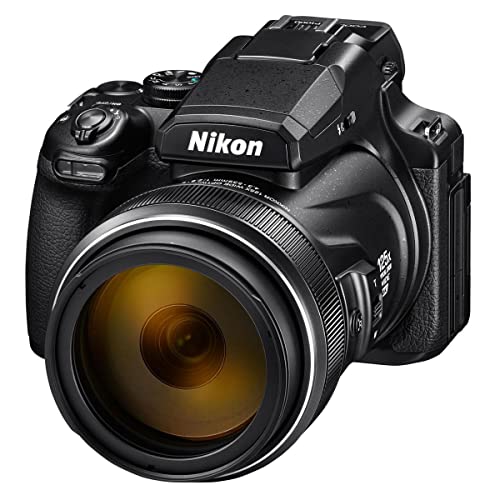


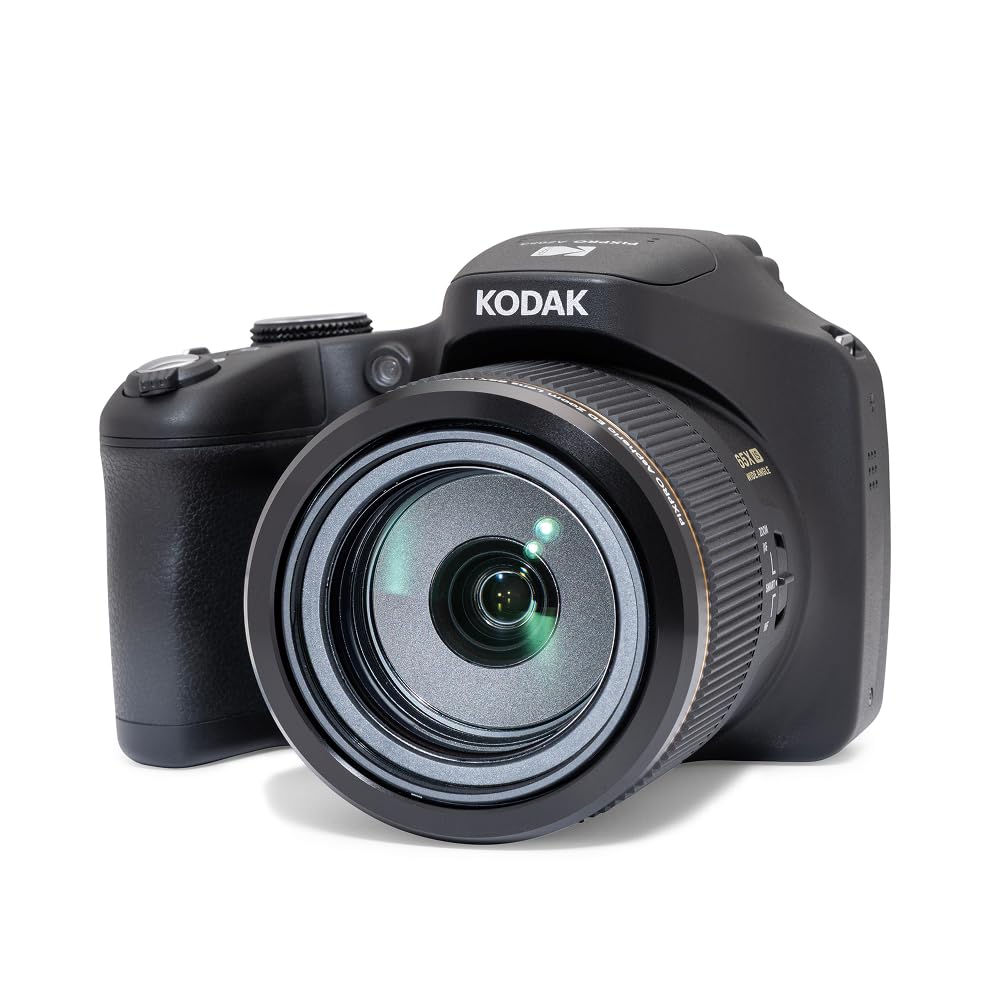

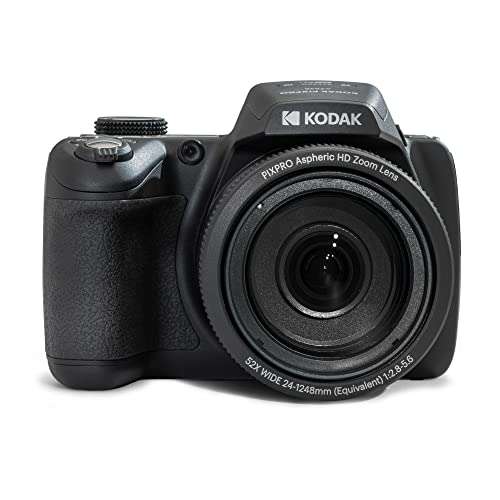


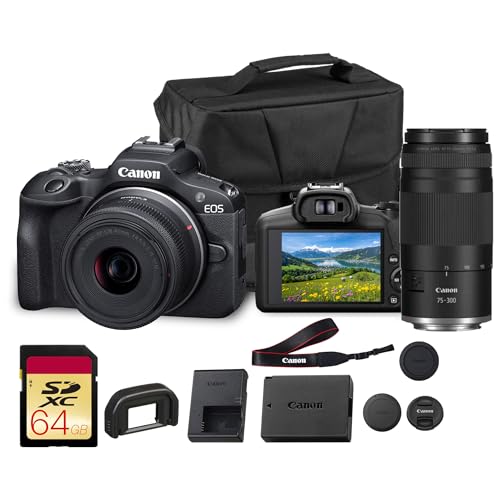
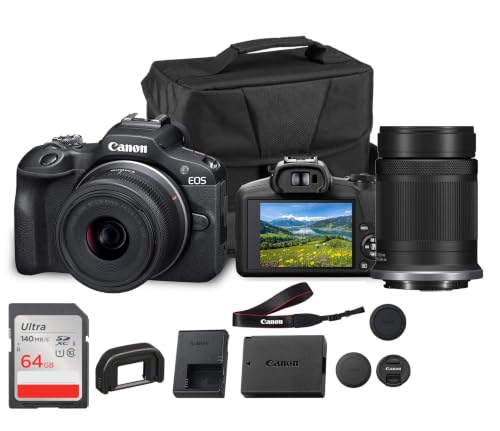


What Your Money Gets You at Each Price Tier
Budget Tier: What to Expect
Between about $200 to $450, the sensible buys are superzoom compact cameras with very long optical zoom lenses, often reaching the equivalent of 800 mm or more. That reach is the whole story at this price: the moon fills a good part of the frame, and a bright full moon shot with visible maria is well within reach. The trade off is a small sensor, so fine crater detail is softer and shadow areas show noise sooner. For a first camera that also handles family trips and school events, this tier is a reasonable place to start, and our guide to the best beginning photography cameras covers starter friendly controls in more depth.
Midrange Tier: Where Most Moon Shooters Land
Between about $450 to $1,200, you step up to large sensor compacts with 1 inch sensors or to entry level mirrorless bodies paired with a telephoto zoom. The jump in quality is easy to see: crisper crater edges, cleaner files at higher ISO settings, and raw format files that hold up to cropping and careful editing. Many buyers in this tier spend as much on the lens as on the body, which is the right instinct for this subject. This is also where manual exposure controls and focus aids become standard, and those matter more for the moon than any automatic scene mode.
Premium Tier: Big Sensors and Fast Glass
Above about $1,200 and running to $3,000 and beyond, full frame bodies and long telephoto lenses of 400 mm to 600 mm deliver the sharpest lunar detail most amateurs will ever capture. Colors along the terminator, the line between light and dark on the moon, hold together better, and prints at large sizes stay clean. The costs are real beyond price: these kits are heavy, slow to set up, and demand a serious tripod. Buyers weighing a body for many subjects, not just the moon, may also want our broader overview of the best cameras for photography before committing to a system.
Features Worth Paying For (and Ones to Skip)
Lens and Zoom Range
Reach is the first buying factor for this subject. A focal length of about 300 mm is the practical minimum for a satisfying frame, and 400 mm to 600 mm gives you room to crop while keeping detail. On a compact camera, judge by optical zoom only and ignore the digital zoom figure on the box, because digital zoom just crops and enlarges the middle of the image. A longer lens you already own beats a newer body every time, so put lens money ahead of body upgrades in your budget.
Sensor Size and Image Quality
Sensor size controls how much light the camera gathers and how clean the file looks when you crop in. The common steps are small compact sensors, 1 inch sensors, APS C, and full frame, each step giving cleaner shadows and finer detail. Megapixels alone do not tell the story, but pixel density does help here, because moon shooters crop hard and every extra pixel on the subject counts. Shoppers comparing general purpose models can see how these bodies differ in our roundup of the best digital cameras for everyday use.
Autofocus and Stabilization
Autofocus matters less for the moon than for almost any other subject, because the moon sits at a predictable distance and barely moves within the frame. What is worth paying for is good manual focus help: focus magnification and focus peaking make nailing sharp focus at long focal lengths far easier. Image stabilization helps you compose and focus through the viewfinder, but once the camera is on a tripod, the tripod does the real work. Skip paying a premium for advanced subject tracking autofocus aimed at sports and wildlife; it adds cost and does nothing for a lunar shot.
Video Capabilities
Video is a pleasant extra rather than a reason to buy for this subject. A camera that records 4K video can capture the moon drifting across the frame or a lunar eclipse as it unfolds, and high quality stills can be pulled from that footage. High frame rate modes, microphone inputs, and flip screens built for vlogging add price without improving a single moon photo. If two cameras tie on lens and sensor, take the cheaper one and put the savings toward the tripod.
Features That Matter for Moon Photography
A few smaller features separate cameras that suit this subject from cameras that fight you. Full manual exposure control is essential, because automatic metering often overexposes the bright disc and washes out surface detail. Raw format files, a remote release or a self timer, and a bright rear screen for checking focus all earn their place. One safety note belongs here too: never look at the sun through a viewfinder, and never point an unfiltered camera at the sun while practicing settings in daylight. Save your practice runs for dusk, when the moon is up and the light is safe.
Long Term Costs to Factor In
The camera is only the first purchase. A sturdy tripod that does not wobble at full height runs about $80 to $250, and at long focal lengths it decides sharpness more than the body does. Budget for a spare battery, since cold night air drains batteries faster, plus a roomy memory card and a padded bag that fits the lens attached. Mirrorless buyers should also price the long telephoto lens they will want within a year, because for this subject the lens, not the body, is the long term investment.
FAQs
What features matter most in cameras for moon photography?
Focal length comes first, because reach decides how much detail the sensor can record before cropping. Start with at least 300 mm, and treat 400 mm to 600 mm as the comfortable zone. Next comes metering control: use spot metering so the camera exposes for the bright disc instead of the black sky. A useful starting exposure is the old looney 11 rule, around f/11 with a shutter speed near 1/125 second at ISO 100, then adjust from the histogram rather than the screen preview.
How much should I spend on my first camera for moon photos?
Most first time moon shooters land between about $300 to $600 and get satisfying results. That budget covers a long zoom compact or a used mirrorless body with a starter telephoto lens, and second hand lenses are a smart way to gain reach without paying new prices. Spend on the tripod before upgrading the body, because a steady mount improves every photo at once. If the hobby sticks after a few months of full moons, the midrange tier is the natural next step rather than a small sideways upgrade.
Is a smartphone enough for moon photography instead of a camera?
A smartphone handles a bright full moon surprisingly well for sharing online, especially with a night mode and a steady rest for the phone. Its limits show up fast, though: the tiny sensor and mostly digital zoom smear crater detail, and the moon stays small in the frame. A phone held against a telescope or binocular eyepiece can do better and is a fun low cost experiment. For prints or close crops with real texture, a camera with true optical reach is still the right tool.
Which is better for moon photography in low light, a long zoom or a big sensor?
For the moon itself, reach wins at most budgets, because the moon is brightly lit and a long lens puts more pixels on the subject. A bigger sensor earns its keep around the edges of the shot: during a lunar eclipse, when the disc dims and turns red, or when you want stars and landscape in the same frame. If your interest is eclipses and night sky scenes as much as close lunar detail, weight the sensor more heavily in your decision.
Do I need a tripod for moon photography with a long lens?
Yes, at focal lengths of 300 mm and beyond a tripod stops being optional. Even small hand shake blurs crater edges at those magnifications, and shutter speeds drop as you stop down for sharpness. Use the camera self timer or a remote release so pressing the shutter does not nudge the setup, and hang your bag from the tripod center hook on breezy nights for extra steadiness. A beanbag on a wall or car roof works as a field backup when the tripod stays home.
Final Thoughts
Keep the order of priorities straight: reach first, then a sensor clean enough to crop, then the tripod that holds it all steady. Match that order to your budget, compare your shortlist with the product table above, and the best cameras for moon photography choice for your wallet will usually be obvious. Clear nights reward patience more than gear, so buy once, learn the exposure basics, and get outside whenever the moon is high.


