Best Bridge Cameras for Bird Photography Made Simple: A Clear Buying Guide for 2026
Disclosure: We may earn a commission when you buy through links on this page, at no extra cost to you. As an Amazon Associate I earn from qualifying purchases. Learn more

Learn how to choose the best bridge cameras for bird photography with plain English tips on zoom, autofocus, sensors and steady handheld shooting.
Buying your first camera for birds can feel confusing, because the spec sheets pile up terms you may never have used before. This guide walks you from the basic ideas to a confident choice, so you can compare best bridge cameras for bird photography without guessing what each number means. You will learn what reach you need, which settings matter at dawn, and how to hold a long lens steady.
Start with the product table to see how models differ on zoom, sensor size, and weight. Then use the sections that follow, which cover the best bridge cameras for bird photography one factor at a time, to translate those numbers into real field results, from a heron across a pond to a warbler moving through branches.






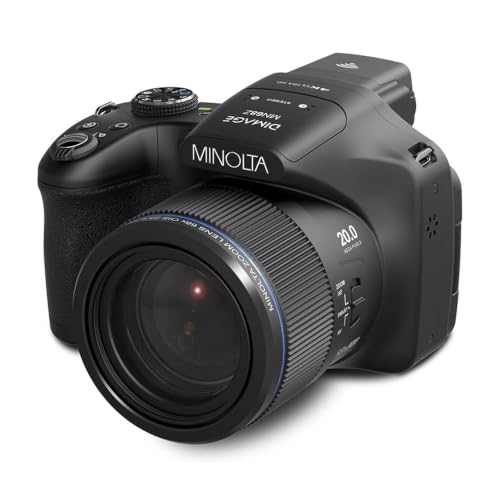
Bridge Cameras 101: The Basics
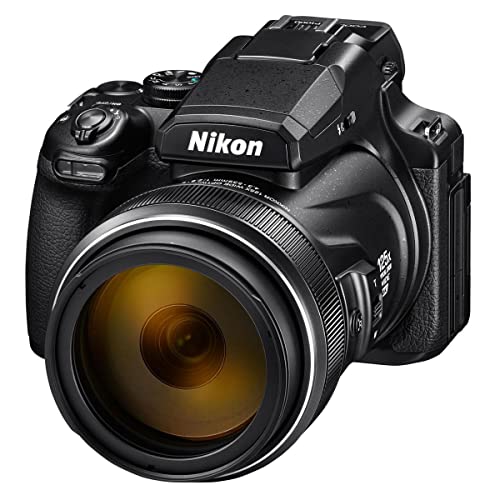
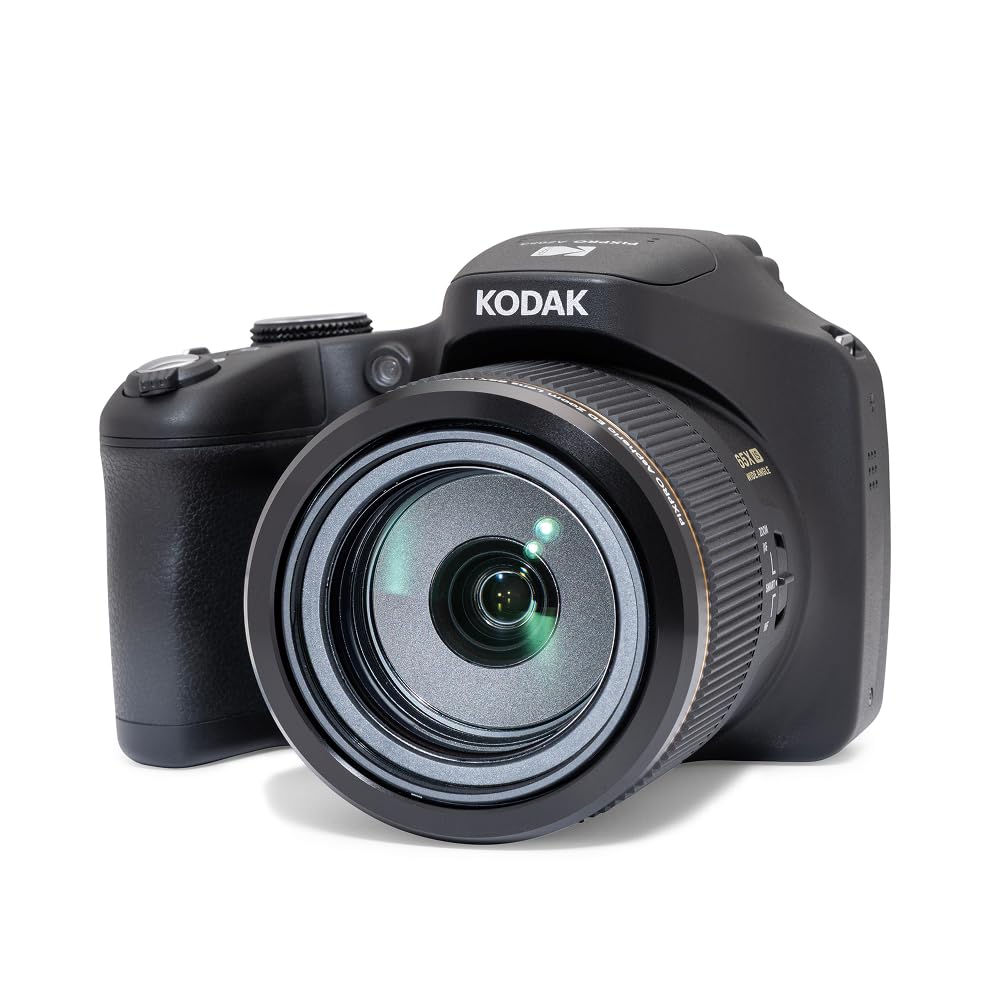
A bridge camera sits between a small compact camera and a camera with interchangeable lenses. It has a fixed lens that you cannot remove, a body shaped a bit like a larger camera, and a zoom range that covers wide scenes and distant subjects in one package. For a new bird photographer, that means one camera and no extra lenses to carry, swap, or budget for.
That all in one design is the main trade off. You gain reach and simplicity, and you give up the option to change lenses later as your skills grow. If you want to compare that path with a system you can build over time, see our guide to the best mirrorless cameras for bird photography and note how size and cost change.
Bridge models also differ from small vlogging cameras, which put video features and flip screens first and usually offer much less zoom. A bridge camera puts still photos and long reach first, with video as a useful extra. If birds are only one part of what you shoot, see our guide to the best cameras for photography for a broader view of camera types.
Key Specs Explained in Plain English
The product table lists a lot of numbers, but only a handful shape your results with birds. Read each factor below before you compare prices, because a camera that looks strong on one line can still frustrate you in the field if another line is weak.
Features That Matter for Bird Photography
Birds are small, distant, and rarely still, so three demands drive every other choice in this guide. You need enough reach to fill the frame without walking closer and scaring the bird. You need focus that locks on quickly and tracks movement through clutter. You also need a burst mode fast enough to catch a wingbeat or a sudden takeoff.
Before you narrow your list, see our guide to the best cameras for bird photography to understand how bridge models compare with other camera types for the same subjects. Then return here and judge each bridge model on reach, focus speed, and burst rate first. Treat extra shooting modes and creative filters as bonuses, not reasons to buy.
Sensor Size and Image Quality
The sensor is the light sensitive surface that records the image, and its size affects detail, low light results, and how much you can crop later. Most bridge cameras use a small sensor of about 1/2.3 inch, a few premium models use a 1 inch sensor, and larger APS C and full frame sensors belong to interchangeable lens cameras at higher prices. A 1 inch sensor gives cleaner files at dawn and dusk, but it costs far more, so most buyers on a normal budget choose long reach first.
Megapixels matter less than many listings suggest. A 20 megapixel file already holds plenty of detail for prints and online sharing, and packing in more pixels on a small sensor can add noise in dim light. Judge sample images at the zoom lengths you will actually use, because image quality often dips at the longest end of the zoom range.
Durability and Weather Sealing
Bird photography happens outdoors in dew, drizzle, dust, and cold mornings, so build quality matters more than it does for indoor shooting. Weather sealing means gaskets around buttons, dials, and the battery door that slow water and dust from getting inside. A weatherproof rating on a listing is a helpful sign, but no bridge camera should be treated as a camera you can soak or drop in a pond.
Check whether the sealing covers the lens barrel joints as well as the body, because gaps there let moisture reach the optics. Fogging inside the lens can ruin a morning, so store the camera in a dry bag with silica packets after wet outings. If you also photograph larger animals on the same trips, see our guide to the best bridge cameras for wildlife photography for more on field ready builds.
Autofocus and Stabilization
Autofocus is the system that brings your subject sharp, and for birds you want it fast, sticky, and smart about eyes. Bird eye detection, where offered, finds the eye of a perched bird and holds focus there, which raises your keeper rate a lot. Continuous autofocus tracks a bird in flight across the frame, while single point focus lets you place focus precisely on a bird behind twigs.
Image stabilization steadies the tiny shakes from your hands, which grow stronger as zoom increases. Good stabilization lets you handhold the camera at long zoom and still get sharp feathers instead of blur. It cannot freeze a moving bird, though, so you still need a fast enough shutter speed for flight shots.
Lens and Zoom Range
The fixed lens is the heart of a bridge camera, and optical zoom tells you how much it can magnify a distant subject using real glass. Ignore digital zoom numbers, because digital zoom only crops and enlarges the image and throws detail away. Look for an equivalent reach of at least 600 mm for small songbirds, and more if you shoot shy shorebirds across open water.
The objective lens at the front also sets how much light the camera can gather, shown as an f stop range that often widens less at full zoom. A brighter lens at long zoom helps autofocus work in shade and keeps shutter speeds up. Magnification claims can mislead, so compare the millimeter reach and the f stop at that reach rather than the zoom multiple alone.
Size, Weight, and Ergonomics
You may carry this camera for hours on trails, so weight and grip shape your day as much as any spec. Most bridge models weigh about 1 to 2 pounds with the battery, light enough for a neck strap yet solid enough to hold steady. A deep grip, a viewfinder you can press your eye to, and controls you can reach without looking all help when a bird appears for only a few seconds.
Try to picture a full morning with the camera in hand before you buy. Smaller hands may prefer a compact body, while gloves in cold weather favor larger buttons and dials. A tilting screen helps for low angles at a pond edge, and it also protects your knees on long waits.
Rookie Mistakes to Avoid
Most first time regrets with this camera type come from chasing one headline number instead of the full picture. Watch for these common errors before you order.
- Chasing the biggest digital zoom number, so you pay for cropping tricks instead of real optical reach and end up with soft, noisy photos of distant birds.
- Buying the cheapest model with a tiny sensor, so dawn and dusk shots turn muddy and you miss the hours when birds are most active.
- Ignoring autofocus speed and burst rate, so a camera that is fine for still scenes cannot track a bird in flight and you keep only blurry frames.
- Skipping the viewfinder to save money, so bright sun washes out the rear screen and you cannot follow fast moving birds at long zoom.
- Forgetting the cost of cards, a spare battery, and a protective case, so your real spending ends up well above the camera price alone.
Getting Started: Setup and First Use
When your camera arrives, charge the battery fully, format a fast memory card in the camera, and set the date and time so your files sort correctly later. Turn on image stabilization, choose continuous autofocus, and set the drive mode to a medium burst for your first outings. Fit the lens cap tether and a comfortable strap right away, because a dropped camera ends a trip fast.
Practice at home before you chase rare birds. Follow a pet, a squirrel, or planes overhead to learn how focus behaves at full zoom, and review your shots at full size to see what sharp really looks like. Use a lens cloth, not your shirt, to clean the front glass, since shirt fabric can drag grit across the coating. Carry a spare battery on every outing, because cold weather and heavy zoom motor use drain power faster than you expect.
Many brands tune their bird settings a little differently, and menu names vary from one maker to the next. If you are comparing brand specific focus modes and button layouts, see our guide to the best canon cameras for bird photography for an example of how one maker organizes them. The field habits above, though, apply to every bridge model you might choose.
Frequently Asked Questions
What features matter most in bridge cameras for bird photography?
Reach, autofocus speed, and burst rate matter most in a bridge camera for birds. Look for at least 600 mm of optical reach, continuous focus with eye detection if you can get it, and a burst rate that catches takeoff and landing. One point many new buyers miss is buffer depth, which is how many shots the camera can fire before it slows down while writing files to the card.
How much should you spend on your first bridge camera for bird photography?
Plan on about $300 to $900 for a first bridge camera that handles birds well. Models near the lower end suit backyard feeders and bright days, while higher priced models add a larger sensor, better focus tracking, a viewfinder, and 4K video. Set aside a little of your budget for a fast card and a spare battery, because those small items affect your day more than most extra camera modes.
Which bridge camera sensor is better for bird photography in low light?
A larger sensor is better for low light than the smaller sensors found in budget bridge cameras. It gathers more light per pixel, so feathers keep texture at dawn and under tree cover, and you can crop a little without the image falling apart. Raise ISO with care, though, because heavy noise reduction can smear fine feather detail even on a good sensor.
What specs matter most for beginners buying a bridge camera for birds?
Beginners should rank a clear viewfinder, simple controls, and steady stabilization above exotic extras. A viewfinder helps you track movement, plain menus help you change settings fast, and strong stabilization forgives shaky hands at long zoom. Also check the start up time, because a camera that wakes slowly will miss brief sightings while you wait at a trail stop.
What does optical zoom magnification mean on a bridge camera for bird photography?
Optical zoom magnification describes how much larger a distant bird appears compared with the widest view of the lens. A 60x zoom sounds huge, but the millimeter reach and the brightness at full zoom tell you more about real results. Some birders also carry compact binoculars for finding birds first, then raise the camera once they know exactly where to point it.
Final Thoughts
The right first bridge camera is the one that balances reach, focus, and comfort for the birds and places you shoot most. Use the product table to shortlist models with at least 600 mm of optical reach, and stabilization you can trust at full zoom. If you are ready to choose the best bridge cameras for bird photography for your own outings, start with those three checks and let the rest of the spec sheet stay in the background.