
Best Cameras for Beauty Bloggers at Every Price in 2026: What Your Money Really Gets You
Disclosure: We may earn a commission when you buy through links on this page, at no extra cost to you. As an Amazon Associate I earn from qualifying purchases. Learn more

Compare the best cameras for beauty bloggers by budget, with guidance on sensors, flip screens, autofocus, lenses and audio.
Prices for a beauty setup stretch from a simple compact to a full frame kit, and the gap is not only about sharpness. The best cameras for beauty bloggers render skin tones honestly, catch fine makeup detail, and let you film alone without guesswork. Use the comparison table below to match those needs to your budget.
Most beauty content is filmed in one room, at one desk, with the same face filling much of the frame. That narrow task makes some features far more valuable than they look on a general spec sheet.
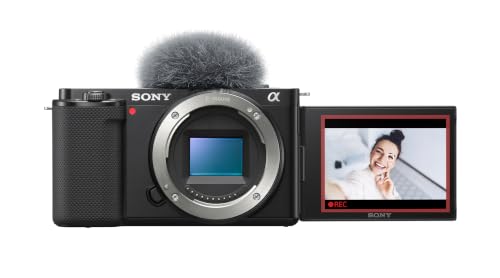
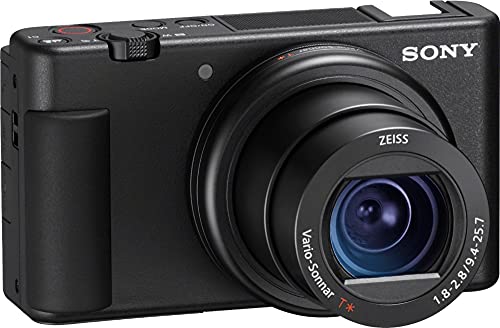




Who Should Buy Which Camera for Beauty Blogging?
Start with the format you publish most often, because it decides your screen and audio needs. If your channel covers more than beauty, see our guide to the best blogger cameras.
Solo Tutorial Creators Who Film at a Vanity
You film seated, alone, and you apply makeup while you talk, so you cannot keep checking a screen behind the camera. Choose a fully turning flip screen, eye detection autofocus that holds focus as you lean in, and a microphone input. A quiet kit zoom lens suits this setup well.
Creators Who Film Close Up Swatches and Shade Demos
Your viewers judge color and texture, so a swatch that drifts soft or shifts orange under your lights will mislead them. Choose a camera with a short minimum focus distance, reliable custom white balance, and clean detail at moderate ISO settings. Lens focus distance matters as much as sensor size for lipstick and foundation shots.
Beauty Bloggers Who Also Film Routines Away From Home
You move between a desk, a bathroom mirror and events, so size and battery life shape your choice as much as image quality. Choose a compact body with in body or lens stabilization, a zoom range that covers wide room shots and tighter face shots, and USB charging. If your filming mixes home tutorials with event coverage, see our guide to the best cameras for bloggers and vloggers for moving footage needs.
What Each Price Step Adds for Beauty Work
Camera prices look steep until you see what each step buys for beauty work. If you are still deciding between camera families, see our guide to the best digital cameras.
Entry Tier: Simple Cameras for Seated Tutorials
Cameras at about $300 to $600 are usually point and shoot compacts or small mirrorless bodies with a kit lens. Expect a 1 inch type sensor or a smaller one, basic 4K video or strong 1080p, and autofocus that works well when your face is still and well lit. The trade off is a fixed lens on most compacts and weaker results in dim light.
Middle Tier: Larger Sensors, Flip Screens and Room to Grow
Cameras at about $600 to $1,200 usually bring an APS C sensor, interchangeable lenses, a full flip screen and a microphone input in one body. For most readers, the best cameras for beauty bloggers sit in this tier, because the image looks clearly better than a compact while the kit stays simple for daily filming. Eye autofocus is also far more reliable here.
Upper Tier: Full Frame Detail and Faster Prime Lenses
Cameras at about $1,200 to $2,500 and above add full frame sensors, stronger low light results, softer background blur and log profiles for careful color grading. These gains show most in dim rooms and polished campaign work. Lenses cost more too, so the body price is only part of the total.
Key Features to Compare
Compare these five factors in order, because the first three shape every beauty video.
Sensor Size and Skin Tone Rendering
Sensor size sets how much light the camera gathers, and that affects how smooth and clean skin looks indoors. A 1 inch type sensor suits bright rooms, an APS C sensor gives a clear step up for most desks, and full frame gives the cleanest files in dim light. Megapixels matter less, because viewers watch at screen size. Look for natural color and custom white balance, since foundation shades must read true.
4K Video, Frame Rates and Recording Limits
4K video lets you crop a wide tutorial shot into a tighter close up during editing without a soft result, which helps when you cannot refilm a step. Most tutorials look natural at 30 frames per second, while 60 frames per second suits fast hand movement. Check the recording time limit and heat behaviour, because a camera that stops mid tutorial costs you the whole take.
Flip Screens and Eye Autofocus for Solo Filming
A screen that turns fully to face you lets you check framing, exposure and lipstick edges while you sit in your filming spot. A screen that only tilts up is harder to use when a tripod stands in front of you. Eye autofocus follows your nearer eye as you turn your head to show blush or contour. Check how it reacts when a brush crosses your face, because quick recovery matters.
Lenses, Close Focus and Background Blur
The lens decides how close you can film and how separate your face looks from the room behind you. A kit zoom with optical zoom covers wide desk shots and tighter face shots in one lens. A prime lens at about f/1.8 to f/2.8 opens wider for dim rooms, but it cannot zoom. Read the minimum focus distance before you buy, because a lens that cannot focus at swatch distance will blur key shots.
Image Stabilization and Audio Inputs
Image stabilization smooths small hand movements when you hold the camera for a shelf tour or a segment away from your desk. On a fixed tripod you can turn it off, so treat it as a travel bonus rather than a desk need. Audio deserves equal weight, because viewers leave echoing tutorials quickly. A microphone input is the key feature here.
Running Costs After the Body Purchase
The body is the first cost, not the last. Budget for a fast memory card, a spare battery, and the lens you will use for close work. A small tripod and a simple desk light often improve results more than a body upgrade.
Over time, expect to replace batteries that no longer hold a full session and cards that have seen heavy use. Keep some budget for sensor cleaning if you change lenses often near loose powder. Readers comparing beauty specific models can also see our guide to the best beauty cameras.
Common Mistakes to Avoid
These errors cost money or force reshoots.
- Choosing megapixels over sensor size and lens quality leaves skin looking flat and noisy in indoor light.
- Filming with a screen that only tilts up blocks your view when a tripod sits in front of you.
- Ignoring minimum focus distance means lipstick and swatch shots go soft at the distance you actually use.
- Relying on the built in microphone in a tiled bathroom makes tutorials sound echoing and hard to follow.
- Spending the whole budget on a body leaves nothing for a lens or spare battery, so filming stops early.
Care and Maintenance for Cameras Used for Beauty Content
Makeup is the main hazard for this kind of camera. Loose powder, foundation on fingers and setting spray all reach lenses and dials quickly. Keep cosmetics on the far side of the desk, put the lens cap back on between looks, and wipe the lens with a clean microfiber cloth.
Store the camera in a dry case away from bathroom steam, because moisture inside a lens can fog the glass over time. Charge batteries after long sessions rather than leaving them empty for weeks, and format cards in the camera once files are backed up.
Frequently Asked Questions
What features matter most in cameras for beauty bloggers who film tutorials at home?
A flip screen, eye autofocus and accurate color matter most for home tutorials. Together they let you frame yourself, stay in focus while you work, and show shades as viewers will see them in person. One extra worth checking is a clean HDMI output, because it lets you watch yourself on a larger monitor and catch blending errors early.
What camera specs matter most for beauty bloggers who are just starting out?
Sensor size, lens focus distance and a microphone input matter most for a first beauty camera. Those three decide image clarity, close up sharpness and sound quality in nearly every video. Menus you can learn quickly matter too, because a confusing camera gets left in a drawer. Simple controls and a good automatic mode give you usable footage while you learn.
How much should beauty bloggers spend on a first camera for beauty blogging?
Most beauty bloggers should plan about $600 to $1,200 for a first dedicated camera and kit lens. That range buys the sensor, screen and audio features tutorials need without paying for pro extras. Before you commit, consider renting a similar model for one filming weekend. A single real session shows you more about screen position and menus than any spec list can.
Is a smartphone enough instead of a dedicated camera for beauty blogging?
Yes, a smartphone is enough to start beauty blogging, and many creators publish their first year on a phone. A dedicated camera pulls ahead when you need closer focus, softer backgrounds, longer recording, or a separate microphone. Keep the phone for quick clips and add the camera only for seated tutorials, where its gains show most.
Which camera features help beauty bloggers who film in low light rooms?
A larger sensor and a wide aperture lens help most in low light rooms. Beyond gear, settings decide a lot, so keep the shutter near double your frame rate and add a soft lamp in front of your face rather than raising ISO first. Try one foundation shade on camera first, because dim warm light can shift how shades read.
Wrapping Up
Match the camera to your main format first, then weigh sensor size, flip screen, close focus and audio in that order. Use the product table above to check which tier gives you those points without paying for features your desk setup will never use.
When you judge best cameras for beauty bloggers by skin tone accuracy and solo filming ease instead of headline numbers, the right tier becomes obvious. Buy for the videos you film every week.


