
Best Cameras for Automotive Photography: A Buyer Checklist for 2026
Disclosure: We may earn a commission when you buy through links on this page, at no extra cost to you. As an Amazon Associate I earn from qualifying purchases. Learn more

A buyer checklist for the best cameras for automotive photography, covering sensor size, lens choice, glare control and tracking.
Car photography looks easy until you try it. The subject is huge, the paint is a mirror, the glass reflects the whole street, and the best light lasts for a short part of the day. This checklist helps you choose the best cameras for automotive photography by checking each camera against the subject itself, rather than against a general stills score.
Work through the checks in order. The subject comes first, then glare and light, then lenses, focus, and the costs that follow the body home. Use the comparison table below to sort camera types quickly, then run the full checklist before you buy.


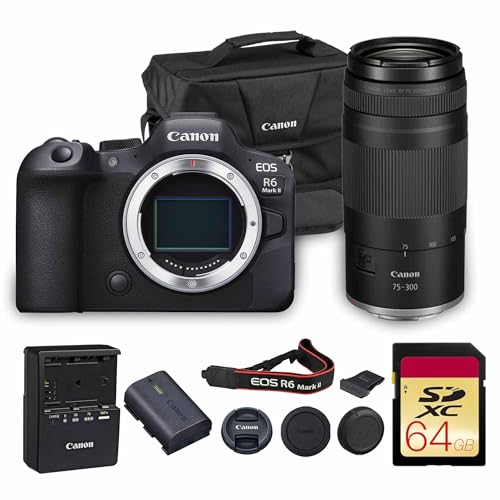


Camera Types and Price Bands Through a Checklist Lens
The best cameras for automotive photography come in four types. Each type below can photograph a car well, but each passes the checklist in a different order of strengths. The parent topic is covered in our guide to best cameras for photography, where general stills work sets the terms, while this article narrows the field to cars, paint, glass, and motion.
| Type | Best For | Strengths | Limits | Typical Price |
|---|---|---|---|---|
| Fixed lens compacts | Shows, meets and travel | Small, quiet, ready at once | Fixed lens, small sensor | about $300 to $700 |
| Mirrorless cameras | Features, shoots and rolling shots | Changeable lenses, strong tracking | Lens cost follows the body cost | about $600 to $1,500 |
| DSLR cameras | Stills shooters with used lenses | Comfortable grip, many lenses available | Bulk, live view focus can lag | about $500 to $1,200 |
| Premium compacts | One camera for car and street work | Large sensor in a small body | No lens choice, price near body only kits | about $800 to $1,300 |
Entry Bands for Shows and Meets
Cameras at about $300 to $700 handle daylight shows, club meets, and cars for sale listings with ease. The checks that matter most here are a lens that covers wide and short telephoto views, a screen you can read in bright light, and files clean enough for sharing and small prints. Keep the kit simple, and spend the savings on a polarizing filter and a good bag.
Middle Bands for Regular Car Work
Cameras at about $700 to $1,500 pass the harder checks, with larger sensors for dawn and dusk work, lens mounts with real wide and telephoto choice, and tracking focus for rolling shots. This is the band for magazine style features, dealer work, and serious hobby portfolios. Budget for at least two lenses from the start, since one lens rarely covers both a full car in a tight hall and a detail shot across a show field.
Upper Bands for Paid and Demanding Shoots
Cameras above about $1,500 buy refinement rather than a new kind of car picture. Gains include cleaner files in poor light, tougher sealing for trackside weather, faster tracking, and screens and finders that stay readable in harsh sun. Paid work and regular night shoots can justify the step.
The Buyer Checklist in Full
Start With the Subject Itself
A car is a large reflective subject, and that one fact drives every check that follows. Paint, chrome, and glass return the sky, the buildings, and you yourself back into the picture, so the camera must record fine detail without letting bright panels wash out or dark trim sink into black. Wide dynamic range helps here, because a single frame often holds a white roof in sun and a black grille in shade.
Size shapes the rest of the checklist. A car fills a frame from a few paces away, so the lens must go wide without bending straight lines at the edges of the frame. Panel gaps, badges, and wheel detail ask for resolution at the other end of the zoom range.
Glare Control and the Hour of the Day
No camera setting cancels glare, so the hour of the day matters as much as the gear. Midday sun throws hard reflections across roofs and bonnets, while the softer light near sunrise and sunset lets paint show its color and shape. A camera earns its place here through tools that manage bright light, such as a lens thread that accepts a polarizing filter, a finder you can use when the screen washes out, and exposure tools that warn before highlights clip.
Plan shoots around the light first and the camera second. A polarizing filter can cut reflections on glass and paint, though it cannot fix a sky mirrored across a whole side panel, so angle and timing still do the heavy work. Dusk work rewards a sensor that stays clean as sensitivity rises.
Sensor Size and Image Quality
Sensor size decides how much light the camera gathers and how much you can crop a detail from a wider frame. A 1 inch sensor in a compact handles daylight shows well, while APS C and full frame sensors hold cleaner files at dawn, in halls, and under street lights. Pixel count alone says little, because paint and chrome expose weak processing quickly. Judge quality by files of bright, detailed subjects rather than by the megapixel figure on the box.
File formats belong on this check too. Raw files give you room to pull back a bright roof or lift a dark wheel arch without breaking the tones, and car work needs that room more than most subjects do.
Lens Choice Is Half the Purchase
The lens is half the purchase, and car work proves it on every shoot. You buy the body first, yet the lens becomes the running cost, because wide views for tight halls, a standard lens for features, and a short telephoto for details all call for different glass. Price the lenses you need before you price bodies, and favor the system whose lens range fits your events and your budget over the next two years. A modest body behind the right lens will outshoot a flagship body behind the wrong one.
For range, a zoom covering wide to short telephoto views handles most static car work in one lens. Check the filter thread size across your planned lenses, since one polarizing filter that fits every lens saves money and bag space. Also check close focus distance, because badge and interior detail shots often happen at arm length.
Autofocus, Tracking and Panning
Panning is a technique, and the camera serves it rather than replacing it. In a panning shot you follow a moving car at a slow shutter speed so the car stays sharp while the background streaks, and success rests on a smooth follow through and a steady stance. The camera supports that technique through focus that holds the car as it passes and shutter settings you can set in fine steps. Stabilization with a panning mode helps, since it corrects vertical shake while leaving the horizontal sweep alone.
For static work, focus needs are simpler but still worth a check. Single point focus placed on a badge, headlamp, or wheel center gives control that wide area modes cannot match in a cluttered show field. Reliable low light focus matters more, because dawn shoots and dim halls are where car photographers earn their best frames.
Video Capability as a Secondary Check
Many car shoots now include a short walkaround clip beside the stills, so video earns a place on the checklist after the stills checks pass. Look for 4K video, clean focus while moving, and a microphone input if engine sound or spoken notes matter. Treat video as a bonus that should never cost you the lens or sensor checks above it.
Build, Sealing and Handling in the Field
Car work happens in dusty fields, damp paddocks, and bright lots where screens fade. Weather sealing helps when a shower crosses a track day, though sealing means resistance to splashes rather than permission to shoot in a storm. A firm grip and a finder that stays usable in sun matter more than a long list of scene modes. All of these bodies sit inside the broader class covered by our guide to best digital cameras.
Quick Buyer Checklist
- Does the lens range cover a full car in a tight space and a tight detail shot from across a lane?
- Can the lens accept a polarizing filter, and does one filter size serve the lenses you plan to own?
- Do sample files hold detail in bright paint and dark trim within the same frame?
- Does tracking focus hold a passing car while you pan at a slow shutter speed?
- Have you priced the second lens, the filter, and a spare battery alongside the body?
- Can you read the screen or finder in full sun at a summer show?
- Does the kit weight suit a full day on foot at a large event?
Red Flags to Watch For
- Vague zoom claims with no focal range in plain numbers, since reach for car work must be judged in millimetres rather than in marketing multiples.
- No filter thread on a fixed lens, which blocks the polarizing filter that car paint and glass so often need.
- A kit price that leaves nothing for the second lens, because the body only offer usually hides the real system cost.
- Short warranty terms paired with no stated weather sealing, a poor match for trackside dust and sudden rain.
- Sample galleries with no bright or reflective subjects, which suggests the files may not hold up on paint and chrome.
Notes for Learners and Other Classes
Learner Cameras and the Car Subject
New photographers often start with cars because the subject sits still and the light can be studied at leisure. Our guide to best beginning photography cameras covers learner bodies in general terms, and most of them pass the daylight checks in this article with ease. Start with static cars at a morning meet, learn what reflections do, and add panning later.
Starter budgets deserve their own passage because the lens cost surprises new buyers most. The options in our guide to best cameras for starter photography pair well with car work when the kit lens covers a useful wide view and the mount offers affordable used glass. Buy the body that leaves money for the filter, the bag, and the second battery.
Film Cameras as a Class Contrast
Film cameras remain a loved class for car shows, where the pace is slow and the subject suits a considered frame. As a class contrast, our guide to best film photography cameras covers bodies that record on film rather than on a sensor, with running costs in every roll and no screen to check at the scene. For listings, paid work, and night shoots, digital control and instant review keep the practical edge.
Care and Maintenance Tips
Clean the lens with a proper cloth rather than a shirt, since show fields are full of dust that a sleeve will drag across the glass. Carry a spare battery on long event days, and store the kit in a dry padded bag. A clean sensor matters for cars, because dust spots show clearly against plain paint and sky.
Automotive Photography Cameras: Your Questions Answered
What features matter most in cameras for automotive photography?
Dynamic range and lens choice matter most, because paint and chrome push bright and dark tones into the same frame while the lens decides the view. Tracking focus and glare tools follow close behind. One point this checklist treats lightly is color depth, so if you print large, favor raw files that hold smooth tones across a bright bonnet.
How much should I spend on my first car photography camera?
Plan about $600 to $1,200 for a first car photography setup, with a firm share held back for a lens, a polarizing filter, and a spare battery. A body only purchase at the top of that range usually serves car work worse than a plainer body with the right glass. Owners shooting listings can start lower, while feature shooters should fund the lens first. The right total is the one that completes the kit without strain.
Which camera class is better for low light car photography?
A larger sensor class is better for low light car work, because dawn, dusk, and hall shoots all push sensitivity upward. Full frame bodies lead on clean files, APS C bodies follow, and small sensor compacts need more help from light or a tripod. A tripod is legal at most static meets and can rescue any class after dark. For rolling shots at dusk, sensor size and a wide aperture lens decide the result together.
What specs matter most for beginners photographing cars?
Beginners should check the lens range, the filter thread, and the file quality in bright light before any other specs. Those three decide whether a first meet produces frames worth keeping. Ignore scene modes named for cars, since manual control of shutter and aperture teaches the real lessons. One more beginner point is a simple remote or timer, which opens up dusk shots at shows where crowds thin.
Is a smartphone enough for automotive photography instead?
A smartphone is enough for listings, meet snapshots, and learning how reflections move across paint as you walk around a car. Its fixed wide lens distorts cars shot up close, and its small sensor struggles at dusk, which is prime car light. Many owners sell a car well with phone photos taken at the right hour. Step up to a camera when you want control of reflections, reach for details, or clean files after sunset.
Final Thoughts
Run the checklist in order and the choice narrows fast. Respect the subject first, since a car reflects the whole scene back at you, then settle glare, light, and lens before body scores. Use the product table above to sort types and price bands, and price the lens with the body every time. The best cameras for automotive photography are the ones whose kit passes each check at the events you actually attend.


