
Best Cameras for Android by Budget: Smart Picks for 2026
Disclosure: We may earn a commission when you buy through links on this page, at no extra cost to you. As an Amazon Associate I earn from qualifying purchases. Learn more

Compare the best cameras for android at every price point. Learn what you get at budget, midrange, and premium levels and where extra spending pays off.
Cameras that pair well with an Android phone span a wide price range, from compact models that cost less than a phone case bundle to full frame bodies that cost more than the phone itself. The best cameras for android are not simply the most expensive ones. They are the ones whose app support, transfer speed, and image quality match how you actually shoot and share.
This guide walks through what each budget level realistically delivers, which features deserve your money, and which ones you can skip. Use the comparison table below to see how current models line up on sensor size, video specs, and connectivity before you read the tier breakdowns.


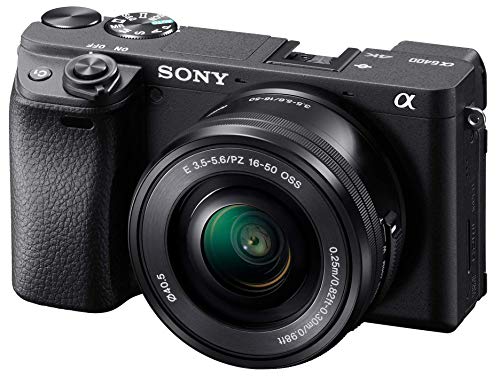


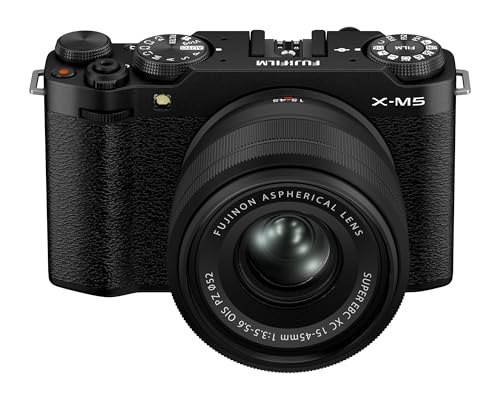


One note before you start: a camera and an Android phone work as a pair. A great sensor with a clumsy companion app will frustrate you every time you try to move photos, so connectivity deserves as much attention as image quality throughout this guide.
How to Choose by Budget Instead of by Brand
Budget first shopping works better than brand first shopping because every maker sells strong and weak models at the same price. Decide what you can spend, then judge the best cameras for android in that band on the handful of traits that change your results.
Budget Buyers: Spend on the Sensor, Not the Extras
If your budget is tight, put nearly all of it toward sensor size and lens quality, because those two things decide your image quality ceiling. A basic compact camera with a 1 inch sensor will outshoot a feature packed model with a tiny sensor in almost every situation. Accept simpler controls, a fixed screen, and slower burst rates at this level. What you should not accept is a companion app that drops its connection, since quick transfers to your phone are the whole point of buying into this category.
Midrange Buyers: Spend on Handling and Speed
In the midrange, sensors are already good, so your extra money should buy speed and handling. Faster autofocus, better image stabilization, and a tilting screen make more of your shots land, especially with moving kids, pets, and travel scenes. This is also the tier where interchangeable lens cameras start to make sense. If you plan to grow into new lenses later, readers comparing broader options may also want to see our guide to the best digital cameras for the full landscape.
Premium Buyers: Spend on Light and Reliability
At premium prices you are paying for performance in hard conditions: dim venues, fast action, and weather that would send a cheaper camera back into its bag. Full frame sensors gather far more light, weatherproof sealing protects the body outdoors, and pro grade autofocus tracks eyes with very few misses. Buy at this level only if you shoot often in those conditions, because the image quality gap in bright daylight is much smaller than the price gap suggests.
What Your Money Gets You at Each Price Tier
Budget Tier: What to Expect
Budget cameras generally cost about $150 to $400 and cover compact models plus older entry level mirrorless bodies. Expect a small sensor or an early generation 1 inch sensor, 1080p or basic 4K video, and plastic construction. Autofocus is fine for still subjects but hunts in low light, and transfers to your phone can be slow. This tier suits casual shooters who want a clear step up from a phone without learning a complex menu system.
Midrange Tier: The Sweet Spot for Most Buyers
Midrange cameras run about $400 to $1,000 and deliver the best balance of price and capability. You get larger APS C sensors, reliable subject tracking autofocus, in body image stabilization on many models, and clean 4K video. Build quality improves, controls become direct and tactile, and companion apps transfer full resolution files quickly over WiFi. Most hobbyists, parents, and content creators should shop here first, because the jump in everyday results from the budget tier is large and obvious.
Premium Tier: When Spending More Pays Off
Premium cameras start around $1,000 and climb past $3,000 for flagship bodies. Full frame sensors deliver outstanding low light results and shallow depth of field, while fast processors keep up with sports and wildlife bursts. You also gain dual card slots, advanced color options for video, and durable metal bodies. Readers who shoot stills seriously and want to understand how these bodies serve dedicated photography can see our guide to the best cameras for photography for that angle.
Features Worth Paying For (and Ones to Skip)
Autofocus and Stabilization
Autofocus is worth paying for when it includes subject detection for people and animals, because the camera locks onto eyes instead of the nearest object. Basic contrast based systems in cheap models are slower and miss moving subjects. Image stabilization matters just as much: in body stabilization steadies every lens you mount, while lens based stabilization only helps with that one lens. A good stabilization system lets you handhold slower shutter speeds at dusk, which quietly saves more photos than a small resolution bump ever will.
Sensor Size and Image Quality
Sensor size shapes image quality more than megapixel count does. A larger sensor collects more light per pixel, so photos stay cleaner at high sensitivity settings and shadows hold more detail. The common steps are 1 inch, APS C, and full frame, each roughly doubling the light gathering area of the last. Megapixels mainly decide how large you can print or how hard you can crop. For sharing to a phone and social apps, even 20 megapixels is plenty, so never pay a premium for pixel count alone.
Video Capabilities
Pay for 4K video at 60 frames per second only if you shoot action or plan to slow footage down in editing. Most viewers watch on phones, where clean 4K at 30 frames looks identical. More valuable for many buyers are a microphone input for clear audio, a screen that flips forward for vlogging cameras style recording, and log profiles if you enjoy color grading. Skip 8K recording unless you have a specific cropping workflow, since the files are huge and most Android phones cannot edit them smoothly.
Features That Matter for Android
Android pairing depends on the maker companion app, so check that the camera you want is fully supported on Android and not treated as an afterthought. Look for Bluetooth low energy pairing that reconnects on its own, WiFi transfers of full size files, and the option to use the phone as a remote shutter and live view monitor. USB C wired transfer is a valuable backup when wireless is slow. To get more from the phone side of the pairing, see our guide to the best cameras app for android for editing and control apps that round out the workflow.
Features You Can Safely Skip
Several headline features add cost without adding results. Extreme optical zoom on a small sensor produces soft, noisy images at the long end, and digital zoom is just cropping you can do later. Built in beauty filters and scene modes duplicate what free phone apps already do well. Touchscreens that replace nearly all physical dials sound modern but slow you down outdoors. Passing on these extras often frees enough budget to move up a sensor class, which is a trade that improves every single photo.
Cameras and Android Phones
Best Cameras on Android Phone: Where Your Money Goes
When people search for the best cameras on android phone options, they often mean the camera built into the handset itself, driven by computational photography. Phone cameras win on convenience and instant sharing, and their night modes are excellent. They lose on optical zoom range, sensor size, and manual control. If your phone camera already frustrates you on zoom or low light, a separate camera is the fix; if it only frustrates you on editing, software is the cheaper answer. If you would rather upgrade the handset itself, see our guide to the best android phones with good camera for phones that shoot far better than average.
Long Term Costs to Factor In
The body price is only the starting point. Lenses for interchangeable systems often cost as much as the camera over time, and even compact camera owners should budget for extra batteries, memory cards, and a case. Add these costs before you buy, and a midrange kit that fits your real budget beats a premium body you cannot afford to feed.
Frequently Asked Questions
What features matter most in a camera for Android pairing?
The features that matter most are a stable companion app, fast WiFi or Bluetooth transfer, and a sensor large enough to beat your phone in low light. Beyond those, prioritize autofocus that tracks people and stabilization that steadies handheld shots. One point buyers often miss is firmware support: makers update popular models with better phone features over time, while neglected models keep their launch day quirks forever, so favor current lines with a recent update history.
Which type of camera is better for low light photos?
A larger sensor camera with a bright lens is better for low light photos. Full frame and APS C sensors gather far more light than phone or compact sensors, and a lens with a wide maximum aperture lets that light reach the sensor. Fast primes around f1.8 are affordable for most mounts and transform indoor results. Also check the stabilization rating, because steady handheld shots at slow shutter speeds can matter as much as sensor size for still subjects.
What camera specs matter most for beginners?
The specs that matter most for beginners are sensor size, a simple guided auto mode, and a tilting screen for awkward angles. Ignore long spec sheets and focus on how the camera feels in your hands, because a camera you enjoy holding gets used. Beginners also benefit from strong in camera JPEG processing, since pleasing colors straight from the camera remove the need to learn editing software right away. Start with the kit lens and add gear only when a real limit shows up.
Is an Android smartphone camera enough instead of a separate camera?
An Android smartphone camera is enough if you mostly shoot in good light, share straight to social apps, and value having the camera always in your pocket. Modern flagships handle portraits, food, and travel scenes very well, and you can compare leading handsets in our guide to the best android smartphone cameras. A separate camera earns its place when you need real optical zoom, reliable indoor shots of moving kids, or large prints, because those demands exceed what a thin phone body can physically do.
How much should I spend on my first camera to use with an Android phone?
Spend about $300 to $600 on your first camera to use with an Android phone, which lands you in the strong end of budget or the start of midrange. That band buys a meaningful sensor upgrade over a phone plus dependable app pairing. Keep roughly a fifth of your total budget back for a spare battery, cards, and a bag, because running out of power or storage ends more shoots than a modest sensor ever will. Buy used from reputable sellers if the savings move you up a tier.
Final Thoughts
Choosing well comes down to three things: the largest sensor your budget allows, autofocus and stabilization that suit your subjects, and an Android companion app you will actually enjoy using. Set your tier first, then compare models inside it using the product table above rather than chasing flagship features you may never touch. When those pieces line up, the best cameras for android stop being a spec contest and become a tool that gets your photos off the camera and onto your phone with better quality than the phone alone could manage.


