
Best Android Phones with Good Camera Quality in 2026: Buying Guide
Disclosure: We may earn a commission when you buy through links on this page, at no extra cost to you. As an Amazon Associate I earn from qualifying purchases. Learn more

A guide to the best android phones with good camera quality, covering lenses, night mode, video, storage, battery, and software support.
Phone cameras now handle birthdays, work notes, travel scenes and quick videos. Spec sheets stress megapixels, while real quality depends on sensors, lenses and software working together. If you want the best android phones with good camera quality, use the comparison table below to match camera strengths to the photos you take most.
This guide skips model reviews and focuses on decisions you can check before you pay. You will learn which lens set fits your subjects, how night mode changes evening shots, and how much storage video really uses. Start with your hardest photo, not your easiest one.
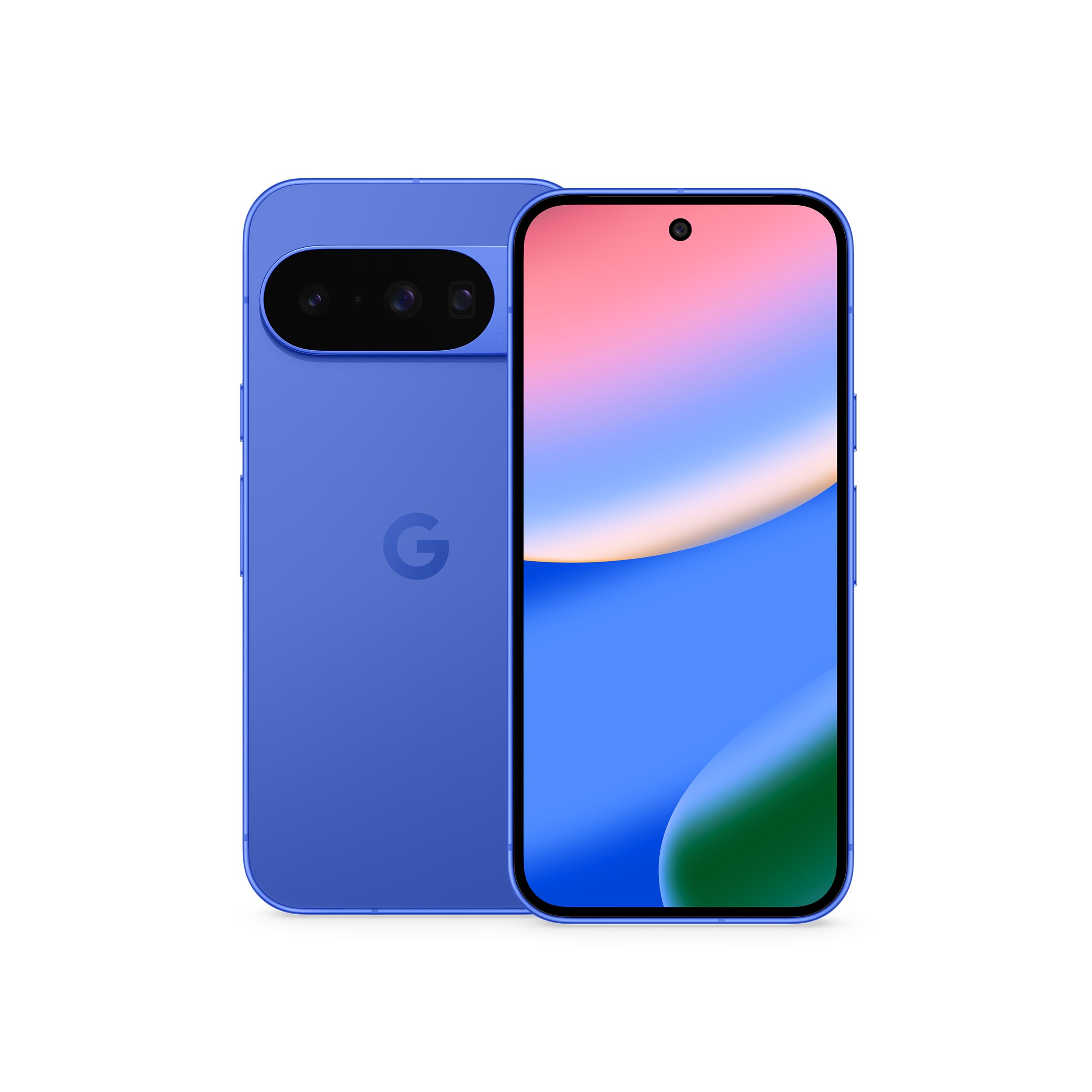
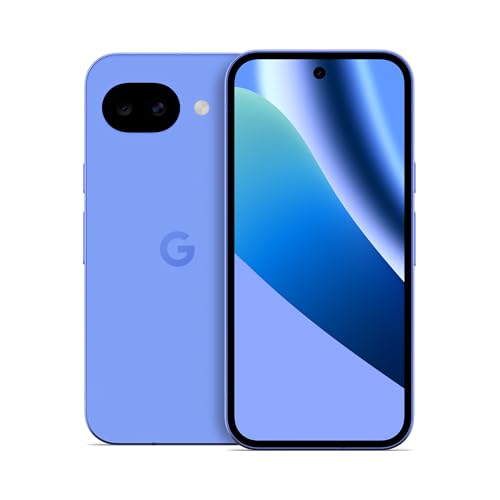


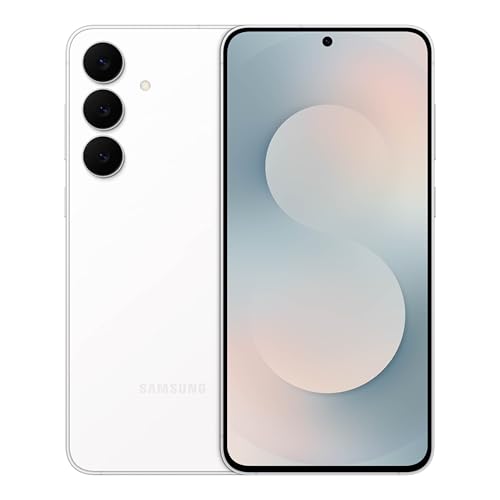

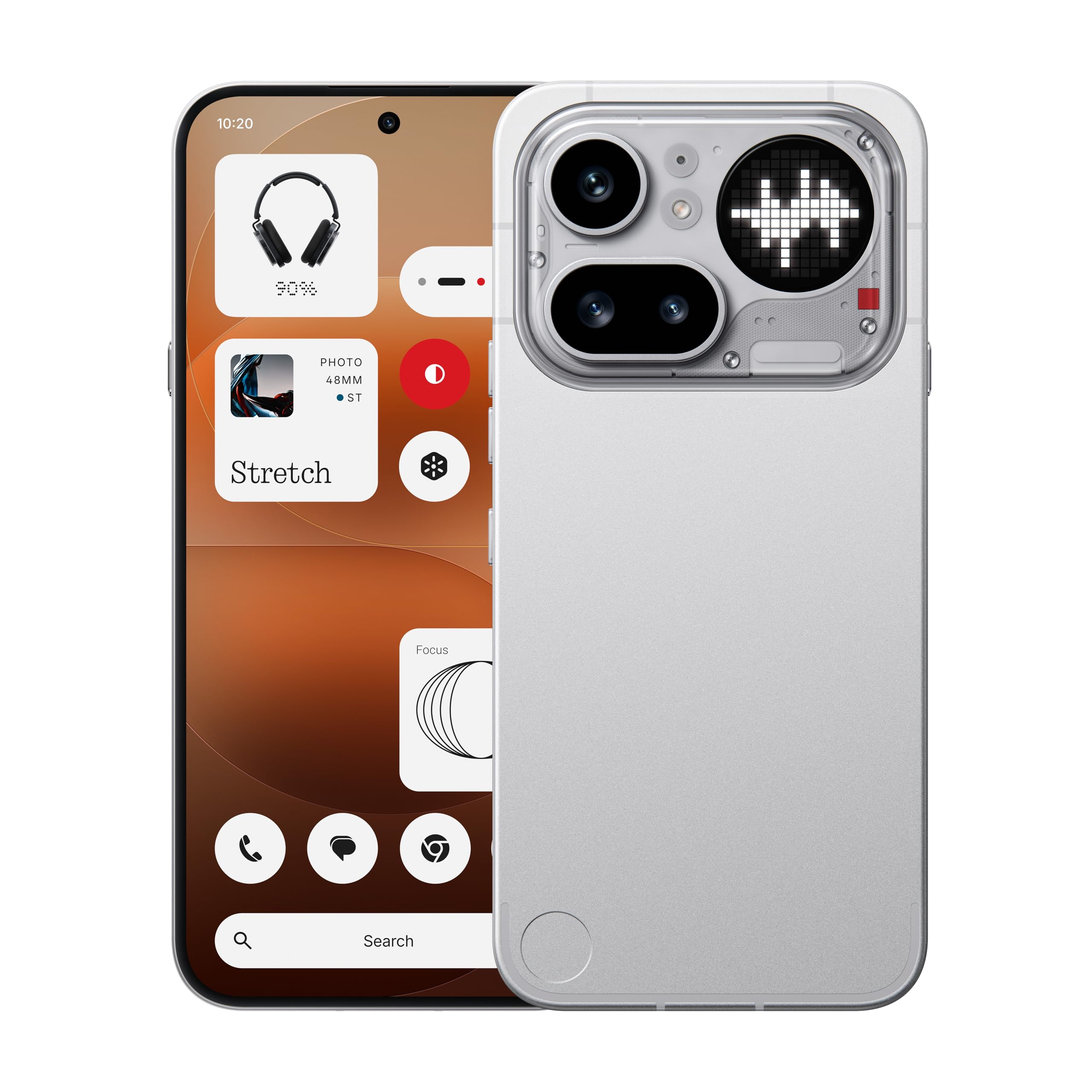

Who Should Buy an Android Phone for Camera Quality
Camera quality means different things at a school play, on a trail and at a family dinner. Find your group below, then carry its priorities into the feature sections that follow.
Families Photographing Everyday Moments
You need a phone that is ready fast, focuses on moving kids and pets, and handles mixed indoor light without fuss. Prioritize a reliable main camera, quick autofocus and simple controls that anyone in the family can use. A durable body helps, since this phone gets passed around often.
Travelers and Content Creators
You shoot wide landmarks, distant details and evening streets in the same day, often with no second chance. Prioritize a full lens set with ultrawide and telephoto views, strong stabilization for walking shots and a bright screen you can read in sun. Ample storage keeps your workflow moving between stops.
Value Minded Buyers Who Keep a Phone for Years
You want strong photos without paying flagship prices, and you plan to keep the phone for years. Prioritize a good main camera over extra lenses you may rarely use, plus a long update promise so camera features and security stay current. Many solid choices sit under $500.
Key Features to Compare
When you compare the best android phones with good camera quality, judge the camera as a system rather than a single number. Sensor, lenses, software and screen all shape the final photo. Also confirm the phone is sold unlocked or for your carrier, with US 5G bands, before you fall for its camera.
Main Camera Sensor and Lens Set
A larger sensor gathers more light, so photos hold detail with less noise in shade and indoors. Most camera focused Android phones pair that main camera with an ultrawide lens for groups and a telephoto lens for portraits and distant subjects. Optical zoom around 2x to 5x keeps detail that digital zoom discards. Clip on glass can add new angles, and our guide to the best camera lens for android phones explains that accessory route. Choose breadth if you travel, and main camera quality for people nearby.
Night Mode and Image Processing
Night mode blends several frames into one brighter photo, and good processing keeps faces natural instead of waxy. It also steadies handheld shots after dark, though moving subjects can still blur. Processing shapes color and sharpness in daylight too, so similar hardware can produce very different photos. If you want more control over that look without changing phones, see our guide to the best camera app for android phones for manual exposure and color tools. Prioritize processing if most of your photos happen indoors or after sunset.
Video Recording and Stabilization
Video quality depends on resolution, frame rate and stabilization working together. Many Android phones record 4K video, and strong stabilization keeps walking footage smooth instead of shaky. Electronic stabilization crops the view slightly, while optical stabilization helps most in dim rooms. Microphone quality matters more than many buyers expect, since wind and echo can ruin a clip that looks fine. If you record events often, rank video beside still photos, not as a bonus.
Display Quality for Framing and Editing Photos
You judge every photo on the phone screen first, so display quality shapes what you keep and share. An OLED panel shows deep blacks and rich color, which helps you spot dull shots before posting them. Brightness matters outdoors, where a dim screen hides focus errors until you get home. A 120 Hz refresh rate keeps gallery scrolling smooth. Choose a larger, brighter screen if you edit on the phone.
Storage for Photos and High Resolution Video
Photos are small until video enters the picture. A few minutes of 4K video can use more space than hundreds of still photos. Most buyers should start at 256 GB if they record video often, while 128 GB can suit light shooters. Many models skip the memory card slot, so treat the built in size as final. Running out of space mid trip is a camera problem, not just a storage problem.
Battery, Charging and Build for Shooting Days
A camera drains power quickly because the screen, processor and stabilization all run at once. Look for a battery around 4,000 to 5,000 mAh and charging that can add useful power during a short stop. A rating of IP68 means the phone resists dust and brief immersion in fresh water. Pair that rating with a case, because water resistance does not protect glass from impact.
Types of Android Phones
Android phones fall into three broad groups, and each group spends its budget differently. Knowing the group helps you predict where the camera corners were cut. Prices below are typical ranges only.
Flagship Models With the Biggest Sensors
Flagship phones carry the largest sensors, the fullest lens sets and the fastest processors for night mode and video. They add the brightest OLED screens and the longest update support. Expect prices about $800 to $1,200. Shoppers who rank speed and processing first can also see our guide to the best performing android phones. Choose one if you shoot daily.
Budget Models That Spend on One Good Main Camera
Budget phones, often about $200 to $400, usually invest in one decent main camera and simpler extra lenses. Daylight photos can look great, while night shots and zoom show the savings first. Choose this group if you photograph mostly in good light, share mainly on social apps and would rather save money than chase distant zoom.
Photography First Models That Prioritize Lenses and Processing
Camera focused phones spend more of the budget on sensors, lenses and image processing, sometimes with less gaming power. They suit people who think in subjects and light. If your needs outgrow phone lenses entirely, see our guide to the best cameras for android for dedicated cameras that pair with an Android phone. Choose this group when photos are the main reason for the upgrade.
Common Mistakes to Avoid
These errors cost buyers real photo quality, and most are easy to dodge once named.
- Judging by megapixels alone ignores sensor size, so evening photos come out noisy despite the big number.
- Buying 128 GB to save money fills up within a year of video, so you end up deleting trip clips you wanted to keep.
- Skipping the zoom test in store leaves you with digital zoom only, so distant subjects turn soft and blocky.
- Trusting water resistance as drop protection ends with a cracked lens cover, because IP68 says nothing about impact.
- Ignoring the update promise lets camera features and security fixes end early, so a good camera phone ages faster than it should.
Care and Maintenance for Android Camera Phones
Lens care decides more photos than settings do. Wipe the lens cover with a clean microfiber cloth before important shots, since pocket lint and fingerprints scatter light and add haze you cannot edit out later. Use a case with a raised edge around the camera area, plus a screen protector.
Back up photos regularly to cloud storage or a computer, so a lost phone does not take a year of family photos with it. Install software updates promptly, since makers often include camera fixes and security patches in them. Avoid charging in extreme heat, such as a hot car dashboard, because heat ages the battery faster.
FAQ
How much storage do Android phones with good camera quality need for photos and video?
Most buyers should choose 256 GB for an Android phone bought mainly for photos and video. That size holds tens of thousands of photos plus hours of clips without constant cleanup. A practical check is to double what photos and videos use on your current phone, since a better camera creates larger files.
Do Android camera phones need 5G for sharing photos and video?
No, an Android camera phone does not need 5G to take good photos, since the camera works fully offline. 5G helps after the shot, when you upload full size video or back up a large gallery away from WiFi. In many areas 4G already handles photo sharing well, even on trips.
Is a mid range Android phone good enough for strong camera quality?
Yes, a mid range Android phone is good enough for strong camera quality in daylight and for most family photos. The gaps appear at the edges, in night scenes, fast action and long zoom. One useful test is to photograph a moving child or pet indoors, since that scene reveals focus speed and noise quickly.
How many years of software updates should an Android camera phone get?
Look for at least four years of software updates on an Android camera phone you plan to keep. Check the promise for the exact model before buying, since support length varies by brand and price tier even within one product line. That check takes minutes and protects years of photo storage and sharing.
Should I buy an unlocked Android phone for travel photography?
Yes, buying an unlocked Android phone helps travel photography because you can add a local SIM at your destination and upload photos without roaming limits. Confirm the model supports the bands your carrier uses before ordering, since an unlocked label alone does not guarantee full coverage on every network at home or abroad.
The Bottom Line
Start with the lens set and sensor, then check night mode, storage and update support. If you are also weighing non Android options, see our guide to the best phones with good camera quality for the wider comparison. Use the product table above to narrow this guide to a short list.
The right choice is the phone whose camera you trust in your hardest light. When the best android phones with good camera quality match your subjects, budget and habits, great photos become the easy part of every trip and family day.


