
Best Android Smartphone Cameras for 2026: Which One Fits the Way You Use It?
Disclosure: We may earn a commission when you buy through links on this page, at no extra cost to you. As an Amazon Associate I earn from qualifying purchases. Learn more

Discover the best android smartphone cameras for your needs. We match features to real use cases so you avoid overpaying and get the right fit the first time.
There is no single phone that shoots best for every person. A parent at games needs fast focus and strong zoom, while a traveler may care about night mode and a wide lens for tight streets. The best android smartphone cameras match your subjects, your light and your budget, and the comparison table below lines up the choices side by side.
This guide works by use case first. You will match your habits to lens types, sensor quality, storage and battery life, then check support and build before you spend. Note the two or three features that matter most for your photos, and skip the rest with confidence.

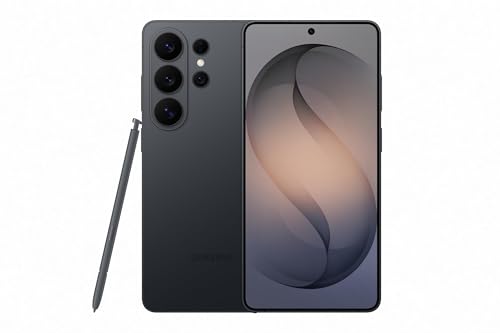
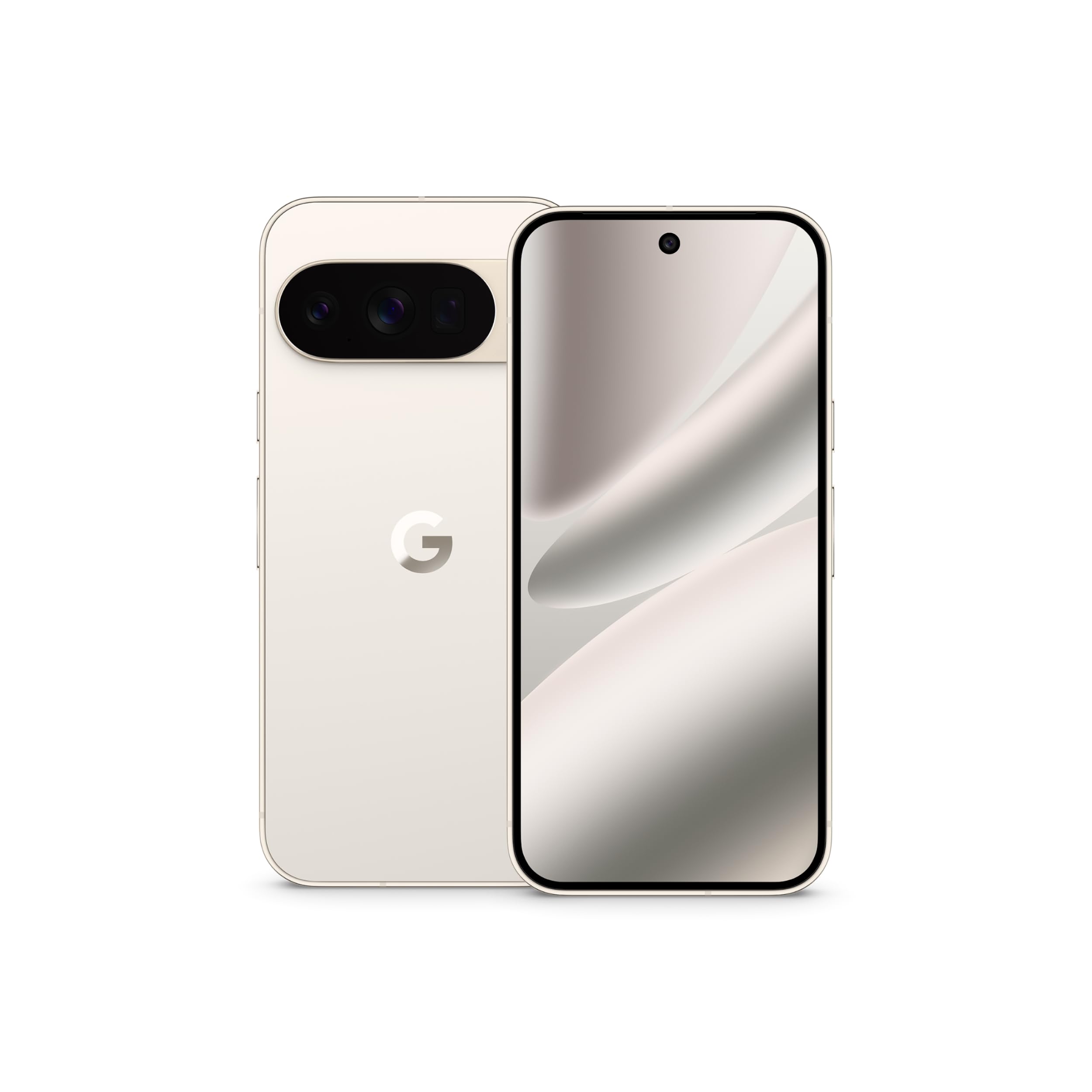
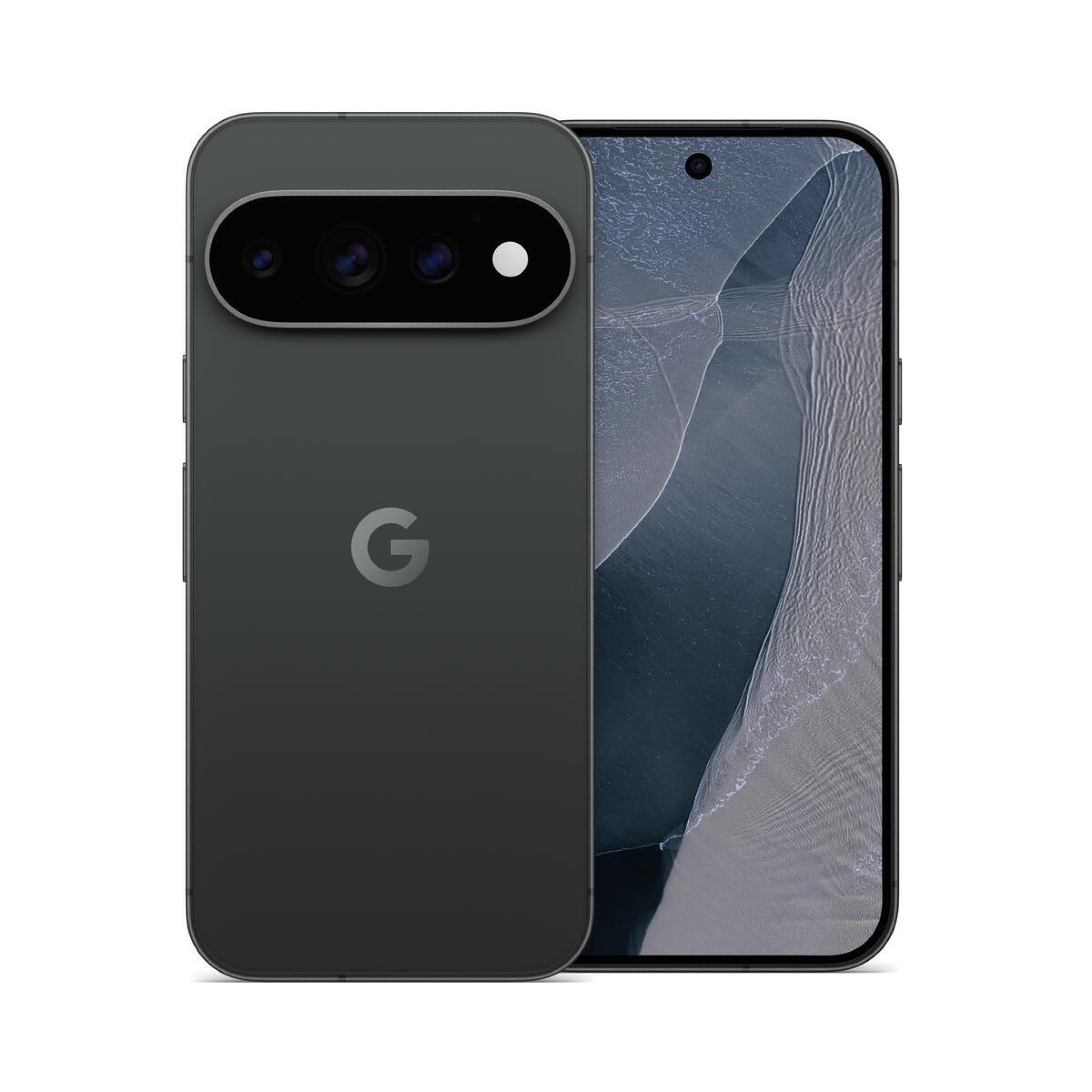


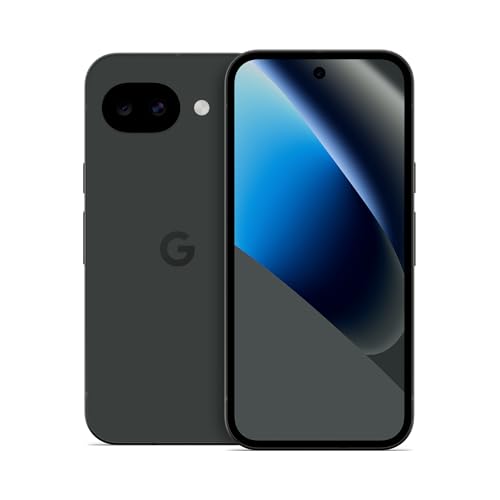
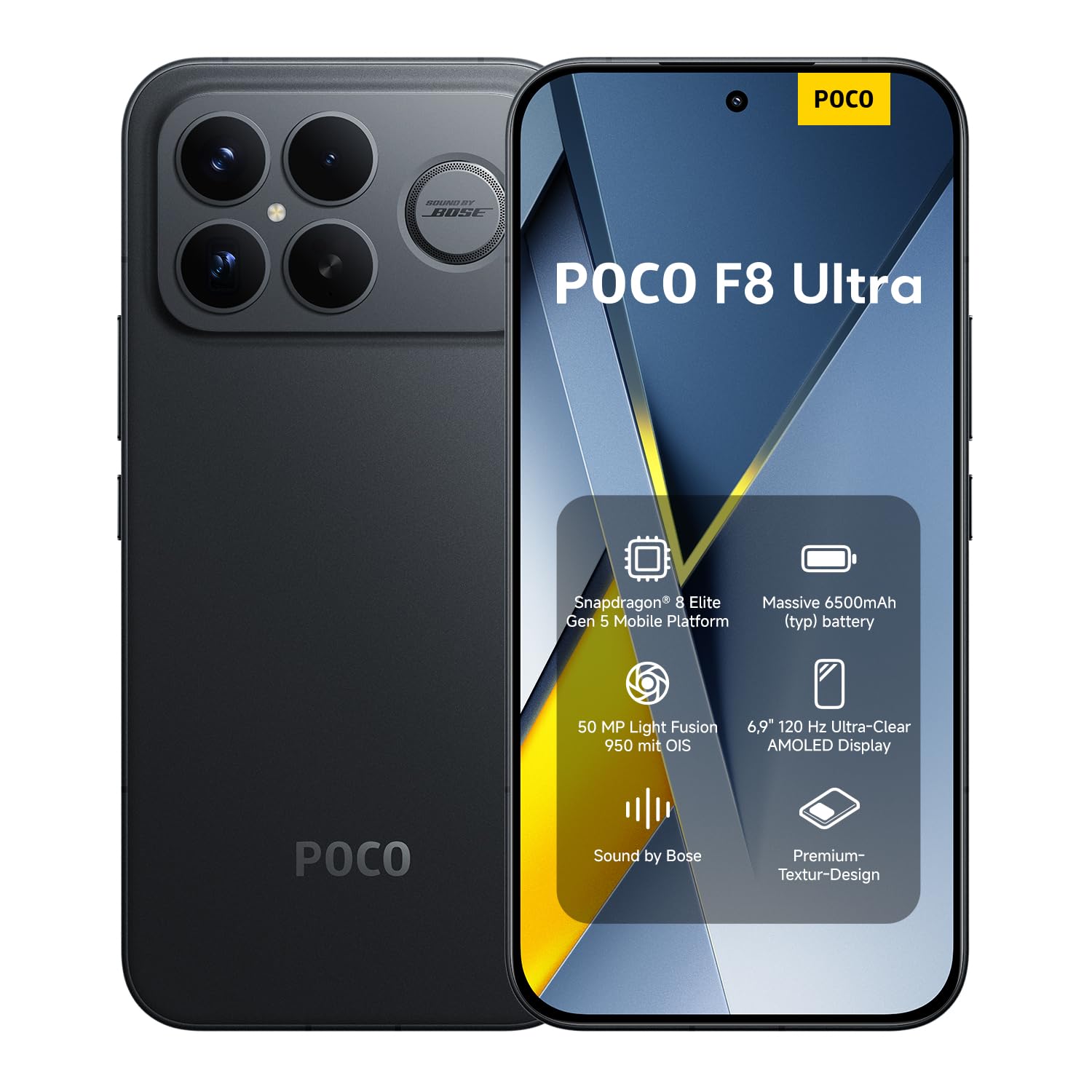


Who Should Buy Which Android Smartphone Cameras?
Start with the photos you take most, not the longest spec sheet. For a broader look at Android models beyond camera strength, see our guide to the best android smartphones, then return here to judge the camera side.
For People Who Want the Best Performance
Pick a flagship phone if you shoot in dim rooms, at concerts or at games where light and distance work against you. Look for a large main sensor, a telephoto lens with optical zoom and night mode that keeps color natural. Fast processing clears burst shots quickly and saves each frame without delay. Prices run about $800 to $1,200, and that cost makes sense only if the camera is your main reason to upgrade.
For Buyers New to Camera Focused Phones
If this is your first camera focused Android phone, favor simple controls and reliable automatic modes. A clean camera app that reads the scene on its own will serve you better than manual settings you never open. Look for portrait mode, a clear photo review screen and automatic backup prompts. A price of about $300 to $500 buys this level of ease without paying for advanced video tools.
For Shoppers Who Want Strong Photos Without Flagship Prices
Value in a camera phone means keeping the main lens strong while trimming extras. Many mid range phones pair a good main camera with a basic ultrawide lens and no telephoto lens, and that trade suits daily photos. Check battery size and storage before you pay for a brighter screen. At about $400 to $700, this group often gives the longest useful life per dollar spent.
For Gift Buyers Who Care About Photo Quality
A camera phone makes a safe gift when it is easy to set up and easy to support. Choose an unlocked model with a clear warranty and storage of at least 128 GB so the new owner is not deleting photos within months. Add a case in the box, because a cracked back can end the gift early. Compact phones suit smaller hands and make a thoughtful pick for teens and parents.
Key Features to Compare
Judge each feature by the photos it changes, not by the size of its number. If your shortlist feels wide, see our guide to the best smartphones with good camera for more models, then narrow it here.
Camera Software Support and Update Length
Camera quality improves through software long after you buy the phone. Makers refine night mode, portrait edges and video color in updates, and a longer support window means your camera app keeps gaining those fixes. Look for at least four years of system updates and five years of security patches. A phone near the end of its promised window may shoot well today yet fall behind quickly.
Shooting Time Per Charge and Refill Speed
Shooting photos and video drains a phone faster than browsing or calls. A battery of about 4,500 to 5,500 mAh usually lasts a full day of mixed use with heavy shooting included. Fast charging helps on travel days, because a stop at an outlet can restore hours of shooting time. Wireless charging suits desks and nightstands, though it runs slower than a cable.
Lenses, Sensors and Image Processing
The lens set decides what you can shoot well. A strong main camera with a large sensor and a wide aperture gathers more light, so indoor shots stay sharp with less blur. An ultrawide lens fits group photos and tight rooms, while a telephoto lens with optical zoom keeps detail at games and school events. This is where the best android smartphone cameras pull ahead of ordinary phones, since their processing holds detail in bright skies and dark corners at once. For video, look for steady stabilization at 4K so clips stay smooth while you walk.
Body Build and Sealing Against Rain and Dust
Camera phones live in pockets, on cafe tables and out in the rain at games. An IP68 rating means the phone can handle dust and a short dip in fresh water, which protects shooting days near pools and beaches. Glass over the lenses resists scratches that can flare in bright light. A raised rim around the camera area keeps the lenses off rough surfaces when you set the phone down.
Display Size and Color for Reviewing Photos
You judge every photo on the screen first, so the display shapes how good your shots look. An OLED panel shows deep blacks and rich color, which helps you spot dull frames before you share them. Brightness matters outdoors, where glare can hide focus errors. A refresh rate of 120Hz makes photo scrolling feel smooth, and screens near 6.1 inches suit one hand use while screens near 6.7 inches suit editing.
Storage for Photos and Video
Photos and clips fill space faster than most buyers expect. A single minute of 4K video can take about 400 MB, and a trip can add thousands of shots in a week. Choose 256 GB if you shoot video often or keep files on the phone for years. Many flagship phones lack a card slot, so treat the built in size as final and pick with headroom.
Common Mistakes to Avoid When Buying Android Smartphone Cameras
These errors cost money or photo quality, and each is easy to dodge before you order.
- Judging a camera only by megapixel count leads you to big numbers and weak low light results.
- Ignoring the update window leaves you with a camera app that stops gaining new photo features within a year or two.
- Choosing 128 GB of storage for heavy video use fills the phone fast and forces rushed deletions on trips.
- Skipping the water resistance rating risks a dead phone after one rainy game or a spill by the pool.
- Buying the largest screen by default makes one hand shooting awkward and raises the chance of drops.
Tips to Get the Most From Your Android Smartphone Camera
Small habits protect both the phone and your photos. Clean the lens with a soft cloth before big moments, because pocket lint and fingerprints soften more shots than weak hardware does. Keep software updated so camera fixes arrive on time, and avoid charging in extreme heat, such as a parked car in summer sun, because heat ages the battery you depend on.
Back up photos each week to a cloud account or a home drive so a lost phone does not erase a year of memories. Use a case and a screen protector from day one, and hold the phone with both hands for night shots to cut shake. If you want add on lenses for closer or wider views, see our guide to the best cameras for android. For distant wildlife or fast indoor sports, compare your needs with the best digital cameras before you spend flagship money on a phone.
FAQ
Should I buy an unlocked Android smartphone for camera use?
Yes, buy unlocked if you travel or may switch carriers. An unlocked phone accepts a SIM abroad, so you can upload and back up photos without roaming fees. It also tends to receive updates on the maker schedule rather than a carrier schedule. The trade is paying more at the start, because carrier discounts usually require a locked model on a payment plan.
How many years of software updates should an Android camera phone get?
Aim for at least four years of system updates and five years of security patches. Count from the model launch date, not the day you buy, because a phone released two years ago may have less time left than its store page suggests. Ask the seller for the promised end date in writing if the listing is vague, and let a shorter window lower the price you accept.
How much storage do you need for photos and video on an Android phone?
Choose 256 GB if you shoot video each week or keep photos on the phone for years. Stills alone are modest, but one holiday can add 20 to 40 GB once clips, edited copies and app caches pile up. If you rely on cloud storage, 128 GB can work, yet you will need a steady connection to offload files. A card slot, when offered, is the cheapest safety net.
Do you need 5G on an Android smartphone used mainly for photography?
No, 5G is not required for strong photos, because the camera works the same on any network. It helps in one clear way, since cloud backup uploads finish far faster on 5G after a day of shooting. If coverage is thin where you live, spend the savings on storage instead and let WiFi handle backups at home.
Is a mid range Android phone good enough for everyday photography?
Yes, a mid range Android phone is good enough for most everyday photos in decent light. Its main camera often matches pricier models for daylight shots of family, food and travel scenes. Where it gives ground is at the edges, since zoom range shrinks, night shots show more noise and video stabilization feels less steady. If your photos live on social feeds and family chats, that trade is usually worth the savings.
The Bottom Line
Match the phone to your subjects first. Daylight shooters can save with a mid range model, while low light and zoom shooters gain the most from a flagship camera system. Check storage, the update window and water resistance before you pay, and use the product table above to confirm the details that matter to you.
Chosen with those points in mind, the best android smartphone cameras give you a camera that is in your pocket and ready in seconds. Pick the model that fits your light, your distance and your budget, and your photos will show the difference.


