
Best Cameras for Adventure Photography: Types Compared and How to Choose for 2026
Disclosure: We may earn a commission when you buy through links on this page, at no extra cost to you. As an Amazon Associate I earn from qualifying purchases. Learn more

Compare the best cameras for adventure photography by type, sensor size, zoom, and durability, and learn how to choose one camera for your outdoor trips.
Choosing between a tiny action camera, a pocket compact, and a larger mirrorless body can feel confusing when every style claims to suit travel. The right choice depends on where you go, what you photograph, and how much weight you will carry all day. This guide compares best cameras for adventure photography options by type, so you can match the format to your trips.
Each type below has clear strengths and real tradeoffs in image quality, zoom, durability, and ease of use. The comparison table below sums up the main styles at a glance, and the sections after it explain what those differences mean on a trail or in a boat.


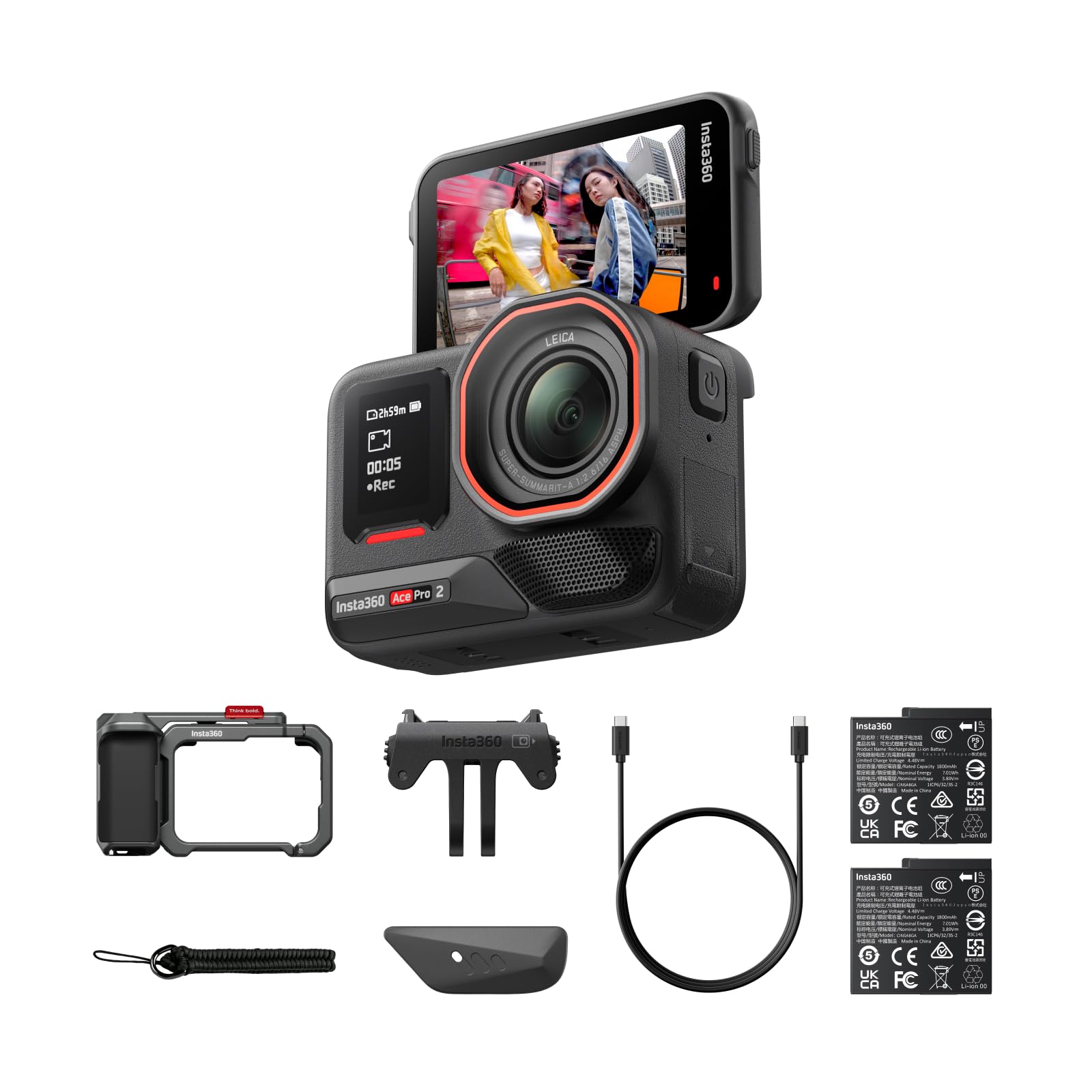
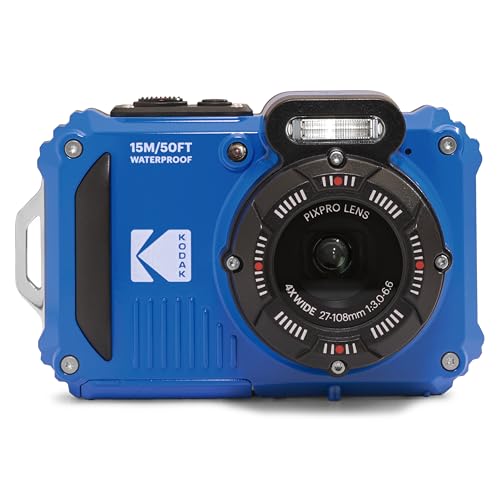




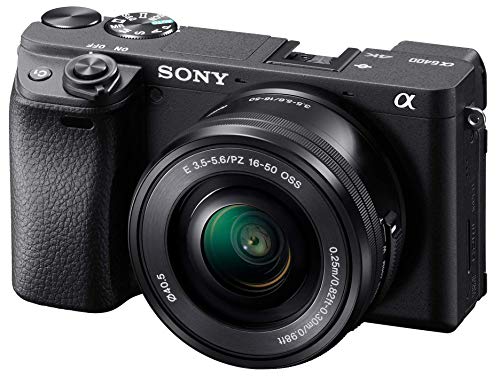
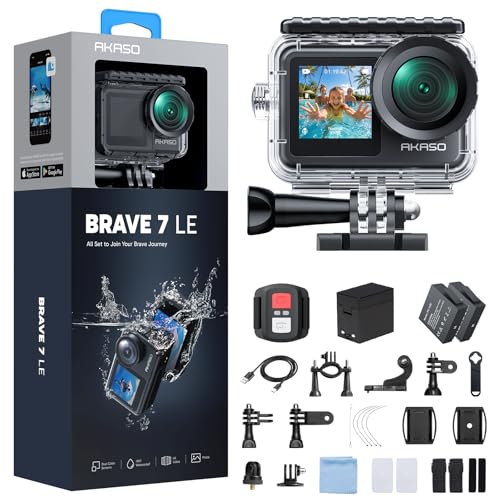
Types of Cameras Compared
Adventure cameras fall into a few broad families, and the family matters more than any single spec. A camera that excels at underwater video may disappoint for distant wildlife, while a fine landscape camera may feel too heavy on a steep climb. Start with the type that fits your main activity.
Point and Shoot Compacts
A point and shoot compact has a fixed lens, a small body, and simple controls, so you can pull it from a jacket pocket and take a photo in seconds. Many models offer optical zoom that reaches much farther than a phone, which helps with scenery and shy animals at a moderate distance. Image quality is good in daylight, and premium compacts use a larger sensor that holds detail better at dusk.
The tradeoffs are a smaller sensor than larger cameras, limited manual control on basic models, and a lens you cannot change. Choose a compact for hiking, family travel, and sightseeing without a bag full of gear. If you also shoot general subjects at home, see our guide to the best cameras for photography for broader context.
Action Cameras
An action camera is a tiny, tough box built to record video and stills where a normal camera would be at risk. Most are waterproof without a separate housing, resist shocks, and mount easily on a helmet, chest strap, handlebar, or surfboard. The lens is very wide, so it captures the whole scene and keeps fast movement smooth with strong electronic stabilization.
That wide fixed lens is also the main limit, because distant subjects stay small and you cannot zoom in optically. Still image quality suits sharing and modest prints, but it trails larger cameras in low light. Choose an action camera if your adventures involve water, snow, bikes, or climbing and you want footage from your own point of view.
Mirrorless Cameras
A mirrorless camera uses interchangeable lenses and a much larger sensor, and it gives you full control over focus, exposure, and depth of field. This is the type for serious stills, detailed landscapes, portraits, and wildlife work with a telephoto lens. Electronic viewfinders show exposure as you adjust it, and modern autofocus can track people, animals, and birds in motion.
The costs are size, weight, and price, since lenses add bulk and each extra lens adds to your budget. Weather sealing varies between bodies and lenses, so check both parts of the kit. Choose mirrorless if image quality and creative control matter more than traveling light, and if you will learn settings rather than rely on automatic modes.
Rugged and Waterproof Compacts
A rugged compact looks like a normal point and shoot, but the body is sealed and reinforced for water, dust, cold, and drops. You can take it snorkeling, kayaking, or skiing without a housing, and it shrugs off sand and rain. Controls are usually simple, and many models add scene modes for underwater color.
Image quality is similar to entry level compacts, so it is a step below premium compacts and mirrorless bodies, especially after sunset. Zoom range is usually modest, and the tough body can feel chunky in a pocket. Choose a rugged compact if one camera must survive the beach, the boat, and the trail and you value toughness over the finest detail.
Point and Shoot Compacts vs Action Cameras: Which Should You Choose?
These two types overlap in size, so many buyers compare them directly. For still photos, the compact wins: its optical zoom frames distant subjects, its sensor is often larger, and its shape is easier to hold steady. For video of your own movement, the action camera wins: it mounts almost anywhere, tolerates water and knocks, and its wide lens plus stabilization keeps footage watchable on rough ground.
Think about light next. A compact handles mixed light and indoor stops far better, while an action camera needs bright conditions to look its best. A compact also records clearer audio at normal distances, while a sealed action camera can sound muffled. If your trips center on scenery, people, and places, pick the compact. If they center on doing the activity and filming it, pick the action camera.
How to Choose the Right Camera
Once you know your type, compare the details that shape your results outdoors. The product table above lines up models by type and price, and the factors below show which specs deserve attention when you compare the best cameras for adventure photography side by side.
Features That Matter for Adventure Photography
Outdoor shooting rewards a short list of practical traits: sealing against rain and dust, a screen you can read in bright sun, controls you can use with gloves, and fast startup so moments do not pass while the camera wakes. Battery ratings matter because cold drains cells faster and charging chances can be scarce at camp. Long lists of scene modes and digital effects are minor by comparison.
Sensor Size and Image Quality
Sensor size is the single biggest driver of image quality. A larger sensor gathers more light, so photos stay cleaner in shade, at dawn, and indoors, and you get more room to crop or print large. Common steps run from small sensors in basic compacts to the 1 inch class in premium compacts, APS C in many mirrorless bodies, and full frame at the top. Megapixels matter less than sensor size, since extra pixels on a tiny sensor add noise rather than real detail.
Size, Weight, and Ergonomics
The camera you carry is the camera you use, so total kit weight deserves honest thought. Add up the body, lens, spare battery, and case, then imagine that weight on your shoulder at the end of a long day. A secure grip, a strap you trust, and well placed buttons reduce fumbles and drops. If you are new to dedicated cameras, our guide to the best beginning photography cameras explains simple controls and learning friendly layouts.
Lens and Zoom Range
Optical zoom uses real glass to magnify a scene, so detail stays sharp, while digital zoom only crops the image and softens it. For a fixed lens camera, weigh the wide end for landscapes and group shots against the longer end for animals and distant peaks. On a mirrorless camera, the kit lens covers daily needs, and you add a telephoto later for wildlife. Aperture matters too, since a lower f number lets in more light and softens backgrounds.
Autofocus and Stabilization
Fast, reliable autofocus matters whenever your subject moves, from kids running on a beach to birds crossing a valley. Eye detection for people and subject tracking for animals take the guesswork out of focus. Image stabilization, whether in the lens, in the body, or both, steadies hand movements so you can shoot at slower shutter speeds in dim light. For video, it also smooths walking footage, although a small gimbal gives the calmest results.
Durability, Sealing, and Battery Life
Check the exact rating rather than trusting general claims. A waterproof rating with a depth and time limit tells you what the camera can handle, while a splash resistant note only covers light rain. Sealing works only when doors and ports are fully closed and seals are clean. For trips focused on rough use, see our guide to the best cameras for adventure. Carry a spare battery, and store batteries warm in cold conditions so they hold their charge.
Matching a Camera to Your Budget and Skill Level
Money buys sensor size, lens speed, and sealing more than it buys better composition, so set your budget around the type you chose. Simple compacts and action cameras around $150 to $400 cover most casual trips well. Premium compacts and rugged models around $400 to $700 add larger sensors or stronger sealing. Mirrorless kits start at about $600 and climb once you add lenses.
Skill level should guide how much control you take on. If you are learning, a good automatic mode plus easy scene guides lets you shoot right away and grow into manual settings later. Our guide to the best cameras for starter photography walks through that learning path. Experienced shooters should weigh lens choice and file flexibility more than body features.
A small number of travelers still love the slower pace of film for personal projects, and our guide to the best film photography cameras covers that route. For most adventure trips, though, digital wins on instant review, high shot counts, and easy sharing. Practice at home before a big trip so controls feel natural when a moment appears.
Care and Maintenance Tips
Use a clean lens cloth, not your shirt, since grit caught in fabric can scratch coatings, and blow loose sand away before you wipe any glass. After time near salt water, wipe the body with a cloth dampened with fresh water, dry it fully, and check that seals are free of sand before closing any door. Never open battery or port covers while the camera is wet.
Carry a spare battery and an extra memory card, and store the camera in a dry, padded bag away from sunscreen, leaking bottles, and hard objects. At home, store gear in a cool dry place and recharge batteries before long storage rather than leaving them drained. If a camera is submerged beyond its rating or a lens shows fog inside the glass, stop using it and contact a service center rather than drying it with heat.
Frequently Asked Questions
What features matter most in a camera for adventure photography?
Sealing, battery life, and a usable zoom matter most for most travelers. A weatherproof body survives rain and spray, a spare battery covers long cold days, and optical zoom frames subjects you cannot walk closer to. Sensor size comes next if you shoot often at dawn or dusk.
How much should I spend on my first adventure camera?
About $200 to $450 buys a capable first camera in the compact, rugged, or action classes, where most beginners get the best value. Spending more mainly adds a larger sensor or stronger sealing, not automatically better photos. Keep part of your budget for a case, a spare battery, and a memory card. You can move up later once you know which type suits your trips, and many best adventure photography cameras hold decent resale value.
What does optical zoom mean on a compact camera?
Optical zoom means the lens itself changes focal length to magnify the scene, so the image keeps full detail at every setting. A rating such as 10x describes how much farther the longest setting reaches than the widest one. Digital zoom crops and enlarges the middle of the image, which lowers quality quickly. When you compare compacts, compare optical zoom only and ignore large digital zoom numbers.
Which camera type is better for low light, a compact or a mirrorless camera?
A mirrorless camera is better for low light because its much larger sensor gathers more light and keeps noise low at high sensitivity settings. A premium compact with a 1 inch sensor is the next best choice, well ahead of basic compacts and action cameras. A small travel tripod also helps for still scenes, since longer exposures gather more light without raising noise.
What camera specs matter most for beginners on outdoor trips?
Beginners should focus on a good automatic mode, a clear screen, optical zoom, and simple menus rather than chasing the longest spec sheet. A camera that starts fast and focuses reliably will teach you more than a complex model you leave in a drawer. Weight matters too, because a light camera comes along on every outing. Once skills grow, sensor size and lens choice become the specs that matter most.
Is a smartphone enough instead of a dedicated adventure camera?
A smartphone is enough for casual snapshots in good light, and it is always with you. A dedicated camera pulls ahead with real optical zoom, better low light results, stronger sealing, and controls that work with gloves or wet hands. It also saves your phone battery for maps and messages on long days.
Final Thoughts
Start with the type that fits your main activity, then weigh sensor size, optical zoom, and sealing in that order. Match the weight to what you will happily carry all day, and leave budget room for a spare battery and a padded bag. The product table above can help you compare models within the type you chose.
There is no single right answer, only the right fit for your trips, your subjects, and your budget. Pick the format that removes the friction you feel most, practice with it before you travel, and the best cameras for adventure photography choice for you will be the one in your hand when the moment happens.


