Best Adventure Cameras of 2026: Complete Buying Guide
Disclosure: We may earn a commission when you buy through links on this page, at no extra cost to you. As an Amazon Associate I earn from qualifying purchases. Learn more

The best adventure cameras compared by sensor, size, stabilization, low light skill, and battery life, so you can match one to your trips and budget.
Choosing the best adventure cameras is less about chasing the biggest numbers and more about matching a camera to the trips you take, the light you shoot in, and the weight you are happy to carry. This guide explains the specs that matter in plain language, compares the main camera types, and lays out spending levels so you can decide with confidence. Look over the product table, then work through the buying guide to find the balance of image quality, toughness, and ease of use that fits you.
Adventure cameras cover a wide range, from pocket sized models that slip into a jacket to larger interchangeable lens cameras that reward careful shooting. Some are built to survive rain, dust, and drops, while others trade toughness for better image quality in low light. The right choice depends on whether you hike, paddle, climb, or travel light, and on how much control you want over each shot.





Spending Levels at a Glance
Price levels are a useful way to compare adventure cameras, because each level tends to bring a different mix of sensor size, build quality, and control. Use these levels as a starting point, not as a verdict, since a well chosen lower priced camera often beats a costly one that never leaves the bag.
Lower Price Choices
Lower price adventure cameras usually offer a smaller sensor, a fixed or modest zoom lens, and simple automatic modes. They suit casual trips, family outings, and anyone who wants good daylight photos without learning manual controls. Look for decent stabilization, a weather resistant body if you can find one, and a battery that lasts a full day of casual shooting.
Middle Price Choices
Middle price adventure cameras often bring a larger sensor, a brighter lens, faster autofocus, and better video features. This level suits keen travelers and outdoor walkers who want sharper low light shots and more control without moving to a large system. Check the lens range, the grip, and how the camera feels after an hour in the hand, since comfort matters as much as specs on a long day.
Higher Price Choices
Higher price adventure cameras usually offer the largest sensors, the best stabilization, and the most control over exposure and focus. They suit dedicated photographers who print large images or shoot in demanding light, and who accept extra weight and cost for that quality. Before spending at this level, be honest about how often you will carry the camera and whether you will use its advanced modes.
How to Choose the Best Adventure Cameras
Sensor Size and Image Quality
Sensor size shapes image quality more than megapixel count alone. A larger sensor, such as a 1 inch sensor, an APS C sensor, or a full frame sensor, usually gathers more light and produces cleaner images in dim conditions. Smaller sensors can still produce fine daylight photos, but they show noise sooner as light fades. If you often shoot at dawn, in forests, or indoors, favor sensor size over a higher megapixel number, and read our guide to best cameras for adventure photography for a deeper look at how sensor choice plays out in the field.
Size, Weight, and Ergonomics
Size and weight decide whether a camera actually travels with you. A pocket sized camera goes everywhere, a mid sized camera needs a small bag, and a larger system needs a dedicated pack and more care. Hold the camera if you can, check the grip with cold or gloved hands, and think about how it balances on a strap during a long walk. Travelers who move light often trade a little image quality for a camera they will carry every day, and our guide to best cameras for adventure travel covers that trade off in more detail.
Autofocus and Stabilization
Autofocus decides whether moving subjects stay sharp, and stabilization decides whether handheld shots stay steady. Eye autofocus helps with people and animals, while subject tracking helps with action, and both matter more than a long spec list suggests. In body stabilization smooths video and helps stills in low light, and a gimbal adds even smoother motion for serious video work. Check how quickly focus locks in dim light, since that is where weaker systems struggle first.
Lens and Zoom Range
The lens range decides what you can frame without moving your feet. A wide end suits landscapes and tight interiors, a mid range suits everyday scenes, and a longer end suits wildlife and distant detail. Optical zoom keeps quality as you zoom in, while digital zoom crops the image and loses detail, so compare optical figures first. Bright lenses, described by a low f stop number, gather more light and help in shade, but they add size and cost, so match the range to the scenes you shoot most.
Ease of Use for Your Skill Level
Ease of use matters because a camera you enjoy using gets used more. Automatic modes, clear menus, and quick transfer to a phone help beginners share shots without a learning curve. More experienced shooters may want manual dials, custom buttons, and raw file support for editing later. If you are new, favor a camera with a friendly auto mode and a simple path to manual control, so the camera can grow with your skills rather than holding you back.
Low Light Performance
Low light performance depends on sensor size, lens brightness, and stabilization working together. A larger sensor and a bright lens let in more light, while stabilization lets you use slower shutter speeds without blur. High ISO settings brighten dark scenes but add noise, so a camera that stays clean at moderate ISO values often beats one that boasts extreme figures. For dawn, dusk, and forest shooting, weigh these three factors together instead of judging by ISO numbers alone.
Battery Life and Charging
Battery life decides how much of a trip you can capture. Check the rated number of shots per charge, but remember that video, cold weather, and frequent screen use drain power faster. A camera that charges over USB C is easier to top up from a power bank on the trail, and a spare battery is cheap insurance on long days. Carry batteries in a dry pocket in cold weather, since cold saps charge, and swap them before they run flat in the middle of a scene.
Types of Adventure Cameras
Mirrorless Cameras
Mirrorless cameras offer interchangeable lenses, large sensors, and fast autofocus in a body smaller than a traditional DSLR. They suit photographers who want the best image quality and control, and who do not mind carrying lenses and accessories. They cost more and need more care in rain and dust, so pair one with a protective bag and a rain cover for rough trips.
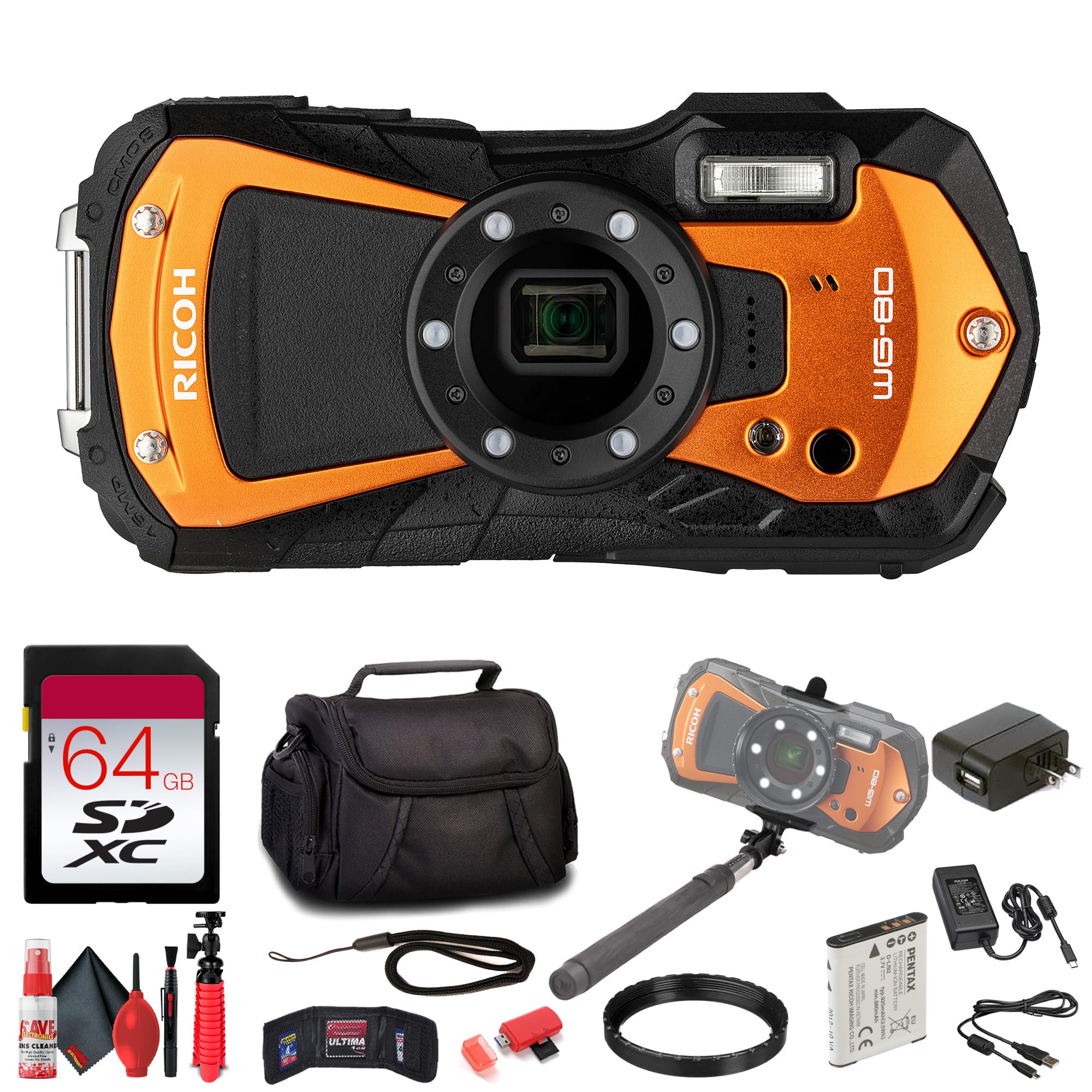
Compact Cameras
Compact cameras pack a fixed lens and a capable sensor into a pocket sized body, which makes them easy to carry on every outing. They suit travelers and walkers who want better quality than a phone without the bulk of a lens system. Their smaller zoom range and fixed lens limit flexibility, but their size means they are there when a larger camera would stay behind, and our guide to best cameras for outdoor adventures shows how compact models handle trail and travel use.
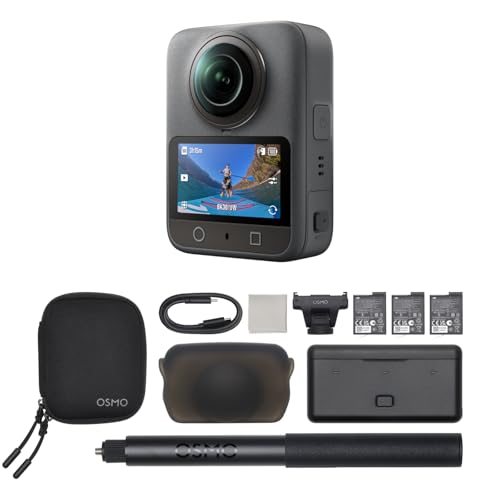
Action Cameras
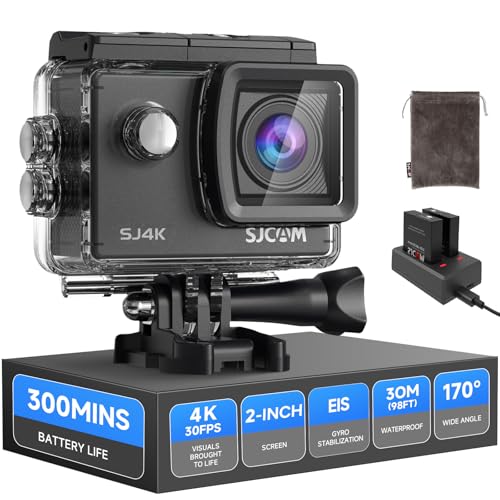
Action cameras are small, tough, waterproof models built for video on the move, from cycling and paddling to skiing and climbing. They suit fast action and wet conditions, and they mount to helmets, handlebars, and chest straps. Their tiny sensors struggle in low light compared with larger cameras, and their wide lenses suit action more than distant detail, so they work best as a second camera or for video first trips.
Tips to Get the Most From Your Adventure Camera
- Use a lens cloth, not your shirt, since fabric can smear coatings and trap grit that scratches glass.
- Carry a spare battery and a spare memory card, because both run out at the worst moment on a long day.
- Store the camera in a dry, padded bag, and keep silica gel packets inside to fight damp on multi day trips.
- Update firmware for autofocus improvements, and check for updates before a big trip rather than during it.
- Learn one new control per outing, such as exposure compensation, so skills build without overwhelming a trip.
- Back up photos each evening when traveling, so a lost or damaged card does not cost the whole journey.
FAQs
What Camera Specs Matter Most for Beginners?
For beginners, the specs that matter most are sensor size, stabilization, and ease of use, since those three shape everyday results more than extreme zoom or megapixel counts. A larger sensor helps in low light, good stabilization keeps handheld shots steady, and a friendly auto mode lets you shoot well while you learn. Battery life and weather resistance matter too, because a camera that dies early or fears rain stays in the bag. Start with those basics, and add advanced features only when you know you will use them.
How Much Should I Spend on My First Adventure Camera?
Spend what fits a camera you will actually carry and use, which for many first time buyers lands around $200 to $600, with keen shooters going higher for larger sensors. Lower priced models suit daylight trips and casual use, while mid priced models add low light quality and control that serious travelers notice. Avoid stretching to the highest level before you know your style, since an unused costly camera is worse value than a well used modest one. Set a budget, compare two or three options inside it, and let handling and weight break the tie.
Should I Choose an Action Camera or a 360 Camera?
Choose a standard action camera if you want a simple, rugged, waterproof camera that records what is in front of you, with easy mounting and quick sharing. Choose a 360 camera if you like to capture everything around you and pick the angle later, which suits cycling, travel, and group trips. A 360 camera needs more editing time and produces larger files, so think about how much you enjoy working on footage after the trip. Check waterproof depth, battery life, and mounting options for either type before you buy.
Which Adventure Camera Is Better for Low Light?
The adventure camera that is better for low light is usually the one with the largest sensor, the brightest lens, and the best stabilization, since those three work together to gather light and hold shots steady. A larger sensor stays cleaner at higher ISO values, a bright lens lets in more light, and stabilization allows slower shutter speeds without blur. Compact and action cameras can still shoot at dusk, but they show noise sooner than larger sensor models. If low light matters most to you, prioritize sensor size first and accept extra weight as the trade off.
Is a Smartphone Enough Instead of an Adventure Camera?
A smartphone is enough for many daylight trips, casual sharing, and quick snapshots, thanks to strong automatic processing and a camera that is always in your pocket. A dedicated adventure camera pulls ahead for optical zoom, low light quality, fast action, and wet or rough conditions where a phone needs extra protection. It also offers manual control and better battery life for long shooting days. If your trips are gentle and your photos stay on a screen, a phone may serve you well, but demanding light and action still reward a dedicated camera.
The Bottom Line
Start with the trips you take most: a tough action camera for wet and fast days, a compact camera for light travel, or a mirrorless camera for the best quality when weight is no problem. The product table above can help you compare sensor size, stabilization, and price side by side, but handling and weight should guide the final choice. Pick the camera you will carry on every outing, learn its controls gradually, and protect it well on the trail. Choose the best adventure cameras that fit your trips, your skill level, and your budget, and your photos will improve with every journey.