
Best Cameras for 7 Year Olds for 2026: Matching the Right Camera to Your Routine
Disclosure: We may earn a commission when you buy through links on this page, at no extra cost to you. As an Amazon Associate I earn from qualifying purchases. Learn more

A buying guide to the best cameras for 7 year olds, covering size, durability, simple controls and price tiers so you can match a camera to a child's interests.
There is no single camera that suits every child, and that is good news, because best cameras for 7 year olds come in several shapes that fit different kinds of play. A child who photographs pets in the garden needs something different from a child who wants to film a school project or record a family trip. The comparison table below gives a quick overview of the main types before you compare the details.
This guide walks through who each type suits, which features matter most at this age, and the mistakes that lead to a camera sitting unused in a drawer. Prices are approximate, so use them to compare tiers rather than as exact store prices. The goal is a camera your child can carry, operate, and enjoy without constant adult help.
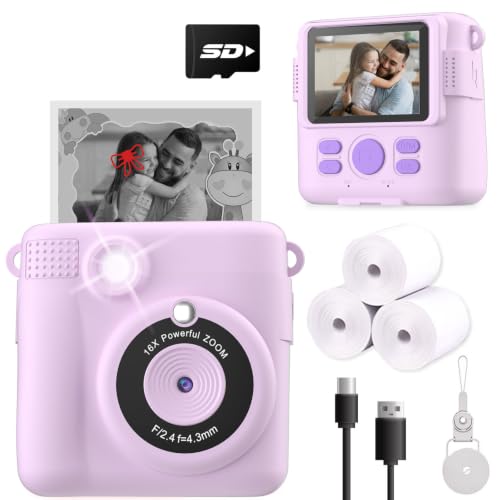
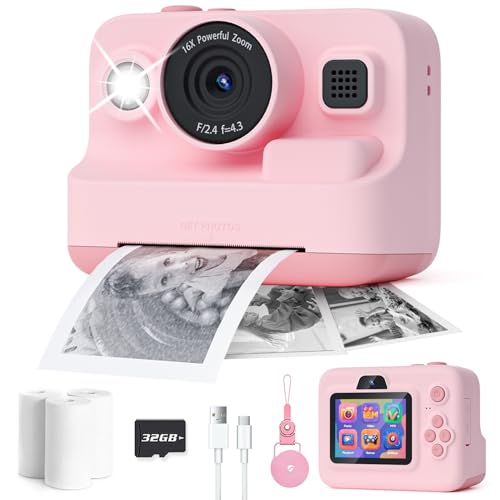

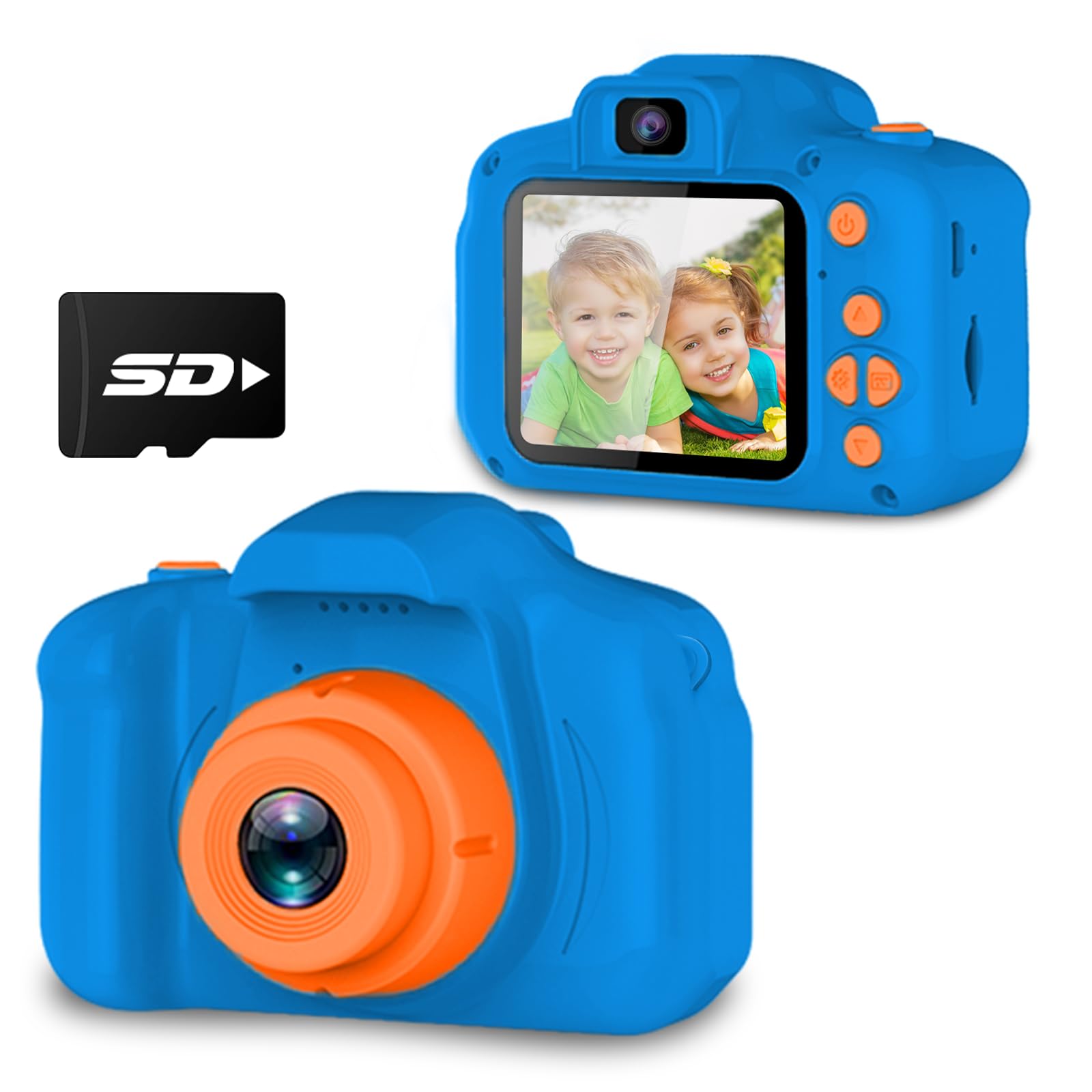


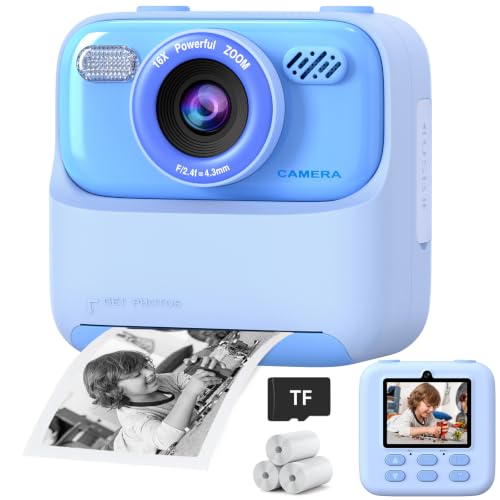

Who Should Buy Which Cameras?
Start with how your child will actually use the camera. A seven year old still has small hands, a short attention span for menus, and a habit of dropping things, so size, weight, and toughness matter more than advanced settings. The groups below describe common patterns, and you can mix traits from more than one group.
For Curious Beginners
A curious beginner benefits most from a simple camera with big buttons, a clear screen, and an automatic mode that handles exposure on its own. Look for a grip that fits a small hand, a wrist strap, and a menu with pictures rather than long lists of terms. A camera in this group should survive a fall from table height onto grass and keep working after a dusty afternoon in a park. Simple controls build confidence faster than a long feature list.
For Outdoor Explorers
An outdoor explorer needs a camera that tolerates dirt, splashes, and bumpy rides in a backpack. A rugged body, a sealed battery door, and a bright screen that stays readable in sunlight are worth more than a large zoom range. Light weight matters too, because a heavy camera gets left behind on a walk. Check the maker age guidance and weight limits before you buy, and supervise use near water even when a camera is described as splash resistant.
For Creative Storytellers
A creative storyteller wants to make short videos, photo sequences, and silly portraits with friends. A flip screen helps a child frame a shot without guessing, and a built in microphone that picks up voices clearly matters more than cinema style video settings. Easy transfer to a family computer or tablet keeps the fun going, because photos stuck on a memory card rarely get looked at again. Keep sessions short and supervised, and agree on what may be shared online before filming starts.
For Family Trips and Everyday Use
A family trip camera needs to be ready in seconds, hold a charge through a day out, and fit in a jacket pocket or a small bag. A short startup time, a simple zoom control, and a battery that lasts a full afternoon reduce frustration for everyone. If your child also uses a tablet for games and drawing, compare the two uses carefully, since a dedicated camera usually takes better photos in bright light and teaches framing in a way a tablet screen does not. See our guide to the best tablets for 7 year olds if you are weighing a tablet against a camera for everyday use.
Choosing Cameras for Your Situation
Age seven sits between toy cameras and adult cameras. Children at this age can follow a short sequence of steps, such as turning a camera on, framing a picture, and pressing the shutter, but they still need forgiving controls and clear feedback when a shot works. A camera that is too complex leads to guesswork, while a camera that is too simple may bore a child who is ready to learn composition and light.
Best Cameras for a 7 Year Old: What to Prioritize
For one child at this age, prioritize three things above all else: a body that fits small hands, controls that can be learned in one sitting, and a result the child can see right away on the screen. A large grip, a shutter button that is easy to find by touch, and instant playback all help a child connect an action with a result. A camera with these traits suits a seven year old better than a camera with a long menu of modes that an adult must operate.
Key Features to Compare
The features below decide whether a camera feels easy or frustrating in daily use. Compare them in the order that matches your child's habits, not in the order a spec sheet lists them. A feature only matters if it changes what your child can do with the camera.
Sensor Size and Image Quality
Sensor size affects how much light a camera gathers and how clean a photo looks indoors. A larger sensor usually gives cleaner results in dim rooms, but it also tends to come in a larger and heavier body. For a seven year old, a modest sensor in a small body often beats a large sensor in a camera that is hard to hold steady. Megapixels alone do not tell the whole story, since lens quality and light handling shape the final picture just as much.
Low Light Performance
Low light performance matters for birthday parties, indoor play, and evening walks. A camera that handles dim light well produces brighter photos with less grain, while a weak performer gives dark or blurry results that disappoint a child. Look for a bright lens opening and a sensor that stays clean at higher sensitivity settings rather than chasing the highest number on the box. Results in a dim room matter more than claims about night modes.
Video Capabilities
Video capabilities turn a camera into a storytelling tool. Short clips at standard high definition quality are plenty for a seven year old, and a flip screen plus a clear microphone matter more than ultra high resolution settings. A camera that records steady video without complex stabilization menus will get used more often. Check how long the battery lasts while recording, since video drains power much faster than still photos.
Features That Matter for 7 Year Olds
Seven year olds need features built around small hands, short arms, and developing patience. A wrist strap prevents drops, a simple zoom lever avoids confusion, and a large playback button lets a child review shots without help. Durability features such as a rubberized grip and a protected lens cover also matter, because this age group explores by carrying a camera everywhere. Maker age guidance, supervision, and small parts warnings deserve attention too: keep tiny accessories such as lens caps and memory cards out of reach of younger siblings, and store the camera where small children cannot reach it unsupervised.
Size, Weight, and Ergonomics
Size, weight, and ergonomics decide whether a camera travels or stays home. A camera under about 300 grams suits most seven year olds for a full afternoon, while anything much heavier tires small arms and leads to shaky photos. Hold the camera the way your child will hold it, with one hand on the grip and one finger on the shutter, and check that the screen stays visible in sunlight. A padded case that a child can open alone adds independence and protects the camera on the way to school or a park.
Common Mistakes to Avoid When Buying Cameras
- Buying on price alone, which often means a camera that is hard to hold or slow to start.
- Ignoring sensor size and image quality, which leads to dark indoor photos that disappoint a child.
- Choosing a camera that is too large or too heavy for small hands, which causes blurry shots and sore arms.
- Skipping the warranty and return terms, which leaves you stuck if the camera fails after a few weeks.
- Forgetting a memory card and a spare battery, which can end a day out early.
Tips to Get the Most From Your Camera
Good habits protect both the camera and the photos. Use a lens cloth, not a shirt, to clean the lens, since fabric can scratch the coating over time. Carry a spare battery on longer outings, and store the camera in a dry, padded bag when it is not in use.
Teach your child to switch the camera off before putting it away, to keep the lens cap on during transport, and to check the battery and memory card before leaving home. A short routine before each outing prevents most lost photo opportunities.
Review photos together at the end of the day and talk about what worked, such as stepping closer or waiting for better light. This habit teaches composition faster than any manual. It also gives you a natural moment to check that photos stay on family devices and are shared only with your approval.
When your child is ready for a camera aimed at a slightly older age group, the differences are mostly about size and menu depth rather than image quality alone. See our guide to the best cameras for 10 year olds for what changes as children grow. Younger siblings have different needs again, so compare the best cameras for 5 year olds and the best cameras for 8 year olds before settling on a size and control layout.
Cameras: Your Questions Answered
What features matter most in cameras for 7 year olds?
Simple controls, a light body, and a durable build matter most for seven year olds. A camera should start quickly, focus on its own, and survive everyday drops onto grass or carpet. A bright screen, a wrist strap, and a battery that lasts a full outing add daily value. Advanced manual modes can wait until your child asks for more control, since confidence built early keeps photography fun.
Is a smartphone enough instead?
A smartphone can take good photos, but it is not always the best learning tool for a seven year old. A dedicated camera gives a child a device with one job, fewer distractions, and controls designed for taking pictures. It also keeps a costly phone out of muddy or wet situations. If your child mainly photographs at home and you supervise closely, a phone may suffice, but a camera usually encourages more deliberate framing.
How much should I spend on my first one?
A first camera for a seven year old usually costs about $50 to $150, with tougher or more capable types reaching about $200. The lower end suits a child who is just exploring an interest, while the higher end suits a child who already photographs often and wants better low light results. Spending more does not guarantee better photos if the camera is too heavy or complex. Start modestly and upgrade when your child outgrows the controls.
What specs matter most for beginners?
Beginners should focus on automatic focus, a simple zoom range, and a screen that stays readable outdoors. Sensor size matters more than megapixel count, and battery life matters more than burst speed. A camera that turns on fast and focuses reliably will produce more keepers than a camera with a long spec list. Check the maker age guidance and let your child try the grip and buttons before you decide.
Which is better for low light?
A camera with a larger sensor and a bright lens opening usually performs better in low light than a small sensor camera. It gathers more light, so photos look cleaner and less grainy indoors or at dusk. A built in flash can help for close subjects, but it can also wash out faces, so natural light handling matters more. For a seven year old, a camera that stays steady and focuses quickly in dim rooms beats one with a long list of night modes.
The Bottom Line
The right choice balances fit, simplicity, and durability rather than chasing the longest feature list. A light body your child can hold steady, controls learned in one sitting, and a battery that survives a day out will matter more than advanced settings. Remember that best cameras for 7 year olds should match your child's hands, interests, and patience, not an adult wish list. Check the product table above once more, confirm the maker age guidance, and choose the type your child will actually carry and enjoy.


